Have you ever wondered if the cookware you use could be affecting your health? You’re not alone.
Many people are turning to traditional options like cast iron cookware, curious about its health benefits and potential downsides. Imagine cooking your favorite meals in a pan that not only enhances flavors but also might contribute to your well-being. Intrigued yet?
Understanding the health implications of cast iron cookware could transform the way you cook and eat. Keep reading, and you’ll discover whether this age-old kitchen staple deserves a spot in your modern kitchen. The answers might just surprise you.
Benefits Of Cast Iron Cookware
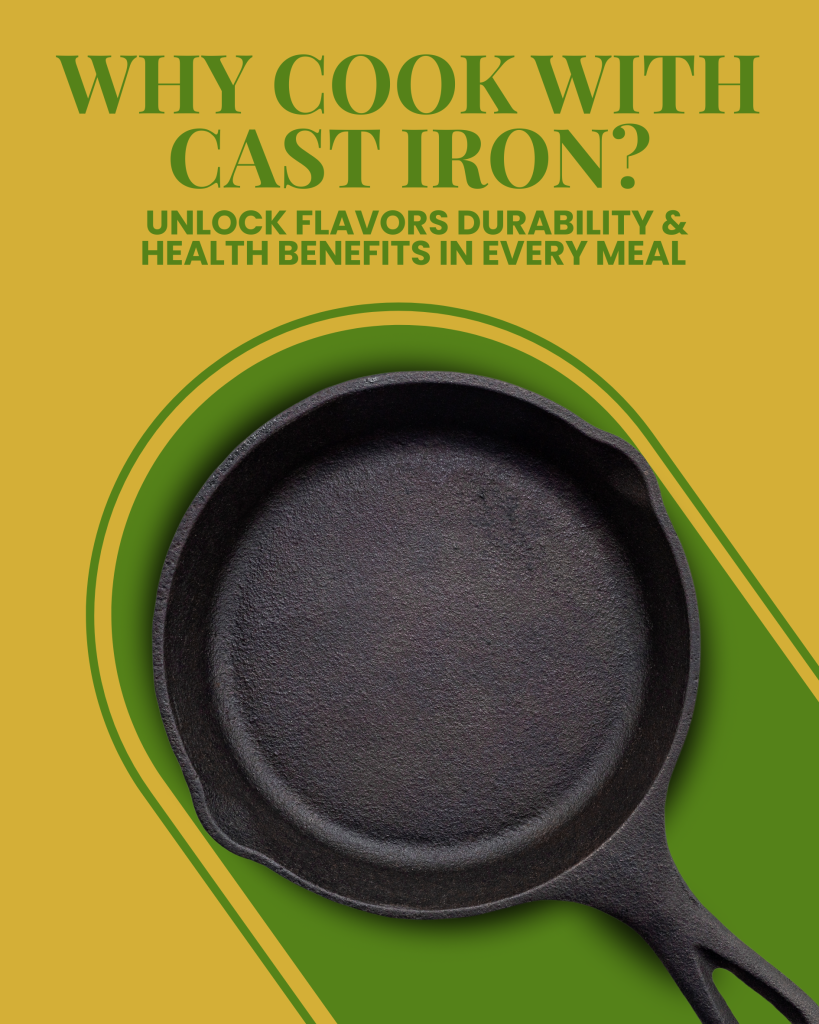
Cast iron cookware has been a staple in kitchens for generations, offering a unique blend of health benefits and culinary advantages. If you’re considering adding cast iron to your kitchen arsenal, you might be curious about its specific benefits. Let’s dive into why many chefs and home cooks swear by this timeless cookware.
Heat Retention And Distribution
Cast iron is renowned for its excellent heat retention and even distribution. Once heated, it maintains a consistent temperature, making it ideal for searing meats and slow-cooking stews. Have you ever experienced uneven cooking with other pans? Cast iron eliminates this problem by ensuring every part of your dish cooks uniformly.
Durability And Longevity
One of the standout qualities of cast iron cookware is its unmatched durability. These pans can last a lifetime—or even longer—if cared for properly. I still use a skillet passed down from my grandmother, and it performs just as well as new. Imagine the joy of handing down a well-seasoned piece of cookware to the next generation.
Natural Non-stick Properties
With proper seasoning, cast iron develops a natural non-stick surface. This means less reliance on chemical-laden sprays and coatings. Cooking eggs or pancakes becomes a breeze, sliding right off the pan. Plus, maintaining this non-stick surface is as simple as occasionally rubbing with a bit of oil after cleaning.
Are you ready to embrace the benefits of cast iron in your kitchen? The health perks and cooking advantages speak for themselves, making it a worthy investment for anyone passionate about food.
Credit: www.lemon8-app.com
Nutritional Advantages
Cast iron cookware offers distinct nutritional benefits. Its unique properties enhance food quality, adding value to meals. Explore how these advantages can positively impact health.
Iron Supplementation
Cooking with cast iron can increase iron intake. The iron from the cookware transfers to food. This helps in boosting dietary iron levels. People with iron deficiencies may benefit from this natural supplementation. It’s a simple way to enhance daily nutrition without extra effort.
Enhanced Cooking Techniques
Cast iron ensures even heat distribution. This enhances cooking techniques, promoting better food texture and flavor. Foods cooked in cast iron retain more nutrients. Slow cooking processes preserve vitamins and minerals effectively. Enjoy meals that are not only tasty but also nutritious.
Potential Health Concerns
Cast iron cookware has been celebrated for its durability and cooking performance. However, like any kitchen tool, it comes with its own set of potential health concerns. Understanding these risks can help you make informed decisions about incorporating cast iron into your cooking routine.
Iron Overload Risks
Cooking with cast iron can increase iron content in your food, especially acidic dishes like tomato sauce. While iron is an essential nutrient, too much can lead to health issues. Iron overload can affect organs such as the liver and heart, posing serious health risks if left unchecked.
Are you aware of your body’s iron levels? If you frequently use cast iron and consume iron-rich foods, it might be worthwhile to monitor these levels. Consider discussing your iron intake with a healthcare professional to ensure you’re within safe limits.
Maintenance And Safety Issues
Proper maintenance of cast iron is crucial for safety and performance. Without regular seasoning, your skillet might rust, potentially affecting food quality and safety. An unseasoned pan can also lead to sticking, making cooking an unpleasant experience.
Have you ever struggled with a sticky cast iron pan? Ensuring your cookware is well-seasoned can save you from this frustration. Regular seasoning not only prevents rust but also enhances the natural non-stick surface, making your cooking experience smoother and healthier.
Moreover, handling heavy cast iron requires caution. Dropping a pan can lead to injuries or damage to your kitchen surfaces. Always use both hands and store it securely to avoid accidents.
Are you confident in your cast iron maintenance routine? Investing time in proper care can significantly extend its lifespan and keep your meals safe and delicious.

Credit: www.instagram.com
Comparing Cast Iron To Other Materials
Cast iron cookware is a healthy choice. It naturally enhances dishes with iron, a vital nutrient. Unlike nonstick pans, cast iron avoids harmful chemicals, making it a safer option for cooking.
Comparing cast iron to other materials helps in understanding cookware choices. Each type has its benefits and limitations. Knowing these can guide healthier cooking.Stainless Steel
Stainless steel is popular for its durability. It resists rust and stains. This makes it a long-lasting kitchen choice. It doesn’t react with acidic foods. So, your meals retain their true flavors. Cooking with stainless steel needs some oil. Food might stick without it. This cookware heats evenly, reducing hot spots. It requires careful handling to avoid burns. Stainless steel is dishwasher safe, which eases cleaning.Non-stick Cookware
Non-stick cookware is known for easy food release. It reduces the need for oils and fats. This can make meals healthier. Non-stick surfaces require gentle utensils. Metal tools might scratch them. Scratches can affect the cookware’s lifespan. Non-stick coatings can degrade over time. This might release harmful particles into food. These pans require low to medium heat. High heat can damage the non-stick layer. Non-stick cookware is easy to clean with mild soap and water.Tips For Safe Use
To ensure cast iron cookware is healthy, season it regularly to prevent rust. Avoid cooking acidic foods to maintain its integrity. Clean with mild soap and dry thoroughly to prevent moisture damage.
Cooking with cast iron cookware is not just about taste. It also involves using it safely. Cast iron, known for its durability, can last a lifetime with proper care. To keep your meals healthy, follow these tips for safe use. These tips help maintain your cookware and ensure your meals are as healthy as possible.Proper Seasoning
Seasoning is crucial for cast iron. It creates a non-stick surface. Start by washing your pan with warm, soapy water. Dry it completely. Apply a thin layer of vegetable oil on the surface. Bake it upside down in an oven at 375°F for an hour. Let it cool in the oven. This process should be repeated regularly. Seasoning keeps rust away. It also enhances the flavor of your dishes.Avoiding Acidic Foods
Acidic foods can damage cast iron. They react with the metal. This can ruin the seasoning. Avoid cooking tomatoes, vinegar, or citrus in cast iron. If you do, limit cooking time. Transfer food to another dish once done. This practice preserves your pan. It also keeps your meals free from metallic taste.
Credit: www.cuminco.com
Environmental Impact
Cast iron cookware offers health benefits by adding iron to food during cooking. It reduces dependency on non-stick coatings, which can harm the environment. Durable and long-lasting, cast iron is a sustainable choice for eco-conscious kitchens.
The environmental impact of cookware choices often goes unnoticed. Cast iron cookware stands out for its eco-friendly attributes. It offers a sustainable and recyclable option for conscious consumers.Sustainability
Cast iron cookware boasts remarkable durability. It can last for generations with proper care. This reduces the demand for new products. Fewer replacements mean less manufacturing and resource use. Unlike non-stick pans, cast iron has no synthetic coatings. These coatings can release harmful chemicals during production. Cast iron is made from natural materials. This makes it a more sustainable choice.Recyclability
Cast iron is 100% recyclable. Old cookware can be melted down and reused. This limits landfill waste. Recycling cast iron requires less energy than producing new metal. It also reduces the need for raw material extraction. Many manufacturers use recycled iron in new products. This practice supports a circular economy. Choosing cast iron cookware supports environmental health.Frequently Asked Questions
Is Cast Iron Cookware Safe For Health?
Cast iron cookware is generally safe and even beneficial for health. It can add small amounts of iron to your food, which is helpful for those with iron deficiencies. However, excessive iron intake might be a concern for some individuals.
Always ensure proper seasoning and cleaning to maintain its safety and longevity.
Does Cast Iron Leach Iron Into Food?
Yes, cast iron cookware can leach small amounts of iron into food. This is generally beneficial, especially for those needing more iron in their diet. The amount varies based on food acidity, cooking duration, and cookware seasoning. Properly maintained cookware minimizes excessive iron leaching, ensuring safe and healthy cooking.
Can Cast Iron Cookware Cause Iron Toxicity?
Cast iron cookware rarely causes iron toxicity. The leached iron amount is usually minimal and beneficial for most people. However, individuals with hemochromatosis or excessive iron levels should be cautious. Maintaining a balanced diet and monitoring iron intake can help prevent toxicity while enjoying the benefits of cast iron cooking.
How Does Seasoning Affect Cast Iron Health Benefits?
Seasoning cast iron creates a natural, non-stick surface that enhances cooking benefits. It prevents rust and reduces iron leaching into food. Properly seasoned cookware offers a safe and durable cooking surface. Regular maintenance ensures its health benefits, providing a long-lasting and efficient tool for healthy meal preparation.
Conclusion
Cast iron cookware offers health benefits and enhances cooking. It adds iron to food, which boosts nutrition. Its durability makes it a great investment. With proper care, it lasts a lifetime. Some foods may stick, but seasoning helps. It’s versatile for various recipes, from frying to baking.
While heavy, it’s worth the effort for tasty meals. Choose cast iron for a healthier kitchen. Enjoy cooking with this timeless tool. It might become your favorite cookware. Consider trying it in your next dish. Experience the tradition and benefits firsthand.