Are you tired of seeing those stubborn stains and streaks on your stainless steel cookware? You’re not alone.
Many people find themselves frustrated when their once gleaming pots and pans lose their shine. But what if I told you there’s a simple, natural solution sitting right in your pantry? Yes, it’s vinegar. This common household ingredient is not only great for cooking but also works wonders in cleaning.
Imagine restoring the sparkle to your cookware without the harsh chemicals or elbow grease. By the end of this article, you’ll discover the easy steps to make your stainless steel look brand new again. So, if you’re ready to transform your cookware and make your kitchen shine, keep reading!

Credit: www.wikihow.com
Benefits Of Using Vinegar For Cleaning
Cleaning stainless steel cookware with vinegar offers an effective solution. Vinegar helps remove stains and food residues, leaving cookware shiny and spotless. It’s a natural and affordable option that ensures your pots and pans look their best.
Cleaning stainless steel cookware can be a challenge. Vinegar offers a natural, effective solution. This household staple is not only affordable but also environmentally friendly. Using vinegar for cleaning has numerous benefits. It cuts through grease and removes stains. Its acidic nature helps dissolve mineral deposits. It disinfects surfaces without harsh chemicals. Vinegar’s versatility makes it a go-to choice for home cleaning.Environmentally Friendly
Vinegar is biodegradable. It poses no harm to the environment. This makes it a safer choice compared to chemical cleaners.Cost-effective
Vinegar is cheap. You can find it in most supermarkets. It offers a budget-friendly cleaning solution.Non-toxic
Vinegar is safe to use around kids and pets. It doesn’t release harmful fumes. This makes it a gentle cleaning option.Effective Grease Cutter
Vinegar breaks down stubborn grease. It leaves cookware sparkling. No need for vigorous scrubbing.Stain Remover
Vinegar tackles tough stains. It restores cookware’s shine. It is effective in removing discoloration.Disinfectant Properties
Vinegar kills germs. It sanitizes surfaces naturally. A great alternative to chemical disinfectants.Mineral Deposit Dissolver
Vinegar dissolves mineral build-up. It clears cloudy spots. This enhances the appearance of your cookware.Versatile Cleaner
Vinegar cleans various surfaces. From countertops to cookware. Its versatility is unmatched.
Credit: www.thecooldown.com
Preparing Your Cookware
Preparing your stainless steel cookware for cleaning with vinegar is an essential first step to ensure effective results. A little preparation goes a long way in making the task quicker and more efficient. Whether you’re dealing with stubborn stains or simply maintaining your pots and pans, this preparation process will help you achieve a sparkling finish effortlessly.
Gathering Necessary Supplies
Before you start, make sure you have all the supplies you need. The essentials include white vinegar, a soft sponge or cloth, and warm water. You might also want to have baking soda on hand for tougher stains or spots. Consider using a small bowl to mix your cleaning solution.
- White vinegar – for its cleaning and shine-enhancing properties.
- Soft sponge or cloth – to avoid scratching the surface.
- Warm water – to help dissolve grime and grease.
- Baking soda – optional for stubborn residue.
Ensuring Safety Measures
Safety is crucial when dealing with cleaning agents, even natural ones like vinegar. Ensure your workspace is well-ventilated to avoid inhaling any fumes. If you’re handling particularly heavy cookware, make sure you have a stable surface to work on to prevent accidents.
Always use gloves if you have sensitive skin, as vinegar can be mildly acidic. Keep all cleaning products out of reach of children and pets to avoid any mishaps. Remember, a safe cleaning environment means a stress-free process.
Once you’ve gathered your supplies and ensured safety measures, you’re ready to dive into the cleaning process. Have you ever tried using vinegar for cleaning before? You might be surprised at its effectiveness and ease of use.
Step-by-step Cleaning Process
Cleaning stainless steel cookware with vinegar is easy. First, pour vinegar into the cookware. Then, scrub gently with a soft sponge. Rinse thoroughly with warm water. Enjoy sparkling, stainless steel cookware.
Cleaning stainless steel cookware can seem daunting, but with a simple step-by-step process using vinegar, it becomes an easy task. Vinegar is a powerful and natural cleaner that can effectively remove stubborn stains and restore shine. Let’s dive into the detailed process to make your cookware sparkle like new.Pre-treatment With Vinegar
Start by filling your stainless steel pot or pan with equal parts water and vinegar. Bring this mixture to a boil. This helps loosen any burned food residues and stains. You might notice the stains starting to lift as the solution heats up. Once it’s boiling, turn off the heat and let the mixture sit for about 15 minutes. This allows the vinegar to penetrate and break down any remaining grime. You’ll be amazed at how much easier the cleaning process becomes after this simple pre-treatment.Scrubbing Techniques
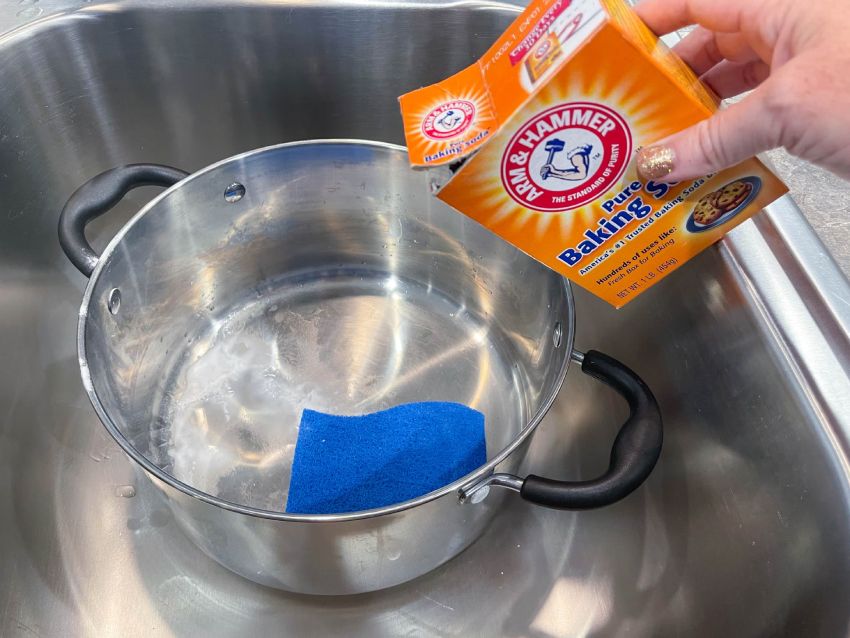
With the pre-treatment complete, empty the pot and prepare for scrubbing. Use a soft sponge or cloth. Avoid using steel wool or abrasive pads as they can scratch the surface. Apply a small amount of baking soda to the sponge, then gently scrub the cookware in circular motions. Baking soda acts as a mild abrasive that pairs well with vinegar to remove stubborn spots. If you encounter tough stains, sprinkle some baking soda directly onto them and add a few drops of vinegar. Let it fizz for a few minutes before scrubbing again. You’ll find this technique highly effective for removing those pesky marks.Final Rinse And Drying
Once the scrubbing is complete, rinse the cookware thoroughly with warm water. Ensure all traces of vinegar and baking soda are washed away. Dry your cookware immediately with a clean, soft towel to prevent water spots. Stainless steel can easily show watermarks if left to air dry, so this step is crucial. Consider hanging your cookware or placing it on a drying rack to ensure it’s completely dry before storing. This prevents moisture buildup and keeps your cookware looking pristine. How do you maintain the shine on your stainless steel cookware?Tips For Stubborn Stains
Cleaning stainless steel cookware can be easy with vinegar. Mix equal parts of vinegar and water. Boil the solution in the cookware to remove stubborn stains.
Cleaning stainless steel cookware can be a breeze until you encounter those stubborn stains that seem to resist every effort. But don’t worry, with a little patience and the right approach, you can restore your cookware to its shiny glory. A combination of vinegar and a few other household items can work wonders on those pesky spots.Using Baking Soda With Vinegar
Mixing baking soda with vinegar creates a powerful cleaning duo. Begin by sprinkling a generous amount of baking soda over the stained area. Next, pour a small amount of vinegar over the baking soda. This will create a fizzing reaction that helps lift stubborn stains. Use a soft cloth or sponge to scrub the mixture gently onto the stain. Rinse the cookware thoroughly with water and dry it with a clean towel. This method not only removes stains but also adds a sparkling shine to your stainless steel.Alternative Methods For Tough Spots
If the vinegar and baking soda combo doesn’t do the trick, consider trying a different approach. For burnt-on food, fill the cookware with enough water to cover the stain and add a cup of vinegar. Bring the mixture to a boil and let it simmer for a few minutes. After cooling, scrub the area with a non-abrasive sponge. This method can help loosen and remove the toughest of residues. For an even more stubborn stain, create a paste using cream of tartar and water. Apply it to the spot, let it sit for a few hours, then scrub and rinse. Each of these alternative methods provides a practical solution to keep your cookware looking its best. Have you ever tried any of these techniques? Which one worked best for you?Maintaining Your Cookware
Vinegar effectively cleans stainless steel cookware by removing stains and restoring shine. Mix vinegar with water and apply. Gently scrub with a soft cloth, rinse, and dry for sparkling results.
Maintaining your stainless steel cookware is crucial for both its longevity and performance. Regular upkeep not only ensures your pots and pans look shiny and new, but also enhances their cooking efficiency. One powerful and eco-friendly cleaning agent is vinegar, which can tackle stains and maintain the sparkle of your cookware.Regular Cleaning Routine
Creating a consistent cleaning routine for your stainless steel cookware is essential. After each use, wash your pots and pans with warm, soapy water. This simple act prevents food residue from building up and staining the surface. Occasionally, a more thorough cleaning is needed. Fill your cookware with water and add a cup of vinegar. Bring the mixture to a boil, let it cool, then wash as usual. This method effectively removes stubborn stains and mineral deposits.Avoiding Common Mistakes
It’s easy to make mistakes when cleaning stainless steel cookware, but avoiding them can save you a lot of trouble. Never use abrasive sponges or steel wool, as they can scratch the surface. Instead, opt for soft sponges or cloths. Avoid using harsh chemicals like bleach or ammonia. They can damage the cookware’s surface and are unnecessary when you have vinegar at your disposal. If you ever find yourself in doubt, remember that gentle care goes a long way. Are you guilty of leaving your cookware soaking overnight? This common mistake can lead to water stains. Instead, clean them promptly after use to keep them looking their best.
Credit: www.tiktok.com
Expert Insights
Cleaning stainless steel cookware with vinegar is an effective and eco-friendly method. Experts agree that vinegar’s natural acidity can break down grease and stains. It’s a simple solution for keeping your pots and pans sparkling.
Professional Recommendations
Experts suggest using white vinegar for cleaning stainless steel. It’s affordable and widely available. To clean, mix equal parts of vinegar and water. Apply the mixture using a soft cloth or sponge. Gently scrub the surface to remove spots and stains.
For tough stains, soak the cookware in the vinegar solution. Let it sit for a few minutes. Then, scrub gently until the stains disappear. Avoid using abrasive materials that can scratch the surface. Rinse thoroughly with warm water after cleaning.
Common Myths Debunked
Some believe vinegar can damage stainless steel. Experts debunk this myth. Vinegar is safe for stainless steel when used correctly. It doesn’t corrode or harm the material.
Another myth is that vinegar leaves a strong odor. This is false. Vinegar’s smell dissipates quickly. Rinsing with water helps remove any lingering scent. It leaves your cookware fresh and clean.
Some think vinegar isn’t effective on tough stains. Experts argue otherwise. Vinegar can tackle stubborn stains with the right technique. It’s a powerful natural cleaner for stainless steel cookware.
Frequently Asked Questions
How Does Vinegar Clean Stainless Steel Cookware?
Vinegar effectively cleans stainless steel by dissolving grease and mineral deposits. Its acidic nature helps break down stubborn stains and residues. Simply apply vinegar to the cookware, let it sit for a few minutes, then scrub gently and rinse thoroughly for a shiny, clean surface.
Can Vinegar Damage Stainless Steel Cookware?
Vinegar is generally safe for stainless steel, but prolonged exposure can cause discoloration. Use it sparingly and rinse thoroughly to prevent damage. Avoid soaking the cookware in vinegar for extended periods. Regular cleaning with diluted vinegar is recommended for maintaining the cookware’s appearance and durability.
What Type Of Vinegar Is Best For Cleaning?
White distilled vinegar is ideal for cleaning stainless steel cookware. It is affordable, readily available, and effective at removing stains and residues. Its clear nature ensures no additional coloring is left on the cookware. Dilute it with water for regular cleaning to maintain your cookware’s shine.
How Often Should I Clean With Vinegar?
Clean your stainless steel cookware with vinegar as needed, typically once a month. This helps remove mineral deposits and maintain its shine. For frequent use, a diluted vinegar solution can be applied weekly. Always rinse thoroughly after cleaning to prevent any potential vinegar residue.
Conclusion
Cleaning stainless steel cookware with vinegar is simple and effective. Vinegar helps remove stains and polish the surface. Keep your cookware looking shiny and new. Just remember to rinse thoroughly after cleaning. Regular maintenance with vinegar prevents buildup. Your pots and pans will last longer.
No need for harsh chemicals. Vinegar is natural and safe for your kitchen. Enjoy cooking with clean, sparkling cookware. A clean kitchen makes cooking more pleasant. Try vinegar today for fresh, spotless cookware. Your stainless steel will thank you. Keep it clean, keep it simple.