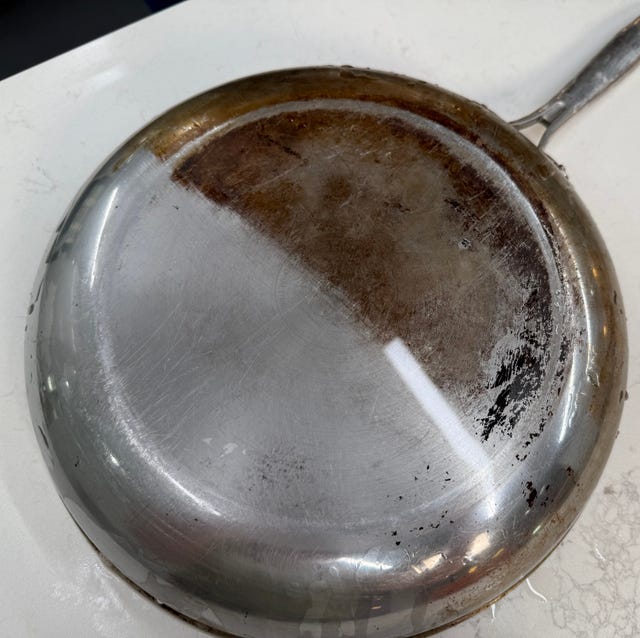
Are your aluminum pots and pans looking a bit worse for wear? Over time, even the best cookware can lose its shine and accumulate stubborn stains.
If you’ve ever wondered how to restore your aluminum cookware to its former glory, you’re not alone. Many people struggle with keeping their kitchen essentials looking pristine. The good news? It’s easier than you think to bring back that gleaming finish.
By following a few simple steps, you can not only make your cookware look brand new but also extend its lifespan. Dive into this guide, and discover the secrets to cleaning aluminum cookware effortlessly. You’ll soon see how a few minutes of care can transform your kitchen routine and elevate your cooking experience.
Benefits Of Cleaning Aluminum Cookware
Regular cleaning of aluminum cookware enhances its appearance and extends its lifespan. Clean surfaces prevent food residue buildup, ensuring optimal heat distribution and cooking performance.
Keeping your aluminum cookware clean is more than just about maintaining a shiny appearance. Regular cleaning can enhance the functionality and longevity of your pots and pans. It even contributes to healthier cooking, making your meals not only delicious but safe. This simple routine can transform your kitchen experience.Enhances Durability
Cleaning aluminum cookware regularly helps prevent the build-up of stains and residues that can weaken the material over time. When you remove these impurities, you preserve the integrity of the cookware. This means your favorite saucepan can serve you for many more meals to come.Improves Cooking Efficiency
Ever noticed how food sticks to the pan more easily when it’s dirty? A clean surface allows for better heat distribution, which means your food cooks evenly and efficiently. This can make a noticeable difference, especially when you’re in a rush to prepare a meal.Prevents Contamination
Leftover food particles can harbor bacteria, leading to potential health risks. By ensuring your cookware is spotless, you protect yourself and your family from contaminants. It’s a small step that can make a big difference in your kitchen hygiene.Maintains Aesthetic Appeal
A sparkling pot or pan adds to the overall appeal of your kitchen. It reflects the care and attention you put into your cooking space. Plus, who doesn’t love the sight of gleaming cookware hanging on a rack or sitting on the stove?Boosts Flavor
Residues and burnt particles can impart unwanted flavors to your food. By keeping your cookware clean, you ensure that every dish tastes as it should, untainted by previous meals. Imagine cooking a delicate sauce without the risk of it picking up a burnt aftertaste from last night’s dinner. Do you see the difference a little cleaning can make? Your cookware is more than just a tool; it’s an essential part of your culinary journey. So next time you’re cleaning up, remember the benefits it brings to your kitchen and beyond.Common Issues With Aluminum Cookware
Aluminum cookware often faces issues like discoloration and stains due to cooking and washing. Cleaning involves using gentle scrubbers and mild soap to avoid scratching. To restore shine, rub a mixture of vinegar and water on the surface. Regular maintenance helps maintain appearance and functionality.
Aluminum cookware is a staple in many kitchens due to its lightweight and excellent heat conductivity. However, it comes with its own set of challenges. If you’ve ever noticed discoloration or food sticking to your pots, you’re not alone. These common issues can be frustrating, but with a little know-how, you can keep your aluminum cookware looking and performing its best.Discoloration And Staining
Aluminum is prone to discoloration, often due to exposure to acidic foods or high heat. Have you ever wondered why your pot doesn’t look as shiny as it used to? This is a typical problem. To tackle this, try cleaning your cookware with a mix of cream of tartar and water. This simple solution can often restore its shine.Pitting And Corrosion
Pitting occurs when aluminum reacts with acidic foods, creating small holes on the surface. If you’ve ever noticed these tiny pits, they’re not just cosmetic—they can affect cooking performance. Avoid cooking highly acidic foods or use a protective layer like a non-abrasive spray to minimize this issue.Food Sticking To The Surface
Have you ever struggled to remove stuck-on food after cooking? It’s a common issue with aluminum cookware, especially if not properly seasoned. To prevent sticking, season your cookware by applying a thin layer of oil and heating it gently. This creates a natural non-stick surface, making cleanup easier.Warping Under High Heat
Aluminum is susceptible to warping when exposed to high temperatures. Have you noticed your pan doesn’t sit flat anymore? This can happen if you crank up the heat too quickly. Always start cooking at a lower temperature and gradually increase it to avoid warping your pans.Scratching And Abrasion
Aluminum cookware can easily scratch, especially when using metal utensils. Do you find scratches unsightly on your cookware? Opt for wooden or silicone utensils to keep your pots and pans in pristine condition. A little care goes a long way in preserving the surface.Maintenance And Longevity
Regular maintenance can extend the life of your aluminum cookware. Are you guilty of neglecting proper care? Rinse your pots immediately after use and dry them thoroughly to prevent oxidation. A bit of elbow grease now can save you trouble later.Environmental Concerns
Have you ever thought about the environmental impact of your cookware? Aluminum production can be resource-intensive. Consider this when purchasing new pots. Choosing recycled aluminum cookware can be a more eco-friendly option. It’s a small step towards a greener kitchen. In tackling these issues, you gain more than just clean cookware. You learn the art of maintaining your kitchen tools, making them last longer and perform better. With these insights, your aluminum cookware will not only look great but will also enhance your cooking experience.Essential Cleaning Supplies
Baking soda and vinegar work wonders for cleaning aluminum cookware. Gently scrub with a soft cloth to avoid scratches. Rinse thoroughly and dry to maintain shine and prevent stains.
Cleaning aluminum cookware might seem like a daunting task, especially when faced with stubborn stains or residue. However, having the right cleaning supplies can make the process much simpler and more effective. Gathering essential supplies not only saves time but also ensures your cookware remains in pristine condition. Let’s dive into what you need to keep your aluminum pots and pans sparkling clean.Basic Supplies
Start with the basics that you likely already have in your kitchen. A soft sponge is crucial to avoid scratching the surface of your aluminum cookware. Pair this with a mild dish soap that effectively cuts through grease without being harsh on the metal.White Vinegar
White vinegar is a magic ingredient when it comes to cleaning aluminum. Its acidic nature helps break down stubborn stains and mineral deposits. You can mix it with water to create a gentle cleaning solution that won’t damage the cookware’s surface.Baking Soda
Baking soda is another versatile cleaning agent. Sprinkle it on tough spots and add a bit of water to create a paste. This paste can gently scrub away residues without scratching. Plus, its deodorizing properties help eliminate any lingering odors.Soft Cloths
Using a soft cloth is essential for drying and buffing your cookware post-cleaning. This prevents water spots and gives your pots and pans a shiny finish. Microfiber cloths are particularly effective for this job.Lemon Juice
Lemon juice can be used as an alternative to vinegar. It not only cleans but also leaves a refreshing scent. The citric acid works similarly to vinegar, breaking down grime and leaving your cookware bright and clean.Salt
Combine salt with lemon juice to tackle tougher stains. Salt acts as a gentle abrasive, lifting stubborn residues without scratching the surface. This combination is perfect for areas that need a little extra attention. By stocking up on these essential supplies, you can tackle any cleaning challenge that comes your way. Which of these items do you already have at home?
Credit: www.reddit.com
Step-by-step Cleaning Process
Begin by scrubbing the cookware with a soft sponge and warm water. Apply a mixture of baking soda and vinegar for stubborn stains. Rinse thoroughly and dry with a clean towel to prevent spots.
Cleaning aluminum cookware can be a simple yet rewarding task. Shiny, clean pots and pans not only look great but also ensure your food tastes just as it should. With the right approach, you can maintain your cookware’s luster for years.Preparing The Cookware
Before diving into cleaning, ensure your cookware is cool to the touch. This prevents accidental burns and ensures the cleaning agents work effectively. Remove any leftover food particles by rinsing the cookware under warm water.Using Baking Soda And Vinegar
Combine the power of baking soda and vinegar for a natural cleaning solution. Sprinkle a generous amount of baking soda over the cookware’s surface. Pour a small quantity of vinegar over the baking soda and watch the fizzing reaction that helps lift stubborn stains.Scrubbing Techniques
Choose a soft sponge or a non-abrasive scrubber to avoid scratching the aluminum surface. Apply gentle pressure as you scrub in circular motions. For tougher stains, let the baking soda and vinegar mixture sit for a few minutes before scrubbing.Rinsing And Drying
Thoroughly rinse the cookware under warm water to remove any residue from the cleaning agents. Use a clean towel to dry the cookware immediately to prevent water spots. Store your cookware in a dry place to maintain its shine. What are your go-to cleaning hacks for aluminum cookware? Share your tips and let’s keep our kitchens sparkling!Removing Tough Stains
Removing tough stains from aluminum cookware can be simple. Use a mixture of vinegar and water to gently scrub the surface. This method helps restore shine and remove stubborn residue effectively.
Removing tough stains from aluminum cookware can be a daunting task. Those unsightly stains are often stubborn and resistant to regular cleaning methods. However, with the right techniques, you can restore your cookware to its original shine. Let’s delve into some effective methods for tackling these common issues.Handling Burnt Residue
Burnt residue can seem like a nightmare, especially when it clings to the bottom of your favorite pan. Start by filling the cookware with water, covering the burnt areas completely. Boil the water gently for about 10 to 15 minutes. After boiling, use a wooden spoon or spatula to scrape off the loosened residue. Avoid metal utensils, as they can scratch the aluminum surface. If residue remains, create a paste using baking soda and water. Apply the paste to the stubborn spots, allowing it to sit for 30 minutes. Scrub with a non-abrasive sponge, and rinse thoroughly. You’ll notice a significant improvement.Dealing With Water Spots
Water spots on aluminum cookware can be pesky, leaving it looking unappealing. To tackle these spots, mix equal parts of white vinegar and water in the cookware. Bring the mixture to a boil, then turn off the heat. Allow the solution to cool, and then rinse the cookware with warm water. Dry it immediately with a soft towel to prevent new spots from forming. For persistent spots, sprinkle a little cream of tartar on a damp sponge and gently rub the affected area. Rinse well and dry thoroughly. Your cookware will look as good as new, without the unsightly spots. Have you tried these methods before? What worked best for you?Maintaining Shine And Finish
Regular cleaning ensures aluminum cookware retains its shine and finish. Use mild soap and warm water to wash gently. Dry thoroughly to prevent water spots and preserve its luster.
Maintaining the shine and finish of aluminum cookware is essential. It keeps your kitchenware looking new and appealing. Regular care prevents dullness and prolongs the life of your pots and pans. Follow these easy methods to keep your cookware shiny and polished.Polishing Methods
Use natural cleaners like vinegar or lemon juice. They help remove stains and restore shine. Mix vinegar with warm water. Soak the cookware for 15 minutes. Rinse thoroughly with clean water. For stubborn spots, sprinkle baking soda on a damp cloth. Gently scrub the cookware in circular motions. Rinse and dry with a soft towel. Commercial aluminum polish can also be effective. Follow the instructions on the product label. Apply the polish with a clean, soft cloth. Buff in small circles until the surface shines. Rinse off the polish residue with warm water. Dry the cookware immediately to prevent water spots.Preventing Future Tarnish
Store aluminum cookware in a dry place. Moisture can cause tarnish and discoloration. Use a soft cloth to dry after each use. Avoid using harsh cleaners or abrasive pads. They can scratch and damage the surface. Instead, use mild dish soap and a soft sponge. Clean your cookware regularly to prevent build-up. Line shelves with soft cloth or paper. This prevents scratches during storage. Consider using a protective bag or cover. It shields the cookware from dust and moisture. Keep your kitchenware away from acidic foods. Acidic ingredients can cause tarnish over time. Rinse cookware immediately after contact with acidic foods.Alternative Cleaning Methods
Cleaning aluminum cookware with baking soda and vinegar is effective. Sprinkle baking soda, then add vinegar. Scrub gently with a sponge to remove stains. Rinse thoroughly with warm water for a shiny finish.
Cleaning aluminum cookware can be a challenge. Traditional methods may not always work. Alternative cleaning methods offer effective solutions. These methods are simple and practical. They make your cookware shine like new.Using Commercial Cleaners
Commercial cleaners are specially formulated. They tackle tough stains and grime on aluminum. Many options are available at local stores. Look for products labeled safe for aluminum. Follow the instructions on the package. Use a soft cloth or sponge to apply. Rinse thoroughly with warm water. Dry with a clean towel to prevent spots.Natural Cleaning Solutions
Natural solutions are gentler on aluminum. They use common household items. Baking soda is a popular choice. Mix with water to form a paste. Apply to the cookware and scrub gently. Rinse and dry thoroughly. Vinegar is another effective option. It removes stains and restores shine. Mix equal parts of vinegar and water. Bring the solution to a boil in the cookware. Let it cool, then rinse and dry. Lemon juice works well for light stains. Squeeze lemon juice onto the stain. Let it sit for a few minutes. Scrub with a soft cloth and rinse. Your cookware will sparkle with these natural methods.
Credit: www.facebook.com
Safety Tips
Cleaning aluminum cookware requires gentle care to avoid scratches. Use warm water, mild detergent, and a soft sponge. Avoid harsh scrubbers and acidic cleaners to maintain the cookware’s shine.
Cleaning aluminum cookware can be a straightforward task, but it’s important to prioritize safety to keep your pots and pans in top condition. When tackling the grime and stains, you may wonder: what’s the safest way to clean aluminum without causing damage? Below, we’ll delve into essential safety tips that will help you keep your cookware gleaming while avoiding harm to you or your kitchen tools.Avoiding Abrasive Materials
Using abrasive materials can scratch and damage the surface of your aluminum cookware. Instead of reaching for steel wool or rough scrub pads, opt for softer alternatives. A gentle sponge or a cloth is often sufficient for most cleaning tasks. Consider using a nylon brush for tougher spots. It provides more friction without the risk of scratching. Your aluminum pots will thank you for the extra care, lasting longer and looking better over time.Safe Use Of Chemicals
When cleaning with chemicals, safety is paramount. Ensure that any chemical cleaner is specifically labeled safe for aluminum. Using products not intended for aluminum can lead to discoloration and damage. Always follow the instructions on the label. If you prefer a more natural approach, consider using a mixture of baking soda and vinegar. It’s effective and safe, offering peace of mind while you scrub away. In your experience, have you ever accidentally damaged cookware with harsh cleaners? Share your story in the comments and let’s learn together!Storage And Care
Regular cleaning ensures aluminum cookware stays in top condition. Use warm, soapy water and a soft sponge to remove residue. For stubborn stains, mix baking soda with water to form a paste, then gently scrub.
Proper care and storage of aluminum cookware extend its lifespan. Clean and store your pots and pans correctly. This keeps them looking good and functioning well. Follow these simple guidelines to maintain your cookware’s condition.Proper Storage Techniques
Store aluminum cookware in a dry place. Moisture can cause damage. Stack pots and pans carefully. Use soft cloths or paper towels between them. This prevents scratches and dents. Utilize pot racks or hooks when possible. They save space and prevent damage. Ensure lids are stored separately if space allows.Regular Maintenance Practices
Wash aluminum cookware by hand. Avoid dishwashers. They can be harsh on the metal. Use mild dish soap and warm water. Rinse thoroughly to remove all soap residue. Dry cookware immediately after washing. This prevents water spots and corrosion. Polish with a soft cloth for extra shine. Consider occasional deep cleaning with baking soda. This helps remove stains and keeps cookware bright.
Credit: www.facebook.com
Frequently Asked Questions
How Do I Remove Stains From Aluminum Cookware?
To remove stains, use a mix of vinegar and water. Boil the solution in the cookware for a few minutes. This helps loosen stains for easier cleaning. After boiling, scrub gently with a non-abrasive sponge. Rinse thoroughly to ensure all residue is gone.
Can I Use Baking Soda On Aluminum Cookware?
Yes, baking soda is effective for cleaning aluminum cookware. Mix baking soda with water to form a paste. Apply the paste to the cookware and scrub gently. Baking soda helps remove grease and stains without damaging the surface. Rinse thoroughly after cleaning for a shiny finish.
Is It Safe To Use Bleach On Aluminum?
No, avoid using bleach on aluminum cookware. Bleach can cause discoloration and damage the surface. Instead, use mild dish soap and warm water for cleaning. For tough stains, opt for vinegar or baking soda solutions. These are safer and maintain the integrity of your cookware.
How Often Should I Clean Aluminum Pots?
Clean aluminum pots after every use to maintain their condition. Regular cleaning prevents build-up of stains and food residue. Use mild soap and warm water for routine cleaning. For stubborn stains, use vinegar or baking soda. Regular maintenance ensures longevity and optimal performance.
Conclusion
Clean aluminum cookware lasts longer and performs better. Regular cleaning removes stains and keeps it shiny. Use gentle scrubbers and mild soap for best results. Avoid harsh chemicals; they can damage the surface. Dry thoroughly to prevent water spots. These simple steps ensure your cookware stays in top shape.
Enjoy cooking without the worry of stuck-on food or discoloration. Remember, a little effort goes a long way. Aluminum is a great choice for cookware, but it needs care. Happy cooking with your sparkling clean pots and pans!