Imagine waking up to the aroma of freshly brewed coffee without the hassle of searching for the coffee filters or the scoop. Picture preparing a meal with all your ingredients and utensils just a reach away.
If your kitchen sometimes feels more like a chaotic jungle than a culinary haven, you’re not alone. The secret to transforming this crucial space lies in effective organization. By mastering the art of organizing your kitchen items, you can create a space that is not only functional but also a joy to work in.
When everything has its place, you’ll save time, reduce stress, and maybe even find a renewed love for cooking. Ready to turn your kitchen into a streamlined sanctuary? Let’s dive into the essential steps that will make your kitchen work for you.
Credit: www.extraspace.com
Decluttering Essentials
Organize kitchen items efficiently by sorting utensils and appliances based on use. Maximize space with drawer dividers and shelf organizers. Keep countertops clutter-free by storing seldom-used items in cabinets.
Decluttering your kitchen is a vital step in achieving an organized space. A clutter-free kitchen not only looks tidy but also boosts efficiency. With fewer items to distract you, cooking becomes more enjoyable. To start this process, focus on the essentials of decluttering.Understanding Your Needs
Begin by identifying the items you use daily. These are your kitchen essentials. Separate them from items you rarely use. This helps in deciding what to keep and what to let go.Sorting And Categorizing
Sort items into categories like utensils, cookware, and appliances. Categorizing helps in visualizing what you own. It also aids in identifying duplicates or unnecessary items.Set Clear Goals
Define what you aim to achieve with decluttering. Whether it’s more counter space or easier access to tools, goals keep you focused. Write them down as a reminder.One Area At A Time
Focus on one section of your kitchen at a time. This approach prevents feeling overwhelmed. Start with the pantry or a single cabinet.Use The Four-box Method
Gather four boxes labeled: Keep, Donate, Sell, and Trash. As you sort, place items into these boxes. This method simplifies decision-making.Regular Maintenance
Schedule regular checks to maintain a clutter-free kitchen. Monthly reviews help in keeping clutter at bay. Make it a habit to assess and reorganize.Zone-based Organization
Zone-based organization transforms your kitchen into a highly efficient space. By dividing areas into specific zones, you enhance functionality. Each zone caters to distinct activities, making cooking seamless and enjoyable. Let’s explore how to create these zones for a clutter-free kitchen.
Cooking Zone
Designate a space near the stove for cooking essentials. Store pots, pans, and utensils within arm’s reach. Use hooks or racks to hang frequently used items. Keep spices and oils close for easy access. This setup speeds up meal preparation.
Preparation Zone
Create a dedicated area for food prepping. Place cutting boards, knives, and mixing bowls here. Ensure it’s near the sink and trash bin. Store small appliances like blenders and food processors nearby. This zone enhances efficiency in meal preparation.
Cleaning Zone
This area surrounds the sink and dishwasher. Keep dish soap, sponges, and cleaning cloths here. Use shelves or under-sink storage for cleaning supplies. Maintain easy access to trash bins and recycling containers. This setup simplifies cleanup tasks.
Storage Zone
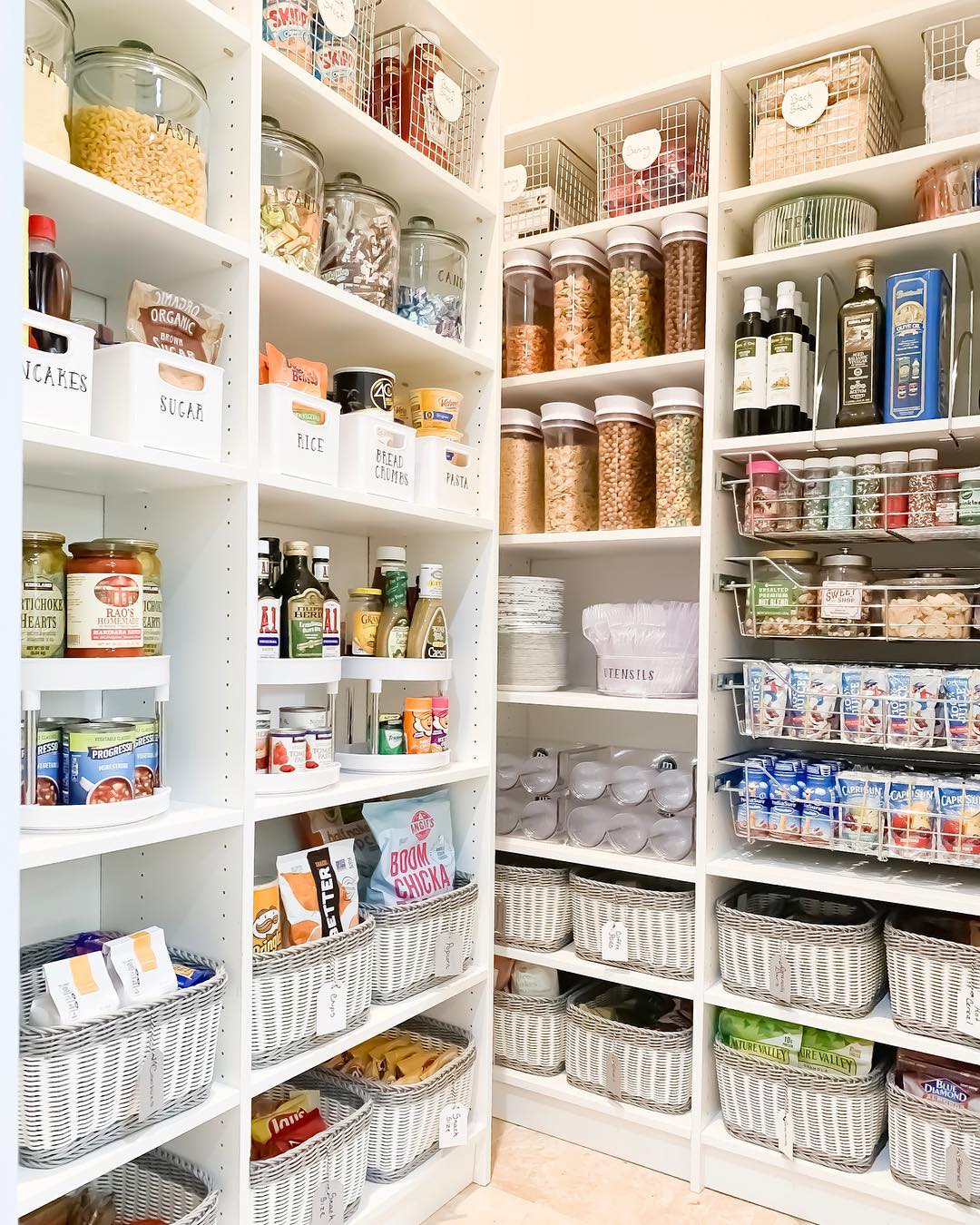
Organize cabinets and pantry for optimal storage. Group similar items together, like canned goods or baking supplies. Use clear containers to store dry foods. Label shelves for easy identification. This zone maximizes space and keeps your kitchen tidy.
Efficient Storage Solutions
Efficient storage solutions in your kitchen can transform the way you cook and organize daily tasks. With smart strategies, you can maximize space and keep everything within reach, making your kitchen a joy to navigate. So, what’s the secret to an efficient kitchen? Let’s dive into some proven techniques to optimize your space.
Cabinet Optimization
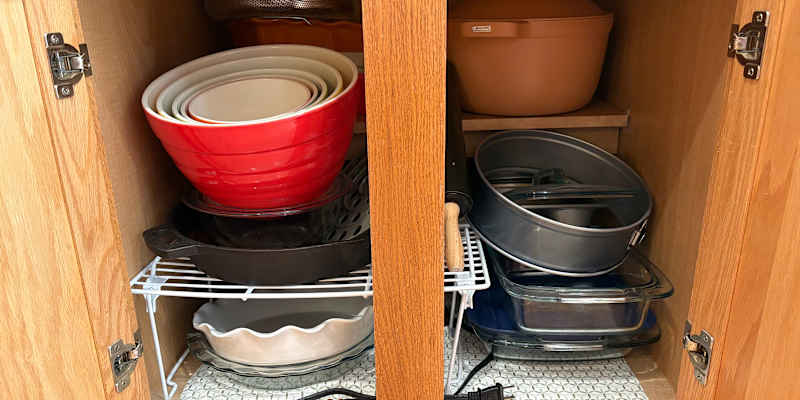
Cabinets are prime real estate in any kitchen. Start by assessing what you have and what you need. Consider installing adjustable shelves to accommodate items of varying sizes. Use lazy Susans or pull-out racks to bring items forward, reducing the need to dig through clutter. A personal favorite is the use of clear bins for grouping similar items, which keeps everything visible and organized.
Drawer Dividers
Drawers can quickly become messy if not managed well. Investing in dividers is an easy way to keep utensils and gadgets in order. You can customize dividers to fit your specific needs, whether it’s for cutlery, tools, or baking supplies. Imagine opening a drawer where everything has its place – it’s a small change with a big impact.
Shelf Arrangements
Strategic shelf arrangements can make a difference in accessibility. Place frequently used items at eye level for easy access. Use risers to create additional layers, allowing you to stack items without losing visibility. Group similar items together to streamline your cooking process. How many times have you shuffled through spices to find the one you need?
Use Of Vertical Space
Don’t overlook the vertical space in your kitchen. Wall-mounted racks or pegboards can store pots, pans, and utensils, freeing up cabinet space. Hooks are perfect for hanging mugs or kitchen towels. You might be surprised at how much space you gain by thinking vertically – it’s a game-changer for small kitchens.
Which of these efficient storage solutions will transform your kitchen? Implementing even a few can create a more organized, functional space that enhances your cooking experience.
Smart Use Of Containers
Maximizing the efficiency of your kitchen starts with smart use of containers. These humble vessels hold the key to transforming chaos into calm. With a little thought, containers can help you organize your kitchen items in ways that save time and space, making your cooking experience smoother and more enjoyable. Let’s dive into how you can choose the perfect containers, label them effectively, and stack them strategically.
Choosing The Right Containers
Not all containers are created equal. Selecting ones that fit your space and needs can make a world of difference. Consider transparent containers for easy identification and airtight options to keep food fresh. Have you thought about using stackable containers to maximize vertical space? This simple choice can free up more room than you might expect.
It’s also crucial to match the container size with the quantity you store. Small containers are ideal for spices, while large ones work best for bulk items like flour or cereal. Mixing sizes can create a visually pleasing arrangement that feels less cluttered.
Labeling Techniques
Ever spent too long searching for that one elusive spice? Labeling is your solution. Simple handwritten labels or printed ones can make a huge difference. Using water-resistant labels can prevent wear and tear, especially in humid environments like a kitchen.
Grouping items by category and labeling accordingly helps in quicker access. Imagine having all baking ingredients labeled and stored together. Not only does it save time, but it also keeps your kitchen organized.
Stacking Strategies
Stacking is an art in kitchen organization. The key is ensuring stability and accessibility. Start by stacking containers of similar sizes to maintain balance. Have you considered stacking by frequency of use? Place everyday items at the top for easy access.
Think about the weight distribution. Heavier containers should be at the bottom to avoid any mishaps. This method not only keeps your pantry tidy but also safe. How do you stack your containers currently, and could you benefit from a fresh approach?
Streamlining Kitchen Tools
Organizing kitchen items can simplify meal prep and save space. Group similar tools together for easy access. Store frequently used items on reachable shelves or drawers.
Organizing your kitchen tools can transform your cooking experience from chaotic to streamlined. Imagine opening a drawer and immediately spotting the exact tool you need. Streamlining your kitchen tools isn’t just about tidiness; it’s about efficiency and creating a space that works for you. Here are some practical ways to achieve that:Essential Tools Only
One of the first steps to streamline your kitchen is to focus on essentials. Ask yourself: which tools do you use daily or weekly? Keep those within easy reach and consider storing the rest. This approach simplifies your space and reduces the time spent searching for rarely used items. Think about that whisk you haven’t used in months. Is it taking up valuable space? If so, it might be time to relocate it to a less accessible storage area. Prioritizing your most-used tools can make a significant difference in how your kitchen functions.Multi-purpose Gadgets
Investing in multi-purpose gadgets can significantly reduce clutter. Look for tools that serve more than one function, like a grater that doubles as a zester. This not only saves space but also money. Consider the drawer space you’ll save by opting for a combination blender and food processor. These versatile gadgets can be game-changers in a small kitchen. They also reduce decision fatigue when choosing the right tool for the job.Proper Tool Placement
Where you place your tools is just as important as what you keep. Store them near where you use them. For example, keep spatulas and ladles close to the stove. Use drawer dividers or pegboards to keep items organized and visible. This way, you won’t waste time rummaging through cluttered drawers. Remember, a well-placed tool is worth its weight in gold when you’re in a cooking rush. Reassess your kitchen layout periodically. As your cooking habits change, so should your tool placement. This ensures your kitchen remains a functional and enjoyable space.Pantry Organization
Organize kitchen items by categorizing them into groups like grains, canned goods, and snacks. Use clear containers to store items and label each for easy access. Place frequently used items at eye level for convenience.
Organizing your pantry can transform your kitchen experience from chaotic to calm. With a well-organized pantry, meal prep becomes faster, and you might even save money by avoiding duplicate purchases. Plus, a tidy pantry can inspire you to try new recipes with ingredients you forgot you had. Let’s dive into some practical tips to streamline your pantry organization.Categorizing Pantry Items
Start by grouping similar items together. Keep canned goods in one section, grains and pasta in another, and snacks in a third. This makes it easier to find what you need quickly. Labeling is your best friend. Clear, legible labels on storage containers can save you from a game of pantry hide-and-seek. Use consistent containers to give your pantry a uniform look. Consider the frequency of use. Place commonly used items at eye level and occasional items higher or lower. This saves you time and minimizes frustration during your busy mornings.Fifo Method
First In, First Out (FIFO) is a strategy to prevent food waste. Place newly purchased items behind older ones so you use older products first. Check expiry dates regularly. This practice not only keeps your pantry fresh but also prevents unpleasant surprises during meal prep. Rotate your stock often. Make it a habit to shuffle items when you return from grocery shopping. This ensures nothing gets lost in the back of the shelf.Bulk Storage Tips
Buying in bulk can be economical, but it requires smart storage. Invest in airtight containers to keep ingredients like flour and rice fresh. Think vertically. Use stackable bins and tiered shelves to maximize space, especially in small pantries. This approach frees up room and keeps everything accessible. Don’t forget the door. Over-the-door organizers can hold spices, sauces, or even snacks, providing additional storage without cluttering your shelves. Have you ever found an unopened bag of flour long past its expiration date? Implementing these strategies can prevent that from happening. By taking control of your pantry organization, you create a more efficient and enjoyable cooking environment. Happy organizing!Refrigerator And Freezer Tips
Organize your refrigerator and freezer by grouping similar items together. Store frequently used products in easy-to-reach spots. Label shelves to quickly find what you need.
Organizing your refrigerator and freezer can save time and reduce waste. A well-organized fridge keeps food fresh longer and makes meal prep easier. Here are some practical tips to help you get started.Temperature Zones
Keep your fridge at 37-40°F for optimal freshness. The freezer should be at 0°F. Store raw meat on the bottom shelf to avoid drips. Use the upper shelves for ready-to-eat foods. The door shelves are warmest. Store condiments and drinks there.Food Rotation
Use the “first in, first out” rule. Place new items behind older ones. This ensures older food gets used first. Label leftovers with the date. This helps track freshness. Regularly check for expired items. Clear out old food weekly.Space-saving Hacks
Use bins to group similar items. This makes access easier. Store items in clear containers. See what’s inside without opening them. Use stackable containers to save space. Use clips to hang bags under shelves. This frees up more room. Keep a lazy Susan for sauces and jars. Rotate to find items quickly.
Credit: www.tasteofhome.com
Maintaining Kitchen Order
Organize kitchen items by grouping similar tools and utensils together. Store frequently used items within easy reach. Utilize shelves and containers to maximize space and maintain order.
Maintaining order in the kitchen can transform your cooking experience. A well-organized kitchen not only saves time but also boosts efficiency. It reduces stress and enhances creativity during meal preparation. Let’s explore ways to keep your kitchen tidy and functional.Daily Tidying Habits
Starting with daily tidying habits keeps clutter at bay. Begin by clearing countertops after each meal. Wipe surfaces to remove crumbs and spills. Return items to their designated places immediately. This simple routine prevents pile-ups and maintains a clean look. Set aside a few minutes each day for this task.Weekly Cleaning Routines
Weekly cleaning routines tackle deeper issues. Focus on areas less noticeable during daily tidying. Empty the fridge of expired items. Scrub sinks and faucets to prevent stains. Clean stovetops and inside the microwave. These tasks require more effort but ensure hygiene. Dedicate a specific day each week for this routine.Seasonal Deep Cleaning
Seasonal deep cleaning addresses hidden dirt and clutter. It’s crucial for maintaining kitchen order long-term. Clean out cabinets and drawers thoroughly. Discard items you no longer use or need. Organize pantry shelves for easy access. Wash curtains and dust blinds. This process may take longer but refreshes your kitchen. Plan these tasks every few months for optimal results.Incorporating Personal Style
Incorporating your personal style into kitchen organization can transform a mundane task into an exciting opportunity for self-expression. Instead of seeing storage as a mere necessity, consider it a canvas to showcase your taste. This approach not only enhances the aesthetic appeal but also makes your kitchen a more inviting space.
Aesthetic Storage Options
Choosing the right storage solutions can significantly impact the look and feel of your kitchen. Glass jars, woven baskets, and sleek metal containers offer both functionality and style. Imagine a row of transparent jars filled with colorful pasta or spices neatly lined up on a shelf; it’s like a piece of art on display.
Consider utilizing open shelving to add a touch of elegance and accessibility. Display your favorite dishes or cookbooks to infuse character into the room. This method allows you to highlight items that reflect your personality while keeping them within easy reach.
Color Coordination
Color plays a crucial role in tying your kitchen’s look together. Selecting a cohesive color palette for your storage solutions can unify the space. Perhaps you have a favorite color—use it as an accent throughout your kitchen for a personalized touch.
Mixing and matching colors can also be a fun way to inject vibrancy. If your kitchen walls are neutral, consider adding bold-colored containers to create contrast. This approach not only organizes but also energizes your kitchen environment.
Personalized Labels
Labels are more than just practical; they’re an opportunity to infuse personality into your kitchen. Crafting your own labels or using stylish pre-made ones can add a unique flair. Imagine opening a cabinet to find not just a jar of sugar, but a jar marked with a label that echoes your style.
Consider experimenting with fonts and materials for your labels. Chalkboard labels, for instance, offer a rustic charm and allow for easy updates. This small detail can make your kitchen organization feel uniquely yours.
Have you ever thought about how your kitchen reflects who you are? Embracing personal style in organization not only makes cooking more enjoyable but also turns your kitchen into a space that feels truly yours.

Credit: food52.com
Sustainable Practices
Adopting sustainable practices in organizing kitchen items not only helps the environment but also enhances the efficiency and aesthetics of your space. By making conscious choices, you can reduce your carbon footprint while maintaining a functional and stylish kitchen. Let’s explore some effective strategies to achieve a sustainable kitchen organization.
Eco-friendly Products
Switching to eco-friendly products is a simple yet impactful way to make your kitchen more sustainable. Consider using glass or stainless steel containers instead of plastic ones. These materials are not only durable but also easier to clean and free from harmful chemicals.
When purchasing cleaning supplies, look for brands that offer biodegradable and non-toxic options. These products are gentle on the environment and safe for your family. Opt for reusable cleaning cloths instead of disposable paper towels to further reduce waste.
Minimizing Waste
Minimizing waste in the kitchen begins with smart shopping habits. Plan your meals and create a shopping list to avoid buying unnecessary items. This reduces food waste and saves money in the long run.
Store food items properly to extend their shelf life. Use airtight containers or resealable bags to keep ingredients fresh. Label leftovers with dates to ensure they’re used before they spoil.
Reusing And Recycling
Reusing and recycling are crucial components of a sustainable kitchen. Identify items that can be repurposed instead of discarded. Empty jars can serve as storage for spices or as drinking glasses.
Set up a recycling station in your kitchen to sort materials like paper, plastic, and glass. Educate your family about what can and cannot be recycled to ensure the system is effective. By incorporating these practices, you’re not only organizing your kitchen but also contributing to a healthier planet.
Frequently Asked Questions
How To Categorize Kitchen Items Effectively?
Start by grouping items by use, like cooking or baking. Store frequently used tools near the workspace. Keep similar items together, such as pots and pans. Use labels and clear containers for easy identification. Regularly review and declutter to maintain organization.
What Are The Best Storage Solutions For Small Kitchens?
Utilize vertical space with wall-mounted shelves and racks. Consider pull-out drawers for cabinets to maximize accessibility. Use stackable containers for pantry items. Install hooks for hanging utensils. Opt for multi-functional furniture to save space and enhance storage.
How Can I Maximize Cabinet Space In The Kitchen?
Use tiered shelves for canned goods. Install pull-out trays for easy access. Hang hooks on cabinet doors for utensils. Consider adjustable shelves to accommodate different item sizes. Use bins or baskets to group items together, keeping your cabinet organized.
What Are Tips For Organizing Kitchen Drawers?
Use dividers to separate utensils and tools. Store frequently used items at the front for easy access. Group similar items together, like measuring spoons and cups. Consider using inserts for small tools. Regularly declutter to avoid overcrowding and maintain order.
Conclusion
Organizing your kitchen makes cooking easier and more fun. Start small. Use baskets and bins to group similar items. Label everything for quick access. Keep frequently used items within reach. Store less-used items higher up. Consider rotating pantry items to avoid waste.
Regularly check and tidy your space. This keeps your kitchen neat and stress-free. A well-organized kitchen saves time and effort. Enjoy cooking more with a clutter-free space. Simple changes can make a big difference. Happy organizing!