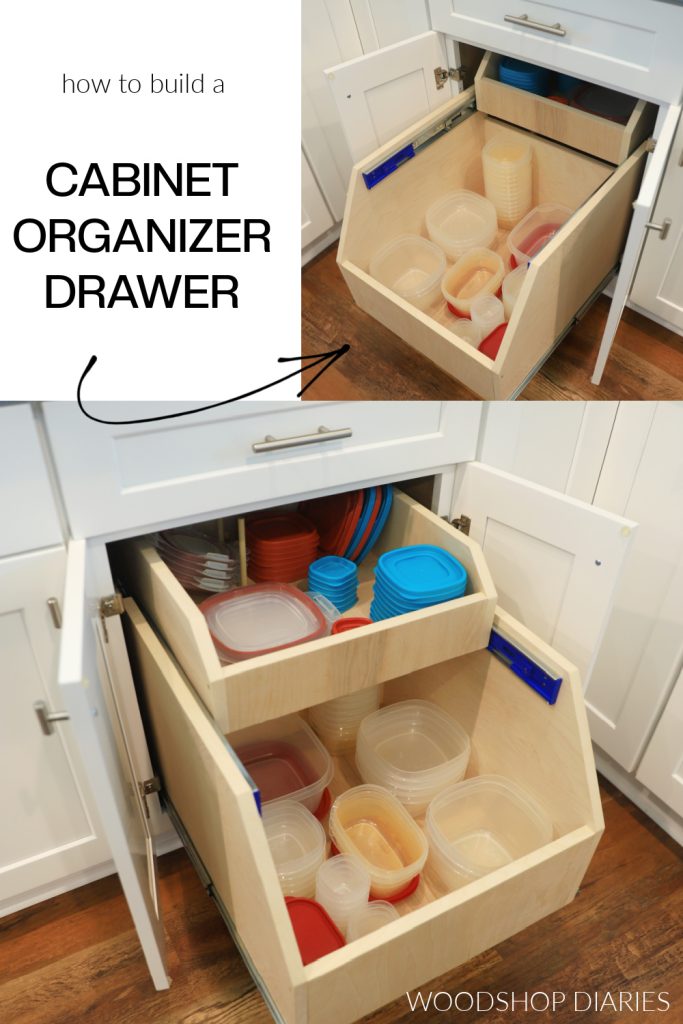
Are your kitchen drawers a chaotic mess? You’re not alone.
Many people struggle with cluttered drawers that make cooking and cleaning a frustrating experience. Imagine the ease of reaching into a perfectly organized drawer and finding exactly what you need, without the hassle. Wouldn’t that make your daily routine smoother and more enjoyable?
You’re about to discover simple DIY strategies that can transform your kitchen drawers into a model of efficiency. These tips are tailored for you, the busy homeowner, who wants practical solutions without breaking the bank. By the end of this guide, you’ll have the tools to create a clutter-free kitchen that’s not only functional but also visually appealing. Dive in, and let’s tackle that drawer chaos together!
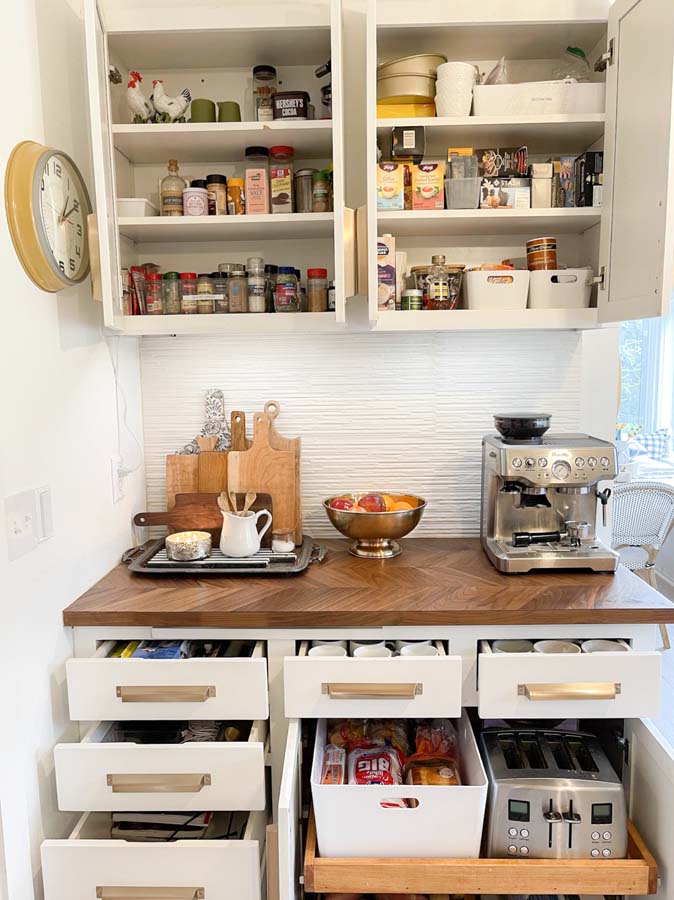
Credit: www.hallstromhome.com
Assessing Your Needs
Begin by identifying which kitchen tools you use most often. Consider drawer size and available space to ensure everything fits efficiently.
Assessing your kitchen needs is the first step to organizing your drawers. Understanding what you use daily helps create an efficient system. This task saves time and reduces stress while cooking. Begin by analyzing your current setup to make smart decisions.Identifying Frequent Use Items
List items you use daily or weekly. These might include utensils, pots, or spices. Keep these within easy reach for convenience. Group similar items together. For example, all baking tools in one section. This makes finding things quicker.Determining Drawer Space
Measure your drawer space to know what fits where. Consider drawer depth and width. This helps in planning the layout. Use dividers or containers to separate items. This prevents clutter and keeps things neat. Prioritize space for frequently used items. Less-used items can be stored in harder-to-reach places.Tools And Materials
Gather dividers, organizers, and labels for sorting kitchen items efficiently. Use non-slip liners to prevent shifting. Consider repurposing containers for an eco-friendly approach.
Organizing kitchen drawers can be a fun DIY project. You need the right tools and materials. This will ensure a smooth process and a satisfying result. Being prepared saves time and effort. It also helps create an efficient and clutter-free kitchen.Essential Organizing Tools
- Screwdriver: Useful for adjusting drawer hardware and handles.
- Measuring Tape: Helps ensure that your dividers fit perfectly.
- Utility Knife: Handy for cutting liners and other materials.
- Label Maker: Ideal for labeling sections for easy access.
- Rubber Bands: Good for bundling and organizing small items.
- Drawer Dividers: Essential for creating separate spaces within drawers.
Choosing The Right Materials
Selecting suitable materials is crucial for durability. Consider using wood or plastic for dividers. They are sturdy and long-lasting. Non-slip liners are great for preventing items from sliding. Choose labels that are easy to read. This makes finding items quicker. Adhesive hooks can be useful for hanging lightweight tools. Ensure all materials are easy to clean and maintain.Categorizing Items
Organize kitchen drawers with simple DIY methods. Use dividers to separate utensils and gadgets for easy access. Label sections for spices, tools, and essentials to keep everything tidy.
Organizing kitchen drawers can be a transformative experience, bringing order to chaos and enhancing your cooking efficiency. A crucial step in this process is categorizing items effectively. By dedicating specific spaces to different categories, you create a streamlined environment that makes finding and using kitchen tools a breeze.Grouping Similar Items
Start by taking everything out of your drawers. Lay the items out on a table and group similar things together. Think about utensils, baking tools, and cooking gadgets. Mixing spoons should be with spatulas, while measuring cups can cozy up to measuring spoons. Consider how you use these items. Do you always reach for a whisk when baking? Keep it close to the mixing bowl and measuring cups.Prioritizing Accessibility
Once grouped, think about how often you use each category. Place frequently used items in the most accessible drawers. For instance, if you cook daily, your spatulas and tongs should be front and center. Meanwhile, seasonal baking tools can find a home in a less convenient spot. Ask yourself: What do I reach for every day? Make those items as easy to grab as possible. This approach not only saves time but also enhances your cooking flow. Imagine the ease of cooking when everything you need is right where you expect it. By categorizing and prioritizing, your kitchen drawers become a well-oiled machine, turning cooking into a more enjoyable experience.
Credit: www.youtube.com
Drawer Layout Strategies
Organizing kitchen drawers can transform your cooking space. A well-structured layout improves efficiency. You can easily find utensils and ingredients without hassle. Drawer layout strategies play a crucial role in achieving this. By maximizing space and creating logical zones, your kitchen becomes more functional and enjoyable.
Maximizing Space Efficiency
Every inch of your drawer is valuable. Use dividers to separate items and prevent clutter. Adjustable dividers allow customization for different utensil sizes. Stackable trays offer another layer of organization. They provide additional storage without taking up more space. Consider using drawer organizers with multiple compartments. These are ideal for storing smaller kitchen tools like peelers and measuring spoons.
Utilize vertical space by storing items upright. This works well for cutting boards and baking sheets. Roll up dish towels or oven mitts instead of folding. It saves space and keeps drawers tidy. Remember, the goal is to make items accessible and easy to find.
Creating Logical Zones
Divide your kitchen drawers into zones. Group similar items together for efficient workflow. Create a baking zone for measuring cups, spoons, and spatulas. Designate a cooking zone for ladles, tongs, and turners. Store frequently used items in top drawers for easy access. Place less-used items in lower drawers.
Think about your cooking habits. Arrange items based on how you use them. Keep essential tools near the cooking area. Store rarely used gadgets further away. Logical zones reduce time spent searching for tools.
Labeling can further enhance organization. Use labels to identify what belongs in each section. This helps maintain order and clarity in your kitchen drawers.
Diy Drawer Dividers
Organize kitchen drawers with DIY dividers for a clutter-free space. Cut cardboard or foam board to fit. Arrange utensils, spices, and gadgets neatly within these sections for easy access and efficiency.
Organizing your kitchen drawers can transform your cooking space into a more efficient and enjoyable area. A simple yet impactful DIY solution is to create custom drawer dividers. These dividers help keep items in their designated spots, making it easier to find what you need in a snap. With a little creativity and some basic materials, you can design dividers that fit your unique needs and style.Simple Divider Options
Start with materials that are easy to find and work with, like cardboard, foam board, or wooden slats. These are affordable options that can be customized to fit any drawer size. Cut the materials to fit snugly inside your drawers and arrange them in a grid pattern to create compartments. This approach is perfect for separating utensils, spices, or baking tools, ensuring everything has its place. Do you love quick solutions? Consider using adjustable drawer dividers available at most home stores. They can be resized to fit different drawer dimensions and are easy to install.Customizing Divider Solutions
If you have a unique drawer layout or specific items to organize, customizing your dividers might be the way to go. Measure your drawers carefully and consider what you need to store before cutting your materials. For a personal touch, you can decorate your dividers with washi tape or paint to match your kitchen’s theme. This adds a splash of personality and color to your organizing efforts. Are you storing delicate or oddly-shaped items? Use foam or felt lining on your dividers to protect them from damage. This ensures even your most precious kitchen tools are safe and secure. With these DIY drawer divider tips, you’re not just organizing—you’re creating a kitchen that works for you. What will you do with all the extra time you save?Incorporating Labels
Utilize labels for a tidy kitchen by categorizing drawer contents. Clearly mark sections for utensils, spices, and gadgets. Easy-to-read labels make finding items quick and hassle-free.
Incorporating labels in your kitchen drawers can transform your organization efforts. Labels help identify items quickly, reducing the time spent searching for utensils or ingredients. They bring order to chaos, making your kitchen a more efficient space.Label Types And Uses
Various label types suit different needs. Sticky labels are versatile and easy to apply. They can mark drawer fronts or containers, providing instant clarity. Chalkboard labels offer flexibility for changing contents. Write and erase as needed, keeping labels relevant. Magnetic labels are ideal for metal surfaces. They offer a strong grip and easy repositioning. Clear labels maintain aesthetics while being informative. They blend seamlessly with any design.Benefits Of Labeling
Labeling enhances organization and efficiency. It reduces the time spent hunting for items. Find what you need without hassle. Labels improve inventory management. Know what you have at a glance. They create a tidy appearance, making your kitchen inviting. They help in maintaining a clean and clutter-free environment. Labels aid family members in locating items easily. Everyone benefits from a well-organized kitchen.Maintaining Organization
After successfully organizing your kitchen drawers, maintaining that organization can seem daunting. However, with consistent effort and a few strategic practices, you can keep your drawers tidy and functional. Let’s delve into some practical tips to ensure your kitchen remains a stress-free zone.
Routine Cleaning Tips
Regular cleaning is crucial to maintaining organization. Make it a habit to wipe the inside of your drawers every week. This not only keeps them clean but also allows you to spot items that might have gone astray.
Consider using a damp cloth or a mild cleaning spray. If you have any liners, remember to check if they need replacing or cleaning.
Have you ever noticed how crumbs seem to magically appear in your utensil drawer? A quick sweep can prevent accumulation and unwanted mess.
Regular Inventory Checks
Perform inventory checks monthly. This helps identify items you no longer use or duplicates that take up unnecessary space.
Ask yourself, do you really need three bottle openers? If not, consider donating or repurposing excess items.
Keep a list of essential items in each drawer. This not only aids in organization but also provides a clear picture of what’s missing when you’re planning your next shopping trip.
Expert Tips And Tricks
Organize kitchen drawers with DIY solutions using simple dividers and labeled containers. Arrange utensils by frequency of use to save time. Keep essentials within reach for easy access and a clutter-free space.
Organizing kitchen drawers can transform your cooking space into a beacon of efficiency and joy. The secret lies in implementing expert tips and tricks that cater to your specific needs. With a few strategic moves, you can maximize space, save money, and enjoy a clutter-free environment.Space-saving Hacks
Think vertically and make use of every inch. Use stackable containers to keep items like spices and baking essentials neatly stored. Drawer dividers can separate utensils, making it easy to locate what you need. Consider using tension rods to create compartments within larger drawers. This is especially useful for storing cutting boards or baking sheets upright. You’ll be surprised at how much space you save. Label everything! It might seem tedious, but clear labeling helps everyone know where things belong. You’ll spend less time rummaging through drawers and more time cooking.Budget-friendly Solutions
You don’t need expensive organizers to achieve a tidy kitchen. Repurpose items you already own, like small boxes or jars, to create order. Egg cartons, for instance, can hold small items like rubber bands or twist ties. Visit dollar stores for affordable organizing tools. Drawer liners, small baskets, and adhesive hooks are often available at a fraction of the cost you’d find elsewhere. They can make a big difference without breaking the bank. DIY solutions can be both fun and functional. Craft custom-sized dividers from cardboard, or use washi tape to create temporary labels. These personal touches not only save money but also add a unique flair to your kitchen. Have you ever opened a drawer and forgotten what was inside? Implementing these tips can turn that frustration into delight. So, what will you organize first?
Credit: www.yahoo.com
Frequently Asked Questions
How Can I Maximize Drawer Space?
Start by decluttering and removing unused items. Use drawer dividers and organizers to categorize and separate items. Stack items vertically if possible, and utilize the back of the drawer for less frequently used items. This ensures every inch of space is efficiently used.
What Tools Are Needed For Diy Drawer Organization?
Basic tools include a measuring tape, screwdriver, and drawer dividers or organizers. You might also need adhesive strips or hooks for hanging items. Consider using small baskets or containers for grouping similar items, ensuring everything has a designated place.
How Do I Maintain Organized Kitchen Drawers?
Regularly reassess the contents and remove non-essential items. Keep commonly used items within easy reach. Label sections for easy identification and encourage family members to adhere to the system. Consistent maintenance ensures long-term organization and efficiency.
What Are The Benefits Of Organized Kitchen Drawers?
Organized drawers save time and reduce stress by making items easy to find. They maximize space, prevent clutter, and improve kitchen aesthetics. Efficiency in cooking increases as you spend less time searching for utensils, leading to a smoother workflow.
Conclusion
Organizing kitchen drawers doesn’t have to be hard. Start small. Tackle one drawer at a time. Use dividers for order. Label containers for easy finding. Group similar items together. This saves time and stress. Keep often-used items within reach. Donate or recycle what you don’t use.
Make it a habit to tidy up regularly. A well-organized kitchen boosts efficiency. It also makes cooking more enjoyable. So, enjoy your tidy space. Happy organizing!