
When it comes to maintaining a clean and inviting kitchen, your floor tiles often bear the brunt of spills, splashes, and everyday foot traffic. You want your kitchen to shine, but you might wonder, “What’s safe for cleaning kitchen floor tile?”
It’s a common concern, especially when you consider the variety of cleaning products available, each promising miraculous results. However, not all are gentle or effective for your specific tile type. You’ll discover simple, safe, and effective methods to keep your kitchen floor spotless without risking damage.
Imagine walking into your kitchen and feeling a sense of pride and satisfaction every time you see those gleaming tiles. Ready to find out how? Let’s dive in and transform your kitchen cleaning routine.
Types Of Kitchen Floor Tiles
When choosing kitchen floor tiles, consider durability and style. Different tiles need different cleaning methods. Understanding tile types helps keep them looking fresh.
Ceramic Tiles
Ceramic tiles are popular for their strength and affordability. They resist stains and scratches. Regular sweeping keeps dust away. Use mild soap and water for cleaning. Avoid harsh chemicals to prevent damage.
Porcelain Tiles
Porcelain tiles are dense and water-resistant. Perfect for busy kitchens. They handle spills well. Clean with warm water and a gentle cleaner. Avoid acidic products which might harm the surface.
Stone Tiles
Stone tiles offer a natural, elegant look. Each piece is unique. They require special care. Use a pH-neutral cleaner to avoid etching. Seal stone tiles regularly to protect them. Avoid vinegar or lemon-based cleaners.
Vinyl Tiles
Vinyl tiles are versatile and budget-friendly. They mimic other materials like wood or stone. Sweep daily to prevent dirt build-up. Use warm water with a vinyl-safe cleaner. Avoid abrasive tools that might scratch.
:strip_icc()/bhg-detail-bona-multi-surface-floor-cleaner-spray-hwortock-005-2-7c9b66269c4e455a8ce683ed19d2f90b.jpeg)
Credit: www.bhg.com
Common Cleaning Mistakes
Choosing safe cleaners for kitchen floor tiles is crucial. Avoid harsh chemicals that damage tiles. Opt for mild soap and warm water to keep tiles sparkling.
Cleaning kitchen floor tiles can sometimes be tricky. Many people make common mistakes that can damage the tiles. Understanding these mistakes helps keep your floor looking great. Let’s explore some errors people often make.Using Harsh Chemicals
Many cleaners contain strong chemicals. These can harm your tiles over time. They might cause discoloration or even erode the surface. Opt for mild cleaners that are tile-safe. Check labels for safety instructions. Natural cleaners like vinegar and baking soda are good choices. They clean well without damaging your floor.Ignoring Regular Maintenance
Regular cleaning keeps tiles looking new. Dirt and grime can build up if not cleaned often. This buildup makes tiles appear dull and dirty. Sweep or vacuum your floor every few days. Mop weekly with a gentle cleaner. Regular care prevents stubborn stains. It also reduces the need for deep cleaning.Over-wetting The Floor
Too much water can seep into grout lines. This can weaken the adhesive holding tiles. Use a damp mop, not a soaked one. Wring out excess water before mopping. Ensure the floor dries quickly after cleaning. This prevents water damage and mold growth. Proper drying keeps tiles strong and intact.Safe Cleaning Solutions
Choosing the right cleaner for kitchen floor tiles is crucial for safety and cleanliness. Opt for mild dish soap and warm water to gently clean. Avoid harsh chemicals to protect the tile surface and ensure a non-toxic environment.
Cleaning your kitchen floor tiles safely is essential to maintaining their beauty and longevity. You might wonder about the best solutions that won’t harm your tiles or leave behind harmful residues. Luckily, there are several safe cleaning options to choose from, whether you prefer natural remedies, commercial products, or DIY concoctions.Natural Cleaners
Natural cleaners are a fantastic option if you’re looking to avoid harsh chemicals. Vinegar and water is a classic combination that works wonders on tile floors. Mix equal parts of vinegar and warm water in a spray bottle, and you’re ready to go. Lemon juice is another effective natural cleaner. Its acidity can break down grime and leave a refreshing scent. You can even mix it with baking soda to tackle tougher stains.Commercial Cleaners
If convenience is your priority, commercial cleaners are readily available and formulated specifically for tile floors. Look for products labeled as pH-neutral to ensure they won’t damage the tile or grout. Brands like Bona and Method offer reliable options. Always read the labels to confirm they’re safe for your specific tile type. Test the cleaner on a small, inconspicuous area first. This precaution can save you from potential damage or discoloration.Diy Cleaning Solutions
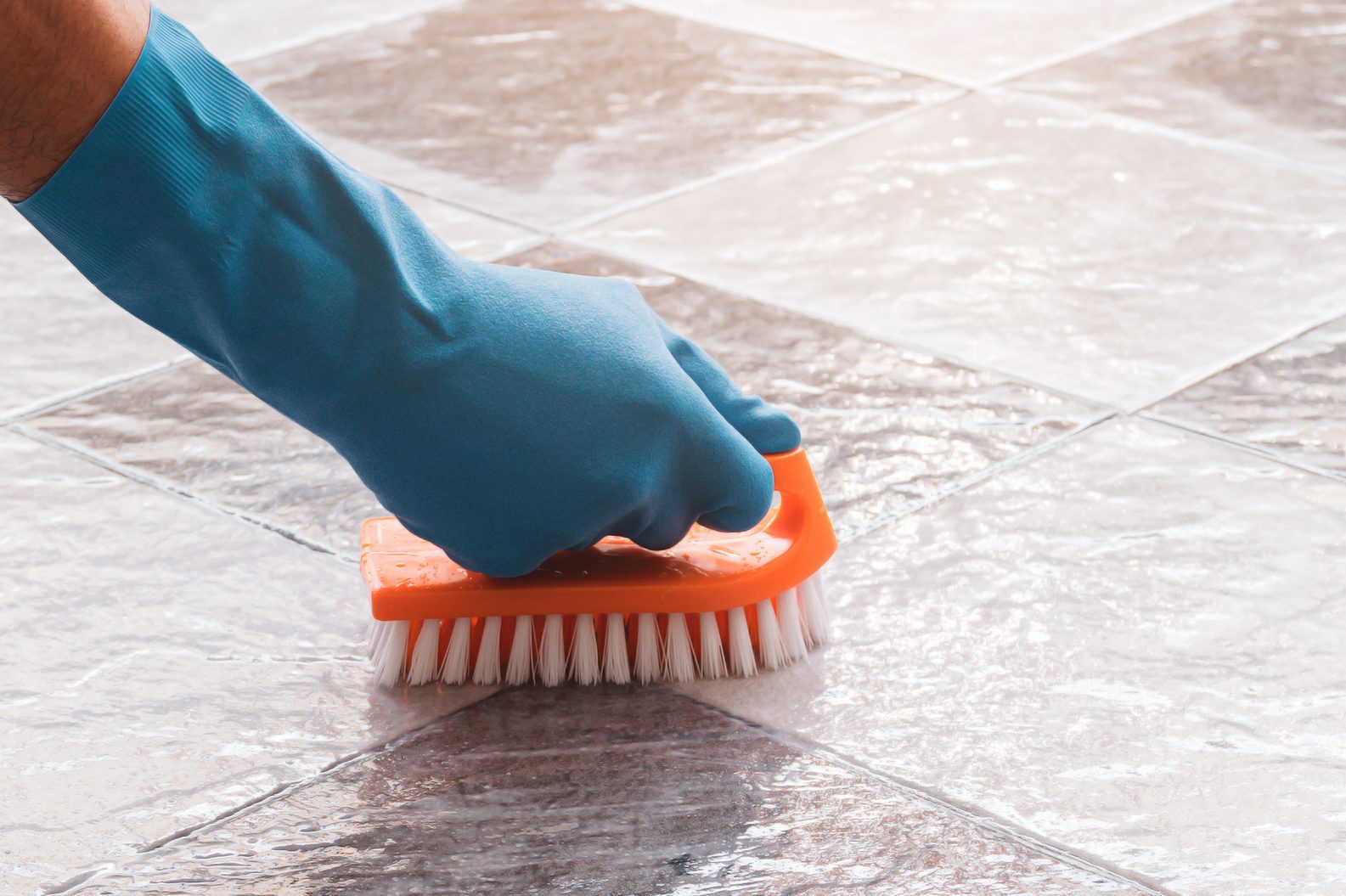
Creating your own cleaning solutions can be both fun and effective. Baking soda and water paste is perfect for spot cleaning. Apply it to the stain, let it sit for a few minutes, and scrub with a soft brush. Another DIY solution involves mixing dish soap with warm water. A few drops of mild dish soap in a bucket of water can lift dirt without leaving a soapy residue. Remember to rinse with clean water to keep your tiles shining. Choosing the right cleaning solution can make a big difference in maintaining your kitchen’s sparkle. Which one will you try first?Tile-specific Cleaning Tips
Tile flooring can dramatically enhance your kitchen’s aesthetic, but maintaining its beauty requires knowing the right cleaning methods. Different tile materials demand specific care to avoid damage and preserve their shine. Here’s how you can effectively clean various types of kitchen floor tiles, ensuring they remain spotless and durable.
Ceramic Tile Care
Ceramic tiles are popular for their durability and ease of maintenance. Regularly sweep or vacuum to remove debris that might scratch the surface. Use a mild detergent mixed with warm water for mopping, ensuring you rinse the tiles thoroughly to prevent soap residue.
Do you often find stubborn stains on your ceramic tiles? A mixture of baking soda and water applied with a soft brush can work wonders. Always dry the tiles with a clean cloth to prevent water spots.
Porcelain Tile Care
Porcelain tiles are dense and less porous than ceramic, making them more resistant to stains. However, they still require gentle cleaning to maintain their finish. Use a solution of vinegar and water for a natural shine that doesn’t leave any streaks.
Have you noticed grout discoloration? A paste of baking soda and water applied to the grout lines can brighten them up. Just remember to rinse and dry the area after cleaning.
Stone Tile Care
Stone tiles, such as marble or granite, add elegance but can be sensitive to acidic cleaners. Opt for a pH-neutral cleaner to avoid etching or dulling the stone’s surface. Regular sweeping is essential to avoid scratches from dirt and grit.
Do you worry about sealing your stone tiles? It’s a vital step. Sealing them periodically prevents stains and maintains their natural beauty. Always test any cleaner on a small, inconspicuous area first to ensure it’s safe.
Vinyl Tile Care
Vinyl tiles are loved for their affordability and versatility. They require minimal maintenance but can lose their shine over time. A simple solution of apple cider vinegar and water can restore their luster without leaving a residue.
Do you often face scuffs on your vinyl tiles? A tennis ball can be an effective tool to buff out light marks. Avoid using abrasive cleaners, as they can scratch the surface.
Taking care of your kitchen floor tiles doesn’t have to be a daunting task. By understanding the unique needs of each tile type, you can keep your kitchen looking pristine and welcoming. Which tile cleaning tip will you try first?
Preventive Measures
Use mild soap and warm water for cleaning kitchen floor tiles. This prevents damage and keeps tiles shiny. Regular sweeping removes dirt and debris, maintaining a clean surface.
Preventive Measures are key to maintaining the beauty and longevity of your kitchen floor tiles. Regular maintenance not only keeps your tiles sparkling clean but also helps prevent stubborn stains and scratches. By integrating a few simple habits into your daily routine, you can significantly reduce the time and effort needed for deep cleaning.Regular Sweeping And Vacuuming
Sweeping or vacuuming your kitchen floor tiles daily is a simple yet effective way to prevent dirt and debris from accumulating. Tiny particles can scratch the tile surface over time, dulling their shine. Consider using a soft-bristled broom or a vacuum cleaner with a hard floor setting to gently remove dirt without causing damage.Using Mats And Rugs
Strategically placing mats and rugs in high-traffic areas can dramatically reduce wear and tear on your tile floors. A durable mat at the kitchen entrance can catch dirt and moisture before it spreads. Rugs near the sink or stove can also protect tiles from spills and stains.Quick Spill Cleanup
Address spills immediately to prevent stains from setting into the grout or tile. Keep a microfiber cloth or mop handy to quickly absorb liquids. By acting swiftly, you can avoid the need for harsh chemicals or intensive scrubbing later on. Embracing these preventive measures can make all the difference in keeping your kitchen floor tiles looking fresh and new. Have you tried any of these tips in your kitchen? Share your experiences in the comments below!Maintaining Tile Grout
Cleaning kitchen floor tiles safely involves using mild detergents or a mixture of baking soda and water. Avoid harsh chemicals to protect grout and maintain the tile’s shine. Regular cleaning prevents dirt build-up and keeps the tiles looking fresh.
Maintaining the grout on your kitchen floor tiles is essential for keeping your kitchen looking fresh and clean. Grout, the material that fills the spaces between tiles, can easily collect dirt, stains, and grime, which can detract from the overall appearance of your kitchen. Regular cleaning and maintenance can prevent these issues and ensure your tiles remain vibrant and beautiful. But how do you effectively maintain your tile grout? Let’s explore this further.Importance Of Grout Cleaning
Grout cleaning is not just about aesthetics; it’s also about hygiene. Dirty grout can harbor bacteria and mold, which can affect your kitchen’s cleanliness and your health. Maintaining clean grout helps prevent these issues and keeps your kitchen safe. Consider this: Have you ever noticed a strange odor coming from your kitchen, even after cleaning? It might be the grout. Regular cleaning can eliminate these unwanted smells and keep your kitchen smelling fresh.Best Grout Cleaners
Choosing the right grout cleaner can make a world of difference. Look for cleaners specifically designed for grout, as they are formulated to tackle tough stains without damaging the tiles. Some popular options include:- Oxygen bleach: This is a powerful cleaner that can break down stubborn stains.
- Baking soda and vinegar: A natural option that can effectively clean grout without harsh chemicals.
- Commercial grout cleaners: These are designed to target grout stains and often come with easy-to-use applicators.
Grout Sealing Tips
After cleaning, sealing your grout is crucial to protect it from future stains and moisture. A good sealant can prolong the life of your grout and keep your kitchen looking pristine. Here are some tips for effective grout sealing:- Clean your grout thoroughly before applying the sealant. Any dirt left behind can be trapped under the seal.
- Choose a quality sealant that suits your tile type. Some sealants are better for certain materials.
- Apply the sealant evenly and allow it to dry completely before using the kitchen again.
Expert Recommendations
Cleaning kitchen floor tiles can be challenging. Experts offer valuable advice to ensure safety and effectiveness. Their recommendations focus on tools, cleaning frequency, and professional help.
Choosing The Right Tools
Use a soft-bristle broom or vacuum for loose dirt. Avoid abrasive tools that can scratch tiles. Select a mop with a microfiber head. It traps dirt without leaving residue. Mild detergents or specialized tile cleaners are best. Avoid harsh chemicals that damage tiles and grout.
Frequency Of Cleaning
Regular cleaning prevents dirt buildup. Sweep or vacuum daily to remove debris. Mop tiles weekly for deeper cleaning. Adjust frequency based on foot traffic. High-traffic kitchens may need more frequent cleaning. Regular care maintains tile appearance and longevity.
Hiring Professional Services
Consider professional cleaning for stubborn stains or heavy dirt. Professionals use specialized equipment and products. They ensure thorough cleaning without damaging tiles. Professional services can extend tile life and enhance appearance. Schedule professional cleaning periodically for best results.
Credit: www.tasteofhome.com
:max_bytes(150000):strip_icc()/spr-stardrops-the-pink-stuff-marisa-viglione-08-f6d92394a1cf490c932fe891704520cd.jpeg)
Credit: www.thespruce.com
Frequently Asked Questions
What Products Are Safe For Kitchen Tiles?
Mild dish soap, vinegar, and baking soda are safe for kitchen tiles. These natural cleaners effectively remove dirt without causing damage. Avoid harsh chemicals like bleach, which can erode tile surfaces. Always test cleaners on a small area first to ensure they don’t discolor or damage your tiles.
How Often Should I Clean Kitchen Floor Tiles?
Clean kitchen floor tiles at least once a week to maintain hygiene. Spills should be cleaned immediately to prevent stains. Regular cleaning prevents grime buildup, keeping your kitchen looking fresh and ensuring a safe cooking environment. Adjust cleaning frequency based on kitchen traffic and personal preferences.
Can Vinegar Damage Kitchen Floor Tiles?
Vinegar is generally safe for most kitchen floor tiles. However, it can damage natural stone tiles like marble. Its acidic nature can erode the stone over time. For other tile types, dilute vinegar with water for safe cleaning. Always test on a small area first.
Are Steam Mops Safe For Tile Floors?
Steam mops are safe for ceramic and porcelain tiles but not for natural stone. They effectively sanitize and remove dirt without chemicals. Avoid using steam mops on unsealed tiles or grout, as excessive moisture can cause damage. Always check the manufacturer’s instructions for your specific tile type.
Conclusion
Keeping your kitchen floor tile clean is simple with safe methods. Choose gentle cleaners to avoid damage. Natural options like vinegar and baking soda work well. Use a soft mop or cloth to prevent scratches. Regular cleaning keeps tiles looking fresh.
Test new products on a small area first. Ensure the cleaner is suitable for your tile type. Cleaning habits keep tiles bright and long-lasting. Enjoy a clean kitchen that feels welcoming. Remember, consistent care makes all the difference. Follow these tips for a spotless kitchen floor.
Your kitchen deserves the best care.