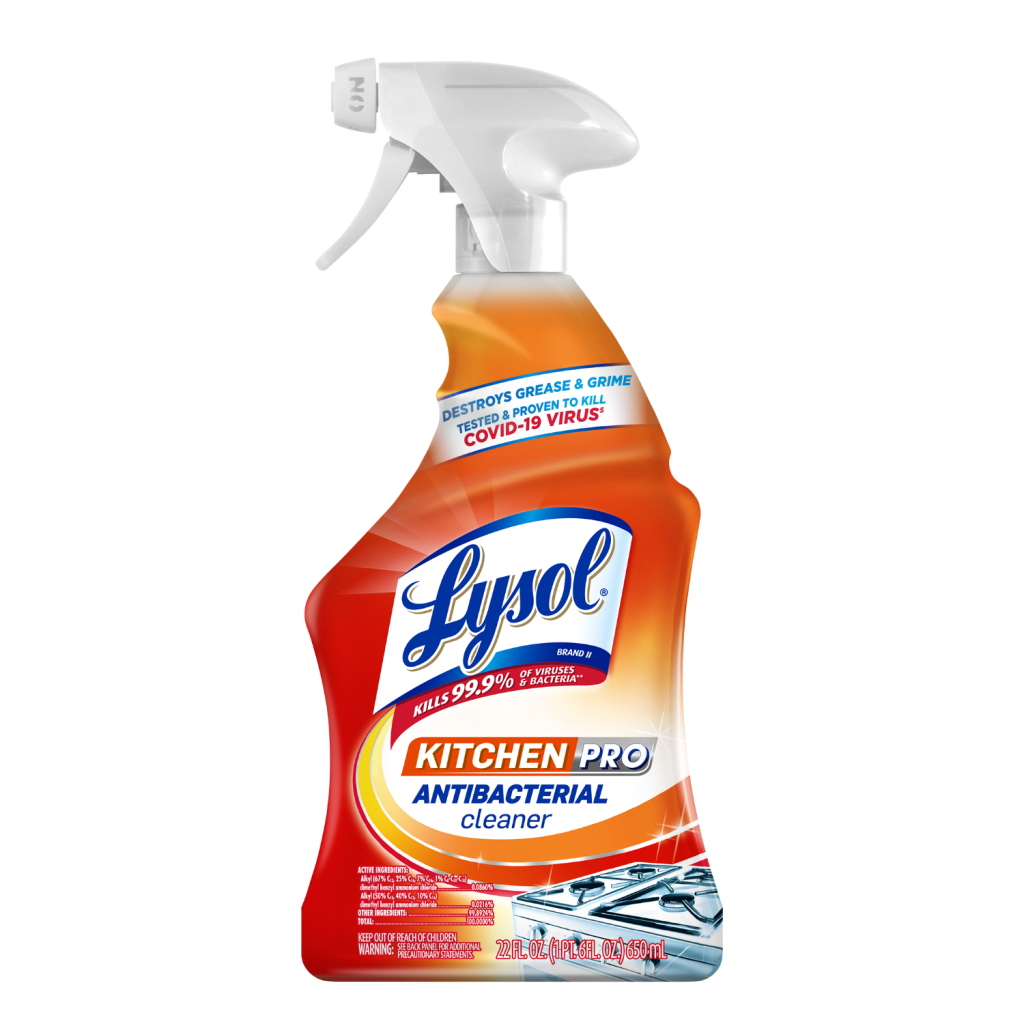
Have you ever rummaged through your cleaning supplies, only to find an old bottle of Lysol Antibacterial Kitchen Cleaner lurking at the back of your cupboard? It’s a common scenario, and it might leave you wondering: Does Lysol Antibacterial Kitchen Cleaner expire?
This question might seem trivial at first, but the answer holds significant importance for maintaining a clean and safe kitchen environment. Imagine confidently wiping down your countertops, believing you’re eliminating germs, only to discover that your cleaner might not be as effective as you thought.
This article will unravel the mystery behind the expiration of your Lysol cleaner, ensuring you’re well-informed and empowered to make the best decisions for your home’s hygiene. Prepare to be surprised by what you discover, and make sure you stay till the end to learn crucial tips about maximizing the effectiveness of your cleaning routine.
Shelf Life Of Lysol Antibacterial Kitchen Cleaner
Lysol Antibacterial Kitchen Cleaner does have an expiration date. Over time, its effectiveness can diminish, making it less potent. It’s important to check the packaging for the expiration date to ensure optimal cleaning results.
The shelf life of cleaning products often raises questions. People want to know if their antibacterial cleaners are still effective. Understanding the shelf life of Lysol Antibacterial Kitchen Cleaner can help maintain a clean and healthy home. This cleaner is trusted for its ability to kill germs. But knowing its expiration date ensures its effectiveness. Let’s explore how long Lysol Antibacterial Kitchen Cleaner lasts.Understanding Expiration Dates
Expiration dates indicate how long the product remains effective. Lysol products usually have a recommended shelf life of two years. After this period, the cleaner may lose its potency. Always check the packaging for the specific expiration date.Storage Conditions Matter
Proper storage can affect the cleaner’s longevity. Store the bottle in a cool, dry place. Avoid direct sunlight and extreme temperatures. This helps maintain the product’s effectiveness over time.Signs Of Expired Cleaner
An expired cleaner may show certain signs. Changes in color or smell can indicate reduced effectiveness. If the cleaner appears cloudy or has separated, it might be expired. These are signs to replace it with a fresh bottle.Safety Considerations
Using expired cleaners might not be safe. They may not kill bacteria effectively. This can lead to an unclean kitchen environment. Always use a cleaner within its effective date range for best results.Conclusion On Usage
Check your Lysol cleaner regularly. Ensure it is within its shelf life. This ensures your kitchen remains clean and germ-free. Always follow storage guidelines for optimal performance.
Credit: www.amazon.in
Active Ingredients And Their Stability
Lysol Antibacterial Kitchen Cleaner can expire. Over time, active ingredients lose effectiveness. Check the product’s expiration date for best results.
Active ingredients in Lysol Antibacterial Kitchen Cleaner play a crucial role in its effectiveness. Understanding their stability can help you decide if a bottle past its prime is still worth using. These ingredients are the backbone of the cleaner, ensuring it tackles germs effectively. However, like many chemical compounds, their potency can diminish over time.Key Active Ingredients In Lysol Antibacterial Kitchen Cleaner
Lysol’s formula typically includes several active ingredients known for their germ-killing properties. Quaternary ammonium compounds are common, acting as powerful disinfectants. These compounds are designed to break down bacteria and viruses, making your kitchen surfaces safe. Another key ingredient is ethanol. Ethanol serves as both a disinfectant and a solvent, ensuring other ingredients mix well. It’s also effective against a range of microorganisms, adding an extra layer of protection.Understanding The Stability Of Active Ingredients
Active ingredients like quaternary ammonium compounds and ethanol are stable under normal conditions. However, exposure to air and light can degrade them over time. This degradation can reduce their effectiveness, meaning they might not kill germs as effectively. Temperature fluctuations also play a role. Extreme heat or cold can further compromise these ingredients, altering their chemical structure. This change might make the cleaner less efficient at sanitizing surfaces.Does Expiration Impact Their Effectiveness?
While the cleaner may not spoil like food, expiration affects its efficiency. With time, active ingredients lose their strength, diminishing the product’s ability to sanitize effectively. This can leave surfaces vulnerable to bacteria and viruses. So, what should you do with an expired bottle? Consider testing it on a small area first. If it still cleans effectively, you might get some use out of it. However, investing in a new bottle ensures you’re getting the full protective benefits. Have you ever wondered if using an expired cleaner is worth the risk? If the cleaner’s effectiveness is compromised, your surfaces might not be as clean as you think. Would you prefer the peace of mind that comes with a fresh product?Signs Of Expiration
Lysol Antibacterial Kitchen Cleaner does expire. Check for changes in smell, color, or effectiveness. These signs indicate it’s time for a replacement.
Noticing when your Lysol Antibacterial Kitchen Cleaner has expired can save you from ineffective cleaning sessions. While it might be tempting to keep using it, expired cleaner may not do its job, leaving germs behind. But how can you tell when it’s time to replace it?Change In Smell
A fresh bottle of Lysol cleaner has a distinct, crisp scent. If you notice a dull or off-putting odor, it might be a sign that the cleaner has passed its prime. Trust your nose; it’s a simple way to detect expiration.Altered Color
Another noticeable sign is a change in color. Fresh Lysol should have a consistent hue. If you see any discoloration or separation of ingredients, this indicates chemical breakdown.Reduced Effectiveness
Have you noticed the surfaces aren’t as clean as they used to be, even after a thorough scrub? If your kitchen surfaces still feel sticky or look dull, your cleaner might have lost its potency. This is a clear indicator that it’s time for a new bottle.Unusual Texture
The texture of Lysol cleaner is generally smooth. If it feels gritty or thicker than usual, it’s likely expired. Such changes mean the cleaner’s ingredients have started to deteriorate.Check The Expiry Date
Lastly, a straightforward way is to check the expiry date on the bottle. Although it sounds obvious, it’s often overlooked. Make it a habit to glance at the date before each use. Have you ever ignored these signs and continued using an old cleaner? It might be time to rethink that approach for a truly spotless kitchen.Impact Of Expired Cleaner On Effectiveness
Expired Lysol Antibacterial Kitchen Cleaner may lose its effectiveness over time. Using it past the expiration date can reduce its ability to kill germs and clean surfaces efficiently. Always check the label for the expiry date to ensure optimal performance.
The effectiveness of cleaning products can diminish over time. Lysol Antibacterial Kitchen Cleaner is no exception. An expired cleaner may not perform as well. This can compromise your cleaning routine. Understanding the impact of expiration is crucial.Loss Of Antibacterial Properties
Expired cleaners may lose their antibacterial strength. This means they might not kill germs effectively. It could lead to the spread of bacteria. A fresher product ensures better hygiene.Changes In Chemical Composition
Over time, the chemicals in cleaners can break down. This alters their effectiveness. The cleaner might not remove stains or grease well. Always check the expiration date to maintain cleaning efficiency.Potential For Unpleasant Odors
Expired cleaners may develop unpleasant smells. This can make your kitchen smell bad. Fresh cleaners usually have a pleasant scent. Using them improves the overall atmosphere.Risk Of Surface Damage
Old cleaners might become too harsh. They could damage surfaces instead of cleaning them. This risk is higher with expired products. Always use within the recommended time.Reduced Cleaning Performance
An expired cleaner may not clean as thoroughly. Dirt and grime might remain on surfaces. Ensure peak cleaning performance with a valid cleaner. Regular checks can help maintain a clean kitchen.Proper Storage For Longevity
Proper storage can help Lysol Antibacterial Kitchen Cleaner last longer. This cleaner has a shelf life of about two years. After that, its effectiveness might decrease.
Proper storage is key to ensuring the longevity of your Lysol Antibacterial Kitchen Cleaner. By keeping it stored correctly, you can maximize its effectiveness and ensure it remains safe for use. Whether you’re a seasoned home organizer or just starting out, understanding these storage tips can make all the difference in preserving the quality of your cleaning products.Understanding Expiration Dates
Cleaning products like Lysol come with expiration dates for a reason. Pay attention to these dates as they indicate the period during which the product is most effective. It’s not just about preserving quality; using expired cleaners might not guarantee the antibacterial action you’re relying on for a clean kitchen.Ideal Storage Locations
The location where you store your Lysol cleaner plays a significant role in its longevity. Choose a cool, dry place, away from direct sunlight. Excessive heat or moisture can degrade the product, reducing its potency. Think about storing it in a cupboard under the sink or a pantry shelf away from appliances that emit heat.Sealing And Container Integrity
Ensure the bottle is tightly sealed after every use. A loose cap can lead to evaporation, altering the chemical composition. Regularly check the integrity of the container—any cracks or leaks could expose the cleaner to air and moisture, diminishing its effectiveness.Organizing For Easy Access
Have you ever wasted time searching for cleaning supplies? Keep your Lysol cleaner within easy reach but organized neatly. Use baskets or bins to keep your cleaning products orderly. This not only helps in quick access but also prevents accidental spills or falls that might compromise the product’s quality.Periodic Inventory Checks
Conduct regular checks of your cleaning supplies. This practice helps you identify products nearing expiration or damage. Keeping track of your inventory ensures you’re always using the best products for your home, maintaining a clean and safe environment.Safety Precautions
Proper storage isn’t just about longevity—it’s also about safety. Store your Lysol cleaner out of reach of children and pets. Consider using childproof locks if necessary. Keeping safety in mind while storing your cleaning products can prevent accidents and ensure everyone in your home stays safe. Are you storing your cleaners correctly? Proper storage not only extends the life of your Lysol Antibacterial Kitchen Cleaner but also keeps your kitchen hygienic. Take these steps to ensure you’re getting the most out of your cleaning products.
Credit: www.amazon.in
Safety Concerns With Expired Products
Expired cleaning products pose several safety concerns. Lysol Antibacterial Kitchen Cleaner is no exception. Over time, the effectiveness of the cleaner may diminish. This can lead to incomplete cleaning. Harmful bacteria may remain on surfaces. Using expired products can also cause skin irritation. It’s essential to understand these risks for household safety.
Reduced Antibacterial Effectiveness
Expired Lysol cleaner may not kill bacteria effectively. This can leave germs on kitchen surfaces. A clean appearance does not guarantee safety. The risk of infection increases with ineffective cleaning.
Skin Irritation Risks
Expired cleaners can change in composition. This may lead to skin irritation or allergic reactions. Handling such products without gloves can cause discomfort. It’s wise to check the expiration date before use.
Unpleasant Odors
Over time, expired cleaners can develop unpleasant odors. These smells can be strong and unpleasant in your kitchen. Using fresh products avoids this issue.
Proper Disposal Of Expired Products
Dispose of expired cleaners responsibly. Avoid pouring them down the drain. This can harm the environment. Check local guidelines for safe disposal methods. Proper disposal keeps your household and environment safe.
Alternatives To Expired Cleaners
Lysol Antibacterial Kitchen Cleaner can lose effectiveness over time. Check the expiration date on the bottle. Consider natural alternatives like vinegar and baking soda for cleaning.
Finding alternatives to expired cleaners is crucial to maintaining a safe and hygienic home. If you’ve discovered that your Lysol Antibacterial Kitchen Cleaner is past its prime, don’t worry—there are plenty of effective substitutes you can use. Let’s explore some practical options to keep your kitchen sparkling clean.Diy Vinegar And Baking Soda Solution
Mixing vinegar and baking soda can create a powerful cleaning agent. Simply combine equal parts of white vinegar and water in a spray bottle. Add a teaspoon of baking soda for extra cleaning power. This mixture is excellent for breaking down grease and eliminating odors.Lemon Juice And Salt Scrub
Harness the natural acidity of lemon juice to tackle stubborn stains. Cut a lemon in half and sprinkle salt on the cut side. Use it to scrub surfaces like countertops and cutting boards. Not only will this leave a fresh scent, but it also acts as an antibacterial scrub.Hydrogen Peroxide Spray
Hydrogen peroxide is a great alternative for disinfecting surfaces. Pour it into a spray bottle and apply it directly to areas you want to sanitize. Let it sit for a few minutes before wiping with a clean cloth. It’s a safe and non-toxic option for your kitchen.Soap And Water
Never underestimate the power of good old soap and water. Use a mild dish soap mixed with warm water to clean surfaces. It’s simple, effective, and perfect for daily cleaning routines.Essential Oil Blends
Create your own aromatic cleaner by adding a few drops of essential oils to water. Oils like tea tree, lavender, or eucalyptus have natural antibacterial properties. They also add a pleasant fragrance, making your kitchen smell inviting. Would you consider trying these natural alternatives in your cleaning routine? They might just surprise you with their effectiveness and simplicity.
Credit: www.lysol.com
Frequently Asked Questions
Does Lysol Kitchen Cleaner Have An Expiration Date?
Yes, Lysol Antibacterial Kitchen Cleaner does expire. Typically, it has a shelf life of about two years. After expiration, its effectiveness in killing bacteria may decrease. Always check the packaging for the expiration date to ensure optimal cleaning performance.
Can Expired Lysol Cleaner Still Kill Germs?
Expired Lysol cleaner may lose its potency in killing germs. While it might still clean surfaces, its antibacterial properties could be compromised. For best results, use a product within its recommended shelf life.
How Do I Find The Expiration Date On Lysol?
The expiration date is usually printed on the bottle or packaging. Look for a series of numbers indicating the date. It’s often located near the barcode or at the bottom of the bottle.
Is It Safe To Use Expired Lysol Cleaner?
Using expired Lysol cleaner is generally not recommended. Its effectiveness may be reduced, potentially leaving bacteria behind. For safety and effectiveness, it’s best to use products within their expiration date.
Conclusion
Lysol Antibacterial Kitchen Cleaner does have an expiration date. Check the label for details. Using expired cleaner might reduce its effectiveness. This could lead to less germ protection. Always store the cleaner properly. Keep it in a cool, dry place.
Replace expired products promptly. This ensures your kitchen stays clean and safe. Regularly check your cleaning supplies. It’s crucial for maintaining a healthy home. By doing so, you ensure your family’s well-being. Safe cleaning habits keep your kitchen spotless and germ-free.
Remember, a little attention goes a long way in hygiene.