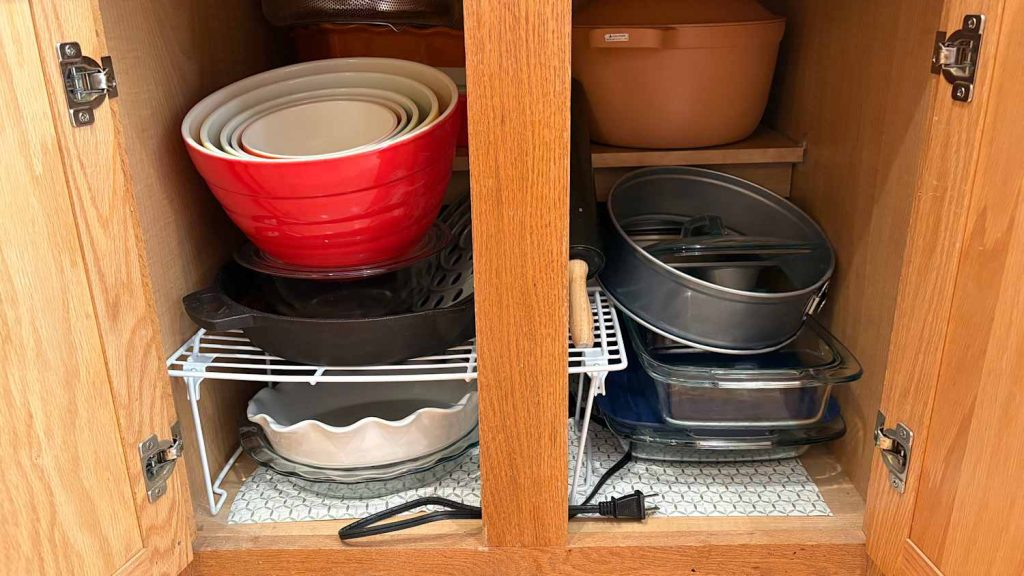
Do you often find yourself rummaging through cluttered cabinets, struggling to find what you need in your apartment kitchen? If so, you’re not alone.
Many people face the challenge of organizing a small kitchen space efficiently. But don’t worry—there’s hope for creating a neat, functional kitchen that makes cooking enjoyable and stress-free. Imagine opening your cabinets to find everything in its place, easily accessible, and visually appealing.
Sounds great, right? With the right strategies and a little creativity, you can transform your chaotic kitchen into a well-organized haven. Dive into this guide to discover actionable tips and tricks that will help you optimize your space, reduce clutter, and create a kitchen that’s both practical and inviting. Your dream kitchen is just a few steps away!

Credit: food52.com
Assessing Kitchen Space
Assessing kitchen space helps in organizing an apartment kitchen efficiently. Identify storage needs and prioritize essential items. Consider vertical storage solutions and use clear containers to maximize space.
Assessing kitchen space is the cornerstone of organizing an apartment kitchen effectively. Knowing what you have to work with helps you make informed decisions on how to optimize every nook and cranny. Whether you’re dealing with a compact studio or a more spacious layout, understanding your kitchen’s potential can transform chaos into a culinary haven.Evaluate Your Current Layout
Start by taking a good look at your kitchen’s current setup. Identify areas that feel cramped or underutilized. Are there shelves that could be rearranged for better access? Sometimes, just moving a few items can dramatically change your kitchen flow.Measure Your Space
Grab a tape measure and jot down the dimensions of your kitchen. Knowing the exact size of your counters, cabinets, and floor space is crucial. This information will guide you when buying storage solutions or rearranging furniture.Identify Pain Points
Think about what frustrates you in your kitchen. Is it hard to find the spices, or are pots and pans always in the way? Recognizing these pain points can help you prioritize which areas need the most attention.Analyze Storage Needs
Consider what you need to store and how often you use these items. Do you have bulky appliances that take up too much counter space? Maybe you have seasonal items that could be moved to less accessible spots. Prioritize everyday items for easy access.Consider Traffic Flow
Observe how you move around your kitchen. Is there a natural path from the fridge to the stove to the sink? Optimizing this flow can make cooking more efficient and enjoyable. You might be surprised how small adjustments can lead to big improvements.Explore Vertical Space
Look up! Often, we forget about the potential of vertical space. Wall-mounted racks or hanging baskets can add a whole new dimension to your storage options. This can free up counter space and make your kitchen feel more open.Take Inventory
List all the items currently in your kitchen. Be honest about what you use regularly and what’s just collecting dust. This exercise can highlight unnecessary clutter and help you decide what to keep, donate, or store elsewhere.Engage In Creative Thinking
Challenge yourself to see your kitchen differently. Could a bookshelf double as a pantry? Maybe a foldable table could add dining space without permanent commitment. Being open to unconventional solutions can lead to a more personalized and functional kitchen space. By assessing your kitchen space with these practical steps, you pave the way for a more organized and efficient cooking environment. What will you discover about your kitchen today?Decluttering Essentials
Maximize space with vertical storage for pots and pans. Group similar items together. Clear countertops of clutter for easy access.
Decluttering your apartment kitchen can make cooking more enjoyable. A tidy space helps you find items easily and reduces stress. Follow these essential steps to create a clutter-free kitchen.Assess Your Kitchen Items
Examine each item and decide if it’s needed. Keep only items you use regularly. Consider donating or recycling things you no longer need.Sort And Categorize
Group similar items together. Sort dishes, utensils, and appliances in separate areas. Use containers and bins to keep categories organized.Optimize Storage Spaces
Maximize storage by using shelves and racks. Install hooks to hang pots and pans. Use cabinet organizers to utilize vertical space.Clear Countertops
Keep countertops free from clutter. Store small appliances in cabinets. Display only decorative items or essentials.Regular Maintenance
Schedule regular checks to maintain organization. Clean and declutter monthly to keep your kitchen tidy. Adjust storage solutions as needed.Optimal Storage Solutions
Finding optimal storage solutions in your apartment kitchen is essential to maximize space and maintain order. Have you ever spent more time searching for a specific spice than cooking? Efficient storage can transform your kitchen experience. Let’s explore some practical strategies to organize your culinary haven.
Utilizing Vertical Space
Vertical space is often the most overlooked area in kitchens. Consider installing shelves above countertops to store lesser-used items like seasonal dishware. A pegboard on an empty wall can hold pots, pans, and utensils, freeing up precious cabinet space. Even the back of a door can become a storage haven with hooks for aprons and oven mitts.
Drawer Organizers
Drawers can quickly become chaotic without proper organization. Use adjustable dividers to create compartments for different types of utensils. This will save you time and frustration when searching for that elusive whisk. A simple tray can keep your spices neatly arranged, allowing you to grab exactly what you need in seconds.
Cabinet Innovations
Cabinets can offer more than just basic shelving. Try pull-out shelves for easy access to items at the back. Lazy Susans can make corners more functional, rotating to reveal hidden ingredients. Consider adding tension rods to create makeshift dividers for baking sheets and cutting boards.
By applying these strategies, you can create a kitchen that not only looks tidy but also functions efficiently. What’s your favorite storage hack that transformed your cooking space?
Efficient Layout Design
Efficient layout design in an apartment kitchen maximizes space and functionality. Organize essentials within easy reach to streamline cooking. Utilize vertical storage solutions to keep countertops clear and enhance accessibility.
Efficient layout design in a kitchen maximizes space and functionality. The goal is to create a space where cooking feels effortless. An organized kitchen saves time and reduces stress. It also enhances the cooking experience by minimizing clutter. Let’s explore two essential techniques for an efficient kitchen layout.Triangle Workflow
The triangle workflow is a classic design principle. It connects the stove, fridge, and sink. These three points form a triangle in the kitchen. This layout reduces unnecessary movement while cooking. Keep pathways clear to enhance this workflow. It ensures smooth transitions between tasks. Arrange your tools near these key areas for easy access.Zoning Techniques
Zoning techniques divide the kitchen into specific areas. Each zone serves a unique purpose. Create a prep zone near the sink for washing vegetables. Set up a cooking zone around the stove. This keeps essential utensils within reach. Design a storage zone for pots and pans. Place frequently used items at eye level. These zones keep the kitchen organized and efficient.Smart Appliance Arrangement
Efficiently organize your apartment kitchen by placing frequently used appliances within easy reach. Group similar items together to save space. Keep countertops clutter-free by storing less-used gadgets in cabinets.
Organizing an apartment kitchen can feel like a puzzle. A smart appliance arrangement makes the space functional and welcoming. Properly placed appliances save time and reduce clutter. Let’s explore how to arrange your kitchen for efficiency.Countertop Appliances
Countertop appliances are essential in most kitchens. To maximize space, group similar items together. Keep frequently used appliances within easy reach. This includes the toaster, coffee maker, and blender. Store them near outlets to avoid tangled cords. Use trays or stands to contain multiple items. This keeps your counters looking neat.Built-in Options
Built-in appliances offer a sleek look. Consider installing a microwave above the stove. This saves counter space and integrates well with the kitchen layout. Built-in ovens and dishwashers enhance efficiency. They reduce clutter and create a cohesive design. Plan their placement during kitchen renovations for best results. Built-in options increase storage and improve organization.
Credit: www.instagram.com
Pantry Organization
Efficiently organize an apartment kitchen by categorizing pantry items. Use clear containers to store similar goods together. Label shelves for quick access and maintain a tidy space.
Organizing your pantry is a game-changer for any apartment kitchen. It’s not just about stacking cans or lining up jars; it’s about creating a system that works for you. Imagine opening your pantry and finding everything you need at a glance. A well-organized pantry saves time, reduces waste, and makes cooking more enjoyable. Let’s dive into how you can achieve this with effective pantry organization strategies.Categorizing Ingredients
Start by sorting your pantry items into categories. This simple step can transform chaos into order. Group similar items together: grains, canned goods, spices, and baking essentials. An easy trick is to store frequently used items at eye level. It ensures that your everyday staples are accessible, while less-used items can reside on lower shelves. Consider grouping items based on meal type. For instance, breakfast ingredients in one section and dinner essentials in another. It’s all about making the pantry work for your lifestyle.Labeling Systems
Labels are your best friend in pantry organization. They help you quickly identify items without the guesswork. Use clear, legible labels for jars and containers. You can choose from adhesive labels, chalkboard labels, or even DIY options like masking tape and a marker. Don’t forget to label shelves too. A shelf labeled “Snacks” or “Pasta” can guide everyone in the household to maintain the system you’ve set up. Creating a labeling system is not just practical; it’s also a fun way to add personality to your kitchen. Have you ever thought about using a color-coded system? It could make your pantry visually appealing and easier to navigate. By categorizing and labeling, you’re setting the stage for a pantry that truly works for you. So, what’s stopping you from giving your pantry a makeover today?Maintaining Order
Organize an apartment kitchen by using shelves for easy access and grouping similar items together. Label jars and containers to keep track of contents and expiration dates. Utilize vertical storage spaces to maximize efficiency and maintain order.
Maintaining order in your apartment kitchen can transform it from a chaotic space into a haven of efficiency and calm. A well-organized kitchen not only makes cooking more enjoyable but also saves time and reduces stress. By implementing a few simple habits, you can keep your kitchen running smoothly every day.Daily Cleaning Habits
Start with the basics. Clean as you cook to prevent clutter from piling up. Wipe down counters, wash dishes, and put away ingredients immediately after use. Set aside a few minutes each evening to tidy up. Sweep the floor, take out the trash, and clear any lingering clutter. This ensures you wake up to a fresh and inviting kitchen. Consider creating a cleaning checklist. This can help you stay on track and ensure nothing gets overlooked. Make it a routine, and soon it will become second nature.Regular Inventory Checks
Keep tabs on your pantry and fridge contents. Regularly check for expired items and make note of what’s running low. This prevents overbuying and reduces food waste. Create a simple inventory list. Use a whiteboard or an app to track what you have. Update it whenever you restock or finish an item. Plan meals around what you already own. This not only saves money but also ensures your kitchen stays organized and clutter-free. How often do you find forgotten ingredients at the back of a shelf? A regular check can help you avoid this. By incorporating these habits, you create a kitchen environment that’s not just organized but also welcoming and functional. Ready to see the difference a little order can make?Decor And Aesthetics
Organize your apartment kitchen by maximizing space with vertical storage solutions. Use clear containers for easy access to ingredients. Arrange utensils and cookware efficiently to create a clutter-free environment.
Decor and Aesthetics in your apartment kitchen can make a significant difference in how you feel while cooking or dining. A well-decorated kitchen isn’t just about looks; it’s about creating a space that inspires you and meets your functional needs. Let’s explore how color coordination and lighting choices can transform your kitchen into a place you love spending time in.Color Coordination
Choosing the right colors for your kitchen can set the tone for the entire space. Start by considering the colors of your walls, cabinets, and countertops. Do they complement each other, or do they clash? If you’re working with a small kitchen, lighter colors can create an illusion of more space. Think soft whites, light grays, or pale blues. These colors can also make your kitchen feel more open and airy. Adding pops of color through accessories like dish towels, utensils, or even a vase of fresh flowers can add personality without overwhelming the space. Consider what colors make you feel happy and energized, and incorporate them strategically.Lighting Choices
Lighting plays a crucial role in both functionality and aesthetics. The right lighting can make meal prep easier and highlight the beauty of your kitchen decor. Overhead lighting is essential, but don’t forget about task lighting for areas where you do most of your chopping and mixing. Under-cabinet lights can be a game-changer, providing focused illumination where you need it most. Consider the ambiance you want to create. Warm lighting can make your kitchen feel cozy, while cooler lighting can give it a modern edge. Have you ever noticed how your mood shifts with different lighting? Mixing different types of lighting can provide both functionality and a touch of elegance. Think about pendant lights over a kitchen island or a statement chandelier that catches the eye. By paying attention to color coordination and lighting choices, you can create a kitchen that not only looks great but also feels welcoming and functional. What small changes can you make today to enhance your kitchen’s decor and aesthetics?
Credit: www.tiktok.com
Frequently Asked Questions
How Do I Maximize Small Kitchen Space?
To maximize small kitchen space, use vertical storage solutions like shelves and racks. Opt for multi-functional furniture, such as a foldable table. Organize items by frequency of use, keeping essentials easily accessible. Utilize drawer organizers and clear containers for better visibility and organization.
What Are Essential Kitchen Organization Tools?
Essential kitchen organization tools include shelf risers, drawer dividers, and magnetic knife strips. Use lazy Susans for corner cabinets, and invest in clear storage bins. Labeling containers can streamline organization, making it easier to find and return items. These tools help maintain a clutter-free and efficient kitchen.
How To Organize Kitchen Cabinets Effectively?
To organize kitchen cabinets effectively, categorize items by function, and keep frequently used items within reach. Use stackable containers for better space utilization. Install pull-out shelves for easy access, and utilize cabinet doors with hooks or racks for additional storage.
Regularly declutter to maintain organization.
What Are Tips For A Clutter-free Kitchen?
For a clutter-free kitchen, regularly declutter and donate unused items. Store appliances you rarely use in cabinets. Keep countertops clear, only displaying daily essentials. Use organizers for utensils and spices, and label storage containers. A systematic approach ensures a tidy and functional kitchen space.
Conclusion
Organizing your kitchen makes life easier and more enjoyable. Start with decluttering. Clear counters create space and peace. Sort items by use and frequency. Store often-used tools within reach. Use clear bins for smaller items. Label everything for easy finding.
Shelves and hooks utilize wall space. Keep your kitchen clean and tidy. A neat kitchen saves time and reduces stress. Remember, every small effort counts. Enjoy cooking in your organized kitchen. Happy organizing!