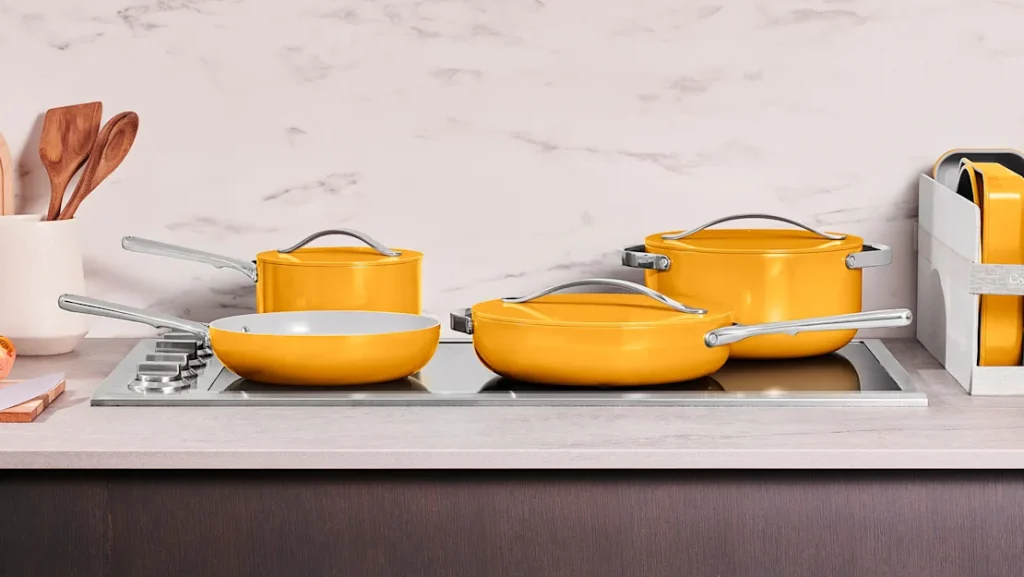
Are you considering upgrading your kitchen with an induction cooktop but worried about your ceramic cookware collection? You’re not alone.
Many people are unsure whether ceramic cookware can be used on induction surfaces. This question has left countless home cooks puzzled, and it might be holding you back from making the switch to induction cooking. Imagine the peace of mind knowing that you can retain the beauty and functionality of your ceramic pots and pans while enjoying the benefits of an induction cooktop.
Dive into this article and discover the possibilities that await your culinary adventures. You’ll learn everything you need to know about using ceramic cookware on induction cooktops, ensuring you make the right decision for your kitchen setup.

Credit: linarie.com.au
Ceramic Cookware Basics
Ceramic cookware is popular for its non-stick properties and elegant look. It’s made of clay that is hardened and glazed. This type of cookware is known for distributing heat evenly. But can it be used on induction cooktops? Understanding the basics helps.
Composition And Design
Ceramic cookware is crafted from natural clay materials. It undergoes a firing process to strengthen it. The glaze gives it a smooth finish. This coating is typically free from harmful chemicals. Designs vary widely, from simple to ornate. Many pieces have colorful exteriors and polished surfaces.
Benefits Of Ceramic Cookware
Ceramic cookware offers several advantages. It is non-stick without harmful chemicals. Food slides off easily, making cleaning simple. It’s also versatile, suitable for many cooking methods. Ceramic retains heat well, ensuring even cooking. It is often lighter than metal cookware. This makes handling easier and safer.
How Induction Cooktops Work
Induction cooktops use electromagnetic fields to heat compatible cookware. Ceramic cookware must have a magnetic base to work effectively. Otherwise, it won’t heat up on induction surfaces.
Induction cooktops have become a staple in modern kitchens, offering a sleek and efficient way to cook. But if you’re new to this technology, understanding how it works can be a bit perplexing. Unlike traditional cooktops that generate heat through flame or electric coils, induction cooktops use electromagnetic energy to heat your cookware directly. This unique method not only speeds up cooking time but also makes your kitchen experience safer and more energy-efficient. So, how does this all come together? Let’s delve deeper into the mechanics behind induction cooktops.Magnetic Field Principle
At the heart of induction cooking lies the magnetic field principle. When you place cookware on the induction surface, it triggers the cooktop to produce a magnetic field. This field interacts with the metal in your pots and pans, generating heat directly within the cookware. It’s like a magic trick but backed by science! The cooktop itself remains cool to the touch. This means if you accidentally place your hand on it, you won’t get burned. But here’s the catch: your cookware must be magnetic, like cast iron or stainless steel, for the induction process to work. Does this mean your ceramic cookware is out of the question? Not necessarily. Some ceramic cookware comes with a magnetic base, making them compatible with induction cooktops. Always check for this feature if you’re considering using ceramic.Efficiency And Speed
Efficiency and speed are two major perks that make induction cooktops stand out. They heat your cookware faster than traditional methods, cutting down on pre-cooking wait times. Imagine boiling water for pasta in just a few minutes or searing a steak in seconds—it’s possible with induction. Moreover, induction cooktops are energy-efficient. Since the heat is generated within the cookware, there’s minimal energy waste. Your kitchen stays cooler, and your energy bills might thank you. But here’s a thought: with all this speed and efficiency, does it change your cooking style? You might find yourself adjusting recipes or experimenting with new techniques to match the swift heating. Embrace the change—it could lead to delightful culinary discoveries!Compatibility Of Ceramic Cookware With Induction
Induction cooktops are a modern kitchen marvel, offering fast and efficient cooking. However, not all cookware is compatible with this technology. If you’re a fan of ceramic cookware, you might wonder whether it can be used on an induction cooktop. Let’s explore the compatibility of ceramic cookware with induction and what you need to know.
Magnetic Material Requirement
Induction cooktops work by generating a magnetic field that heats the cookware directly. This means your cookware needs to have a magnetic base to be compatible. Ceramic cookware, in its pure form, is not magnetic and won’t work with induction.
Some ceramic cookware comes with a metal layer at the base, which can make it compatible. It’s essential to check for this feature when purchasing ceramic pots or pans. If you already own ceramic cookware, test for compatibility before using it on an induction cooktop.
Testing Compatibility
Wondering how to test your ceramic cookware for induction compatibility? It’s simple! Grab a magnet and place it at the base of your cookware. If the magnet sticks, congratulations—your cookware is induction-ready.
If the magnet doesn’t stick, you might need an induction adapter plate. These plates are placed between the cooktop and the cookware, allowing you to use non-magnetic pots and pans. While not ideal, it’s a practical solution if you love your ceramic cookware.
Remember, using non-compatible cookware can damage your induction cooktop. Always test before you cook, ensuring you protect your investment. Have you ever found yourself questioning the compatibility of your cookware? Share your experiences and tips in the comments below!
Alternatives For Non-compatible Cookware
Ceramic cookware isn’t suitable for induction cooktops. Magnetic stainless steel or iron-based cookware works better. Consider using an induction adapter plate for your ceramic pots.
Cooking on an induction cooktop is efficient and precise, but it can be frustrating if you discover your favorite ceramic cookware isn’t compatible. Fortunately, there are alternatives to help you continue using your cherished pots and pans. Whether you’re seeking a quick fix or planning to invest in new kitchen gear, understanding your options can make your cooking experience seamless and enjoyable.Induction Disks
Induction disks are a great solution if you have non-compatible cookware that you can’t bear to part with. These disks are designed to sit between your induction cooktop and your ceramic cookware, acting as a bridge to transfer heat. It’s like giving your cookware a temporary induction-friendly upgrade. Using an induction disk is simple. Just place it on the cooktop, and then set your ceramic pot or pan on top. The disk absorbs the magnetic energy from the induction burner and converts it into heat, which then transfers to your cookware. It’s a practical and cost-effective solution. However, keep in mind that while induction disks allow the use of non-compatible cookware, the heating efficiency may not match that of direct induction-compatible pots and pans. This could mean slightly longer cooking times.Choosing Induction-friendly Cookware
If you’re ready to make a long-term investment, consider upgrading to induction-friendly cookware. Look for cookware made from materials like cast iron, stainless steel, or specially designed induction-ready ceramics. These materials are inherently compatible with induction cooktops, ensuring faster and more efficient cooking. When shopping for new cookware, check for a label or symbol indicating induction compatibility. Many brands now offer stylish and functional designs, so you don’t have to sacrifice aesthetics for practicality. You might wonder if it’s worth the investment. Think about how often you use your cooktop and the benefits of reduced cooking times and energy savings. If cooking is a big part of your daily routine, the ease and efficiency of induction-friendly cookware can be a game-changer. Ultimately, the choice between using an induction disk or upgrading your cookware depends on your needs and preferences. Consider how each option aligns with your cooking habits and kitchen goals.Tips For Using Ceramic Cookware
Using ceramic cookware on an induction cooktop can be a delightful experience, but it requires a few special considerations to ensure optimal performance. Ceramic cookware is known for its sleek design and ability to retain heat, making it a favorite for many home chefs. However, you need to be mindful of certain tips and techniques to get the most out of your cooking experience. Let’s dive into some essential tips for using ceramic cookware effectively on your induction cooktop.
Heat Distribution Techniques
One of the common challenges with ceramic cookware is achieving even heat distribution. Induction cooktops heat up quickly, which can be both a blessing and a curse. To ensure your food cooks evenly, consider using cookware with a flat bottom that covers the induction element completely.
- Try starting with low heat settings before gradually increasing to your desired temperature. This helps prevent hotspots.
- Some ceramic pans come with an induction-compatible base. Check if yours does, as it can significantly improve heat distribution.
- Rotate your pan occasionally during cooking to ensure all sides are evenly heated.
Have you ever noticed uneven cooking with your ceramic pots? This simple adjustment can make a world of difference.
Maintenance And Care
Proper maintenance of ceramic cookware ensures longevity and consistent performance. Despite their sturdy nature, ceramic surfaces can be sensitive to harsh scrubbing and sudden temperature changes.
- Avoid using metal utensils to prevent scratches on the ceramic surface.
- Allow cookware to cool down naturally before washing to prevent thermal shock.
- Use mild dish soap and a soft sponge for cleaning to maintain the glossy finish.
How often do you find yourself rushing to wash dishes right after cooking? Taking a moment to let your cookware cool can save it from unnecessary wear and tear.

Credit: www.nuwavenow.com
Pros And Cons Of Ceramic On Induction
Exploring the use of ceramic cookware on induction cooktops reveals both benefits and downsides. Understanding these can help in making informed kitchen choices. Let’s delve into the pros and cons.
Advantages
- Non-stick surface reduces oil usage.
- Easy to clean due to smooth finish.
- Eco-friendly materials are often used.
- Stylish designs enhance kitchen aesthetics.
- Safe cooking without harmful chemicals.
Drawbacks
- Not all ceramic cookware works on induction.
- May require special induction-compatible base.
- Prone to chipping if dropped.
- Can be less durable than metal options.
- Higher cost compared to other cookware types.
Future Trends In Cookware Technology
Cookware technology is evolving rapidly. New trends are emerging every year. Induction cooktops and ceramic cookware are at the forefront. Let’s explore what the future holds.
Innovations In Induction Cooking
Induction cooking is gaining popularity. It offers fast and efficient heating. New models are more energy-efficient. They include smart features. Voice control and app integration are becoming common. These features make cooking easier. Energy consumption is also reduced. This is great for the environment.
Manufacturers are improving safety too. Automatic shut-off features are standard now. Induction cooktops remain cool to the touch. This reduces burn risks. Compact designs are also trending. They save kitchen space.
Advancements In Ceramic Design
Ceramic cookware is evolving as well. New materials make them more durable. They are less prone to scratches. Advanced coatings prevent food from sticking. Cleaning is easy. New designs are also more heat-resistant. They can handle high temperatures without damage.
Ceramic cookware is becoming more versatile. Some designs work on all cooktops. Including induction. This makes them a popular choice. Lightweight options are also available. They are easier to handle. This is ideal for everyday cooking.

Credit: karinearappliances.com
Frequently Asked Questions
Can Ceramic Cookware Work On Induction Cooktops?
Ceramic cookware typically doesn’t work on induction cooktops. Induction cooktops require cookware with a magnetic base. Ceramic is not naturally magnetic. To use ceramic on induction, it must have a magnetic stainless steel base.
How To Make Ceramic Cookware Induction-friendly?
To make ceramic cookware induction-friendly, use an induction disk. Place the disk between the ceramic pot and the cooktop. This allows the cooktop to heat the disk, which then heats the ceramic cookware.
Is Ceramic Coated Cookware Suitable For Induction?
Ceramic coated cookware can work on induction if it has a magnetic base. The coating itself isn’t magnetic, so check the base material. Always verify with the manufacturer if it’s compatible with induction.
What Are The Alternatives To Ceramic For Induction?
Stainless steel and cast iron are excellent alternatives for induction cooktops. Both materials are magnetic and heat efficiently. They are widely available and often recommended for induction cooking.
Conclusion
Ceramic cookware can work on induction cooktops, but needs special features. Look for a magnetic base or induction-compatible label. Regular ceramic won’t heat on induction. Ensuring compatibility is key for efficient cooking. Induction cooking is fast and energy-saving. It’s important to choose cookware wisely for best results.
Always check product details before buying. This ensures your cooking experience remains enjoyable and hassle-free. With the right cookware, induction cooking becomes easier. A little research goes a long way in making smart kitchen choices. Cooking should be a fun and seamless experience.
Enjoy your time in the kitchen with confidence.