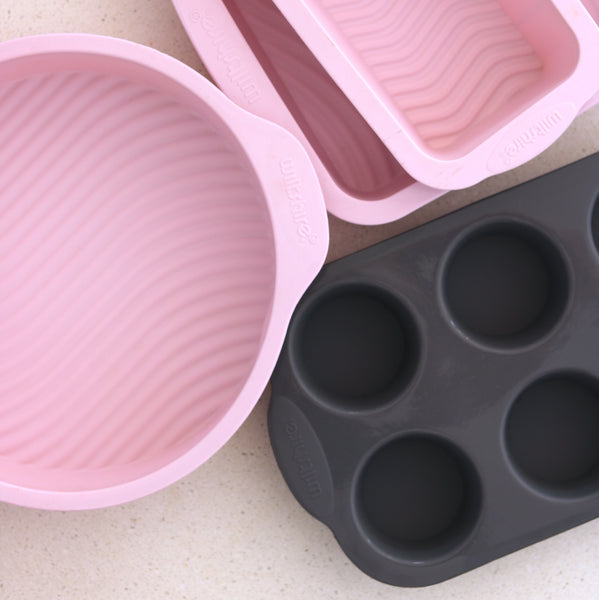
Imagine this: you’re about to bake your favorite chocolate cake, and you’ve chosen that colorful silicone bakeware that’s been sitting in your kitchen. But suddenly, a question pops into your mind—do you grease silicone bakeware?
You’re not alone in this dilemma. Many home bakers like you find themselves puzzled over whether they should add that extra layer of butter or oil. After all, you want your baked masterpiece to slide out effortlessly, without any sticky surprises.
The answer might not be as straightforward as you think, and that’s what we’ll uncover today. Prepare to dive into the world of silicone bakeware and discover the secrets that could transform your baking game forever. Keep reading, and you’ll never second-guess your baking prep again!
Credit: arinaphotography.com
Silicone Bakeware Basics
Silicone bakeware has gained popularity among home bakers for its flexibility and convenience. Understanding the basics can help you use it effectively in your kitchen.
What Is Silicone Bakeware
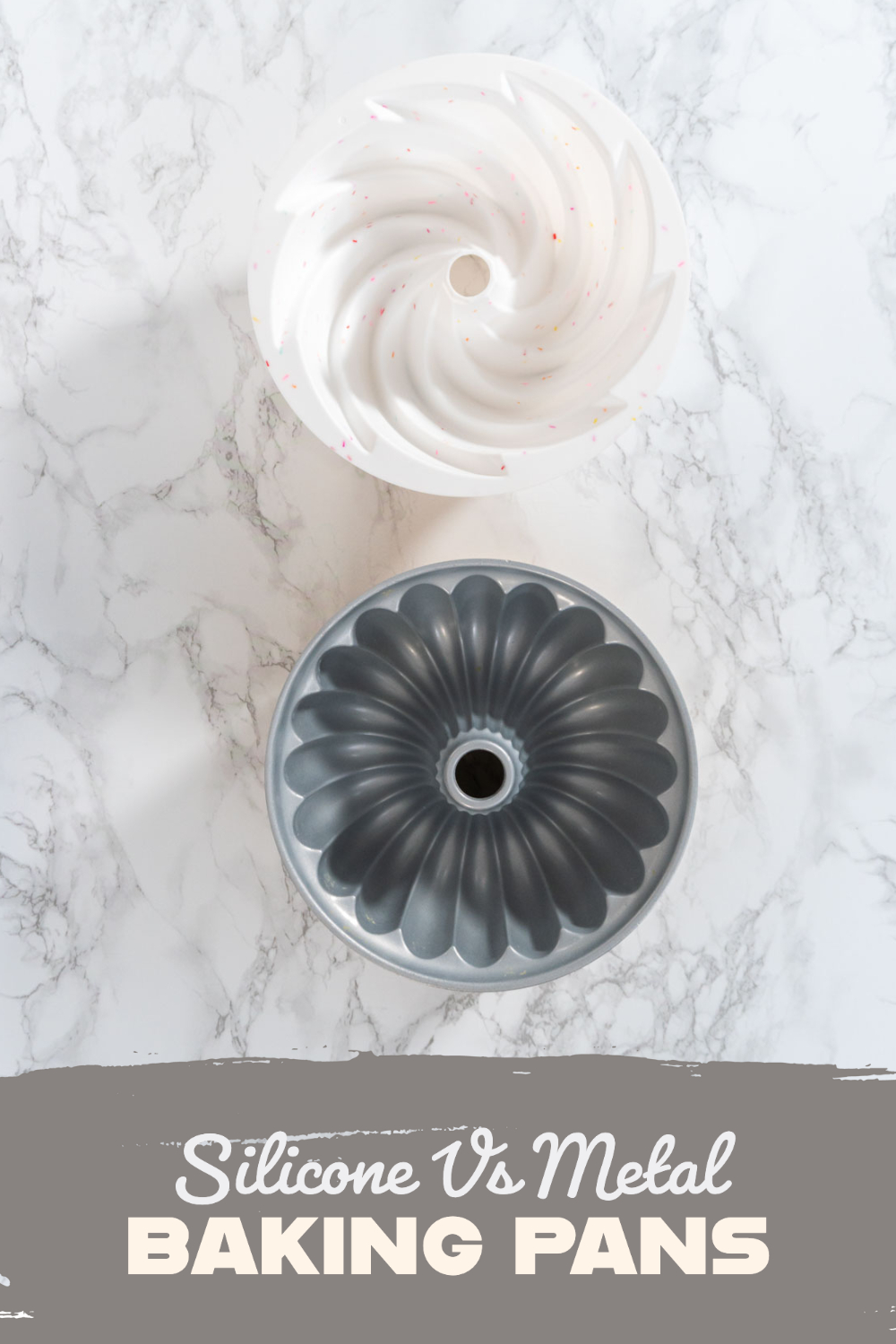
Silicone bakeware is made from a rubber-like material. It’s known for its non-stick properties, allowing easy release of baked goods. Unlike metal pans, silicone is lightweight and flexible. This makes it easy to store and handle. It’s heat-resistant, suitable for both oven and microwave use. You can find it in various shapes and sizes, ideal for cakes, muffins, and more.
Benefits Of Using Silicone
Silicone offers many advantages for baking. Its non-stick surface reduces the need for greasing, saving time and effort. Cleaning is simple; often a quick rinse is enough. It’s durable, able to withstand high temperatures without warping. Silicone is also versatile, perfect for both cold and hot recipes. Its flexibility helps in easy removal of baked goods, preventing damage. This makes it a favorite for many bakers worldwide.
Greasing Silicone Bakeware
Silicone bakeware has gained popularity for its non-stick properties. Yet, many wonder about the need to grease it. Understanding when greasing is beneficial can enhance your baking experience. Let’s explore the nuances of greasing silicone bakeware.
Is Greasing Necessary?
Silicone bakeware is known for its non-stick surface. Often, greasing isn’t required for most recipes. The material allows easy release of baked goods. But certain situations may call for a light greasing. It ensures smooth removal of delicate items.
When To Consider Greasing
Grease silicone bakeware for sticky or sugary recipes. This includes caramel or chocolate-based treats. Greasing helps avoid sticking and tearing. Also, for intricate molds, greasing ensures detailed shapes remain intact. Consider greasing when baking at high temperatures. It can prevent potential sticking due to heat.
Proper Greasing Techniques
Proper greasing of silicone bakeware ensures easy food release. Lightly coat with a thin layer of vegetable oil. This helps maintain the non-stick surface and enhances baking results.
Proper greasing techniques for silicone bakeware can enhance your baking experience. Silicone bakeware is known for its non-stick properties. Still, greasing it properly ensures your baked goods release effortlessly. Proper greasing also helps maintain the bakeware’s longevity.Choosing The Right Grease
Selecting the right grease is crucial. Butter adds flavor and richness. It works well for cakes and muffins. Oil is another option. It provides a light coating without altering taste. Vegetable oil is a versatile choice. For healthier alternatives, try coconut oil. It offers a unique aroma and is easy to apply.Step-by-step Greasing Guide
Follow these steps for effective greasing:- Start with clean bakeware. Ensure it is dry before greasing.
- Use a pastry brush for even distribution. Dip it in melted butter or oil.
- Apply a thin layer. Cover all corners and edges.
- For intricate designs, use a spray bottle. Fill it with oil for precision.
- After greasing, add a dusting of flour. Tap to remove excess.
Maintaining Silicone Bakeware
Silicone bakeware has become a favorite in many kitchens. Its non-stick surface makes baking easy and enjoyable. But, like any kitchen tool, it needs proper care. Maintaining silicone bakeware ensures it lasts long and performs well. Regular cleaning and good storage practices keep it in top shape.
Cleaning And Care Tips
Proper cleaning keeps your silicone bakeware fresh and ready. Always wash it after each use. Use warm water and mild soap. A soft sponge is ideal for scrubbing. Avoid abrasive pads or harsh cleaners. They can damage the surface. Rinse well to remove soap residue. Dry thoroughly before storing. This prevents mold and odors. For stubborn stains, a baking soda paste works wonders. Apply gently, then rinse.
Storage Recommendations
Store silicone bakeware correctly to maintain its shape and quality. Keep it flat or hang it. Avoid folding or crumpling. This prevents warping over time. Ensure it’s completely dry before storage. Moisture invites mold and bad smells. Place it in a cool, dry area. Avoid direct sunlight or heat. These can degrade silicone. For space-saving, stack similar items together. But don’t place heavy objects on top. This keeps the bakeware from deforming.
Common Mistakes To Avoid
Greasing silicone bakeware can lead to oily residue and uneven baking. Clean the bakeware properly to ensure even cooking. Avoid using non-stick sprays, as they might damage the silicone surface.
Common mistakes often occur when using silicone bakeware. These errors can affect your baking success. Knowing what to avoid can make your baking experience smoother.Over-greasing Issues
Greasing silicone bakeware too much is a common mistake. Silicone is naturally non-stick. Excess grease can lead to unwanted results. It might cause your baked goods to slide too easily. This can lead to uneven baking or presentation issues. Stick to a light coat if needed. Use a brush or spray for even distribution. Avoid pouring oil directly onto the bakeware.Impact On Baking Results
Too much grease can alter baking outcomes. It may affect how your goods rise and cook. Over-greased pans can cause soggy bottoms. This is because oil pools at the base. Your baked items might not crisp properly. They could become oily or greasy. This affects taste and texture. Proper grease management ensures better baking results. Keep your silicone bakeware clean and lightly greased for best outcomes.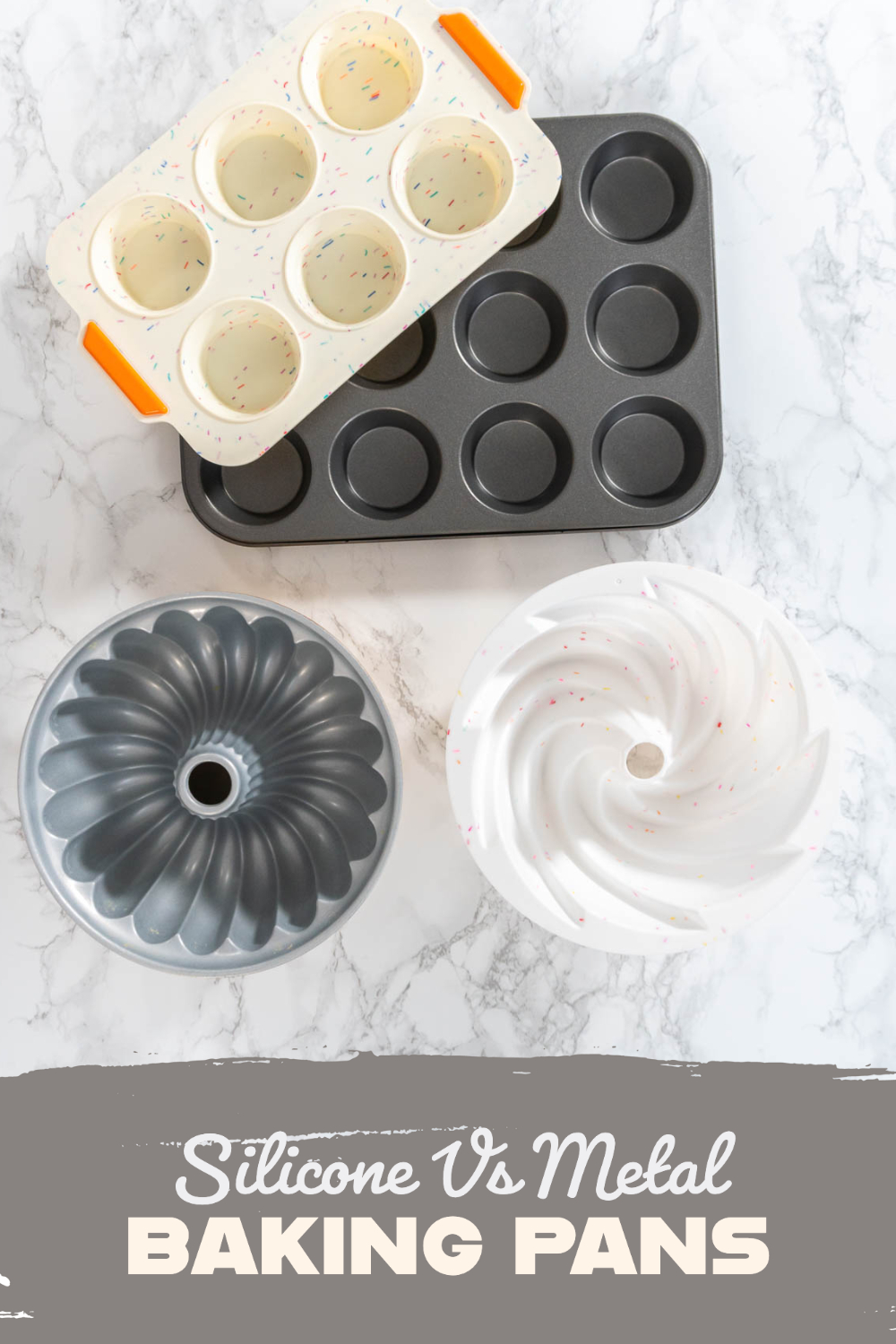
Credit: arinaphotography.com
Alternative Solutions
Silicone bakeware doesn’t need greasing for easy release. Greasing might alter texture, so many skip it entirely. Some choose light greasing for added safety during baking.
Exploring alternative solutions for greasing silicone bakeware can open up new possibilities in your baking adventures. While silicone bakeware is known for its non-stick properties, sometimes a little extra help is needed. If you’ve ever struggled with stubborn sticking, you might find these solutions incredibly useful.Using Baking Mats
Baking mats can be a game changer when it comes to creating the perfect non-stick surface. These mats are reusable and can be placed directly on your baking sheet or inside your silicone bakeware. They are perfect for cookies and pastries, ensuring nothing clings to the bottom. Plus, they make cleaning up a breeze! Have you tried baking mats yet? If not, they might just become your new favorite kitchen tool.Non-stick Spray Options
Non-stick sprays are another practical solution for greasing silicone bakeware. A quick spray can ensure your baked goods slide out effortlessly. Many brands now offer sprays with natural ingredients, free from artificial additives. Check the labels for options that suit your preferences. Remember to apply a thin, even coat to prevent residue buildup. Have you explored the variety of non-stick sprays available on the market today? They can make a significant difference in your baking results.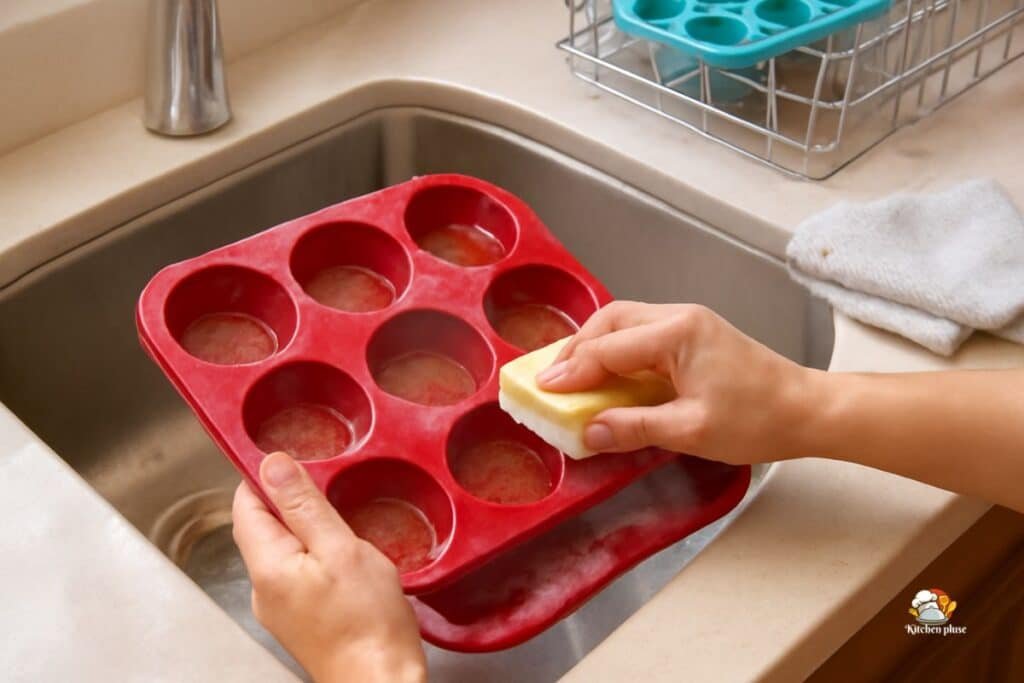
Credit: kitchenpluse.com
Frequently Asked Questions
Do You Need To Grease Silicone Bakeware?
Silicone bakeware usually doesn’t require greasing because of its non-stick properties. However, a light coat of oil can help with easy release and better browning. Using a small amount of oil can enhance results for sticky or delicate recipes.
How To Grease Silicone Bakeware Effectively?
Greasing silicone bakeware is simple. Use a pastry brush or spray to apply a thin layer of oil or butter. This ensures even coverage and aids in easy food release. Be careful not to over-grease as it can affect baking results.
Can Greasing Affect Silicone Bakeware Performance?
Greasing silicone bakeware can improve performance by aiding in food release and preventing sticking. It can also enhance browning and crisping in certain recipes. Minimal greasing is usually sufficient due to the inherent non-stick nature of silicone.
Is Greasing Necessary For All Recipes?
Greasing may not be necessary for all recipes, especially those with high-fat content. However, greasing can be beneficial for recipes that are sticky or delicate. It helps in ensuring that baked goods release smoothly without leaving residue.
Conclusion
Silicone bakeware offers many benefits in your kitchen. Greasing helps prevent sticking, ensuring perfect results. This simple step enhances your baking experience. It’s worth the extra effort. Enjoy hassle-free baking every time. Remember, a little grease can make a big difference.
Experiment with your silicone bakeware. Discover what works best for your recipes. Enjoy your delicious creations with ease. Keep baking fun and stress-free. Happy baking!