Imagine this: you’re all set to whip up a batch of your favorite muffins or perhaps a delightful cake. You’ve got your ingredients laid out, the oven preheated, and your trusty silicone bakeware ready to go.
But wait—do you need to spray it first? This question might seem trivial, but it’s the secret to perfect baking results. Silicone bakeware is celebrated for its non-stick properties, yet many bakers wonder whether a little spray could enhance their culinary creations.
You might be surprised to learn how this simple step can impact the texture and appearance of your baked goods. Join us as we dive into the world of silicone bakeware. Discover what truly makes it non-stick, and find out if a spritz of spray is necessary for your baking success. By the end, you’ll have all the answers to achieve delicious, picture-perfect results every time. Get ready to elevate your baking game!
Credit: kitchenpluse.com
What Is Silicone Bakeware?
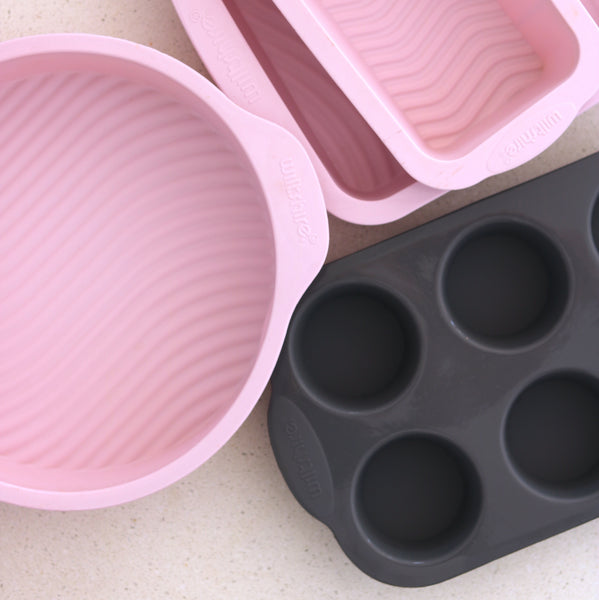
Silicone bakeware has transformed the culinary world, offering a colorful, flexible alternative to traditional metal or glass bakeware. Have you ever wondered why it’s so popular among both professional chefs and home bakers? This innovative material not only simplifies baking but also enhances your overall experience in the kitchen. But what exactly is silicone bakeware and why should you consider using it?
Durability And Versatility
Silicone bakeware is known for its durability. Unlike metal pans that can warp or rust over time, silicone can withstand extreme temperatures without degrading. You can safely use it in the freezer, microwave, or oven. This versatility makes it a great choice for a wide range of recipes.
Imagine baking a cake in a pan that can easily transition from oven to fridge without any hassle. Silicone bakeware allows you to do just that, saving time and effort. Plus, its flexibility means you can bend and twist the molds without any damage.
Non-stick Properties
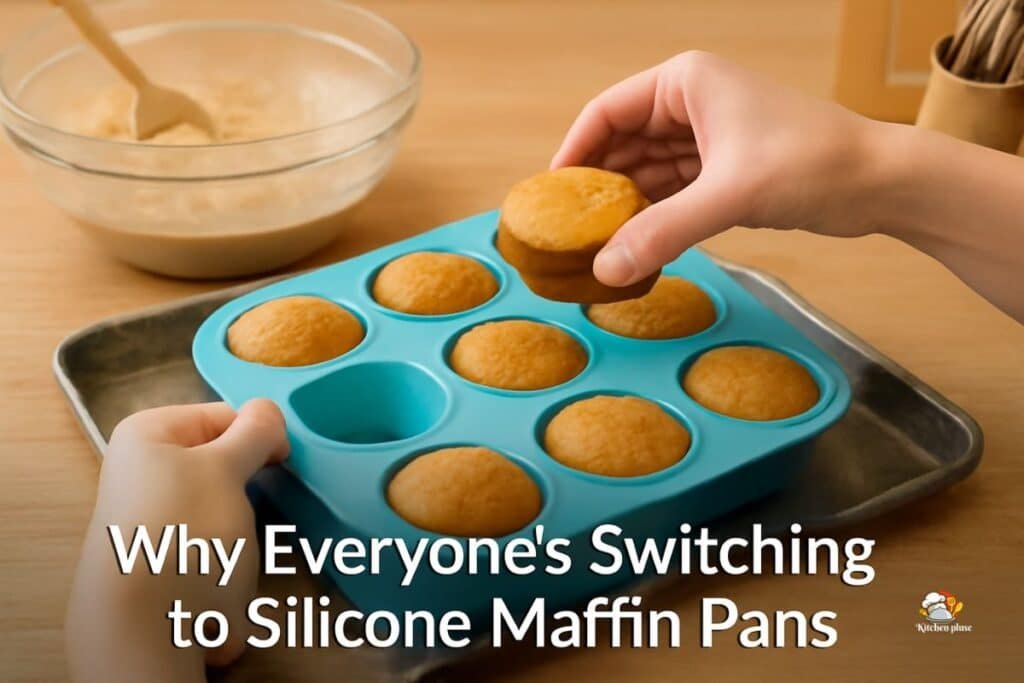
One of the standout features of silicone bakeware is its non-stick surface. This property means you can often skip greasing or lining your pans. Have you ever struggled to release a cake from a metal pan only to have it break apart? With silicone, your baked goods slide out smoothly.
This feature not only saves time but also reduces the need for added fats or oils. You get healthier results without compromising on taste or texture. The ease of cleaning is another bonus—just a quick rinse or wipe, and it’s ready for the next use.
Color And Style Options
Silicone bakeware comes in a myriad of colors and styles, allowing you to personalize your kitchen. From bright hues to pastel shades, there’s something for every aesthetic preference. You can even find themed molds for holidays and special occasions.
This variety not only adds a splash of color to your kitchen but can also make baking more fun. Picture using a heart-shaped mold for Valentine’s Day cupcakes or a pumpkin-shaped mold for Halloween treats. The possibilities are endless, inspiring creativity in your culinary endeavors.
Safety Considerations
Despite its benefits, silicone bakeware raises questions about safety. Is it safe to use given its rubbery texture? Rest assured, high-quality silicone bakeware is food-grade and safe for baking. It’s resistant to chemical reactions, ensuring your food remains free from contaminants.
However, it’s crucial to choose reputable brands to avoid low-grade products that might contain fillers. Your health is worth investing in quality bakeware, ensuring peace of mind as you create delicious treats for your family.
So, as you explore the world of silicone bakeware, consider its advantages and how it can enhance your baking experience. Are you ready to try something new and make your time in the kitchen more enjoyable?
Benefits Of Silicone Bakeware
Silicone bakeware has become a kitchen staple for many home bakers and professionals alike. Its popularity stems from a range of benefits that make baking not only easier but also more enjoyable. From non-stick properties to heat resistance, silicone bakeware offers a unique blend of features that cater to your culinary adventures. Let’s delve into these benefits and see why silicone bakeware might be the perfect addition to your kitchen.
Non-stick Properties
One of the standout features of silicone bakeware is its non-stick nature. You often find yourself scrubbing metal pans or dealing with stuck cakes, but silicone changes the game. Imagine removing a perfectly baked cake without leaving half of it behind on the pan. That’s the magic of silicone.
The non-stick surface means you can reduce or even eliminate the need for sprays or oils. This not only makes cleanup a breeze but also cuts down on added fats in your recipes. Have you ever pulled out a muffin with ease and wondered why you hadn’t switched to silicone sooner?
Heat Resistance
Silicone bakeware can handle extreme temperatures, making it versatile for both baking and freezing. You can take a dish straight from the oven to the freezer without worrying about warping or melting. This heat resistance also means even baking, with no hot spots ruining your culinary creations.
If you’ve ever worried about your bakeware cracking under high heat, silicone provides peace of mind. It’s like having a reliable friend that never lets you down during your baking marathons.
Durability And Flexibility
The durability of silicone bakeware means it can withstand the rigors of daily use without showing signs of wear. Unlike metal pans that can rust or dent, silicone stays intact, maintaining its shape and functionality over time.
Its flexibility allows for easy storage, fitting into tight spaces without hassle. Have you ever tried to squeeze a bulky pan into your overcrowded cupboard? Silicone bakeware bends and adapts, making it perfect for kitchens of all sizes.
As you ponder the benefits of silicone bakeware, consider how these attributes can elevate your baking experience. Could this be the upgrade your kitchen has been waiting for?
When To Spray Silicone Bakeware
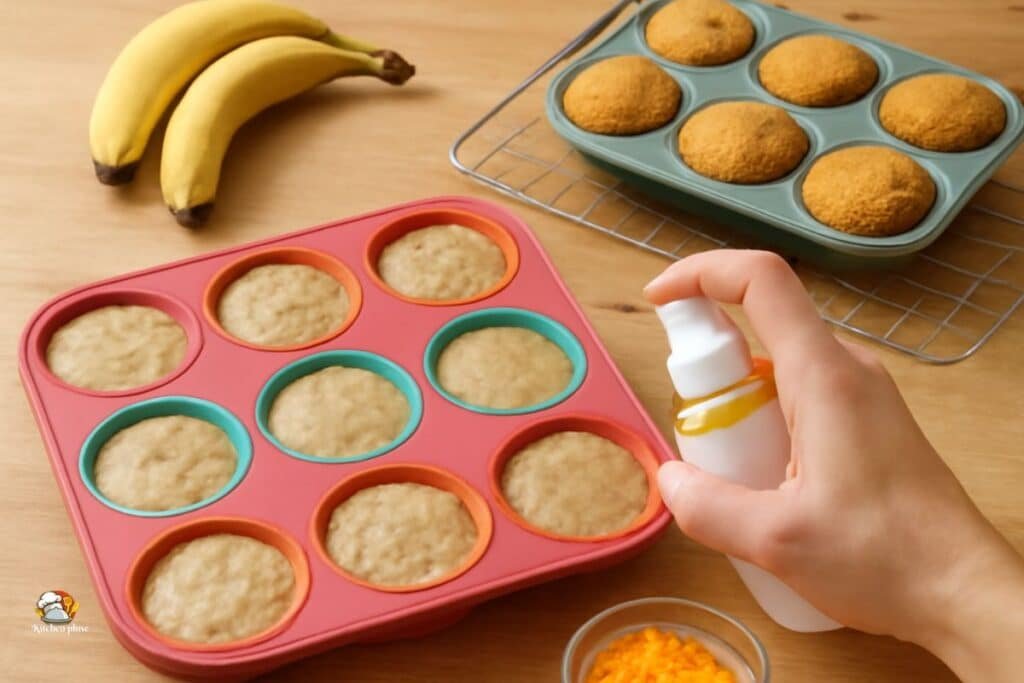
Silicone bakeware usually doesn’t need spraying, but a light coat can help with easy release. Especially useful for intricate molds or first-time use to ensure nothing sticks.
When it comes to silicone bakeware, it’s often praised for its non-stick properties. But there are times when spraying it can be beneficial. Understanding when to spray silicone bakeware can help you avoid sticking issues and ensure perfect results every time.Types Of Recipes
Some recipes are more prone to sticking than others. Cakes with high sugar content might stick more. Dense batters or those with lots of fruits can also be problematic. Spraying silicone bakeware before baking these can make removal easier.Avoiding Sticking Issues
Even non-stick surfaces can sometimes fail. Greasing silicone bakeware provides an extra layer of protection. Spraying is especially helpful for intricate molds. It ensures every detail releases smoothly. Sticking can ruin the look of your baked goods. A quick spray can prevent this disappointment.Proper Use Of Cooking Sprays
Using cooking sprays correctly can make a big difference in baking. Silicone bakeware often doesn’t need spray, yet some prefer using it. It helps with easy release and less mess. Understanding the proper use of cooking sprays ensures your bakeware stays in great shape.
Choosing The Right Spray
Not all cooking sprays are the same. Opt for sprays designed for baking. These sprays prevent sticking without altering flavors. Avoid sprays with added flavors unless desired.
Application Techniques
Applying cooking spray on silicone bakeware requires a gentle touch. Hold the spray 6-8 inches away for even coverage. Use a light, misting motion for best results. Over-spraying can lead to buildup and affect bakeware performance.
Alternatives To Spraying
Silicone bakeware is popular for its convenience and non-stick properties. Yet, some still find their baked goods sticking. Spraying silicone bakeware with oil can help. But there are alternatives that might be more effective and healthier.
These methods can enhance your baking experience without using spray.
Using Oil Or Butter
Brushing oil on silicone bakeware can prevent sticking. Use a pastry brush for even application. Olive oil and vegetable oil work well. Butter is another option. Its rich flavor can enhance baked goods. Melted butter can be brushed or dabbed with a paper towel.
Non-stick Baking Mats
Non-stick mats fit inside bakeware. They create a barrier between food and pan. Silicone mats are reusable and easy to clean. They offer a reliable non-stick surface. These mats can be cut to fit various shapes.
Credit: kitchenpluse.com
Caring For Your Silicone Bakeware
Spraying silicone bakeware can help prevent sticking, though it often isn’t necessary due to its non-stick surface. Lightly coat with cooking spray for extra assurance, especially with intricate molds or sticky recipes. This adds ease to removing baked goods and simplifies cleanup.
Caring for Your Silicone Bakeware Silicone bakeware has become a kitchen favorite for its non-stick qualities and vibrant colors. But like any kitchen tool, it needs proper care to ensure longevity and performance. By taking a few simple steps, you can keep your silicone bakeware in top condition and make every baking session a breeze.Cleaning Tips
Cleaning silicone bakeware is straightforward, but there are some tricks to make it easier. Always allow your bakeware to cool completely before washing. This prevents warping and ensures thorough cleaning. Use warm soapy water and a soft sponge to remove any residue. Avoid abrasive pads as they can scratch the surface. If you notice stubborn stains or odors, a paste of baking soda and water can do wonders. Dishwasher-safe labels on silicone bakeware are common, but hand washing extends its life. If you choose the dishwasher, ensure it’s placed away from sharp objects that might tear it. A little care goes a long way in maintaining its non-stick surface.Storage Suggestions
Proper storage of silicone bakeware prevents unwanted creases or tears. Store items flat or stack them with gentle support to maintain their shape. If space is tight, consider rolling smaller pieces and securing them with a rubber band. Avoid stacking heavy items on top of silicone bakeware. Weight can deform the flexible material, affecting its performance. Keeping bakeware in a cool, dry place prevents discoloration and degradation over time. Do you ever find yourself rummaging through cabinets for that perfect mold? A dedicated shelf or drawer for your silicone pieces can save time and protect them from damage. Organizing your kitchen tools not only makes baking more enjoyable but also prolongs the life of your silicone bakeware.Expert Tips For Best Results
Explore silicone bakeware’s non-stick benefits for easy baking. Spraying is not always necessary. Ensure optimal results with light greasing if needed.
Silicone bakeware has revolutionized baking with its non-stick properties and ease of use. But do you really need to spray it to get the best results? The answer depends on a few factors, including the type of recipe and how you care for your silicone tools. Let’s dive into some expert tips that can help you make the most out of your silicone bakeware.Avoiding Common Mistakes
One common mistake is assuming that all recipes will come out perfectly without any preparation. Silicone is naturally non-stick, but certain sticky recipes, like caramel or sticky buns, might still benefit from a light spray of oil. Relying too heavily on this assumption can lead to frustration. Consider the specifics of your recipe and if it involves ingredients known for sticking, a quick spray can save you trouble. Keep a small bottle of cooking spray handy. It can be a lifesaver when you least expect it.Maximizing Bakeware Lifespan
Taking care of your silicone bakeware is crucial for long-lasting performance. Avoid using metal utensils, which can cause tears or scratches. Hand wash your silicone items whenever possible. This helps to maintain their non-stick properties and avoids detergent residue build-up. Store your silicone bakeware flat or rolled loosely. This prevents distortion and ensures they remain ready for your next baking adventure. Do you have any special tricks for using silicone bakeware? Share them with us in the comments!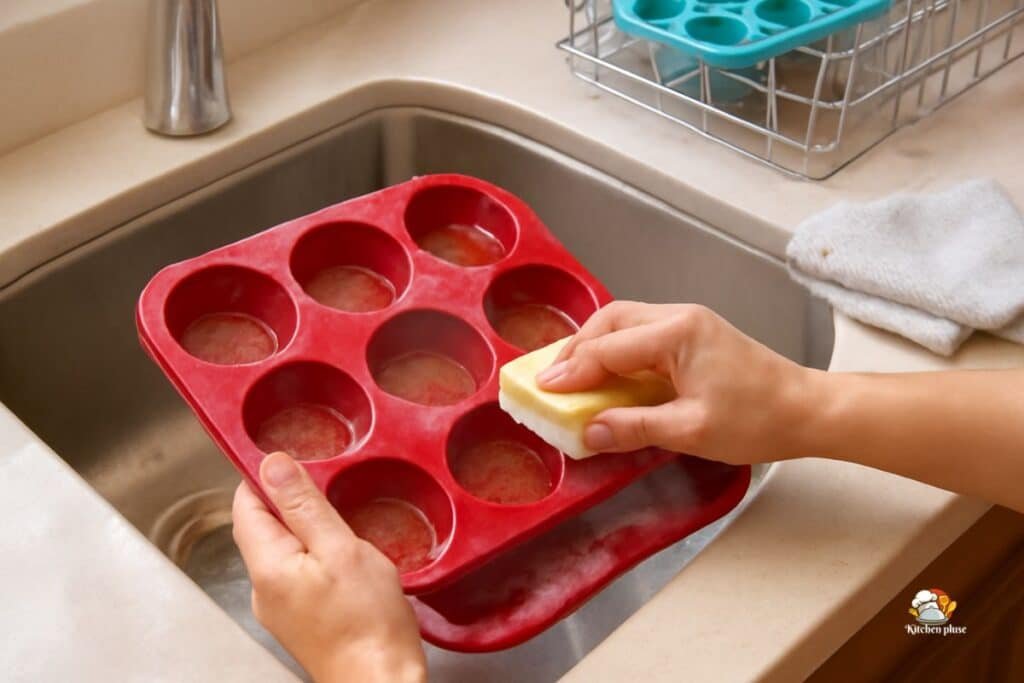
Credit: kitchenpluse.com
Frequently Asked Questions
Do Silicone Bakeware Need Greasing?
Silicone bakeware typically doesn’t need greasing due to its non-stick surface. However, applying a light coat of oil can improve the release of sticky or delicate items. It’s a good practice to grease for first-time use or intricate designs.
Can You Bake Directly On Silicone?
Yes, you can bake directly on silicone bakeware. Its non-stick properties make it ideal for baking without additional lining. It’s heat-resistant and safe for oven use, providing even cooking results. Always ensure your silicone bakeware is food-grade certified.
How To Clean Silicone Bakeware?
Cleaning silicone bakeware is simple. Use warm, soapy water and a soft sponge to remove residues. Avoid abrasive cleaners or scouring pads to prevent damage. For stubborn stains, a baking soda paste can be effective. Ensure thorough drying before storage.
Is Silicone Bakeware Safe For High Temperatures?
Silicone bakeware is safe for high temperatures, typically up to 450°F (232°C). This makes it suitable for most baking needs. Always check the manufacturer’s temperature guidelines. Avoid placing silicone bakeware directly on open flames or broilers.
Conclusion
Silicone bakeware offers convenience in the kitchen. Non-stick by nature, it often eliminates the need for spray. Yet, some prefer using a light spray for extra assurance. It’s about personal choice and baking habits. Silicone’s easy release is its main appeal.
Cleaning up becomes a breeze. Experiment to find what works best for you. Avoid over-spraying to maintain bakeware quality. Always follow care instructions for longevity. Baking should be fun and stress-free. Enjoy the process and your delicious results!