
Imagine walking into your kitchen and finding everything exactly where you need it. The counters are clear, the tools are within reach, and cooking feels effortless.
Sounds like a dream, right? Organizing a professional kitchen isn’t just about tidiness; it’s about creating a space that works for you, where every item is purposefully placed to enhance your culinary efficiency. If you’ve ever felt the stress of a cluttered kitchen, or spent too long searching for that one elusive utensil, you’re in the right place.
This guide is designed to help you transform your kitchen into a well-organized powerhouse. You’ll discover easy-to-follow steps that make a big impact, helping you save time and reduce stress. Are you ready to make your kitchen the heart of your culinary success? Let’s dive in and uncover the secrets to organizing a professional kitchen that works for you.
Kitchen Layout Essentials
Creating an efficient kitchen layout is crucial for productivity and safety. A well-organized kitchen saves time and reduces stress. Let’s explore essential elements for a professional kitchen layout.
Work Triangle Concept
The work triangle ensures a smooth workflow between key kitchen areas. It connects the stove, sink, and refrigerator. Each side of the triangle should be between 4 to 9 feet. This arrangement minimizes unnecessary movement, boosting efficiency.
Avoid placing obstacles within this triangle. This keeps the path clear and easy to navigate. Adjust the layout to suit your space and kitchen type.
Zoning For Efficiency
Divide the kitchen into distinct zones for specific tasks. Common zones include prep, cooking, and cleaning. Keep related tools and ingredients within each zone. This minimizes time spent searching for items.
Store knives near the prep area for quick access. Place pots and pans close to the stove. Locate cleaning supplies near the sink for convenience.
Organize storage to match the workflow. This ensures smooth transitions between tasks and enhances productivity.
Storage Solutions
Storage solutions are the backbone of any professional kitchen. A well-organized kitchen not only enhances efficiency but also ensures a seamless culinary experience. Whether you’re a seasoned chef or an enthusiastic home cook, optimizing your storage can transform your cooking environment. Let’s dive into practical ways to achieve this by maximizing cabinet space, exploring innovative shelving ideas, and making effective use of drawers.
Maximizing Cabinet Space
Cabinets are often the mainstay for storage in the kitchen, and maximizing this space is crucial. Consider adjustable shelving within your cabinets. This allows you to customize the space according to your needs and accommodate different sized items without wasting space.
Installing pull-out shelves can also be a game changer. They provide easy access to items stored at the back, reducing clutter and helping you find what you need quickly. Additionally, using vertical dividers can keep baking sheets and cutting boards upright, saving space and preventing them from toppling over.
Innovative Shelving Ideas
Open shelving is a modern trend that combines functionality with aesthetics. It provides quick access to frequently used items and adds a decorative touch to your kitchen. You can display beautiful cookware or colorful spices, turning storage into a design feature.
Floating shelves can be installed above countertops or islands for extra storage without taking up valuable floor space. They are perfect for storing cookbooks, small plants, or even extra glassware. Another innovative idea is to integrate shelving into unused corners or awkward spaces, maximizing every inch of your kitchen.
Effective Use Of Drawers
Drawers are versatile storage options that, when used effectively, can significantly enhance kitchen organization. Consider using drawer dividers to keep utensils, gadgets, and cutlery neatly separated. This not only makes your kitchen look tidy but also saves time during meal prep.
Deep drawers can store pots, pans, and even small appliances. Installing peg systems inside these drawers can help keep items organized and prevent them from shifting when opened or closed. Additionally, using pull-out drawers for spices and oils can make them easily accessible, ensuring that your culinary essentials are always within reach.
Have you ever found yourself rummaging through cabinets and drawers for that elusive spice or missing utensil? By implementing these storage solutions, you can create a kitchen where everything has its place, making your cooking experience more enjoyable and efficient.
Equipment Placement
Placing equipment strategically enhances kitchen workflow. Maximize space by grouping similar items together. Ensure easy access to frequently used tools.
Organizing a professional kitchen requires thoughtful equipment placement. Proper placement ensures smooth workflow and safety. Each piece of equipment must have a strategic position. This enhances efficiency and minimizes movement. Let’s explore how to position major and small appliances effectively.Positioning Major Appliances
Position major appliances for optimal use. The refrigerator, stove, and sink form the kitchen triangle. This layout reduces steps and saves time. Place the refrigerator near the entrance. This allows quick access to ingredients. Position the stove centrally. This serves as the main cooking hub. The sink should be between the refrigerator and stove. This placement aids in food prep and cleaning.Small Appliance Strategy
Small appliances need thoughtful arrangement. Group them by function for ease of use. For instance, keep the blender and mixer near the prep area. This helps in quick meal preparation. Place frequently used appliances within reach. Store less-used ones in cabinets. This keeps counters clutter-free. Use open shelving for easy access to toasters and coffee makers. It adds convenience and maintains order.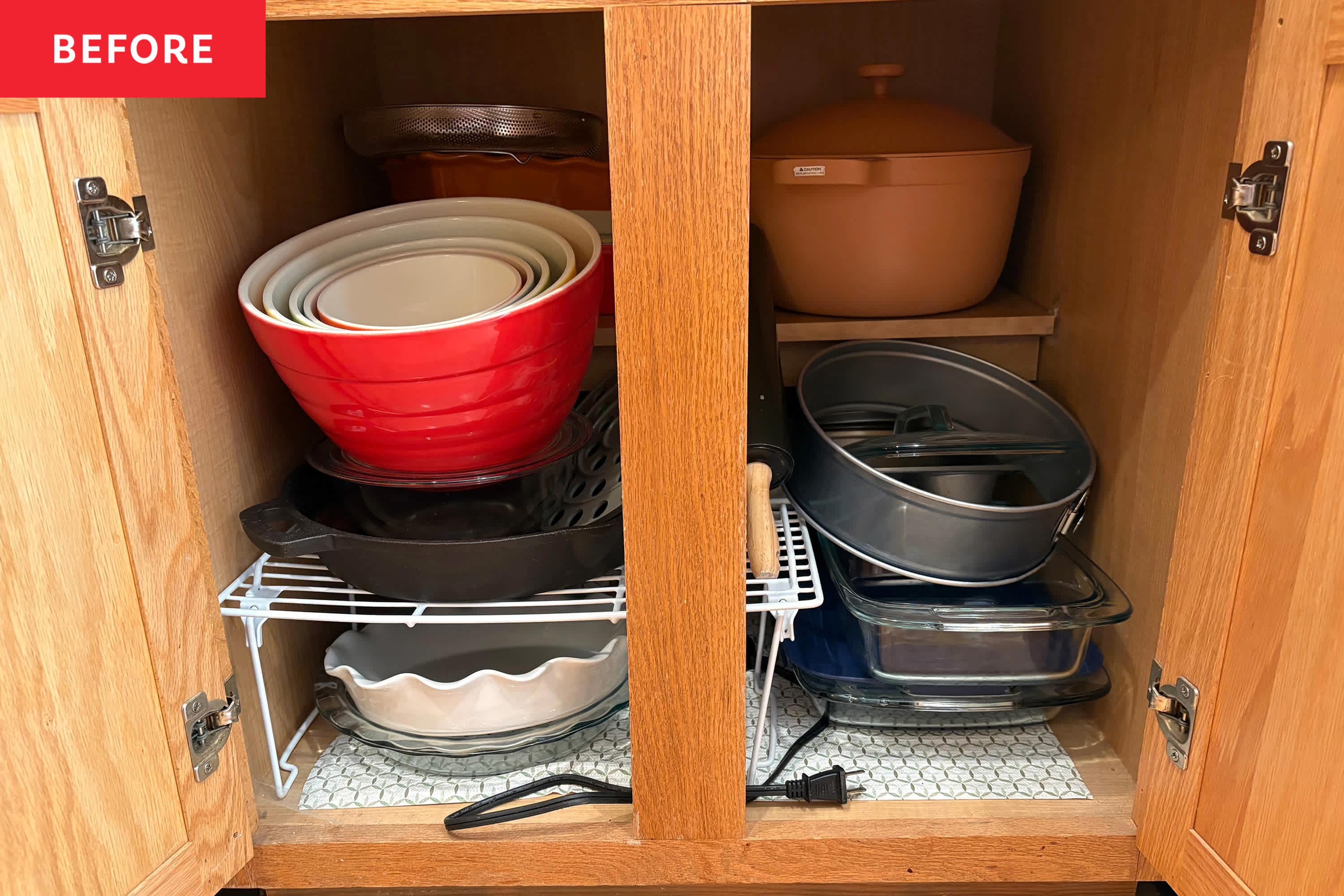
Credit: www.apartmenttherapy.com
Streamlined Workflow
A streamlined workflow in a professional kitchen is crucial for efficiency and success. Imagine each chef and staff member moving like clockwork, knowing exactly where everything is and how to use it. This harmony ensures that dishes are prepared and served swiftly, and it starts with organizing the kitchen smartly.
Creating A Smooth Prep Station
Setting up a prep station that works seamlessly is essential. Begin by ensuring all necessary tools and ingredients are within arm’s reach. Have you ever found yourself scrambling for a missing knife or spice during peak hours? Avoid this by designating specific spots for each item.
- Group similar items together, such as cutting tools and chopping boards.
- Use small containers or baskets to hold frequently used spices and seasonings.
- Maintain cleanliness and order by enforcing a quick clean-up routine after each task.
Think about the flow of your tasks. If you’re constantly moving back and forth, it might be time to rethink your layout. A prep station should facilitate quick transitions from one task to another, minimizing unnecessary movements.
Organizing Cooking Areas
The cooking area should be designed to keep chefs focused and efficient. Arrange cooking equipment in a logical sequence that mirrors the steps of your recipes. Does your kitchen feel cramped or cluttered? It might be affecting your team’s productivity.
- Place stoves, ovens, and grills where they are easily accessible but not overcrowded.
- Store pots and pans near the cooking area for quick access.
- Consider using hooks or racks for utensils to save counter space.
Prioritize safety and accessibility. Are there clear paths for swift movement? Ensure that there are no obstacles or hazards that could slow down the process. The goal is to create a cooking area that supports the fast-paced environment of a professional kitchen while maintaining high standards of safety and efficiency.
Safety And Sanitation
Organizing a professional kitchen requires strict safety and sanitation practices. Clean surfaces and tools prevent contamination. Regularly check equipment for any signs of wear or damage. Store ingredients properly to maintain freshness and safety.
Safety and sanitation are the backbone of any professional kitchen. Keeping your workspace safe and clean ensures not only the health of your customers but also the efficiency of your operations. Neglecting these aspects can lead to serious health risks and even legal repercussions. Here’s how you can maintain a high standard of safety and sanitation in your professional kitchen:Safe Food Handling Practices
Proper food handling is crucial to prevent contamination and foodborne illnesses. Always wash your hands thoroughly before and after handling different food types. Cross-contamination is a common pitfall, so use separate cutting boards for raw meats and vegetables. Keep raw foods at the correct temperature. Use a thermometer to ensure meats are cooked to the appropriate temperature. Remember, the danger zone for bacterial growth is between 40°F and 140°F.Cleaning And Maintenance Tips
A clean kitchen is a safe kitchen. Develop a daily cleaning schedule for your team to follow. This should include wiping down surfaces, cleaning equipment, and sanitizing utensils. Regular maintenance of kitchen equipment prevents unexpected breakdowns. Inspect equipment weekly for any signs of wear and tear. Fixing minor issues promptly can save time and money in the long run. Consider using eco-friendly cleaning products. Not only are they better for the environment, but they can also reduce allergic reactions among staff. Wouldn’t you prefer a kitchen that’s both spotless and safe for everyone?:max_bytes(150000):strip_icc()/target-organize-kitchen-like-a-pro-GettyImages-1441243849-884a854c17774b19ad7d4bd185a42dfd.jpg)
Credit: www.realsimple.com
Incorporating Technology
Smart devices can streamline kitchen operations efficiently. Digital inventory systems help track stock levels and reduce waste. Automated scheduling tools ensure optimal staff management and shift planning.
Incorporating technology in a professional kitchen enhances efficiency. It streamlines operations and reduces errors. Embracing modern tools can make a big difference. From smart gadgets to digital systems, technology transforms kitchen management. Let’s explore how these advancements can help.Smart Kitchen Gadgets
Smart gadgets simplify cooking tasks. They offer precision and convenience. Devices like smart ovens adjust temperatures automatically. This ensures perfect cooking results every time. Smart scales provide accurate measurements, reducing waste. Connected thermometers monitor food temperatures from your phone. These tools save time and improve food safety. They also allow chefs to multitask efficiently.Digital Inventory Management
Digital inventory systems track supplies seamlessly. They help maintain stock levels, preventing shortages. With barcodes and scanners, updating inventory is quick. These systems alert you when items run low. This reduces food wastage and saves money. Online platforms also offer real-time analytics. This data aids in making informed purchasing decisions. Integrating these systems boosts kitchen productivity.Aesthetic Considerations
Organizing a professional kitchen involves more than just ensuring efficiency and functionality. Aesthetic considerations play a vital role, creating an environment that feels inviting and stimulating. The visual appeal of a kitchen can significantly impact the mood and productivity of those working within it. Let’s explore how to balance aesthetics without compromising on function.
Balancing Function And Style
Achieving the right balance between function and style requires thoughtful planning. A well-organized kitchen should be visually appealing yet practical. Consider how your choices in design can enhance workflow while maintaining a professional look.
- Choose equipment that blends well with your design while meeting your operational needs.
- Integrate storage solutions that keep tools accessible but neatly hidden.
- Think about lighting options that illuminate your workspace without overwhelming the senses.
Have you ever walked into a kitchen and immediately felt either inspired or overwhelmed? Your choices in style can set the tone for the entire cooking experience.
Color Schemes And Materials
The colors and materials you select can transform your kitchen from mundane to magnificent. Opt for color schemes that reflect your brand or personal aesthetic.
- Bold colors can energize the space, while softer hues can create a calming atmosphere.
- Consider using materials like stainless steel for a sleek, modern look or wood for warmth and character.
Mixing textures, such as combining matte and glossy finishes, can add depth and interest. What does your kitchen’s color palette say about you and your culinary style?
Every choice you make in organizing your professional kitchen should be a reflection of both your aesthetic preferences and practical needs. The right blend of style and functionality can turn a kitchen into not just a place to cook, but a place to thrive.

Credit: kitchen.services
Adapting To Trends
Efficiently arranging a professional kitchen requires understanding current culinary trends. Prioritize flexible layouts and multi-functional tools to accommodate diverse cooking styles.
Adapting to trends in the culinary world is essential for maintaining a competitive edge and ensuring that your kitchen remains relevant and efficient. Trends not only influence the dishes you serve but also dictate how you can better organize your kitchen to meet modern demands. Whether it’s embracing sustainable practices or infusing global flavors, staying current can enhance your kitchen’s functionality and appeal.Sustainable Kitchen Practices
Adopting sustainable practices can transform your kitchen into an eco-friendly powerhouse. Start by minimizing food waste through smart inventory management and portion control. Consider implementing a composting system for scraps, and encourage your team to think creatively about leftovers. Energy-efficient appliances are another key aspect of sustainability. Switching to appliances with high energy ratings can reduce your kitchen’s carbon footprint and lower energy bills. Additionally, using biodegradable cleaning products can ensure that your kitchen stays clean without harming the environment.Incorporating Global Influences
In a globalized world, incorporating diverse culinary influences can set your kitchen apart. Explore different spices, herbs, and cooking techniques from various cultures to enhance your menu. This not only attracts a broader clientele but also keeps your kitchen staff engaged and inspired. Organize your pantry to accommodate these global ingredients. Clear labeling and categorization can make it easier for your team to find and utilize these items efficiently. Consider hosting regular tasting sessions to familiarize your team with new ingredients and inspire creativity in your kitchen. Ask yourself: Is your kitchen set up to adapt to these trends? Embracing change can lead to a more dynamic, efficient, and appealing kitchen space.Frequently Asked Questions
What Are The Essential Tools For A Professional Kitchen?
Essential tools include sharp knives, cutting boards, measuring cups, and mixing bowls. Invest in high-quality pots, pans, and utensils. Don’t forget appliances like blenders and food processors. These tools ensure efficiency and precision in cooking.
How Should I Organize Kitchen Workstations?
Organize workstations by task: prep, cooking, and cleaning. Keep tools and ingredients close to their respective stations. This maximizes efficiency and reduces clutter. Proper organization ensures a smooth workflow.
What Is The Best Way To Store Ingredients?
Store ingredients in labeled, airtight containers. Organize them by type: grains, spices, and perishables. Use clear containers to easily identify contents. This method maintains freshness and prevents contamination.
How Can I Maintain Cleanliness In A Kitchen?
Clean as you go to avoid clutter. Wipe surfaces regularly and sanitize after each use. Wash dishes immediately and sweep floors daily. Regular maintenance keeps the kitchen safe and hygienic.
Conclusion
Organizing a professional kitchen boosts efficiency and reduces stress. Start with clear labeling. This makes finding items quick and easy. Keep countertops tidy by storing tools properly. Use shelves and racks to save space. Regularly clean and declutter for a fresh environment.
Assign specific zones for cooking, prep, and cleaning. This streamlines workflow. Make sure equipment is always in good condition. Safety is key. Encourage teamwork and communication among staff. This fosters a harmonious kitchen space. With these tips, maintaining a professional kitchen becomes simple.
Enjoy a well-organized, productive, and pleasant cooking experience.