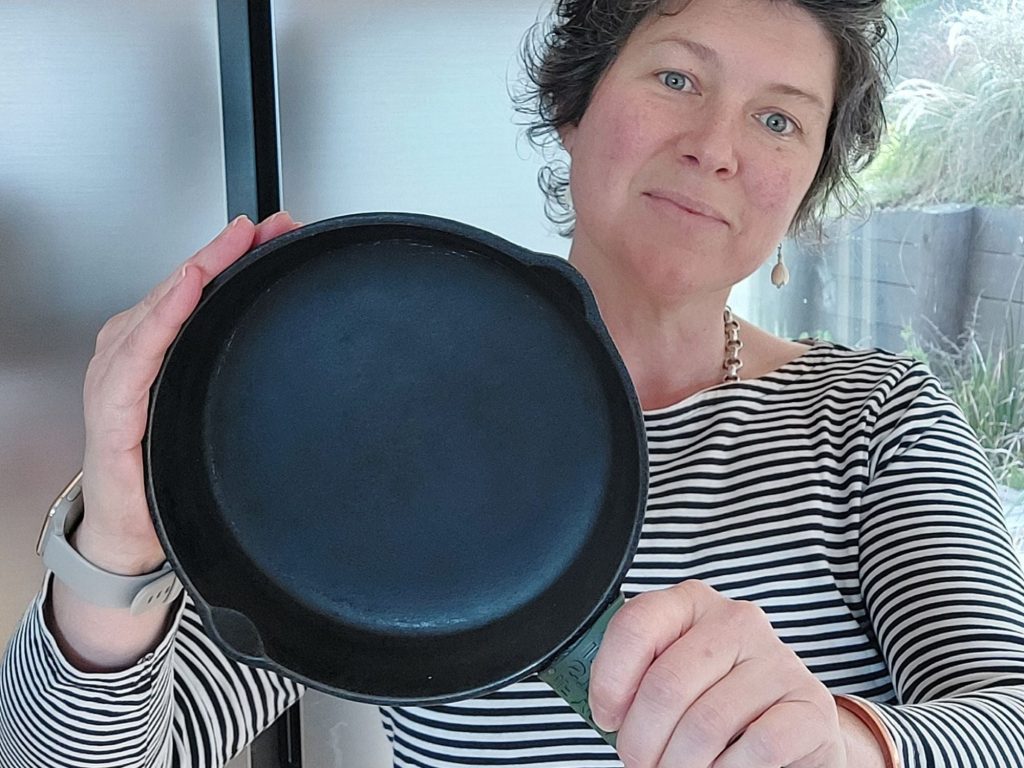
Imagine transforming your kitchen into a hub of culinary excellence, where every dish you prepare is infused with rich flavors and a touch of history. Cast iron cookware holds the key to such an experience, renowned for its durability and unmatched cooking performance.
But, to unlock its full potential, you need to know how to cure it properly. You might be wondering why curing is essential, or even how to go about it without damaging your prized pans. Don’t worry; you’re not alone.
Many find themselves puzzled by the process, yet mastering it can lead to a lifetime of delicious meals and perfectly seasoned skillets. You’ll discover simple, effective techniques to cure your cast iron cookware, ensuring it’s ready to deliver mouthwatering results every time. Keep reading to uncover the secrets that will elevate your cooking to new heights and make your kitchen a place of joy and satisfaction.
Benefits Of Curing Cast Iron
Curing cast iron cookware enhances its non-stick surface and prevents rust. This process extends the life of your cookware, making it a reliable kitchen companion. Enjoy cooking with improved heat distribution and easier cleanup.
Curing cast iron cookware is not just a ritual; it’s a rewarding practice that enhances your cooking experience. The process involves applying a layer of oil and heating the cookware to create a non-stick surface. This simple act can transform how you cook, clean, and enjoy meals.Enhanced Non-stick Surface
Curing your cast iron creates a natural, non-stick surface that rivals modern non-stick pans. Imagine flipping pancakes or frying an egg without the hassle of sticking. This benefit alone can make morning breakfasts smoother and more enjoyable.Improved Flavor Retention
A well-cured cast iron pan brings out richer flavors in your dishes. The seasoned surface doesn’t just prevent sticking; it enhances the taste of food. Ever noticed how your grandmother’s cast iron skillet makes everything taste better? It’s the magic of curing.Increased Durability
Properly cured cast iron is incredibly durable, often lasting generations. This process protects against rust and wear, ensuring your cookware stands the test of time. It’s not just a pan; it’s an heirloom.Healthier Cooking Option
Curing allows you to cook with less oil, making your meals healthier. The naturally non-stick surface means you can use just a dab of oil, reducing fat intake without sacrificing taste.Cost Efficiency
Investing time in curing saves money in the long run. A well-maintained cast iron skillet negates the need for frequent replacements. It’s a one-time investment that pays off every time you cook.Environmentally Friendly
Using and maintaining cast iron is an eco-friendly choice. Unlike non-stick pans that wear out and end up in landfills, cast iron can be restored repeatedly. It’s a sustainable option for environmentally conscious cooks. Doesn’t the idea of a single piece of cookware offering so many benefits make you curious to give curing a try? By transforming a simple pan into a versatile kitchen powerhouse, you’re not just cooking—you’re creating a legacy.Choosing The Right Oil
Selecting the best oil is essential for curing cast iron cookware. Opt for oils with high smoke points like flaxseed or grapeseed. These oils create a durable, non-stick surface, enhancing the cookware’s performance and longevity.
Choosing the right oil is crucial for curing cast iron cookware. Different oils offer distinct benefits, affecting the seasoning quality and longevity. The oil’s smoke point is essential, as it determines how well it bonds with the cookware surface. Oils with higher smoke points create durable coatings, enhancing the cookware’s performance.Understanding Smoke Points
Consider the smoke point when selecting an oil for your cast iron. Oils like flaxseed have high smoke points, ideal for forming a robust seasoning. Lower smoke point oils may not adhere well, affecting durability.Types Of Oils
Several oils are suitable for seasoning cast iron. Common choices include vegetable oil, canola oil, and grapeseed oil. These oils are readily available and cost-effective. Flaxseed oil is preferred by some for its strong bonding properties.Advantages Of Flaxseed Oil
Flaxseed oil offers unique benefits for cast iron seasoning. Its high smoke point ensures a tough, resilient coating. Many enthusiasts favor flaxseed oil for its ability to create a smooth, non-stick surface.Using Grapeseed Oil
Grapeseed oil is another popular choice for cast iron. It has a high smoke point, contributing to a durable seasoning layer. This oil provides a neutral flavor, ideal for cookware intended for diverse dishes.Applying The Oil
Proper application of oil is key to effective seasoning. Use a thin layer to coat the cookware, ensuring even coverage. Excess oil can lead to sticky surfaces, so moderation is vital.Preparation Steps
Preparation is key to curing cast iron cookware effectively. Ensure your cookware is ready for use. Follow these steps to maintain its longevity. Proper preparation leads to better results.
Cleaning The Cookware
Start with a thorough cleaning. Scrub your cast iron with warm water. Use a gentle brush or sponge. Remove food particles and grease. Avoid soap for this process. It can strip the seasoning. Rinse well to ensure no residue remains.
For stubborn bits, use coarse salt. It acts as an abrasive. Gently scrub until the surface is clean. Rinse with warm water again. Patience is crucial here. Clean cookware leads to better seasoning.
Drying Techniques
Proper drying is crucial. Moisture can cause rust. Use a clean towel to wipe the cookware. Ensure all water droplets are removed. Heat the cookware on a stovetop. This helps evaporate any remaining moisture.
Keep the pan on low heat. Check until it’s completely dry. Ensure the pan is warm, not hot. A dry pan is ready for the next step. Proper drying preserves the cookware’s quality.

Credit: www.procook.co.uk
Seasoning Process
Curing cast iron cookware involves cleaning, drying, and applying a thin layer of oil. Heat the cookware in an oven, allowing the oil to form a protective non-stick layer. This process prevents rust and improves cooking performance.
The seasoning process is essential for maintaining cast iron cookware and ensuring it delivers a non-stick cooking experience. It involves creating a protective layer on the cookware’s surface to prevent rust and enhance its cooking capabilities. If you’ve ever wondered how to keep your cast iron skillet in pristine condition, this guide will walk you through the process step-by-step.Applying The Oil
Start by washing your cast iron cookware with warm water and a mild dish soap. Use a scrub brush to remove any food residues. Dry it thoroughly with a clean towel or by warming it on the stove. Next, choose an oil with a high smoke point, such as vegetable oil, canola oil, or flaxseed oil. Pour a small amount onto a cloth or paper towel. Rub the oil all over the cookware, including the handle and exterior. Use just enough oil to coat the surface without leaving it greasy. Excess oil can create a sticky residue instead of a smooth, non-stick finish. As a personal tip, I once used too much oil and ended up with a sticky mess, teaching me the importance of moderation in this step.Baking The Cookware
Preheat your oven to 375°F (190°C). Place the cookware upside down on the top rack of the oven. This allows excess oil to drip off and prevents pooling. Place a sheet of aluminum foil on the lower rack to catch any drips. Bake the cookware for one hour. This process polymerizes the oil, bonding it to the surface of the cast iron. After an hour, turn off the oven and let the cookware cool inside. This gradual cooling process enhances the seasoning. Ever notice how the best cooks always have perfectly seasoned pans? It’s because they never skip this crucial cooling phase. Curing cast iron cookware through proper seasoning not only prolongs its life but also improves your cooking. Have you seasoned your cookware recently? If not, now’s the perfect time to start.Maintaining Seasoned Cookware
Cure cast iron cookware by cleaning it with warm water and drying it thoroughly. Apply a thin layer of vegetable oil, then bake it upside down in the oven at 375°F for an hour. Let it cool completely before storing to ensure a durable non-stick surface.
Maintaining seasoned cookware is crucial for long-lasting performance. Proper care keeps cast iron non-stick and rust-free. Simple steps ensure your cookware stays in top condition. Regular cleaning and re-seasoning are key to preserving its quality.Regular Cleaning
Clean your cast iron after each use. Use warm water and a soft sponge. Avoid soap, as it can strip the seasoning. For stuck-on food, use a plastic scraper. Dry thoroughly to prevent rust. Store in a dry place with a thin layer of oil.Re-seasoning Tips
Re-season your cookware periodically. Apply a thin layer of vegetable oil. Preheat your oven to 375°F (190°C). Place the cookware upside down on the oven’s middle rack. Bake for one hour. Let it cool in the oven. This process maintains the non-stick layer. Regular re-seasoning ensures durability.
Credit: www.amazon.ca
Common Mistakes
Restoring cast iron cookware can be tricky. Many people make common mistakes. These errors can lead to poor results. Let’s explore some frequent missteps. This will help you achieve a perfect finish on your cookware.
Over-oiling
Applying too much oil is a typical mistake. It can create a sticky surface. This happens when excess oil doesn’t bake into the cookware. Instead, it forms a tacky layer. Use a thin coat of oil. Spread it evenly with a cloth or paper towel. This ensures a smooth, non-sticky finish.
Skipping Drying
Leaving your cookware wet leads to rust. Many people forget to dry their cast iron. Always dry it completely after washing. Use a towel, then heat it on the stove. This evaporates any remaining moisture. Proper drying prevents rust and keeps your cookware in good condition.
Expert Tips For Longevity
Ensuring the longevity of your cast iron cookware is crucial. Proper care and maintenance can make your cookware last for generations. Follow these expert tips to keep your cast iron in top-notch condition.
Storage Solutions
Store your cast iron in a dry place. Moisture can cause rust. Use paper towels or cloth between stacked pans to prevent scratches. Hanging the cookware is also a great option. It keeps it dry and well-ventilated.
Avoiding Rust
Always dry your cast iron thoroughly after washing. Use a towel or heat it on a stove to ensure no moisture remains. Apply a thin layer of oil after drying. This creates a protective barrier against moisture. Keep your cookware seasoned to prevent rust formation.

Credit: www.youtube.com
Frequently Asked Questions
How Do I Season Cast Iron Cookware?
Seasoning involves coating the cookware with oil and heating it. This creates a non-stick surface and prevents rust. Apply a thin layer of vegetable oil, then bake the cookware upside down at 350°F for an hour. Let it cool completely before use.
Can I Use Soap On Cast Iron Cookware?
Soap can remove the seasoning layer. Use hot water and a brush instead. If necessary, use mild dish soap sparingly. Dry immediately to prevent rust. Re-season if needed. Regular maintenance will ensure your cast iron stays in optimal condition.
What Oil Is Best For Seasoning Cast Iron?
Vegetable oil is commonly used for seasoning cast iron. It has a high smoke point and forms a durable layer. Other oils like flaxseed or canola are also effective. Ensure the oil is applied evenly for best results. Re-season regularly for optimal performance.
How Often Should I Season Cast Iron?
Season your cast iron cookware after every few uses to maintain its non-stick surface. Frequent use may require more frequent seasoning. Regular maintenance ensures longevity and optimal performance. If food starts sticking, it’s time to re-season your cookware.
Conclusion
Restoring cast iron cookware is a rewarding process. It keeps your pans in great condition. First, clean thoroughly. Remove all old debris. Then, dry completely. Moisture causes rust. Apply a thin layer of oil. This helps seasoning. Heat the cookware to bond the oil.
Repeat as needed. Keep your cookware dry after each use. Store in a dry place. These steps ensure longevity. Your pans will serve you well. Proper care makes cooking enjoyable. You can savor delicious meals. Enjoy using your well-cared cookware.
Cooking becomes more fun with good tools. Happy cooking!