Are you tired of guessing which pots and pans work on your induction cooktop? You’re not alone.
As you stand in your kitchen, you might wonder why some cookware heats up perfectly while others remain cold. This mystery can be frustrating, but there’s a simple solution. Unlock the secret to efficient cooking by understanding what makes cookware compatible with induction technology.
Imagine seamlessly preparing meals without the hassle of mismatched cookware. Keep reading to discover the key characteristics that will transform your cooking experience and ensure every meal is a success.

Credit: food52.com
How Induction Cooktops Work
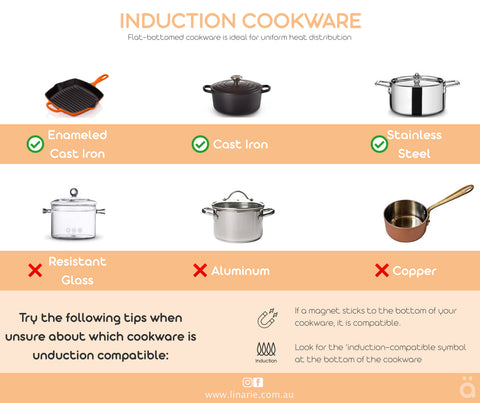
Induction cooktops rely on magnetic fields to heat cookware. Compatible cookware includes those made of ferrous metals like cast iron and stainless steel. Ensure the cookware has a flat bottom for optimal heat transfer.
Induction cooktops have revolutionized the way we cook, offering both speed and precision. Unlike traditional stovetops that use direct heat, induction cooktops utilize an electromagnetic field. This field directly heats the cookware, making it essential to understand what types of cookware are compatible. But before diving into cookware options, let’s explore the fascinating mechanics of how induction cooktops work.Magnetic Field Basics
Induction cooktops rely on electromagnetic fields to generate heat. When you turn on an induction burner, a copper coil beneath the glass surface creates a magnetic field. If your cookware is magnetic, it will interact with this field, causing the cookware itself to heat up. This means that only the pan gets hot, while the cooktop remains cool to the touch. Ever noticed how some pots just won’t heat up on induction? That’s because they’re not made of magnetic materials like cast iron or stainless steel.Energy Efficiency Benefits
One of the standout features of induction cooktops is their energy efficiency. Traditional gas and electric stoves lose a lot of energy, warming the air around them rather than just the pot. Induction cooktops, however, transfer energy directly to the cookware, minimizing heat loss. This not only speeds up cooking times but also reduces energy consumption. Have you ever cooked a meal and wondered why your kitchen feels like a sauna? With induction, you can say goodbye to excess heat. Choosing the right cookware is crucial to fully benefit from an induction cooktop’s efficiency and precision. Next time you shop for pots and pans, remember that a simple magnet test can save you a lot of hassle. Does your cookware pass the induction test?
Credit: www.omichef.com
Materials Suitable For Induction
Induction cooktops are a modern kitchen marvel. They rely on magnetic fields to heat cookware. This unique method demands special materials. Only certain cookware is compatible with induction surfaces. The right materials ensure efficient cooking. Let’s explore the best options for induction cooktops.
Cast Iron Cookware
Cast iron is a top choice for induction cooktops. Its heavy construction works well with magnetic fields. This material distributes heat evenly. It retains heat for longer periods. Cast iron is versatile and durable. It’s perfect for slow cooking and searing.
Stainless Steel Options
Stainless steel is highly compatible with induction cooktops. Not all stainless steel cookware works, though. Look for pots and pans with a magnetic core. This ensures the cookware responds to induction heat. Stainless steel is easy to maintain. It’s resistant to rust and stains.
Carbon Steel Choices
Carbon steel is another excellent option. It combines the best of cast iron and stainless steel. This material is lightweight and conducts heat quickly. Carbon steel pans are ideal for frying and sautéing. They develop a non-stick surface over time. Ensure the pan has a magnetic base for induction use.
Unsuitable Cookware Materials
Cast iron and stainless steel work well with induction cooktops. Avoid aluminum, copper, and glass as they lack magnetic properties necessary for induction.
Induction cooktops offer a sleek, efficient way to cook, but not all cookware is compatible. If you’ve ever tried using your favorite pot only to have nothing happen, you’re not alone. Understanding which materials don’t work with induction can save you time and frustration.Aluminum Cookware
Aluminum is a popular choice for many home cooks due to its affordability and excellent heat conduction. However, it lacks the magnetic properties required for induction cooking. If you have a beloved aluminum pan, consider using a disc adapter to make it induction-friendly.Copper Cookware
Copper, known for its superior thermal conductivity, is another material that doesn’t naturally work with induction. While it’s great for controlling cooking temperatures, the absence of magnetic properties means it won’t heat up on an induction cooktop. Imagine planning a gourmet meal only to realize your elegant copper pots are incompatible. It’s a good idea to check if they have a magnetic base before cooking.Glass And Ceramic Pots
Glass and ceramic pots are often favored for their aesthetic appeal and easy cleaning. Unfortunately, their non-magnetic nature makes them unsuitable for induction. Ever tried to boil water in a glass pot on induction? You’d still be waiting! If you love the look of glass or ceramic, look for alternatives specifically designed for induction. Have you ever had a cookware compatibility mishap? Share your stories and tips in the comments below!Testing Cookware Compatibility
Induction cooktops require specific cookware to function effectively. Only pots and pans with magnetic bases work on these surfaces. Stainless steel and cast iron are often ideal choices for induction compatibility.
Testing whether your cookware is compatible with an induction cooktop can save you time and frustration in the kitchen. While induction cooking is efficient and precise, not all pots and pans will work with these cooktops. It’s essential to understand which cookware will heat effectively on an induction surface. Below are some practical ways to test your cookware for compatibility, ensuring your culinary adventures remain smooth and hassle-free.Magnet Test For Cookware
One simple way to determine if your cookware is induction-ready is by using a magnet. Place a magnet at the base of your pot or pan. If it sticks firmly, your cookware is compatible. This test works because induction cooking relies on magnetic fields. Cookware that attracts a magnet typically has a ferrous metal base, ideal for induction cooktops. Not all magnets are created equal, so use a standard fridge magnet for accurate testing. If the magnet only partially sticks or slides off, the cookware may not heat efficiently on an induction cooktop.Checking Manufacturer Labels
Another straightforward method is to check the manufacturer’s labels or packaging. Most modern cookware will indicate whether it is induction compatible. Look for symbols such as a coil or the word “induction” on the label. If you can’t find this information on the packaging, it’s worth checking the manufacturer’s website. Many brands provide detailed specifications online, including induction compatibility. Sometimes, cookware is marketed as “all stovetops” compatible. In these cases, double-check for specific induction labeling to avoid any cooking mishaps.Choosing The Right Cookware
Choosing the right cookware for your induction cooktop is crucial for achieving optimal cooking results. Induction cooktops require magnetic-based cookware to function effectively, transforming your cooking experience into one of precision and efficiency. But how do you choose the right pieces without breaking the bank or compromising on quality?
Budget Considerations
Your budget plays a significant role in selecting cookware. While it might be tempting to splurge on high-end brands, consider starting with affordable options that still deliver great performance. Brands like T-fal and Cuisinart offer induction-compatible sets that won’t empty your wallet. Remember, even budget-friendly cookware can provide excellent results if it meets the necessary magnetic requirements.
Think about buying individual pieces instead of sets. This allows you to mix and match based on your cooking needs without overspending. Look for sales and discounts, as many stores offer great deals during holiday seasons.
Performance And Durability
When it comes to performance, stainless steel and cast iron are top choices. They offer even heat distribution and are known for their durability. Stainless steel is less prone to rust and easier to maintain, while cast iron provides superior heat retention.
Consider the thickness of the cookware. Thicker bases often lead to better performance, as they resist warping and ensure even cooking. Also, check for compatibility symbols or labels to ensure your cookware is induction-ready.
Ask yourself: How often do you cook? If you’re an avid cook, investing in high-quality, durable cookware can save you money in the long run by avoiding frequent replacements.
Innovative Cookware Options
Induction cooktops have become a popular choice due to their efficiency and precise temperature control. But, finding the right cookware can be a challenge. Luckily, innovative cookware options are now available, designed to maximize your induction cooking experience. These options not only enhance your cooking but also offer versatility and longevity.
Hybrid Cookware Designs
Hybrid cookware designs are transforming the way we think about induction cooking. These pieces blend different materials like stainless steel and aluminum, combining the best of both worlds. They offer excellent heat conduction and magnetic compatibility, ensuring fast and even cooking.
Imagine preparing a meal where your pan heats up in seconds, saving you time and energy. Hybrid designs often feature a stainless steel exterior with an aluminum core, making them perfect for induction cooktops. Have you tried a hybrid skillet? It’s a game-changer for searing meats or sautéing vegetables.
Induction-friendly Nonstick
Nonstick cookware is a staple in many kitchens, and now it’s available in induction-friendly versions. These pans have a magnetic base that works seamlessly with induction cooktops. The nonstick surface allows for easy food release and simple cleanup, ideal for everyday cooking.
Picture flipping pancakes or frying an egg without worrying about sticking or burning. Induction-friendly nonstick pans are great for cooking delicate foods that require precise temperature control. If you love making morning omelets, investing in one of these pans might just enhance your breakfast routine.
Choosing the right cookware can significantly impact your cooking experience. With hybrid designs and induction-friendly nonstick options, you can enjoy the benefits of induction cooking without sacrificing performance or convenience. What innovative cookware will you try next?
Care Tips For Induction Cookware
Choosing the right cookware for induction cooktops is essential. Opt for pots and pans made of magnetic stainless steel or cast iron. These materials work well and ensure efficient cooking on induction surfaces.
Induction cookware is a modern marvel, offering efficiency and precision in the kitchen. However, taking care of these specialized pots and pans is crucial to maintain their performance and longevity. Whether you’re a seasoned chef or just exploring the joys of induction cooking, understanding how to properly care for your cookware is vital. Let’s dive into some practical care tips that ensure your induction cookware remains in top-notch condition.Cleaning And Maintenance
Cleaning your induction cookware doesn’t have to be a chore. Start by allowing the cookware to cool completely before washing. This prevents warping and damage from sudden temperature changes. Use mild dish soap and a soft sponge or cloth to gently clean the surface. Avoid abrasive pads or cleaners, as they can scratch the cookware and reduce its efficiency. A regular maintenance routine can extend the life of your cookware. Make it a habit to inspect the bottom of the pots and pans for residue build-up. A little vinegar mixed with water can remove stubborn stains and keep the magnetic base functioning optimally.Preventing Scratches And Damage
Scratches can be a real concern with induction cookware, affecting its functionality and appearance. To prevent scratches, never drag the cookware across the cooktop. Lift it instead to reposition. Consider using silicone or wooden utensils rather than metal ones, as these are less likely to scratch the surface. If you stack your cookware, place a soft cloth or paper towel between each piece to avoid direct contact and potential damage. What are your personal tricks for keeping your cookware pristine? Share your insights to help others in the kitchen!
Credit: www.nuwavenow.com
Frequently Asked Questions
What Cookware Works On Induction Cooktops?
Cookware must be magnetic for induction compatibility. Materials like cast iron and stainless steel work well. Aluminum and copper pans require a magnetic base. Always check the manufacturer’s label for induction suitability to ensure optimal cooking performance.
Do Non-stick Pans Work On Induction Cooktops?
Non-stick pans can work on induction cooktops if they have a magnetic base. Check the bottom of the pan for an induction-compatible symbol. Ensure the pan is flat for even heat distribution and efficient cooking.
Is Stainless Steel Cookware Induction-compatible?
Stainless steel is often induction-compatible, but not always. Ensure the cookware has a magnetic layer. Check for an induction symbol on the base. If a magnet sticks to the bottom, it’s suitable for induction cooking.
Can I Use Cast Iron On Induction Cooktops?
Yes, cast iron is perfect for induction cooktops. It heats evenly and retains heat well. Ensure the base is smooth to avoid scratching the cooktop. Season the cast iron regularly for optimal performance and longevity.
Conclusion
Choosing cookware for induction cooktops doesn’t have to be hard. Look for magnetic bases. Cast iron and stainless steel work well. Avoid aluminum, copper, and glass. These don’t create a magnetic field. Test your pots with a magnet. If it sticks, they’re good to go.
Options like enameled cast iron offer style and function. Keep these tips in mind during your next purchase. You’ll enjoy efficient cooking on your induction cooktop. Happy cooking!