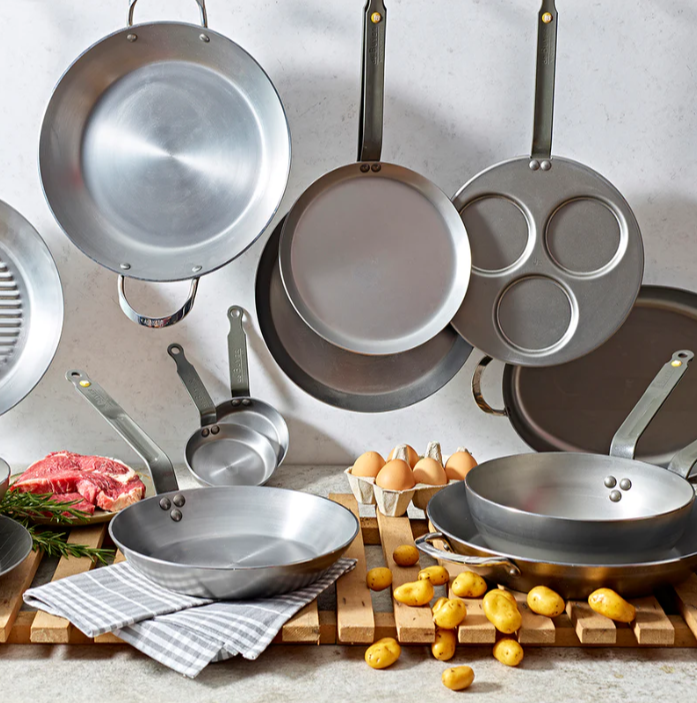
Imagine you’re in the kitchen, ready to whip up a delicious meal. You reach for your trusty pan and notice the label: anodized cookware.
What does that mean, exactly? Understanding the term ‘anodized’ can revolutionize your cooking experience and your choice of kitchen tools. You deserve to know why anodized cookware could be the perfect companion for your culinary adventures. It’s not just about durability or sleek design; it’s about the science behind those features that elevate your cooking.
When you discover the benefits of anodized cookware, you’ll find yourself drawn to its unique qualities that promise better meals and easier cleanup. Dive into this article and uncover the secrets of anodized cookware. Learn how it can transform your cooking, making it more efficient and enjoyable. Whether you’re a seasoned chef or a passionate home cook, this insight could be the missing piece to perfecting your kitchen repertoire. Ready to unlock the potential of your cookware? Let’s explore what anodized really means for you.

Credit: majesticchef.pk
Anodizing Process
The anodizing process is key in cookware manufacturing. It enhances durability and resistance. This process is popular for improving cookware quality. Let’s explore how anodizing transforms ordinary metal into superior cookware.
Definition And Basics
Anodizing is an electrochemical technique. It thickens the natural oxide layer on metal surfaces. This layer protects against corrosion and wear. The process involves immersing metal in an acid electrolyte bath. An electric current passes through, creating a protective coating. The result is a durable and non-reactive surface.
Materials Used
Aluminum is the primary material used in anodizing. It’s lightweight, conducts heat well, and is non-toxic. These properties make it ideal for cookware. Other metals can be anodized, but aluminum is most common. The process enhances aluminum’s natural strengths.
Steps Involved
The anodizing process follows several steps. Each step is crucial to achieve the desired finish.
- Cleaning: The metal surface is cleaned thoroughly. This removes dirt and grease.
- Etching: The surface is etched to roughen it. This helps the coating adhere better.
- Anodizing: The metal is immersed in an acid bath. An electric current is applied. This forms the oxide layer.
- Sealing: The surface is sealed to close pores. This enhances durability and prevents corrosion.
These steps ensure a high-quality anodized finish. Anodized cookware is robust and long-lasting.
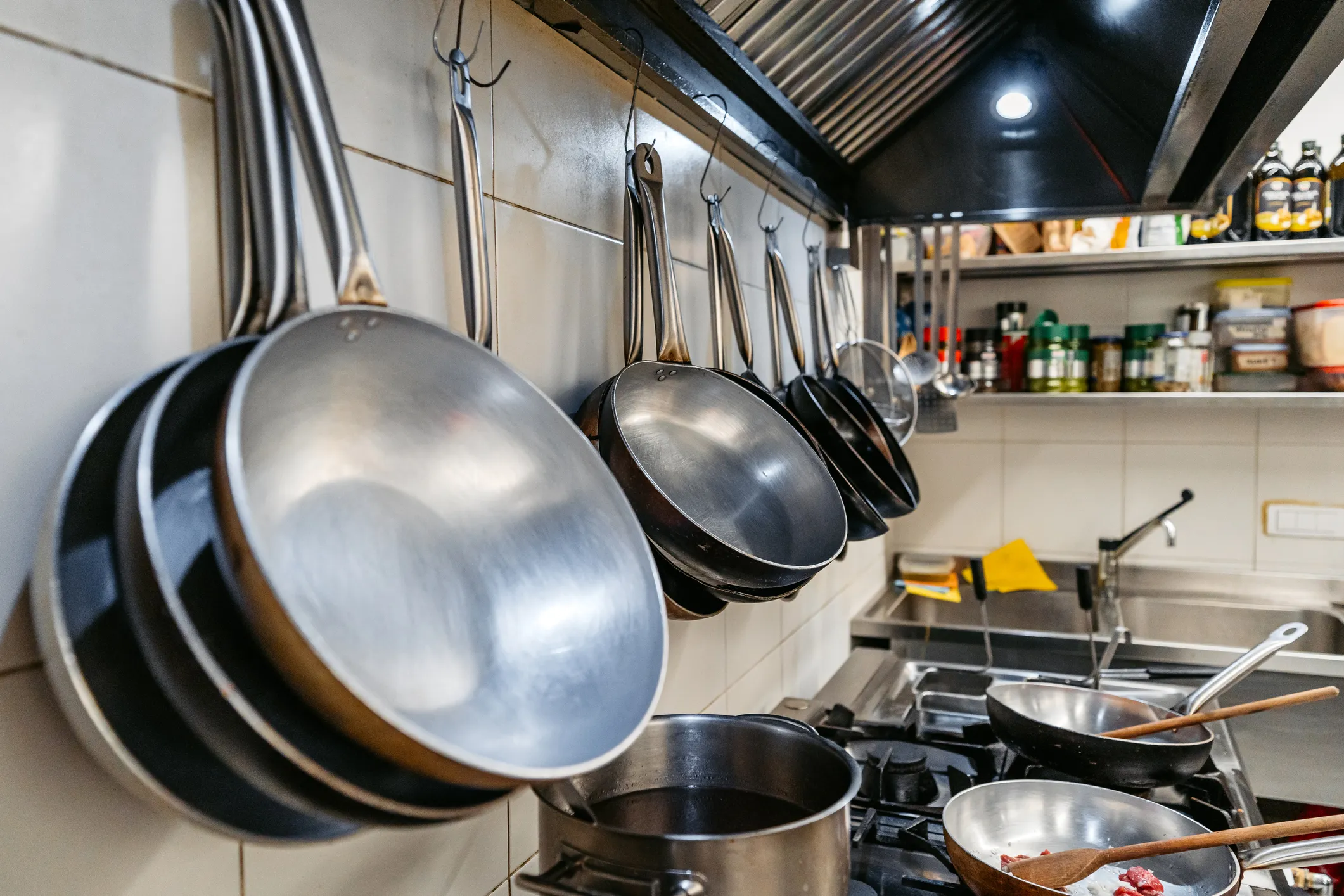
Credit: schaumburgspecialties.com
Benefits Of Anodized Cookware
Anodized cookware features a protective layer that enhances durability and prevents rust. It distributes heat evenly, ensuring efficient cooking. This makes it a popular choice for both amateur and experienced cooks.
The benefits of anodized cookware are numerous and compelling. As someone who spends a lot of time in the kitchen, you know that the quality of your cookware can significantly impact your cooking experience. Anodized cookware stands out because of its unique attributes, making it a favorite among culinary enthusiasts. Let’s dive into the specific advantages this type of cookware offers.Durability And Strength
Anodized cookware is known for its remarkable durability. The anodizing process enhances the strength of the metal, making it resistant to scratches and dents. This means your cookware will last longer, even with daily use. Imagine cooking a family meal without worrying about damaging your pots and pans. With anodized cookware, you can sauté, fry, and simmer without fear of wear and tear.Non-stick Properties
One of the standout features of anodized cookware is its excellent non-stick surface. Unlike traditional non-stick pans that can peel over time, anodized surfaces are more resilient. This makes cooking and cleaning a breeze. You can enjoy preparing dishes like omelets or stir-fries with minimal oil, knowing your food will slide right off the pan. Have you ever struggled to clean a stubborn sticky mess? With anodized cookware, those days are behind you.Heat Conductivity
Efficient heat conductivity is another reason to love anodized cookware. It heats evenly, reducing the risk of hot spots that can burn food. This consistency leads to better cooking results and saves you from the frustration of unevenly cooked meals. Picture your pancakes perfectly golden and your sauces simmered to perfection. Anodized cookware ensures that every meal is cooked uniformly, enhancing your culinary creations. These benefits make anodized cookware a versatile and valuable addition to any kitchen. Whether you’re an amateur cook or a seasoned chef, understanding these advantages can transform your cooking experience. What dish will you perfect next with your anodized cookware?Types Of Anodized Cookware
Anodized cookware refers to pots and pans that undergo an electrochemical process, enhancing durability and resistance to corrosion. Hard-anodized and soft-anodized are two popular types, differing mainly in their thickness and strength. This process creates a non-stick surface, ideal for everyday cooking needs.
Understanding the types of anodized cookware can help you make informed decisions in your kitchen. Anodized cookware is popular for its durability, non-stick properties, and even heat distribution. However, not all anodized cookware is created equal.Hard Anodized
Hard anodized cookware is renowned for its durability and resistance to scratches. It’s created by submerging aluminum in an acid electrolyte bath and then subjecting it to an electrical current. This process makes the surface harder than steel, providing you with a robust cooking option that can withstand daily use. This type of cookware often features a non-stick surface, making it easy to clean. You can cook with less oil, which is a healthier option. If you love experimenting with new recipes, hard anodized cookware is a reliable choice that can handle high temperatures.Regular Anodized
Regular anodized cookware, while not as robust as its hard counterpart, still offers significant benefits. The anodizing process strengthens the aluminum, providing a reasonable level of durability and resistance to corrosion. It’s a great option if you’re looking for something lighter and less expensive than hard anodized. Though it may not offer the same level of scratch resistance, regular anodized cookware still provides a decent non-stick surface. This makes it suitable for everyday cooking tasks. Consider if the lighter weight might be more suitable for your cooking style and storage needs. Choosing between these types of anodized cookware often comes down to balancing cost, durability, and your specific cooking requirements. What’s your priority in the kitchen? Durability or affordability?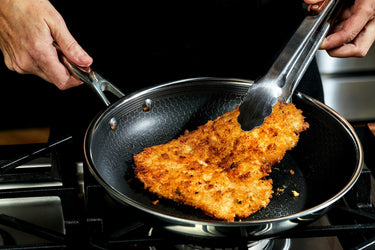
Credit: hexclad.com
Care And Maintenance
Anodized cookware features a durable coating that resists scratches and corrosion. Regular cleaning with mild soap and a soft sponge is essential to maintain its finish. Avoid abrasive cleaners to keep the surface intact.
Caring for your anodized cookware is essential to maintain its performance and longevity. Proper care not only preserves the non-stick properties but also keeps it looking new. Whether you’re a seasoned chef or a culinary beginner, understanding how to maintain your cookware can transform your cooking experience.Cleaning Tips
Anodized cookware requires gentle cleaning to protect its surface. Always allow the pan to cool before washing to prevent warping. Use a soft sponge or cloth with mild dish soap to clean. Avoid steel wool or abrasive pads as they can scratch the surface. If food sticks, soak the cookware in warm soapy water before cleaning. A mixture of baking soda and water can help remove stubborn stains.Avoiding Damage
To keep your anodized cookware in top shape, use only wooden or silicone utensils. Metal utensils can scratch and damage the non-stick coating. Store your pans carefully, avoiding stacking them directly on top of one another. Place a soft cloth or paper towel between them to protect the surface. Consider the heat settings as well. High heat can damage the anodized layer, so stick to low or medium heat for most cooking tasks. This not only protects the cookware but also enhances the flavor of your dishes. Have you ever noticed a difference in your cooking results when you follow these care tips? Paying attention to these details can make all the difference in your kitchen adventures.Comparing Anodized With Other Cookware
When shopping for cookware, the term ‘anodized’ often pops up, sparking curiosity about its benefits compared to other materials. Anodized cookware offers unique advantages that might sway your decision. Let’s dive into how it stacks up against stainless steel, ceramic, and non-stick options.
Stainless Steel
Stainless steel cookware is renowned for its durability and sleek appearance. It’s perfect for searing and browning, but it can be a challenge when it comes to cleaning. Anodized cookware, on the other hand, offers a non-reactive surface that simplifies cleanup. While stainless steel can be unforgiving with stuck-on food, anodized cookware’s smooth surface helps you avoid these kitchen nightmares.
Have you ever tried to scramble eggs in a stainless steel pan? It’s a sticky mess unless you master the art of pre-heating and oiling. Anodized cookware gives you a smoother ride, reducing the chance of food sticking and making your cooking experience more enjoyable.
Ceramic
Ceramic cookware is often chosen for its aesthetic appeal and non-toxic nature. However, it can be fragile, prone to chipping and cracking. Anodized cookware offers a robust alternative, combining durability with a non-stick surface that ceramic often lacks. This means you can enjoy worry-free cooking without the fear of damaging your pots and pans.
Think about the last time you hosted a dinner party. Ceramic cookware might look beautiful on the table, but anodized offers the peace of mind that it won’t easily break if bumped or dropped. It’s a practical choice for busy kitchens where durability matters.
Non-stick
Non-stick cookware is popular for its easy-release surface, but it often lacks the longevity of anodized options. Anodized cookware provides a similar non-stick experience without the risk of peeling or flaking over time. This means you can enjoy cooking without the constant worry of replacing worn-out pans.
Consider how many times you’ve had to replace a non-stick pan because of scratches or loss of coating. Anodized cookware’s tougher surface resists wear and tear, saving you money and hassle in the long run. It’s a smart investment for those who value both performance and endurance in the kitchen.
Choosing The Right Anodized Cookware
Anodized cookware offers enhanced durability and resistance to corrosion. The anodizing process strengthens the metal, creating a non-stick surface. Ideal for even heat distribution, this type of cookware is a popular choice for many kitchens.
Choosing the Right Anodized Cookware Finding the perfect anodized cookware can transform your culinary experience. With so many options available, it’s essential to know what to look for. Whether you’re upgrading or starting from scratch, choosing wisely can make cooking more enjoyable and efficient.Factors To Consider
Selecting the right anodized cookware involves assessing several key factors. First, consider the heat conductivity. Anodized cookware is known for even heat distribution, reducing the risk of hot spots. Next, think about durability. Anodized layers prevent scratches and corrosion, ensuring longevity. However, check if the cookware is dishwasher-safe to align with your cleaning preferences. Another crucial factor is your cooking style. Do you need oven-safe pans? Are you planning to use metal utensils? These considerations will guide you to the best choice for your kitchen needs.Top Brands
Several brands stand out in the anodized cookware market, renowned for quality and performance. Calphalon is a popular choice, offering a range of options that balance affordability and durability. All-Clad is another top-tier brand, known for premium quality and professional-grade cookware. While it may require a higher investment, many find it worth the cost for its exceptional performance. For those on a budget, T-fal offers reliable anodized cookware without breaking the bank. Its products are user-friendly and provide excellent value for money. Choosing the right anodized cookware can feel overwhelming, but focusing on these factors and brands can simplify the process. What feature is most important to you in your cookware selection?Frequently Asked Questions
What Is Anodized Cookware?
Anodized cookware is made from aluminum treated with an electrochemical process. This process enhances durability and prevents corrosion. Anodized cookware is non-reactive, making it safe for acidic foods. It also provides even heat distribution, ensuring efficient cooking. Its surface is smooth, which makes cleaning easy.
How Is Anodized Cookware Made?
Anodized cookware is crafted by treating aluminum with an electrochemical process. This treatment forms a protective oxide layer. This layer is durable and resistant to corrosion. The process improves heat conductivity and creates a non-stick surface. The cookware becomes strong and long-lasting.
Is Anodized Cookware Safe To Use?
Yes, anodized cookware is safe to use. The anodizing process makes the surface non-reactive. This prevents leaching of metals into food. It is free from harmful chemicals like PFOA. Its durable nature ensures it remains intact. Anodized cookware is a healthy choice for daily cooking.
What Are The Benefits Of Anodized Cookware?
Anodized cookware offers multiple benefits. It provides excellent heat distribution for even cooking. Its non-stick surface allows easy food release. The cookware is resistant to scratches and corrosion. It is easy to clean and maintain. Anodized cookware is durable, ensuring long-term use.
Conclusion
Anodized cookware offers durability and safety for your kitchen needs. It resists scratches and maintains a smooth surface. Heat distributes evenly, improving cooking results. Cleaning is easy, saving you time. Cooking with anodized pots and pans enhances efficiency. Choosing anodized means investing in quality.
Your meals benefit from better heat management. Enjoy reliable performance with every use. Consider your budget and cooking style. Anodized cookware suits various cooking techniques. It remains a top choice for both beginners and seasoned chefs. Explore options to find what fits best.
Make informed decisions for your culinary adventures.