Are you curious about whether your cookware is compatible with your induction cooktop? Identifying induction cookware might seem tricky, but it’s easier than you think.
Imagine the convenience of effortlessly preparing meals with cookware that heats up faster and cooks evenly. Knowing how to pick the right pots and pans can transform your cooking experience, saving you time and energy. This guide will reveal simple tricks to help you spot induction-friendly cookware in no time.
Get ready to unlock the secret to seamless cooking and unleash the full potential of your kitchen setup. Don’t miss out—read on to ensure your cookware works harmoniously with your induction cooktop, delivering the best culinary results every time.

Credit: www.omichef.com
Induction Cooking Basics
Induction cooking is rapidly gaining popularity among home cooks and professional chefs alike. Its unique way of heating is both efficient and safe, offering a modern alternative to traditional gas and electric cooktops. But to enjoy its full potential, it’s essential to understand how it works and identify the right cookware.
How Induction Cooktops Work
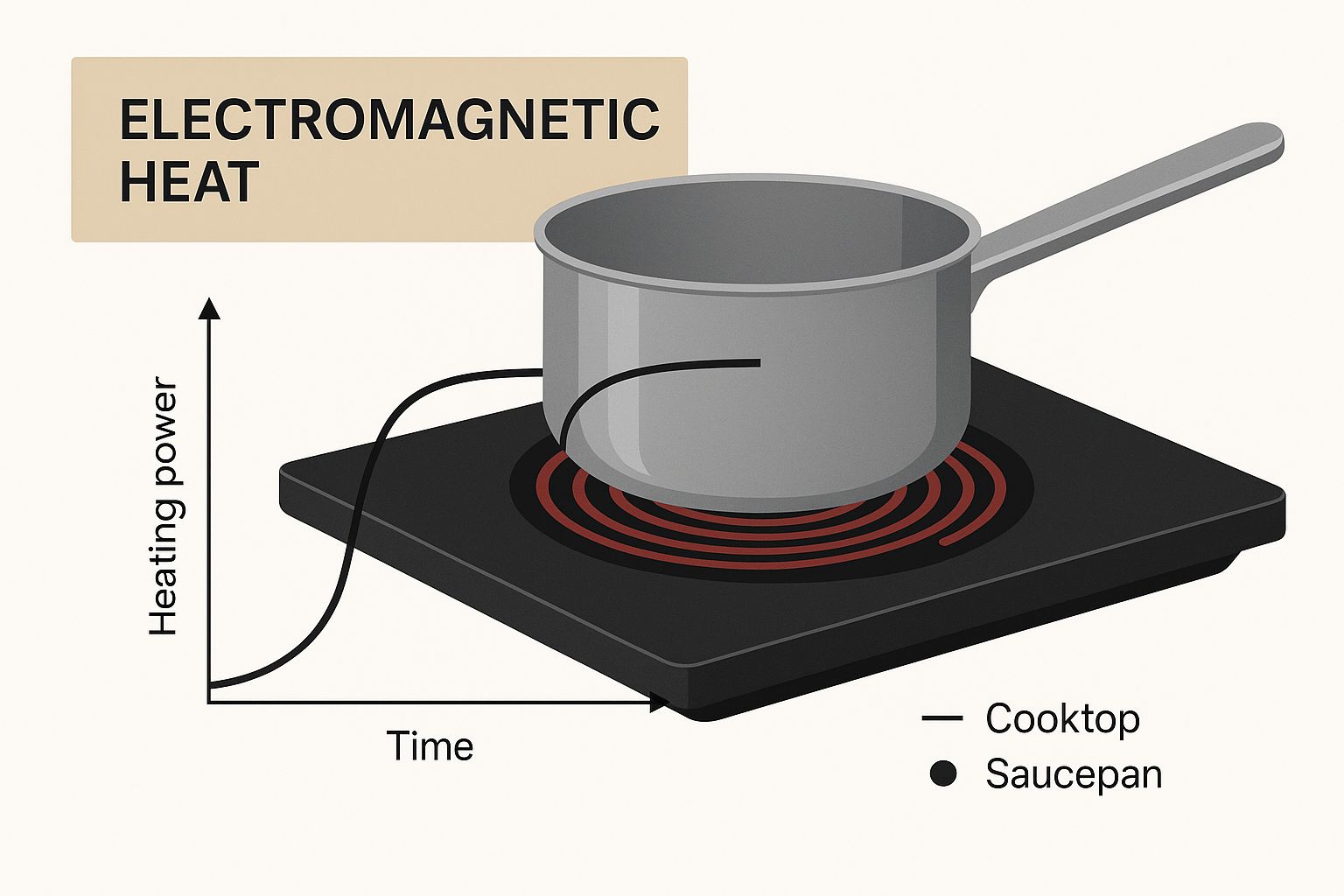
Induction cooktops use electromagnetic fields to heat pots and pans directly. Unlike traditional methods, the cooktop itself remains cool, and only the cookware heats up. This is achieved through a magnetic reaction between the cooktop’s coils and the metal in the cookware.
It’s fascinating to see water boil in a fraction of the time it takes on a gas stove. You might even find yourself questioning why you didn’t switch sooner. However, this efficiency is only possible if your cookware is induction-compatible.
Benefits Of Induction Cooking
Induction cooking offers several benefits that can enhance your cooking experience. One of the most significant advantages is speed. Meals can be prepared faster, giving you more time to savor them.
Safety is another key benefit. Since the cooktop surface stays cool, there’s a reduced risk of burns. Additionally, induction cooktops often come with automatic shut-off features that add an extra layer of safety.
Energy efficiency is a bonus. By directly heating the cookware, induction cooking uses less electricity, which can lower your energy bills. Imagine the impact this could have on your monthly expenses!
Have you ever wondered how much time and energy you could save with the right cookware? It’s worth considering as you explore the world of induction cooking.

Credit: www.restaurantsupply.com
Key Features Of Induction Cookware
Understanding the key features of induction cookware is essential for any kitchen enthusiast. Induction cooking relies on electromagnetic fields to heat pots and pans. Not all cookware works on induction stovetops. Certain attributes make cookware suitable for induction cooking.
Magnetic Material Requirement
Induction cookware must have a magnetic base. This magnetic property allows for efficient heat transfer. Common materials include stainless steel and cast iron. Aluminum and copper don’t work unless they have a magnetic layer.
Flat Bottom Design
A flat bottom ensures proper contact with the induction surface. This helps in even heating and prevents wobbling. Avoid cookware with a warped or rounded base. Smooth surfaces improve the cooking experience.
Size Considerations
Choose cookware that matches the size of your induction zone. Too large or too small can affect performance. Proper fit maximizes efficiency and safety. Check your stove’s specifications for best results.
Simple Tests For Compatibility
Check for a magnetic bottom using a fridge magnet. This simple test determines if cookware is induction-ready. Induction-compatible pots and pans must attract the magnet to work efficiently.
Induction cookware is essential for modern kitchens. Identifying compatible pieces can be tricky. Simple tests can help ensure your cookware works well with induction cooktops. These tests focus on material compatibility. They are easy and require minimal tools. Let’s explore two popular methods.The Magnet Test
Induction cookware must have a magnetic base. This test is quick and effective. Grab a small magnet, like a fridge magnet. Place it at the bottom of your cookware. If the magnet sticks firmly, it’s compatible. If it doesn’t, it might not work with induction. This test is simple but reliable.Water Boiling Test
Another test involves boiling water. Pour a small amount of water into the pot. Place it on your induction cooktop. Turn on the heat and watch closely. Compatible cookware heats up quickly. The water should boil within a few minutes. If it takes longer, the cookware may not be suitable. This test helps confirm compatibility.Common Induction Cookware Materials
Choosing the right cookware for induction cooking can be tricky. Not all materials work on induction cooktops. Some materials are magnetic, making them suitable for induction cooking. Understanding these materials helps you select the best cookware for your needs.
Cast Iron
Cast iron is a favorite for induction cooking. Its heavy, durable nature ensures even heat distribution. This material is naturally magnetic, making it perfect for induction. Cast iron pans are excellent for slow-cooking dishes. They hold heat well, providing consistent cooking results.
Stainless Steel
Stainless steel cookware is another great option. This material is durable and resistant to corrosion. Not all stainless steel is induction-ready, though. Look for stainless steel with a magnetic base. This ensures compatibility with induction cooktops. Stainless steel is versatile and works for many cooking methods.
Aluminum With Magnetic Base
Aluminum is lightweight and a good heat conductor. But by itself, it doesn’t work on induction cooktops. Many aluminum cookware pieces come with a magnetic base. This base allows the aluminum to work with induction cooking. Aluminum with a magnetic base is efficient and heats quickly.
Label And Packaging Indicators
Identifying induction cookware can be simple with label and packaging indicators. These labels often contain essential information that confirms compatibility with induction stoves. Knowing what to look for on labels helps make informed choices. Here’s how to decode these indicators effectively.
Induction Symbol
The induction symbol is a common indicator. It resembles a coil or a series of loops. This symbol confirms that the cookware is suitable for induction cooking. Check the bottom of the cookware or its packaging for this symbol.
Reading Manufacturer Labels
Manufacturer labels provide detailed information. Look for phrases like “induction compatible” or “suitable for induction.” These labels offer clear confirmation. It’s important to read them carefully.
- Check for specific compatibility mentions.
- Find symbols indicating induction readiness.
- Ensure clarity in compatibility descriptions.
Tips For Purchasing Induction Cookware
Choosing induction cookware involves understanding specific features. Induction cooktops use electromagnetic fields, requiring compatible cookware. The cookware must have a magnetic base for proper functioning. Let’s explore crucial tips to make the best purchase.
Budget-friendly Options
Finding affordable induction cookware doesn’t mean sacrificing quality. Look for sets offering the essentials like pots and pans. Stainless steel is often a cost-effective choice. Check for magnetic compatibility using a magnet. If it sticks, the cookware is suitable for induction.
Consider shopping during sales or looking for discounts. Many brands offer quality at a lower price. Compare different brands and read reviews. This helps in finding the best value for money.
Long-term Durability
Durability is crucial for induction cookware. Opt for materials known for lasting quality. Cast iron and heavy-duty stainless steel are excellent choices. They withstand high temperatures and resist wear.
Examine the construction of the cookware. Solid handles and strong rivets indicate durability. Avoid cookware with flimsy parts. Investing a bit more initially can save money in the long run.
Ensure the base is thick and sturdy. A good base promotes even heat distribution. This prevents warping and prolongs the life of the cookware.
Credit: charbroilers.com
Frequently Asked Questions
What Is Induction Cookware?
Induction cookware is specifically designed for induction cooktops. It has magnetic properties that allow it to heat efficiently. Typically, induction-compatible cookware is made of stainless steel or cast iron. Check for a “magnetic base” label or use a magnet to test compatibility.
How Can I Test Cookware For Induction?
To test cookware for induction compatibility, use a magnet. If the magnet sticks firmly to the bottom, it’s suitable for induction cooking. This indicates that the cookware has a magnetic base, essential for induction heating.
Are All Stainless Steel Pans Induction-ready?
Not all stainless steel pans are induction-ready. Some have non-magnetic bases, making them unsuitable for induction cooktops. Always check for an induction compatibility label or test with a magnet. Only pans with magnetic properties will work efficiently on induction stoves.
Why Does Induction Cookware Need A Magnetic Base?
Induction cookware needs a magnetic base to work efficiently with induction cooktops. The cooktop generates a magnetic field, which heats the cookware directly. Without a magnetic base, cookware won’t heat properly, resulting in ineffective cooking.
Conclusion
Choosing the right induction cookware is essential for effective cooking. Check for a magnetic base to ensure compatibility. Bring a magnet to the store; it’s a handy test. Many cookware sets clearly label induction-friendly items. Look for these labels for easy identification.
Explore different materials; stainless steel and cast iron often work best. Remember, size matters. Ensure the cookware fits your induction hob properly. Investing time in selection saves future hassles. Enjoy hassle-free cooking with the right tools. Your meals will cook evenly and efficiently, giving you more time to savor.
Happy cooking!