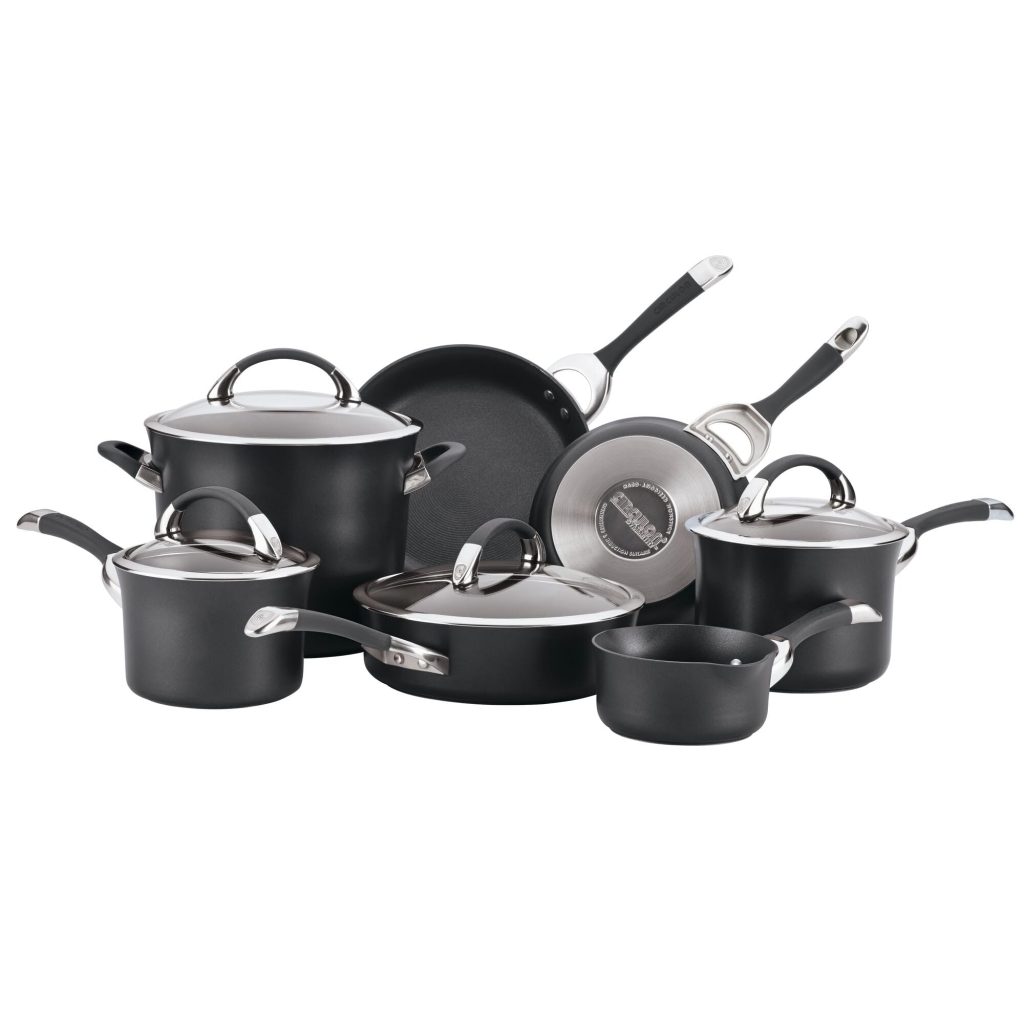
Imagine upgrading your kitchen with cookware that’s not only durable but also enhances your cooking experience. Hard anodised cookware might be just what you’re looking for.
But what exactly is hard anodised cookware, and why should you consider it for your culinary adventures? If you’re tired of dealing with pots and pans that wear out quickly or are hard to clean, you’re in the right place.
This introduction to hard anodised cookware will reveal why it’s becoming a favorite choice among home cooks and professional chefs alike. You’ll discover the benefits it offers, from its superior strength to its non-stick properties, and how it can transform the way you cook and care for your kitchen essentials. Keep reading to find out how hard anodised cookware can become your new kitchen ally, making every meal preparation smoother and more enjoyable.
What Is Hard Anodised Cookware
Hard anodised cookware is popular in kitchens worldwide. It’s known for durability and performance. This cookware is made using an electrochemical process. The process makes the surface hard and non-reactive. It resembles the strength of stainless steel. Yet, it retains the lightness of aluminium.
Understanding Hard Anodisation
Hard anodisation involves an electrochemical process. Aluminium surfaces are oxidized. This creates a strong, hard layer. It resists scratches and corrosion. The cookware is safer for cooking acidic foods. This is because the surface doesn’t react with food.
This cookware offers many benefits. It’s highly durable and long-lasting. It heats evenly for better cooking results. The surface is non-stick without harmful chemicals. Cleaning is easier, saving time in the kitchen. The cookware is also lightweight, reducing kitchen strain.
How To Care For Hard Anodised Cookware
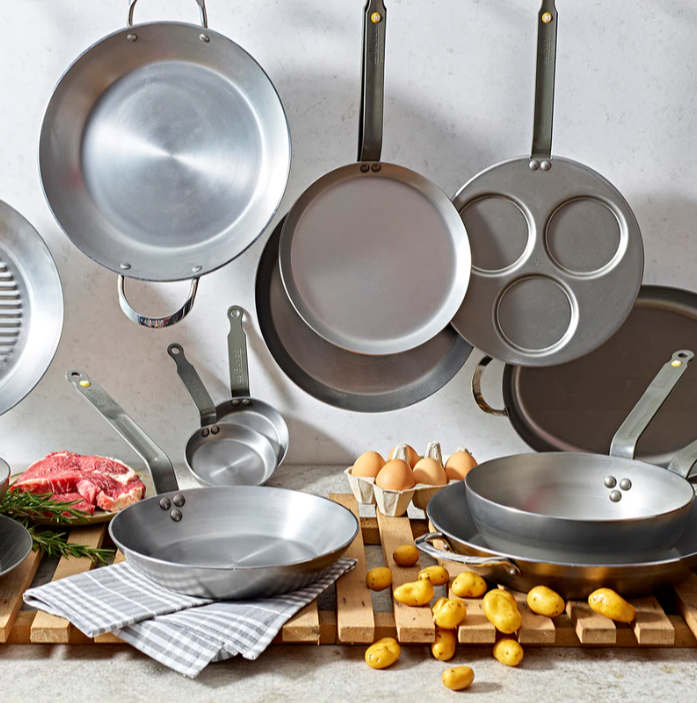
Use gentle dish soap and a soft sponge for cleaning. Avoid metal utensils to protect the surface. Handwashing extends the cookware’s life. Store carefully to prevent scratching. Proper care ensures long-lasting performance.
Credit: www.debuyer-usa.com
Manufacturing Process
The manufacturing process of hard anodised cookware is a fascinating journey from raw materials to durable kitchen essentials. Understanding this process not only highlights the craftsmanship involved but also informs you about the lasting benefits of using such cookware. Let’s dive into the specific techniques and material choices that define this manufacturing marvel.
Anodising Technique
Anodising is the pivotal technique in crafting hard anodised cookware. It involves an electrochemical process where aluminum is submerged in an acid electrolyte bath. By passing an electric current through the solution, the surface of the aluminum is transformed into a corrosion-resistant oxide layer. This layer is robust, ensuring your cookware withstands the test of time.
Why does this matter to you? Anodising not only enhances durability but also prevents your cookware from reacting with acidic foods. Imagine cooking a tomato-based sauce without worrying about metal leaching. This peace of mind is a direct result of the anodising process.
Material Selection
The choice of material is crucial in crafting hard anodised cookware. Aluminum is typically the material of choice due to its lightweight nature and excellent heat conductivity. These properties ensure even cooking, reducing the chances of hot spots which can spoil your culinary creations.
Ever wondered why your food cooks so evenly in hard anodised pots? It’s the aluminum’s ability to distribute heat uniformly. This efficiency means you’re less likely to burn your meals, making cooking a more enjoyable experience. Next time you sauté vegetables, notice how they cook evenly, thanks to the careful selection of materials in your cookware.
Have you considered how your choice of cookware affects your cooking? Armed with this knowledge, you can make informed decisions, ensuring your kitchen is equipped with tools that not only enhance your cooking but also provide lasting durability.
Benefits Of Hard Anodised Cookware
Hard anodised cookware is popular for its many benefits. It combines durability, excellent heat conductivity, and non-stick properties. These features make cooking easier and more enjoyable. Let’s explore these benefits further.
Durability
Hard anodised cookware is incredibly strong. It resists scratches, dents, and corrosion. This cookware lasts longer than many others. It can handle heavy use in the kitchen. Its tough surface stays intact even with metal utensils.
Heat Conductivity
This cookware heats evenly. It distributes heat across the surface well. This means no hot spots when cooking. Food cooks faster and more evenly. It helps in achieving better cooking results.
Non-stick Properties
The surface is naturally non-stick. Cooking with less oil is possible. Food releases easily from the surface. Cleaning is simple and quick. It’s an excellent choice for healthy cooking.

Credit: www.amazon.ca
Comparing With Other Cookware Types
Hard anodised cookware stands out for its durability and scratch resistance. Compared to stainless steel, it heats evenly and retains heat well. Unlike non-stick pans, it offers a longer lifespan and is less prone to warping.
Hard anodised cookware has gained popularity for its durability and non-stick properties. But how does it compare with other types of cookware? Each material offers unique benefits and considerations. Understanding these differences can help you choose the right cookware for your kitchen needs. Let’s delve into how hard anodised stacks up against stainless steel, cast iron, and ceramic cookware.Stainless Steel
Stainless steel is a kitchen staple known for its durability and resistance to rust. It excels in browning and searing due to its ability to withstand high heat. However, it may require more oil to prevent food from sticking compared to hard anodised options. Hard anodised cookware often has a non-stick coating, making it easier to clean than stainless steel. While stainless steel is dishwasher safe, hard anodised cookware typically needs hand washing to maintain its surface. Consider how much time you want to spend cleaning your cookware when making your choice.Cast Iron
Cast iron cookware is famed for its heat retention and ability to add iron to your diet. Its weight can be both an advantage and a drawback. While it provides stability, it can also be cumbersome to handle. Unlike cast iron, hard anodised cookware heats evenly and quickly without the need for seasoning. It is also less prone to rusting if not dried properly. If you prefer low-maintenance cookware, hard anodised might be a better option.Ceramic
Ceramic cookware is celebrated for its aesthetic appeal and non-toxic nature. It provides a smooth, non-stick surface that is often free of harmful chemicals. However, its surface can be prone to chipping and scratching over time. Hard anodised cookware offers a balance of durability and non-stick convenience, often at a lower cost than high-end ceramic options. While ceramic can handle moderate heat, hard anodised can withstand higher temperatures, making it more versatile for various cooking methods. Choosing the right cookware involves weighing these factors against your cooking habits and preferences. What matters most to you: ease of cleaning, durability, or perhaps the ability to cook at high temperatures? Consider these aspects to make an informed decision for your culinary adventures.Care And Maintenance
Hard anodised cookware is durable and resistant to scratches. Regular cleaning with mild soap maintains its non-stick surface. Avoid using metal utensils to prevent damage.
Taking care of your hard anodised cookware is essential to maintain its durability and performance. Proper maintenance not only extends the life of your pots and pans but also ensures that they remain safe and enjoyable to use. With a few simple tips, you can keep your cookware in top shape without the hassle. Let’s dive into some effective cleaning and maintenance practices.Cleaning Tips
Cleaning hard anodised cookware doesn’t have to be a chore. Begin by allowing the cookware to cool down after use. This helps prevent warping and makes cleaning easier. Use warm water and a mild dish soap to gently scrub the surface with a soft sponge. Avoid abrasive cleaners or scrub pads, as they can scratch the finish. For stubborn stains or stuck-on food, a mixture of baking soda and water can be your best friend. Apply the paste to the affected area and let it sit for a few minutes before gently scrubbing. This method helps to lift stains without damaging the surface.Avoiding Damage
Protect your hard anodised cookware by using utensils made of wood, silicone, or plastic. Metal tools can scratch the surface, which might lead to damage over time. Always use low to medium heat settings to prevent overheating, which can compromise the integrity of the cookware. Avoid using your cookware in the oven unless it is specifically rated for oven use. High temperatures can affect the anodised coating and lead to discoloration or warping. Check the manufacturer’s guidelines for temperature limits to ensure safe usage. By following these care and maintenance tips, you can enjoy your hard anodised cookware for years to come. Are there any other practices you find useful for maintaining your kitchen essentials? Share your thoughts and experiences!Choosing The Right Hard Anodised Cookware
Hard anodised cookware is made from aluminium, treated to enhance durability and heat resistance. It offers a non-stick surface without chemicals, ideal for healthy cooking. This cookware is scratch-resistant, ensuring longevity and easy maintenance, making it a popular choice for everyday use.
Choosing the right hard anodised cookware requires careful consideration. This type of cookware is durable and resistant to scratches. It heats evenly, making it ideal for cooking various dishes. But not all hard anodised cookware is the same. Several factors can help you make the best choice. Let’s dive into the essentials that will guide you in picking the perfect set.Size And Design
The size and design of your cookware matter. Choose pots and pans that match your cooking needs. Small families may prefer smaller sets. Larger families might need bigger pieces. Consider the design as well. Sleek designs can complement your kitchen’s look. Handles should be comfortable and secure. Check if lids fit well to prevent spills.Budget Considerations
Budget plays a crucial role in your decision. Hard anodised cookware comes in different price ranges. Set a budget that fits your financial plan. Look for sets that offer the best value. Compare prices from various brands. Sometimes, more expensive doesn’t mean better. Quality is key, so read reviews and product details.Popular Brands
Hard anodised cookware has gained popularity for its durability and performance. Many brands offer a variety of options, catering to different preferences and budgets. Knowing popular brands can help you choose the right cookware for your kitchen.
Brand Features
Popular brands offer unique features to stand out. Some focus on even heat distribution, ensuring consistent cooking results. Others prioritize non-stick surfaces that make cleaning easier. Durability is another key feature, with many brands providing scratch-resistant surfaces.
Design also plays a role. Some brands offer sleek, modern designs that enhance kitchen aesthetics. Compatibility with various heat sources, like induction and gas, is important. Many brands also offer ergonomic handles for comfortable grip.
Customer Reviews
Customer reviews offer insights into cookware performance. Many users praise the durability of hard anodised cookware. They appreciate its resistance to wear and tear. The non-stick quality is often highlighted, making cooking and cleaning simpler.
Heat distribution is another common positive point. Users report even cooking results across different dishes. Negative reviews often focus on weight, as some users find the cookware heavy. Others mention issues with handles that heat up during cooking.

Credit: www.amazon.ca
Frequently Asked Questions
What Is Hard Anodised Cookware?
Hard anodised cookware is made from aluminium that undergoes an electrochemical process. This process increases the thickness of the natural oxide layer, making it more durable and resistant to corrosion. It is popular for its non-stick properties and even heat distribution, making it a favorite choice in kitchens.
How Is Hard Anodised Cookware Made?
Hard anodised cookware is made by immersing aluminium in a chemical bath. An electric current is applied, creating a hard, protective surface. This layer enhances durability and scratch resistance, making the cookware suitable for daily use. It also ensures even heat distribution for better cooking performance.
Is Hard Anodised Cookware Safe?
Yes, hard anodised cookware is safe for cooking. The anodising process creates a non-reactive surface, preventing aluminium from leaching into food. It is free from harmful chemicals like PFOA and PTFE, making it a safer choice. Its durability also ensures long-term use without degradation.
Why Choose Hard Anodised Cookware?
Hard anodised cookware offers several benefits, including durability and even heat distribution. Its non-stick surface makes cooking and cleaning easier. This type of cookware is resistant to scratches and corrosion, making it a long-lasting option. It is ideal for both professional and home kitchens.
Conclusion
Hard anodised cookware offers durability and safety. It’s a smart choice for kitchens. The non-stick surface makes cooking and cleaning easy. Suitable for many recipes. Perfect for chefs and home cooks. Consider the cost and maintenance. These pots and pans can last years.
They resist scratches and heat well. Cooking with them is enjoyable. Explore the options available. Find the right set for your needs. Hard anodised cookware makes cooking simpler. Enhance your cooking experience today. Choose wisely for better meals. Quality cookware matters.
It’s all about making life easier in the kitchen.