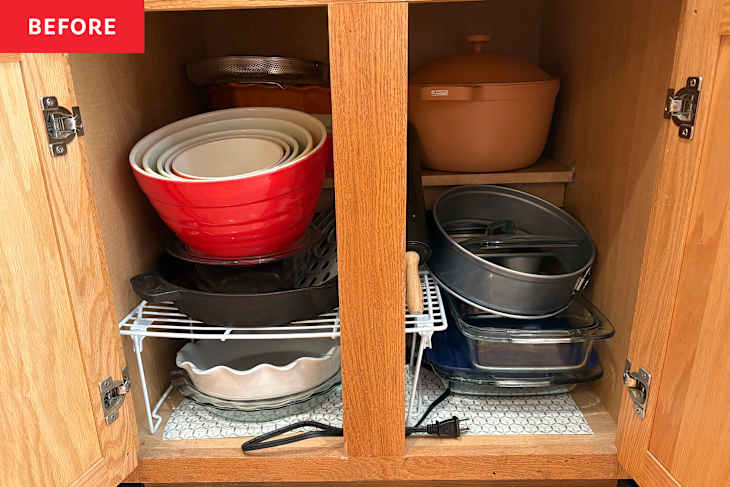
Imagine the relief of knowing your kitchen items are safely stored away, ready for use whenever you need them. Whether you’re moving, renovating, or simply decluttering, packing your kitchen for storage can be a daunting task.
But it doesn’t have to be overwhelming. You might wonder how to protect fragile items, organize efficiently, or ensure everything fits neatly. These concerns are common, and you’re not alone in feeling a bit anxious about the process. By the end of this article, you’ll discover simple, actionable steps to pack your kitchen like a pro, ensuring your cherished belongings are secure and easily accessible.
Dive into these tips and tricks to make packing your kitchen a breeze, saving you time, effort, and worry. Let’s transform your packing experience into a seamless and stress-free activity.
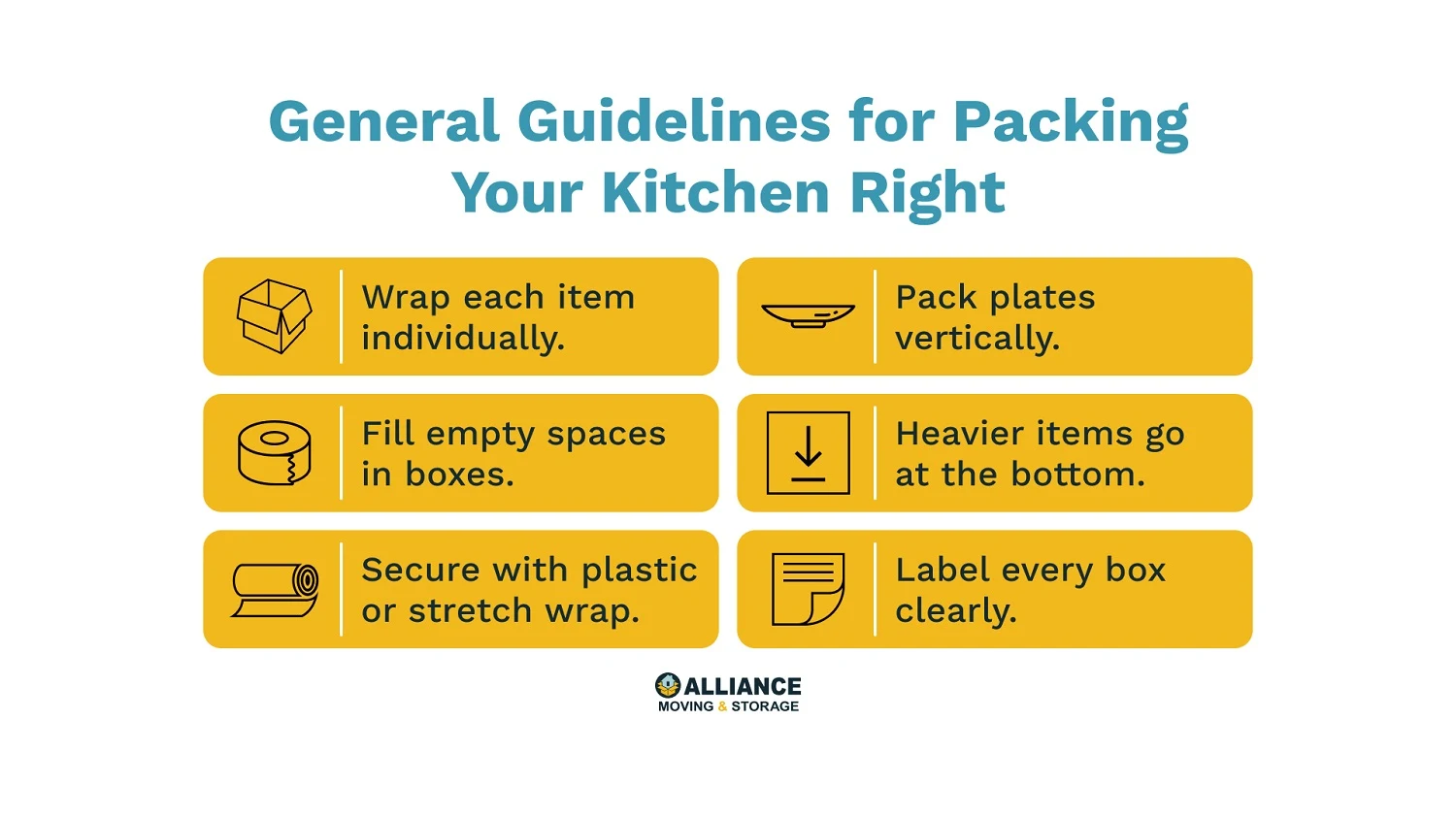
Credit: www.alliancemoving.com
Assessing Kitchen Inventory
Assessing your kitchen inventory is the first step in packing. It helps you know what you have and what you need to store. This process makes packing easier and more organized. You can avoid unnecessary storage costs by knowing what to keep.
Categorizing Items
Start by grouping similar items together. Put all dishes in one pile, cookware in another. This makes packing more efficient. You can also decide what to donate or discard. Label each category for easy identification. This helps when unpacking later.
Identifying Fragile Items
Look for items that can break easily. Glassware, ceramics, and china need special care. Wrap each fragile item in bubble wrap or paper. Use sturdy boxes to prevent damage. Label these boxes as “fragile” to ensure careful handling. This reduces the risk of breakage during storage.

Credit: www.amazon.com
Gathering Packing Supplies
Gather essential packing supplies like sturdy boxes, bubble wrap, and packing paper. Ensure each item is secure and cushioned. Label boxes clearly for easy unpacking later.
Packing your kitchen for storage can be a daunting task, but starting with the right supplies makes the process smoother. Think of it as setting a strong foundation for your packing journey. Without the right tools, you might find yourself struggling with broken dishes or damaged cookware. So, what do you need to kickstart this adventure? Let’s dive into the essentials.Choosing Boxes
Selecting the right boxes is crucial. You might be tempted to grab any available box, but kitchen items demand sturdy containers. Opt for strong, double-walled boxes to hold heavier items like pots and pans. Consider using smaller boxes for delicate items such as glassware and dishes, ensuring they won’t shift around and break. Have you ever had a box split open at the worst possible moment? Avoid that disaster by choosing wisely.Bubble Wrap And Padding
Bubble wrap isn’t just for popping. It’s your best friend in protecting fragile items. Wrap each glass, plate, and ceramic piece in bubble wrap, then secure with tape. For added protection, use padding like packing paper or foam inserts to fill gaps in boxes. Don’t underestimate the power of a well-packed box; it can save you from unfortunate surprises when unpacking. Have you ever unpacked a box only to find broken shards? Proper padding can prevent that heartache. By gathering these supplies, you’re setting the stage for a successful packing endeavor. Are you ready to tackle your kitchen with confidence?Packing Dishes And Glassware
Packing a kitchen for storage requires care, especially for dishes and glassware. Fragile items need extra protection to avoid breakage. Following simple steps can help keep your belongings safe.
Read on to discover effective ways to pack your plates and glassware.
Stacking Plates Safely
Wrap each plate with packing paper. Ensure full coverage to prevent scratches.
Place a paper layer between each stacked plate. This creates a cushion.
Use a sturdy box. Line it with crumpled paper to absorb shock.
Stack plates vertically. This reduces pressure and minimizes the risk of breakage.
Fill any gaps with paper. This prevents movement during transit.
Protecting Glassware
Wrap each glass individually. Use bubble wrap for added protection.
Secure the wrapping with tape. This keeps it in place.
Use dividers in boxes. This prevents glasses from touching each other.
Place heavier items at the bottom. Lighter items go on top.
Fill gaps with crumpled paper. This keeps items from shifting.
Label boxes as fragile. This alerts handlers to take extra care.
Safeguarding Appliances
Protecting your kitchen appliances is crucial when preparing for storage. Wrap each appliance in bubble wrap to prevent scratches. Secure cords with twist ties and label everything for easy unpacking.
Safeguarding your appliances during a move or while putting your kitchen into storage is crucial. Appliances are not only valuable but also essential to your daily life. Properly packing them ensures they remain in good condition, saving you from potential hassles and repair costs.Cleaning And Preparing Appliances
Before you pack, give your appliances a thorough cleaning. Removing grime and food particles can prevent unpleasant odors and mold growth. A clean appliance is less likely to attract pests, ensuring it remains in prime condition while stored. Unplug all appliances a day before packing to allow them to cool down. This is especially important for fridges and freezers. Once unplugged, wipe down any moisture to prevent mildew. If your appliance has removable parts, such as trays or shelves, take them out and pack them separately. This minimizes the risk of breakage during transit. Label each part so you can easily reassemble them later.Using Original Boxes
If you’ve kept the original boxes of your appliances, now is the time to use them. These boxes are designed to fit the appliance perfectly, offering maximum protection. They often come with custom-shaped Styrofoam or cardboard that supports the appliance during movement. In case the original boxes are unavailable, find sturdy boxes that can snugly fit your appliances. Ensure there’s enough cushioning around the appliance using bubble wrap or packing paper. You might think it’s unnecessary, but these small steps can prevent dents and scratches. When sealing the boxes, use strong packing tape to avoid accidental openings. Consider double-taping the bottom of heavy boxes for extra security. This simple step can make a significant difference in ensuring your appliances stay safe and secure.Sorting Utensils And Cutlery
Organizing utensils and cutlery is essential before packing your kitchen. It helps avoid chaos later. Start by grouping similar items together. This saves time when unpacking. Separate forks, spoons, knives, and cooking tools.
Label everything clearly. Use markers or stickers. This simple step ensures you find what you need without hassle. A little effort now makes unpacking smoother.
Bundling Silverware
Gather all silverware. Wrap them in bundles. Use rubber bands or twist ties. Secure them tightly. This prevents scratching and keeps them organized.
Place each bundle in a zip-top bag. This adds extra protection. Label the bags for quick identification later. Neat bundles save space in boxes.
Boxing Cooking Tools
Cooking tools vary in size and shape. First, separate small and large items. Wrap fragile tools in bubble wrap. This avoids damage during transit.
Place smaller tools in a box. Use crumpled paper for padding. Fill gaps to prevent movement. For larger tools, use a sturdy box. Label each box clearly. Organize for easy access.
Storing Pots And Pans
Efficiently pack pots and pans by nesting them to save space. Protect surfaces with paper or bubble wrap. Store lids vertically in a separate box to prevent scratches.
Storing pots and pans can be a daunting task when packing your kitchen for storage. These essential kitchen items come in various sizes and materials, requiring careful handling to prevent damage.Arranging By Size
Efficiently storing pots and pans starts with arranging them by size. This method not only saves space but also makes retrieval easier. Stack similar-sized pots and pans together, placing the larger ones at the bottom and the smaller ones on top. Consider how you stack them in your kitchen cabinet. Apply the same logic here to maximize space.Using Protective Layers
Protective layers are crucial in preventing scratches or dents. Use materials like bubble wrap, packing paper, or even old towels to wrap each item individually. Create a barrier between stacked pans to prevent them from rubbing against each other. Consider using dish towels if you’re short on packing materials; they work wonders in cushioning delicate surfaces. What’s your go-to method for storing pots and pans?Labeling Boxes Effectively
Labeling boxes clearly ensures a smooth kitchen packing process. Use bold markers to write contents and destination rooms. Stick labels on multiple sides for easy visibility and quick access.
Packing a kitchen for storage can be a daunting task, especially when it comes to keeping track of all those pots, pans, and endless small gadgets. Labeling boxes effectively is crucial to ensure that finding your items later is a breeze. Proper labeling not only saves you time but also helps in maintaining a sense of organization amidst the chaos of moving or storing.Creating Detailed Labels
Detailed labels are your best friend when packing kitchen items. Start by listing what’s inside each box on the outside. Instead of just writing “kitchen stuff,” be specific—use phrases like “baking utensils” or “coffee mugs.” Consider adding a brief note on the condition or quantity of items, such as “fragile glassware” or “set of 8 plates.” This level of detail will make unpacking much easier and help you prioritize which boxes to open first.Color Coding System
A color coding system can further enhance your labeling strategy. Assign a color to each category of kitchen items. For example, use red for cooking utensils, blue for dinnerware, and green for pantry items. Use colored markers or stickers to identify each box at a glance. This visual cue can significantly speed up the unpacking process, especially if you’re dealing with a large number of boxes. Have you ever considered how much time you could save with a splash of color? By investing a bit of effort upfront, you can make the transition into your new space smoother and more efficient.
Credit: www.amazon.com
Organizing Food Items
Begin by sorting food items into categories like canned goods, spices, and perishables. Use sturdy boxes and label each with its contents. Wrap fragile items in bubble wrap to prevent damage during storage.
Packing up your kitchen can be a daunting task, especially when it comes to organizing food items. Whether you’re moving, renovating, or simply storing, thoughtful planning can save you time and prevent waste. With a little effort, your food items can be organized efficiently and securely for their time in storage.Packing Non-perishable Goods
Start by sorting through your pantry. Group similar items together like canned goods, pasta, and spices. Use sturdy boxes or plastic bins to pack these items. Make sure the containers are clean and dry before use. Label each box clearly with its contents. This will save you from rummaging through boxes to find that elusive can of beans later. Consider using color-coded labels for different categories. Place heavier items at the bottom and lighter ones on top to prevent crushing. If you have partially used items, seal them tightly to keep them fresh. Think about the last time you couldn’t find a spice while cooking—prevent that frustration by organizing now.Handling Perishable Items
Perishable items require special care. If you’re storing for a short time, consider freezing items like meats and vegetables. Invest in vacuum-sealed bags to extend their shelf life. Before packing perishables, check expiration dates. Discard anything that won’t last through your storage period. This will ensure that you only keep items you can use later. For long-term storage, it’s best to donate perishables to friends or local shelters. Why let them spoil when they could be of use to someone else? It’s a practical way to reduce waste and do some good. Are you ready to tackle your kitchen packing like a pro? These steps will help you organize food items efficiently, making your move or renovation smoother and more manageable.Utilizing Storage Units
Packing a kitchen for storage involves organizing items efficiently. Wrap fragile dishes in bubble wrap or paper. Use sturdy boxes for heavy pots and pans, labeling each for easy access.
Packing your kitchen for storage can feel like a daunting task, especially when you have to find a suitable place for all those appliances, dishes, and utensils. Utilizing storage units can be a game changer, offering a safe and organized space to keep your kitchen essentials secure and accessible. But how do you make the most out of a storage unit? Let’s dive into some key considerations.Choosing The Right Size
The size of your storage unit matters. You don’t want to pay for more space than you need, nor do you want to cram everything into a unit that’s too small. Start by assessing the volume of items from your kitchen. Are you storing just a few boxes, or do you have larger appliances like a refrigerator or oven? Make a list of all items, then visualize how much space they’ll occupy. It might be helpful to stack boxes or use storage bins to get a sense of the space required. Many storage facilities offer size guides which can assist you in making a decision. Choose a unit that offers a bit of extra space for easy access and future additions.Climate Control Considerations
Climate control is crucial when storing kitchen items. Extreme temperatures can damage sensitive items such as electronics or wooden utensils. Humidity can lead to mold, especially on items like dish towels or wooden cutting boards. Consider opting for a climate-controlled unit, which keeps the temperature and humidity levels consistent. This is particularly important if you’re storing items for an extended period. Think about the last time you left a wooden spoon in a damp environment—it didn’t fare well, did it? Climate control ensures your kitchen items remain in the same condition as when you packed them. It’s a small investment that can save you from costly damage or the hassle of replacing items later. As you prepare to pack your kitchen for storage, ask yourself: are you making choices that ensure the longevity and safety of your items? Considering the right storage solutions can make all the difference in maintaining the integrity of your kitchen essentials.Safety Tips For Packing
Packing a kitchen for storage requires careful attention to safety. Wrap fragile items like glassware and dishes individually. Use sturdy boxes and label them clearly for easy access later.
Packing a kitchen for storage requires careful attention to safety. Properly securing items prevents damage and ensures easy access later. Follow these safety tips to keep your kitchen items safe and sound during storage.Avoiding Overpacking
Overpacking boxes can lead to breakages. Items can shift and crush each other. Use smaller boxes for heavy items. This reduces the risk of injury while lifting. Ensure boxes are not too full. Leave space to close them easily. Use packing material to fill gaps. This keeps items from moving inside the box.Securing Heavy Items
Heavy items need special care. Wrap them in bubble wrap or towels. This adds a protective layer. Use sturdy boxes designed for weight. Place heavy items at the bottom. Stack lighter ones on top. Seal the box with strong tape. Label boxes clearly. Indicate ‘heavy’ or ‘fragile’ to avoid mishandling.Frequently Asked Questions
How Do I Start Packing My Kitchen?
Begin by sorting items into categories: essentials, donate, and store. Pack non-essentials first, like seasonal items. Use sturdy boxes and label them clearly. Protect fragile items with bubble wrap or newspaper. Consider creating an inventory list to keep track of your packed items.
What Materials Do I Need For Packing?
You’ll need sturdy boxes, bubble wrap, packing paper, and tape. Use dividers for glassware and dish packs for plates. Label markers are essential for identifying contents. For heavy items, consider small boxes to prevent overloading. Protect edges with corner protectors or towels.
How Should I Pack Fragile Kitchen Items?
Wrap each item individually in bubble wrap or packing paper. Use dish packs for added protection. Place heavier items on the bottom and lighter ones on top. Fill empty spaces with paper to prevent shifting. Label boxes as “Fragile” to ensure careful handling.
Can I Pack Food For Long-term Storage?
Avoid packing perishable food items for long-term storage. Use up or donate items nearing expiration. For non-perishable goods, seal them in airtight containers or vacuum-seal bags. Ensure they are stored in a cool, dry place to maintain freshness.
Conclusion
Packing your kitchen for storage can seem challenging. Use sturdy boxes and bubble wrap. Label boxes clearly for easy unpacking. Group similar items together. Ensure lids are tight on containers. Protect fragile items with padding. Disassemble large appliances if possible.
Keep essential items accessible. Plan your packing strategy in advance. This saves time and reduces stress. Remember, organization is key. A well-packed kitchen ensures safe storage. It also makes future unpacking a breeze. With these tips, you can pack effectively.
Your kitchen items will stay safe and secure. Enjoy a clutter-free storage experience.