
Imagine standing in your kitchen, surrounded by various pots and pans, and wondering which is the safest choice for your family. You care about what goes into your meals, but have you ever considered what might be coming from your cookware?
You’re not alone. Many people are questioning the safety of their kitchen tools, especially with so many options available. Are you choosing the right ones? This article will explore the safest types of cookware to help you make informed choices.
Discover how your health, peace of mind, and culinary enjoyment can be enhanced by picking the right pots and pans. Let’s dive into the details that can make a world of difference in your cooking experience.

Credit: therationalkitchen.com
Types Of Cookware Materials
Choosing the safest cookware is crucial for health. Stainless steel and cast iron are popular options. Both materials are durable and free from harmful chemicals. Stainless steel resists corrosion while cast iron adds iron to food. Always ensure the cookware is well-made and from reputable brands.
Choosing the right cookware can make a big difference in your kitchen. Each material has its unique properties, benefits, and potential health concerns. Understanding these can help you make an informed decision about what’s best for you and your family. Let’s dive into some popular cookware materials.Stainless Steel
Stainless steel is a popular choice for many home cooks. It’s durable, resists rust, and doesn’t react with acidic foods. This means you can cook tomato sauce or lemon chicken without worrying about metallic flavors. One thing to keep in mind is that stainless steel isn’t the best conductor of heat. Look for options with aluminum or copper cores to ensure even cooking. Are you ready to enjoy cookware that lasts a lifetime?Cast Iron
Cast iron is revered for its heat retention capabilities. Once heated, it stays hot, making it perfect for searing meat or baking cornbread. If you love a well-seasoned pan, this might be your favorite. However, it requires a bit of maintenance. Regular seasoning is crucial to prevent rust and maintain its non-stick properties. Is the charm of a well-loved cast iron pan worth the effort for you?Non-stick Coatings
Non-stick coatings offer ease of use, especially for beginners. Foods like eggs and pancakes slide right off, making cooking and cleaning a breeze. They’re perfect for low-fat cooking as you need less oil. Yet, there are concerns about the safety of some non-stick coatings at high temperatures. Always use moderate heat and avoid metal utensils to prolong the life of the surface. Do you prefer convenience over durability?Ceramic
Ceramic cookware is known for its non-toxic properties. Made from natural materials, it’s an attractive option if you’re health-conscious. They also come in a variety of colors and styles, adding flair to your kitchen. However, they can be prone to chipping and may not last as long as other materials. Careful handling is necessary. Do you prioritize aesthetics and safety?Copper
Copper is prized for its excellent heat conductivity. It allows for precise temperature control, which is essential for delicate sauces and dishes. A beautiful copper pot can also be a statement piece in your kitchen. But, it can react with certain foods, so many copper pans are lined with stainless steel. They also require regular polishing to maintain their shine. Is the beauty of copper worth the extra care to you? Choosing the safest cookware depends on your cooking style and preferences. Which material aligns best with your kitchen goals?Health And Safety Considerations
Choosing the right cookware involves more than just style and price. Health and safety are crucial factors. You want cookware that doesn’t harm your body. Some types can leach chemicals. Others might not distribute heat evenly. Maintenance is also a key point. Let’s dive into these considerations.
Chemical Leaching Risks
Some cookware releases chemicals into your food. Non-stick pans can leach harmful compounds. PTFE coatings break down at high temperatures. Cast iron and stainless steel are safer options. They have fewer risks. Ceramic cookware is also a good choice. It has a natural non-stick surface.
Heat Conductivity And Distribution
Even heat distribution is vital. Uneven cooking can affect food quality. Copper cookware conducts heat well. It heats up quickly and evenly. Stainless steel is durable but less conductive. Aluminum is a good conductor. It heats evenly but may react with acidic foods.
Maintenance And Durability
Maintenance affects the lifespan of your cookware. Cast iron requires regular seasoning. This prevents rust and maintains its surface. Stainless steel is easy to clean. It resists scratches and dents. Non-stick pans need careful handling. Avoid metal utensils to keep the coating intact.
Environmental Impact
In today’s world, the cookware you choose does more than just prepare your meals—it impacts our planet. From the materials used to the end of a product’s life, every stage plays a role in the environment. Let’s explore how your cookware choices can either harm or help our planet.
Sustainability Of Materials
When choosing cookware, consider the source of its materials. Stainless steel, cast iron, and glass are often seen as environmentally friendly options. They are durable, reducing the need for frequent replacements.
Materials like aluminum and non-stick coatings might offer convenience but often come with environmental costs. Does your cookware come from renewable sources? Opting for items made from recycled or sustainably sourced materials can make a significant difference.
Manufacturing Processes
The way cookware is made can be just as important as what it’s made from. Processes that minimize energy use and emissions are better for the planet. Some manufacturers prioritize eco-friendly practices, using less water and fewer chemicals.
Think about the energy footprint of your cookware. Is the brand transparent about its environmental efforts? Supporting companies that are committed to sustainable production can lead to positive change.
Recycling And Disposal
What happens when your cookware reaches the end of its life? Recyclability is a key factor in minimizing environmental impact. Stainless steel and aluminum are often recyclable, while non-stick coatings can be more challenging to dispose of safely.
Consider how easy it is to recycle your cookware. Is there a take-back program or local recycling option? Ensuring that your old pots and pans don’t end up in a landfill is a crucial step in reducing your carbon footprint.
As you ponder your next cookware purchase, remember that your choices ripple beyond your kitchen. How can you make a positive impact on the planet with your next set of pots and pans?
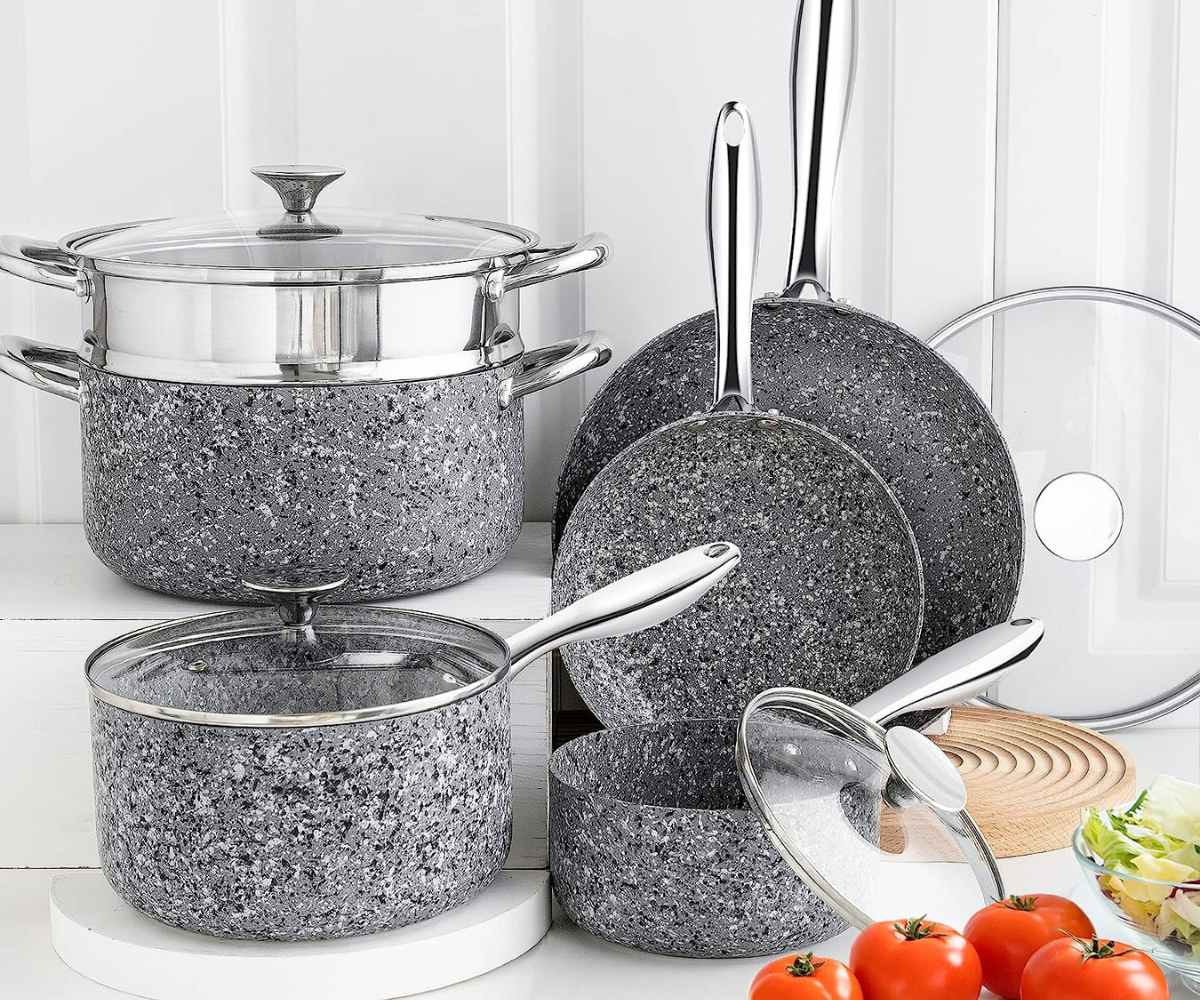
Credit: healthytasteoflife.com
Expert Recommendations
Choosing the safest cookware is important for health-conscious cooks. Experts provide valuable insights into which materials are best. Their advice often considers safety ratings, material pros and cons, and safe cooking practices. Let’s delve into these expert recommendations to ensure you make informed choices.
Safety Ratings And Certifications
Safety ratings guide you in selecting cookware. Look for certifications from trusted organizations. They ensure the material meets safety standards. These certifications often indicate non-toxic and durable cookware. Always check for labels that confirm the absence of harmful chemicals. This includes BPA, lead, and cadmium-free certifications.
Pros And Cons Of Each Material
Every cookware material has its advantages and drawbacks.
- Stainless Steel:Durable, rust-resistant, but may react with acidic foods.
- Cast Iron:Excellent heat retention, but heavy and requires maintenance.
- Ceramic:Non-stick and chemical-free, but can chip easily.
- Non-stick:Easy to clean, but may release fumes if overheated.
- Copper:Heats evenly, but can leach into food if unlined.
Best Practices For Safe Cooking
Adopt best practices to maintain cookware safety. Use low to medium heat for non-stick pans. Avoid metal utensils to prevent scratching. Regularly season cast iron to maintain its non-stick surface. Clean stainless steel with gentle, non-abrasive cleaners. Store cookware properly to avoid damage.
Choosing The Right Cookware
Choosing the right cookware can significantly impact your cooking experience and the safety of your meals. With a myriad of options available, it can be daunting to select the ideal cookware that aligns with your needs and lifestyle. This decision isn’t solely about aesthetics; it’s about practicality, safety, and long-term value. Let’s delve into the factors that can guide you in making the best choice.
Cooking Styles And Preferences
Your cooking style plays a crucial role in determining the best cookware for your kitchen. Are you someone who loves to sauté vegetables or simmer sauces? Non-stick pans can be perfect for these tasks, offering ease and efficiency. However, if you’re a fan of high-heat cooking or searing meats, stainless steel or cast iron might be more suitable. Each type of cookware has its unique benefits and limitations, so consider what you frequently cook and choose accordingly.
Budget Considerations
Your budget is another essential factor to consider when selecting cookware. Quality often comes with a price, but that doesn’t mean you can’t find excellent options at a lower cost. For example, investing in a few versatile pieces that you use often can be more beneficial than purchasing an expensive full set. Evaluate your needs, prioritize what’s essential, and balance quality with affordability. The right cookware doesn’t need to break the bank.
Long-term Usability
Think about the longevity of the cookware you plan to purchase. Is it durable enough to withstand frequent use over the years? Stainless steel and cast iron are known for their robustness and can last a lifetime if maintained properly. Non-stick and aluminum might require more frequent replacements. Consider how much time you’re willing to invest in maintenance and care. Durable cookware can save you money and hassle in the long run.
When choosing cookware, reflect on your cooking habits, financial capacity, and the longevity of the materials. How do these factors align with your daily cooking routine? Your choices can elevate your culinary experiences and ensure safety for your family. What will you prioritize in your next cookware purchase?

Credit: www.facebook.com
Frequently Asked Questions
What Is The Safest Cookware Material?
The safest cookware materials include stainless steel, cast iron, and ceramic. Stainless steel is non-reactive and durable. Cast iron retains heat well, and ceramic is free from harmful chemicals. Always ensure the cookware is free from toxic coatings and check for quality certifications.
Are Non-stick Pans Safe To Use?
Non-stick pans can be safe if used correctly. Opt for high-quality brands that are PFOA-free. Avoid overheating them, as this can release harmful fumes. Use wooden or silicone utensils to prevent scratching. Regularly check for wear and replace when the coating is damaged.
How Do I Choose Safe Cookware?
Choose cookware made from non-toxic materials like stainless steel, cast iron, or ceramic. Avoid those with harmful coatings. Check for certifications like FDA approval. Ensure they are free from PFOA, PTFE, and lead. Read reviews and opt for reputable brands known for safety.
Does Stainless Steel Cookware Leach Metals?
High-quality stainless steel cookware is generally safe and does not leach metals. It’s important to use cookware made from food-grade stainless steel. Avoid using it for acidic foods, as prolonged exposure can cause leaching. Regular maintenance and proper usage help ensure safety.
Conclusion
Choosing the safest cookware involves careful consideration. Prioritize materials like stainless steel, cast iron, or ceramic. These options are non-toxic and durable. They ensure healthier cooking and peace of mind. Avoid cookware with harmful coatings. They can release toxins when heated.
Always read labels and reviews before buying. Your health and safety come first. Remember, the right cookware can enhance your cooking experience. It also safeguards your well-being. Take the time to make informed choices. A little research today leads to safer meals tomorrow.
Happy cooking and stay safe in the kitchen!