
Are you ready to transform your kitchen into a hub of health and vitality? Organizing a Whole Foods kitchen isn’t just about tidying up; it’s about creating an environment that inspires better eating habits and makes meal prep a breeze.
Imagine opening your pantry to find everything you need at your fingertips, no more digging through clutter or wondering what’s expired. You’ll discover how small changes can make a big impact, turning your kitchen into a sanctuary of wellness and efficiency.
Dive in, and let’s unlock the secrets to a kitchen that nourishes both body and soul.
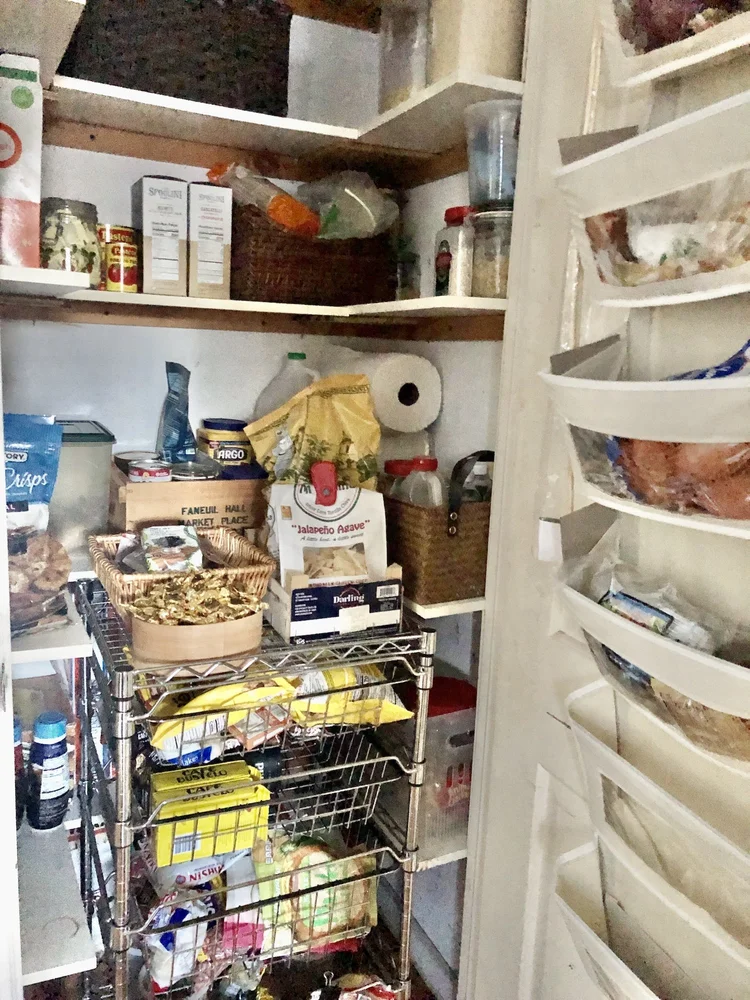
Credit: www.jrlinteriors.com
Whole Foods Kitchen Essentials
Efficiently organizing a whole foods kitchen involves categorizing ingredients by type. Keep grains, beans, and spices in clear containers for easy access. Utilize shelves to store fresh produce and label everything for quick identification.
In organizing a whole foods kitchen, essentials play a vital role. Proper tools make cooking natural and fun. Selecting the right appliances and utensils simplifies meal prep. A well-equipped kitchen boosts healthy eating habits.Must-have Appliances
Appliances make cooking easy and save time. A high-speed blender is essential for smoothies and sauces. Choose one with variable speeds for versatility. A food processor helps chop, slice, and mix quickly. It’s perfect for large batches and doughs. An instant pot combines multiple cooking methods. It steams, sautés, and slow cooks. This saves space and offers flexibility. An air fryer provides crispy textures with less oil. Great for fries and roasted veggies.Key Utensils And Tools
Quality utensils are necessary for effective cooking. A set of sharp knives is crucial. Include a chef’s knife, paring knife, and serrated knife. A cutting board protects surfaces and keeps ingredients separate. Choose a wooden or bamboo option for durability. Measuring cups and spoons ensure accurate ingredient amounts. Stainless steel or plastic sets are easy to clean. A sturdy whisk blends ingredients smoothly. It’s ideal for sauces and batters. Tongs assist in flipping and serving hot foods safely. Look for ones with a comfortable grip and heat resistance. These tools and appliances form the backbone of a whole foods kitchen. They enable diverse and nutritious meals.Stocking Your Pantry
Organize a whole foods kitchen by grouping similar items together. Store grains, nuts, and seeds in clear, labeled containers. Keep fresh produce in an easily accessible spot for quick meals.
Stocking your pantry with wholesome foods is key to a healthy kitchen. A well-organized pantry makes meal preparation easier and faster. It ensures you always have nutritious ingredients ready for delicious recipes. Let’s explore essential grains, legumes, spices, and herbs to keep your pantry stocked.Essential Grains And Legumes
Grains and legumes provide energy and protein. They are versatile and can be used in many dishes. Keep a variety of grains on hand. Consider brown rice, quinoa, and oats. These grains are nutritious and easy to cook. Legumes are excellent sources of protein and fiber. Stock your pantry with lentils, chickpeas, and black beans. These legumes can be added to soups, salads, and stews. Buying in bulk can save money and reduce packaging waste. Store them in airtight containers to keep them fresh. This method ensures a longer shelf life and prevents pests.Nutritious Spices And Herbs
Spices and herbs add flavor and health benefits to meals. They can transform simple dishes into flavorful delights. Keep essential spices like turmeric, cumin, and cinnamon. These spices are known for their health properties. Fresh or dried herbs such as basil, oregano, and thyme are must-haves. They enhance the taste of dishes and offer nutritional value. Organize your spices in a dedicated space for easy access. A spice rack or drawer can help keep them organized. Label containers to quickly find what you need. This setup saves time during cooking and keeps your pantry tidy. By stocking these essentials, your pantry becomes a hub for nutritious meals.Refrigerator Organization
Organizing a whole foods kitchen involves arranging your refrigerator efficiently. Place fresh produce in clear bins for easy access. Store similar items together, like dairy products or condiments, to save time searching.
Refrigerator organization can transform your whole foods kitchen. A well-organized fridge keeps ingredients fresh and accessible. It also reduces food waste and saves time. Learn the best practices for storing fresh produce and dairy products.Fresh Produce Storage
Fresh produce requires special care. Store fruits and vegetables in separate drawers. Most fruits emit ethylene gas. This can speed up the ripening of nearby veggies. Use breathable bags for leafy greens. They allow moisture escape, keeping greens crisp. For berries, use a container with a paper towel. It absorbs excess moisture, extending freshness.Dairy And Alternatives
Dairy and its alternatives need proper placement. Keep milk and plant-based milks on the bottom shelf. This spot maintains the coldest temperature. Store cheese in the dairy drawer. It controls humidity, preserving flavor and texture. Yogurt and sour cream stay fresh on upper shelves. Ensure they’re tightly sealed to prevent spoilage. These small steps ensure optimal freshness.Freezer Strategies
Organizing a whole foods kitchen involves smart freezer strategies. A well-organized freezer helps keep meals fresh and reduces waste. It also saves time and effort during busy days. Here are some effective strategies to optimize your freezer space.
Batch Cooking And Freezing
Batch cooking is a great way to prepare meals in advance. Cook large portions of soups, stews, or grains. Then, divide them into meal-sized servings. Place each serving in a freezer-safe container. This makes grabbing a quick meal easy and efficient. Frozen meals maintain their nutrients and flavor when stored properly. Plan your cooking schedule to include batch cooking days. This ensures a steady supply of ready-to-eat meals.
Proper Freezer Labeling
Proper labeling is key to an organized freezer. Use clear labels with the name and date of the meal. This prevents confusion and helps track food freshness. Use waterproof markers or labels that won’t fade. Store older items in front and newer ones at the back. This encourages using older items first, reducing waste. A well-labeled freezer makes meal planning stress-free and efficient.
Meal Planning Techniques
Organizing a whole foods kitchen begins with a clear plan. Group similar items together for easy access. Label containers to maintain order and save time during meal preparation.
Meal planning is crucial for a whole foods kitchen. It ensures your meals are balanced, nutritious, and easy to prepare. By organizing your meals ahead of time, you save time and reduce stress. Let’s explore some effective techniques for meal planning.Weekly Menu Planning
Creating a weekly menu helps you stay organized. Start by choosing meals you enjoy. Consider your schedule; plan simpler meals on busy days. Write down breakfast, lunch, and dinner ideas for each day. Include snacks and desserts if needed. This plan guides your shopping and cooking.Shopping List Creation
A shopping list keeps you focused and saves time. Begin with your weekly menu. Note ingredients you already have. List the items you need to buy. Organize the list by store section: produce, grains, dairy, etc. This makes shopping quicker and prevents impulse buys. Stick to the list for a whole foods kitchen.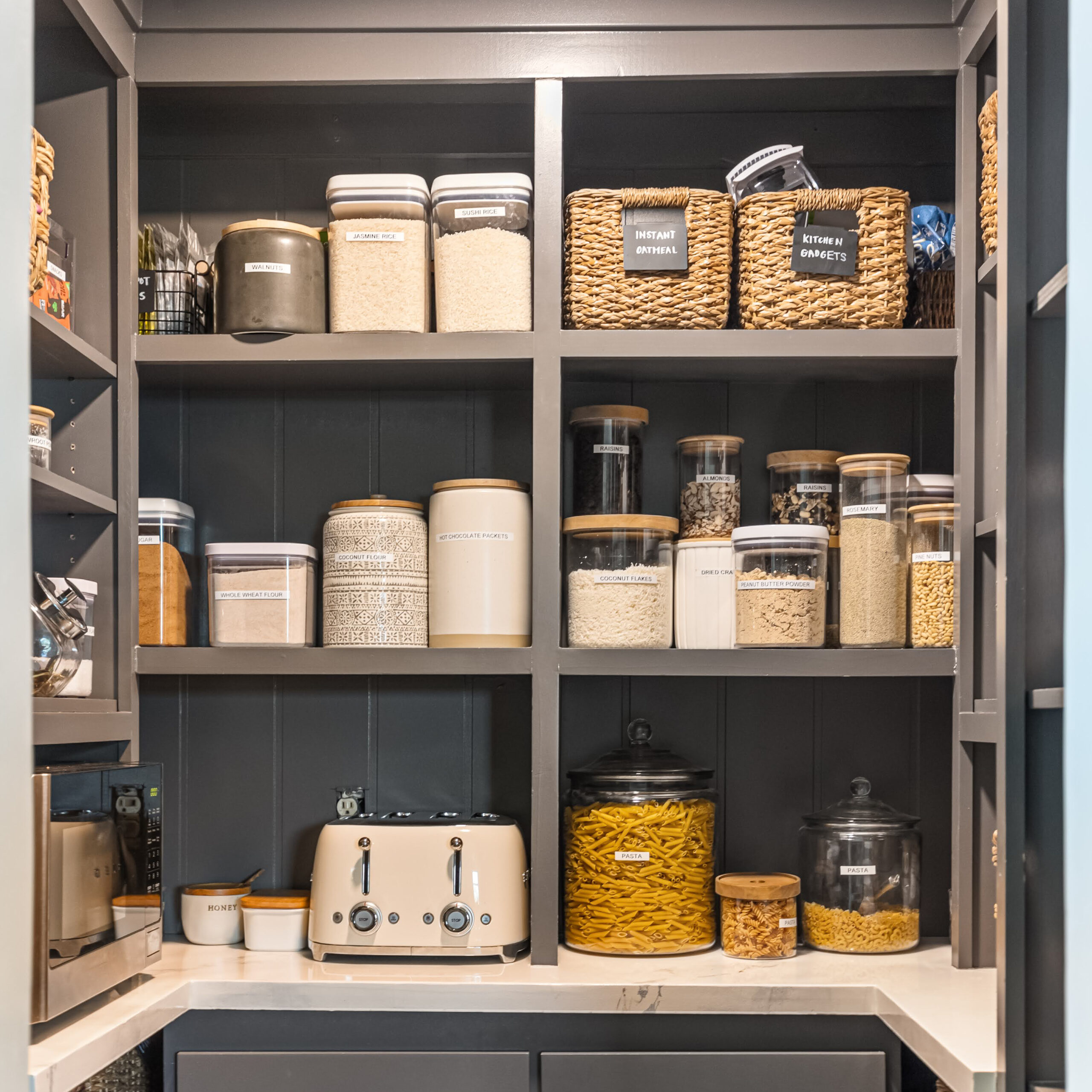
Credit: crystelmontenegrohome.com
Sustainable Kitchen Practices
Embracing sustainable kitchen practices not only benefits the environment but also enhances your culinary experience. A well-organized whole foods kitchen focuses on minimizing waste and making the most of every ingredient. Let’s dive into some actionable steps you can take to make your kitchen more sustainable.
Reducing Food Waste
Start by planning your meals for the week, which helps you buy only what you need. Keep an eye on expiration dates and prioritize using ingredients that are nearing their end. Consider storing food properly; for instance, keep your herbs fresh by placing them in a jar of water, just like flowers.
Another strategy is to embrace the art of leftovers. Create a ‘use-it-up’ day where you make meals using only what’s in your fridge. This not only reduces waste but also sparks creativity in the kitchen. Can you make a delicious soup from those leftover veggies?
Composting Basics
Composting is a fantastic way to give back to nature. Begin by setting up a small compost bin in your kitchen. Even if you have limited space, a countertop compost bin can work wonders.
Add items like vegetable peels, coffee grounds, and eggshells to your compost. Avoid adding meat or dairy as they can attract pests. Once your bin is full, transfer the compost to a larger outdoor setup or a community composting site.
Composting not only reduces landfill waste but enriches the soil for your garden. Imagine growing your own herbs and vegetables using the compost you created. Isn’t that a rewarding cycle?
By taking small, manageable steps, you can create a sustainable kitchen that benefits both you and the planet. What changes will you implement today?
Organizational Tools
Organize a whole foods kitchen using clear jars and labels for easy access. Group similar items like grains and spices together. Utilize shelves and baskets to maximize storage and maintain a tidy space.
Organizing a whole foods kitchen requires smart tools. These tools make your kitchen tidy and efficient. They save time and reduce stress. Let’s explore some essential organizational tools.Effective Storage Solutions
Smart storage solutions are crucial for a whole foods kitchen. Use clear glass jars for grains and beans. They keep food fresh and visible. Stackable containers maximize space in cupboards. Opt for airtight lids to preserve freshness. Shelving units add vertical storage options. Use baskets for fruits and vegetables. A lazy Susan can make access to spices easier.Labeling And Inventory Systems
Labeling keeps your kitchen organized. Use labels on jars and containers. Write the name and date on each. This helps track freshness. Color-coded labels can categorize food types. An inventory system is also helpful. Keep a list of pantry items. Update it regularly to avoid duplicates. Use a chalkboard or whiteboard for easy edits. This system helps plan meals and reduces waste.Creating A Cooking Routine
Creating a cooking routine transforms your kitchen into a hub of efficiency. It helps you manage time better, ensuring meals are prepared with ease. A structured routine reduces stress and makes whole food cooking enjoyable. With a clear plan, you can streamline tasks and enjoy your time in the kitchen. Let’s dive into strategies to establish a cooking routine.
Time Management In The Kitchen
Good time management is key to a successful cooking routine. Start by setting specific times for cooking each day. Consistency builds habits and makes meal prep predictable. Use timers to keep track of cooking and prep times. This prevents overcooking and maintains meal quality.
Organize your kitchen tools and ingredients for easy access. Keep frequently used items within reach to save time. Plan your meals in advance. Create a weekly menu and shopping list. This reduces last-minute decisions and ensures you have all needed ingredients.
Daily Meal Prep Habits
Develop daily habits that make cooking easier. Dedicate a few minutes each day to prep. Wash and chop vegetables in advance. Store them in airtight containers for quick access. This reduces daily prep time and helps maintain fresh ingredients.
Batch cooking is another effective habit. Prepare large portions and store them for later use. This saves time and ensures you always have healthy meals ready. Freeze meals in individual portions for quick reheating.
Clean as you cook. It keeps the kitchen tidy and reduces post-cooking cleanup. A clean kitchen enhances your cooking experience. It also helps maintain a healthy cooking environment.
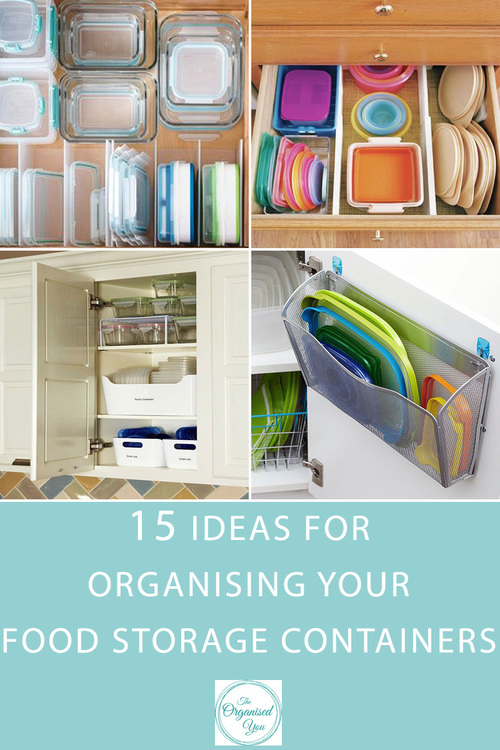
Credit: www.theorganisedyou.com
Frequently Asked Questions
What Are The Essentials For A Whole Foods Kitchen?
A whole foods kitchen thrives on fresh, organic produce and whole grains. Stock up on nuts, seeds, legumes, and healthy oils. Keep herbs, spices, and natural sweeteners on hand for flavor. Prioritize local and seasonal ingredients to ensure freshness and nutritional value.
How Do I Store Whole Foods Effectively?
Store whole foods in airtight containers to preserve freshness. Use glass jars for grains, nuts, and seeds. Keep leafy greens in the fridge and root vegetables in a cool, dark place. Proper storage prevents spoilage and retains nutritional quality.
What Tools Are Essential For A Whole Foods Kitchen?
A whole foods kitchen benefits from quality knives, cutting boards, and a blender. Include a food processor for versatility. Invest in stainless steel or cast iron cookware. These tools ensure efficient preparation and cooking of whole, nutritious meals.
How Can I Plan Whole Foods Meals Easily?
Start by creating a weekly meal plan with simple recipes. Focus on seasonal produce and batch cooking. Prep ingredients ahead of time to save effort during the week. This approach simplifies meal planning and helps maintain a healthy, whole foods diet.
Conclusion
Organizing a whole foods kitchen boosts healthy eating habits. Clear storage areas make cooking simpler. Labeling jars and containers helps find ingredients easily. Store fresh produce in visible spots. Keep spices within reach for quick access. Arrange kitchen tools for efficient use.
Maintain a clean and tidy space. Regularly check pantry and fridge for expired items. Encourage creativity in meal planning. Engage everyone in the household. With a well-organized kitchen, cooking becomes more enjoyable. Meals feel satisfying and nutritious. Start today and enjoy a more efficient kitchen space.