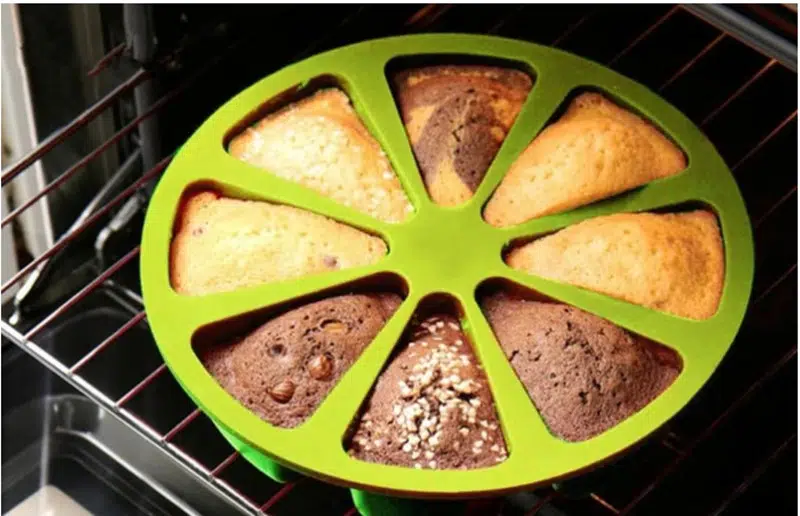
Are you wondering if your colorful silicone bakeware is safe for whipping up your favorite treats? The vibrant hues and flexible forms make them a popular choice in many kitchens.
But, there’s a lingering question—are they truly safe for you and your family? Before you bake your next batch of cookies or pour in that cake batter, it’s crucial to know what you’re dealing with. We’ll delve into the safety of silicone bakeware, exploring scientific insights and expert opinions.
Keep reading to uncover the truth and ensure that your baking adventures are both fun and safe. Don’t you want the peace of mind knowing your delicious creations are also good for your well-being?

Credit: www.instagram.com
Silicone Bakeware Basics
Silicone bakeware has become popular in many kitchens. Its flexibility and non-stick surface make it a favorite. But what is silicone bakeware, and how is it used in baking? This section will cover the basics.
What Is Silicone Bakeware?
Silicone bakeware is made from a type of rubber. This rubber is heat-resistant and flexible. It can withstand both high and low temperatures. The material is non-stick, which helps in easy food release. Silicone bakeware comes in many forms, like pans, molds, and mats.
Common Uses In Baking
Bakers use silicone bakeware for various tasks. It is perfect for baking cakes and muffins. The non-stick surface means no greasing is needed. It also works well for making chocolates and candies. Silicone mats are used for rolling dough. Some even use it for roasting vegetables. Its versatility makes it a staple in many kitchens.

Credit: www.instagram.com
Safety Concerns
Silicone bakeware has become a staple in many kitchens, lauded for its flexibility and non-stick properties. Yet, questions about its safety linger in the minds of health-conscious bakers. Understanding the safety concerns surrounding silicone bakeware can help you make informed choices for your kitchen.
Chemical Composition
Silicone is a synthetic material made from silicon, oxygen, and other elements. Unlike plastic, silicone doesn’t contain harmful chemicals like BPA or phthalates. However, not all silicone products are created equal. Some may contain fillers that compromise their quality.
When purchasing silicone bakeware, ensure it is food-grade and free from additives. A simple way to test is to twist the silicone; if it turns white, it might contain fillers. This can be a helpful trick when evaluating your kitchen tools.
Potential Health Risks
Concerns about silicone bakeware often center around its use at high temperatures. While most silicone bakeware is safe up to 450°F, some worry about chemical leaching. The good news is, studies have shown that food-grade silicone is stable and doesn’t leach chemicals into food.
However, using silicone in the oven with high-fat foods might raise eyebrows. Could it impact your health over time? To minimize risks, avoid using silicone bakeware in extreme temperatures and limit its use with greasy foods.
What are your experiences with silicone bakeware? Have you noticed any changes in taste or texture? Sharing insights can help others navigate these concerns and make safer choices in their kitchens.
Scientific Studies
Scientific studies suggest silicone bakeware is generally safe for baking. It withstands high temperatures without releasing harmful chemicals.
In recent years, silicone bakeware has gained popularity in kitchens worldwide. Its non-stick qualities and flexibility appeal to many bakers. But some ask about its safety. Scientific studies provide insights into this topic, helping consumers make informed choices.Research Findings
Various studies focus on silicone bakeware’s safety and chemical stability. Researchers examine if silicone releases harmful substances when heated. Most studies show silicone bakeware remains stable under typical baking temperatures. It does not leach chemicals into food. Researchers often test silicone at higher temperatures than typical baking. These tests help ensure safety under extreme conditions.Expert Opinions
Experts in food safety and materials science often discuss silicone bakeware. Many confirm its safety for baking under normal conditions. They emphasize buying high-quality products from reputable brands. Inferior products might contain fillers that compromise safety. Experts also recommend following the manufacturer’s instructions for use and care. This helps maintain the integrity and safety of silicone bakeware over time.Comparing Materials
Choosing the right bakeware can enhance your baking experience. Different materials offer varied benefits and drawbacks. Understanding these can help you make an informed decision. Let’s explore how silicone compares with metal and glass bakeware.
Silicone Vs. Metal Bakeware
Silicone bakeware is flexible and non-stick. It allows easy removal of baked goods. Metal bakeware, on the other hand, provides even heat distribution. This results in a well-browned crust. But, it requires greasing to prevent sticking.
Silicone is lightweight and easy to store. Metal bakeware is sturdy and can last longer with proper care. Silicone can handle high temperatures but not as high as metal. Metal bakeware can be used for broiling, unlike silicone.
Both materials have their advantages. Choose based on your baking needs and preferences.
Silicone Vs. Glass Bakeware
Silicone bakeware offers flexibility and easy cleaning. Glass bakeware provides a clear view of the baking process. This helps in preventing over-baking.
Silicone is less likely to break compared to glass. Glass bakeware retains heat longer, keeping food warm after baking. Silicone is less likely to absorb odors or stains. Glass bakeware may require more care to avoid breaking.
Both materials are safe for oven use. Consider your priorities like durability and ease of use. This will help you decide between silicone and glass bakeware.
Benefits Of Silicone
Silicone bakeware offers safety due to its non-toxic nature and heat resistance. Its flexibility ensures easy food release. Ideal for various baking needs, it withstands high temperatures without leaching harmful chemicals.
Silicone bakeware has become a staple in modern kitchens, and for good reason. Its versatility and practicality make it a favorite among both amateur and professional bakers. Let’s dive into the benefits that make silicone bakeware stand out.Ease Of Use
Silicone bakeware is incredibly user-friendly. It’s flexible, allowing you to easily pop out cakes, muffins, or any baked goods without any fuss. You no longer need to worry about greasing pans or scraping out stubborn residues. Cleanup is a breeze too. Most silicone bakeware is dishwasher safe, saving you time and effort. Imagine finishing a baking session without the dread of scrubbing pans!Heat Resistance
One of the most impressive benefits of silicone is its heat resistance. It can withstand temperatures as high as 450°F (232°C). This makes it ideal for a variety of baking needs, from roasting to baking your favorite sweets. It also cools down quickly, reducing the risk of burns. You can handle it comfortably soon after taking it out of the oven. Have you ever accidentally touched a hot metal pan? Silicone minimizes that painful experience.Non-stick Properties
Silicone’s non-stick nature is a game changer. You can say goodbye to parchment paper and extra greasing. Your baked goods will slide out with ease. This feature is particularly beneficial for delicate items like cupcakes or pastries. They maintain their shape beautifully without leaving crumbs behind in the pan. Have you ever struggled with a cake stuck in a pan? With silicone, those days are over. Silicone bakeware offers an efficient, safe, and convenient option for your baking adventures. Have you tried using silicone in your kitchen yet? If not, it might be time to give it a shot and experience these benefits firsthand!Proper Usage And Care
Silicone bakeware is safe when used correctly. Proper care involves avoiding direct heat sources and using mild detergents for cleaning. These steps maintain safety and prolong the life of silicone bakeware.
Proper Usage and Care Silicone bakeware is a popular choice in kitchens worldwide. To get the best from your silicone tools, proper usage and care are crucial. This not only ensures safety but also extends the lifespan of your bakeware. Follow these guidelines to make sure your silicone bakeware remains in excellent condition.Cleaning Tips
Cleaning silicone bakeware is straightforward and essential for maintaining its quality. Wash it with warm water and mild soap after each use. Use a soft sponge to avoid scratches. For stubborn stains, soak the bakeware in warm soapy water. Baking soda paste can help remove tough residue. Ensure thorough rinsing to remove all soap traces. Avoid harsh chemicals or abrasive cleaners as they can damage the silicone.Maximizing Durability
Handle silicone bakeware with care to maximize its durability. Always follow the manufacturer’s temperature guidelines. Silicone can withstand high temperatures, but exceeding limits might degrade the material. Store bakeware flat or rolled gently to prevent misshaping. Avoid sharp utensils that can pierce or damage the silicone surface. Regular inspection helps catch any early signs of wear or damage.Consumer Insights
Silicone bakeware is generally considered safe for baking. It’s non-toxic and can withstand high temperatures. Always check for food-grade quality to ensure safety.
Consumer insights offer valuable perspectives on the safety of silicone bakeware. Users share their real-life experiences, helping others make informed decisions. This section delves into common opinions and experiences from various consumers.User Reviews
Many users appreciate silicone bakeware for its non-stick properties. They enjoy the easy release of baked goods without added grease. Some reviews highlight the lightweight nature of silicone pans. This makes handling easy and convenient in the kitchen. Users also mention the vibrant colors that add a touch of fun to baking. Yet, some express concerns about odors from new silicone products. Washing before use often resolves this issue.Common Experiences
Consumers frequently mention the flexibility of silicone bakeware. This allows for simple storage in tight spaces. Parents often use silicone molds for kid-friendly cooking activities. They find them safe and easy for children to handle. A shared experience among users is the uneven heat distribution in some cases. This can lead to inconsistent baking results. Many recommend placing silicone bakeware on metal trays for better stability.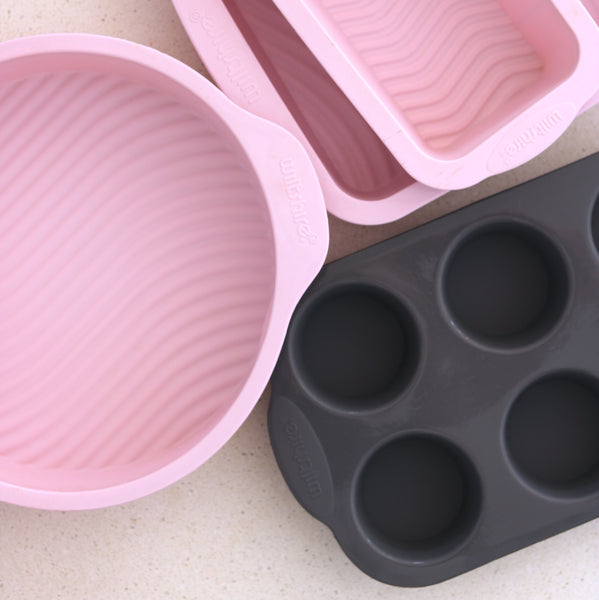
Credit: bakeclub.com.au
Making An Informed Choice
Making an informed choice about silicone bakeware involves understanding its properties. Silicone bakeware offers flexibility and non-stick surfaces. This makes baking easier and cleanup simpler. Yet, concerns about safety may arise. Let’s explore how to evaluate your needs and consider safety aspects.
Evaluating Your Needs
Different baking needs require different tools. Think about what you bake often. Silicone is great for muffins, cakes, and bread. It doesn’t rust or stain. Consider oven temperature limits. Silicone typically handles up to 450°F. For higher temperatures, check product specifics. Assess storage space. Silicone is flexible and easy to store.
- Consider frequency of use.
- Check temperature compatibility.
- Evaluate storage space.
Final Thoughts On Safety
Safety concerns often revolve around chemical leaching. High-quality silicone bakeware reduces these risks. Look for FDA-approved products. They ensure safety standards. Avoid cheap imitations. They may contain fillers. Using silicone below its temperature limit keeps it safe. Regular checks for damage ensure longevity and safety.
- Choose FDA-approved products.
- Avoid products with fillers.
- Monitor for signs of wear.
Frequently Asked Questions
Are Silicone Bakeware Safe For Cooking?
Yes, silicone bakeware is safe for cooking when used properly. It’s heat-resistant and non-toxic. Ensure it’s food-grade and free from fillers. Always follow the manufacturer’s guidelines for temperature limits to maintain safety. Avoid using sharp utensils that may damage the silicone surface.
Can Silicone Bakeware Go In The Oven?
Silicone bakeware is oven-safe and can withstand high temperatures. Typically, it can handle up to 428°F (220°C). Always check the manufacturer’s instructions for exact temperature limits. This flexibility makes it ideal for baking and cooking various dishes without worrying about damage.
Is Silicone Bakeware Non-toxic?
Silicone bakeware is non-toxic and generally considered safe for food use. It’s made from a stable compound that doesn’t leach harmful chemicals. Ensure you purchase high-quality, food-grade silicone products to avoid potential health risks. Proper use and care will maintain its safety and durability.
Does Silicone Bakeware Affect Food Taste?
Silicone bakeware does not affect the taste of food. It’s odorless and doesn’t react with ingredients. This ensures that your baked goods maintain their intended flavors. Always clean it thoroughly to prevent any residue build-up that might alter taste. High-quality silicone ensures better cooking results.
Conclusion
Silicone bakeware proves to be a practical kitchen tool. It’s generally safe when used correctly. Ensure you choose high-quality products. Check for FDA-approved labels. Avoid using at extreme temperatures. Careful cleaning extends its life. Silicone bakeware offers convenience and flexibility.
Many home bakers appreciate its benefits. Always follow manufacturer’s guidelines for best results. Enjoy baking with peace of mind. Safety, when baking, is always priority. Choose wisely and bake happily!