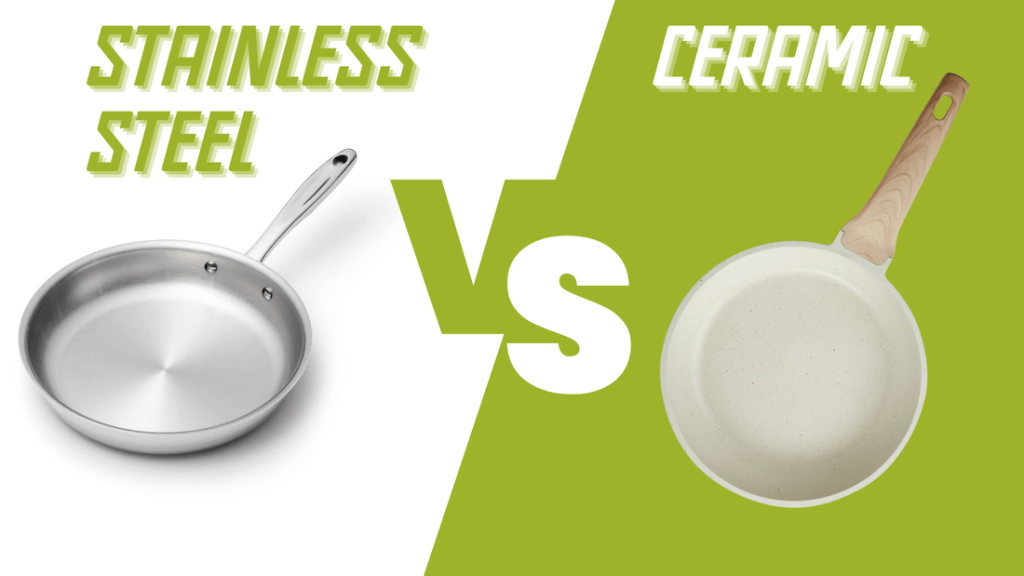
Imagine reaching for your favorite ceramic pan, ready to whip up a delicious meal, only to find it scratched and damaged. It’s frustrating, right?
You value your kitchen tools and want them to last, but ceramic cookware can sometimes seem fragile. If you’re wondering whether ceramic cookware scratches easily, you’re not alone. We’ll dive into the truth about ceramic cookware durability and help you discover how to keep your pots and pans in pristine condition.
You’ll learn practical tips and insights that will ease your worries and ensure your cookware remains as reliable as ever. Ready to uncover the secrets to maintaining your ceramic cookware? Keep reading to find out!
Ceramic Cookware Basics
Ceramic cookware can scratch if used with metal utensils or abrasive cleaning pads. To maintain its smooth surface, opt for wooden or silicone tools. Proper care ensures durability and preserves the non-stick quality.
Ceramic cookware is a popular choice in kitchens around the world for its non-stick properties and aesthetic appeal. It’s known for making cooking a breeze and cleaning up even easier. However, understanding the basics of ceramic cookware can help you make informed choices about its use and care.Material Composition
Ceramic cookware is made from clay that is hardened by heat, often glazed to create a non-stick surface. This glaze gives it the smooth finish that many home cooks love. Unlike traditional non-stick pans, ceramic coatings are free from harmful chemicals like PTFE and PFOA. It’s important to note that while ceramic is generally durable, it can be prone to chipping if not handled carefully. Always use utensils made of wood, silicone, or nylon to maintain the integrity of the coating. Would you want your favorite pan to lose its charm due to a careless scratch?Common Uses
Ceramic cookware is versatile and can be used for a variety of cooking methods. It’s perfect for sautéing vegetables, frying eggs, or even baking a casserole in the oven. Its ability to withstand high temperatures makes it a reliable partner in the kitchen. Many people love using ceramic cookware for its even heat distribution, which ensures your food cooks uniformly. Whether you’re whipping up a quick breakfast or an elaborate dinner, ceramic cookware can handle it with ease. Do you think it could become your new kitchen favorite? By understanding these basic aspects of ceramic cookware, you can enjoy its benefits while ensuring it remains a staple in your kitchen for years to come.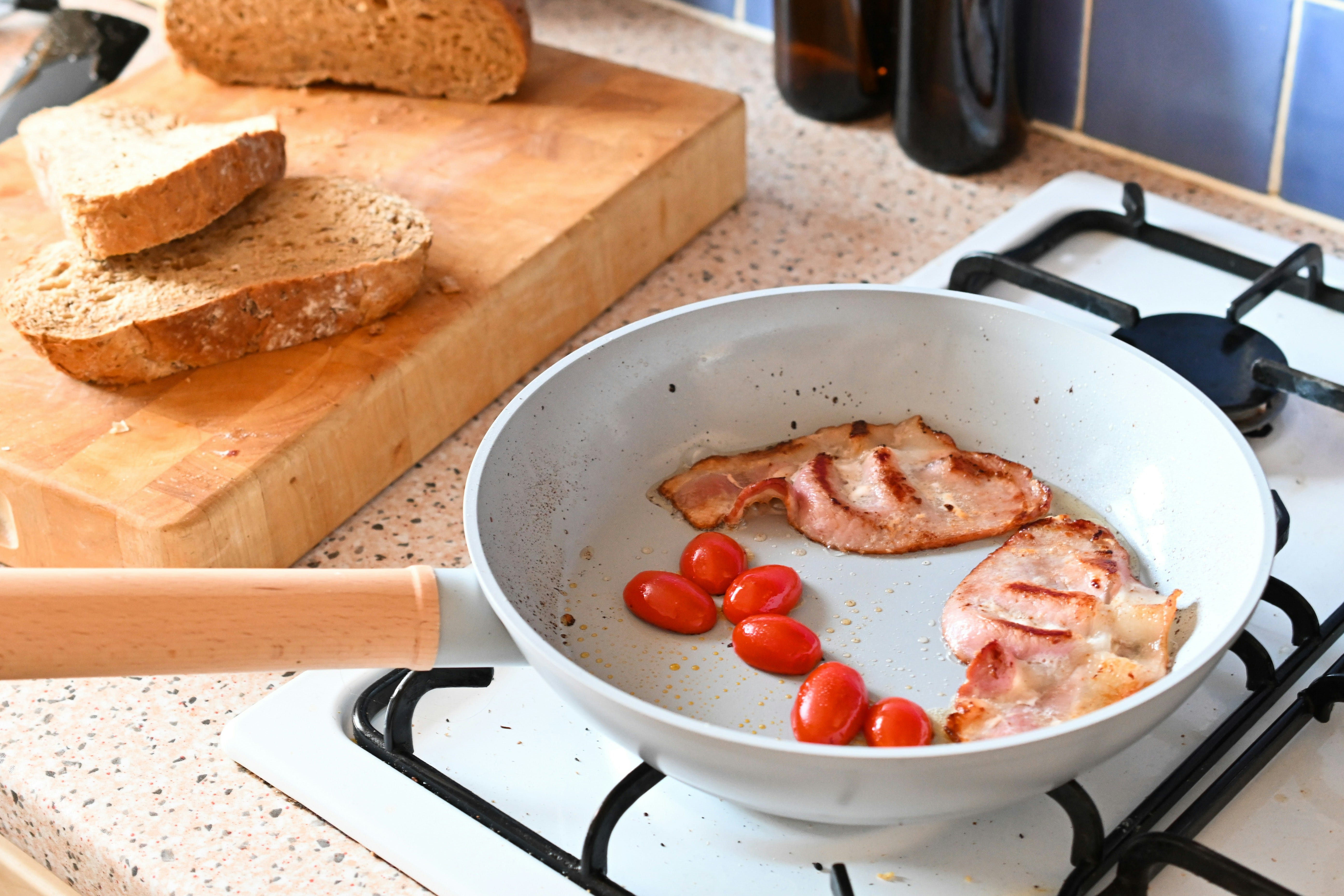
Credit: medium.com
Scratch Resistance Factors
Ceramic cookware can resist scratches, but it’s not completely scratch-proof. Proper care is essential to maintain its surface. Use wooden or silicone utensils to prevent damage.
Ceramic cookware is favored for its non-stick properties and aesthetic appeal. Yet, many ponder its durability, specifically its resistance to scratches. Scratch resistance factors play a crucial role in determining the longevity of ceramic cookware. Understanding these factors helps in making informed choices.Surface Hardness
Surface hardness is vital for scratch resistance. Ceramic cookware is often made with a coating that is harder than traditional non-stick pans. This hardness protects against scratches from utensils. The harder the surface, the better it can resist scratches. Manufacturers test hardness using a scale to ensure durability. A high hardness rating means fewer scratches over time.Manufacturing Process
The manufacturing process impacts scratch resistance significantly. Quality materials and techniques enhance durability. Ceramic cookware undergoes firing at high temperatures. This process strengthens the coating, making it less prone to scratches. Consistent quality control during manufacturing ensures each piece is resilient. Properly manufactured cookware withstands daily wear and tear.Common Causes Of Scratches
When you invest in ceramic cookware, you anticipate the durability and sleek design it brings to your kitchen. However, scratches can mar their appearance and potentially impact their performance. Understanding the common causes of these scratches can help you maintain your cookware’s pristine look and functionality.
Improper Utensil Use
One of the most frequent causes of scratches on ceramic cookware is using the wrong utensils. Metal utensils, while sturdy, are notorious for leaving marks on ceramic surfaces. Imagine cooking a delightful stir-fry and unknowingly scraping the pan with a metal spatula—each stir potentially adding another scratch.
To protect your cookware, opt for utensils made from wood, silicone, or nylon. These materials are gentle on ceramic surfaces and can prevent unsightly scratches. Do you often find yourself reaching for the nearest fork or spoon while cooking? Consider placing a set of safe utensils within arm’s reach to avoid the temptation.
Cleaning Techniques
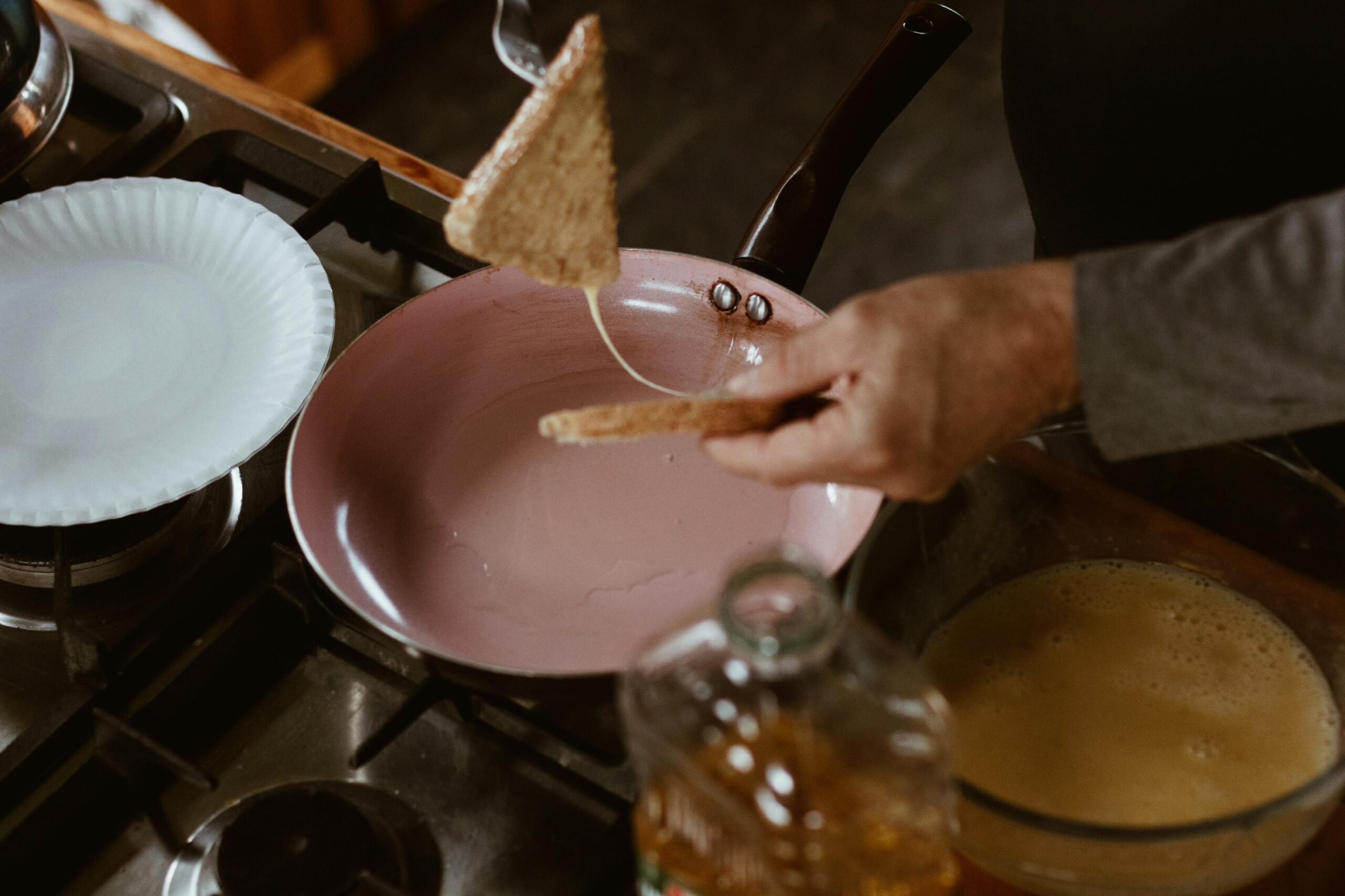
The way you clean your ceramic cookware can also contribute to scratches. Aggressive scrubbing with abrasive pads or harsh cleaners can wear down the coating over time. Think about the last time you tackled a stubborn stain—did you reach for a steel wool pad?
Instead, use soft sponges or cloths and mild detergents to clean your pans. For stubborn residues, soak the cookware in warm, soapy water before gently wiping away the grime. By adjusting your cleaning habits, you can extend the lifespan of your ceramic cookware and keep it looking new.
Credit: leeknives.com
Preventing Scratches
Ceramic cookware offers a smooth surface that resists scratches. Using wooden or silicone utensils can help preserve its finish. Proper handling and storage further protect against unwanted marks.
Preventing scratches on ceramic cookware ensures its longevity and performance. Proper care keeps your cookware looking new and functioning well. By following simple guidelines, you can maintain your ceramic pieces for years.Proper Utensil Choices
Use utensils made of wood, silicone, or plastic. Metal utensils can cause scratches. Avoid sharp edges and pointed tools. Wooden spoons and silicone spatulas are gentle on surfaces. Always choose non-abrasive tools for cooking.Maintenance Tips
Hand wash your ceramic cookware. Use a soft sponge and mild detergent. Avoid abrasive cleaning pads. Dry thoroughly to prevent water spots. Store with care. Place a soft cloth between stacked pans. This prevents surface friction. Store in a dry place to avoid moisture damage. Regularly inspect for chips or scratches. Immediate attention prevents further damage.Comparing Ceramic With Other Cookware
Ceramic cookware stands out for its aesthetic appeal and non-toxic nature. Many wonder how it compares to other types of cookware. Each has its own set of features and benefits. Let’s dive into how ceramic fares against metal and nonstick alternatives.
Metal Cookware
Metal cookware includes stainless steel and cast iron. These materials are known for their durability and heat conduction. Stainless steel offers a sleek look and resists scratches better than ceramic. It also handles high temperatures without warping. Cast iron is great for evenly distributed heat but requires seasoning and maintenance.
Unlike ceramic, metal cookware can withstand metal utensils without much damage. Yet, metal can be heavy and sometimes reacts with acidic foods. Ceramic, being lightweight, offers ease in handling and doesn’t react with food.
Nonstick Alternatives
Nonstick cookware often uses Teflon or similar coatings to prevent food from sticking. These are famous for easy cooking and cleaning. Scratches can appear if not handled carefully, especially with metal utensils. Ceramic offers a natural nonstick surface without synthetic coatings.
Ceramic provides a safer option with no harmful chemicals released at high temperatures. While nonstick pans might lose their coating over time, ceramic maintains its integrity longer with proper care. This makes ceramic a compelling choice for health-conscious cooks.
Longevity And Durability
Ceramic cookware offers impressive longevity and durability. It is resistant to scratches with proper care and maintenance. Avoid using metal utensils to preserve its smooth surface.
Ceramic cookware is prized for its non-stick capabilities and aesthetic appeal. But how long does it last? The longevity and durability of ceramic cookware depend on usage and care. Understanding these factors can help maintain its quality.Usage Frequency
How often you use your ceramic cookware affects its lifespan. Frequent use can lead to wear and tear. This doesn’t mean you shouldn’t use it regularly. Just be mindful of how you use it. Over time, constant exposure to high heat may cause slight discoloration. This doesn’t affect the performance but may impact appearance. Rotating between different types of cookware can extend its life.Care Practices
Proper care is essential for maintaining ceramic cookware. Hand washing is recommended over dishwashing. Use soft sponges to avoid scratches on the surface. Avoid metal utensils; they can damage the coating. Wooden or silicone tools are safer choices. Storing ceramic cookware properly also helps. Use pan protectors or cloths to prevent scratches when stacking. Regular maintenance will keep it looking new and functional for years.Consumer Reviews And Feedback
Consumer reviews reveal that ceramic cookware can scratch if not handled properly. Users suggest using wooden or silicone utensils to prevent damage. Many appreciate its non-stick quality, but emphasize careful usage for longevity.
Consumer reviews and feedback provide a wealth of information about ceramic cookware’s performance in real kitchens. These reviews reveal both the triumphs and tribulations users face, offering valuable insights for potential buyers. Understanding both sides of the story helps you make an informed choice.Positive Experiences
Many consumers rave about the aesthetic appeal of ceramic cookware. Its vibrant colors and sleek design often enhance the kitchen’s visual appeal. Users frequently note the non-stick properties, which make cooking and cleaning a breeze. A friend of mine swears by her ceramic pan, claiming it has transformed her omelet-making skills. She loves how eggs slide right off without sticking, saving her both time and frustration. Do you also wish for hassle-free cooking?Common Complaints
Despite its benefits, some users express concerns about ceramic cookware’s durability. Scratches can occur if you use metal utensils or stack your pans carelessly. A common complaint is that over time, the non-stick surface may lose its effectiveness. One reviewer mentioned how she noticed scratches after a few months, even though she was cautious. This highlights the importance of gentle handling and using proper utensils. How do you ensure your cookware lasts longer? Consumer feedback can guide your choice, revealing both the strengths and weaknesses of ceramic cookware. While the positive experiences are enticing, being aware of common issues helps you take precautions.
Credit: www.reddit.com
Frequently Asked Questions
How Does Ceramic Cookware Get Scratches?
Ceramic cookware can get scratches from metal utensils or abrasive cleaning pads. Using wooden or silicone utensils can help prevent scratches. Regular maintenance and gentle cleaning methods will keep your ceramic cookware looking new. Always follow the manufacturer’s guidelines for care and use to maintain the cookware’s surface integrity.
Can Scratched Ceramic Cookware Be Used Safely?
Yes, scratched ceramic cookware can still be used safely. Scratches may affect the appearance but not the cookware’s safety. Ensure that the cookware’s surface isn’t chipped or broken. If the ceramic coating is damaged, it might impact cooking performance but doesn’t pose health risks.
What Causes Ceramic Cookware To Scratch?
Ceramic cookware scratches due to improper use of utensils or cleaning tools. Metal utensils or abrasive sponges can scratch the surface. Avoid using harsh materials and opt for softer, non-metallic utensils. Regular care and gentle cleaning help maintain the cookware’s pristine condition.
How Do You Prevent Ceramic Scratches?
Prevent ceramic scratches by using non-metal utensils and gentle cleaning pads. Always avoid stacking cookware without protection. Follow the manufacturer’s care instructions to prolong the cookware’s life. Regularly inspect for damage and handle with care to maintain its surface.
Conclusion
Ceramic cookware offers a stylish and functional choice for kitchens. It can resist scratches with careful use. Avoid metal utensils to prolong its life. Regular cleaning keeps it looking new. Always dry it properly to prevent damage. Choose ceramic for its non-stick benefits.
It suits many cooking styles. A good option for health-conscious cooking. Remember, all cookware needs proper care. This ensures lasting performance and safety. So, treat your ceramic cookware with care. Enjoy the benefits of this versatile kitchen tool. Your meals deserve the best cookware.
Keep cooking fun and safe.