
Imagine stepping into a bustling kitchen, where the tantalizing aroma of gourmet dishes fills the air. Ever wondered what cookware helps professional chefs create those mouth-watering masterpieces?
You’re not alone. The secret lies in the right tools. You might be surprised to find out that the choice of cookware can transform your cooking experience, making it easier and more enjoyable. Whether you’re a home cook aiming to elevate your culinary skills or simply curious about the secrets of professional kitchens, knowing what pots and pans the experts use could be your key to unlocking a new level of cooking prowess.
This article is your backstage pass to the world of professional chefs. Get ready to uncover the essentials that can turn your kitchen into a chef’s paradise. Dive in, and you might just find the perfect cookware for your culinary adventures.
Essential Cookware For Chefs
In the bustling world of professional kitchens, every chef knows that the tools of the trade are just as important as the skills they bring to the table. Imagine trying to craft a masterpiece without the right brush. Similarly, in culinary arts, having the essential cookware can transform a dish from ordinary to extraordinary. What cookware do chefs swear by? Let’s dive into the must-have items that find their place in every chef’s arsenal.
Pots And Pans
Stainless steel pots and pans are the backbone of any professional kitchen. They offer even heat distribution and are incredibly durable, making them a chef’s best friend. A well-seasoned cast iron skillet is another staple, known for its versatility and ability to retain heat perfectly.
Copper pans are favored for their superior heat conductivity, allowing chefs to create delicate sauces with precision. Non-stick pans, while not as durable, are perfect for omelets and other dishes that require a gentle touch. Have you ever wondered why your pancakes never turn out like the ones at a restaurant? The secret might just be in the pan.
Knives And Cutting Tools
A chef’s knife is arguably the most important tool in the kitchen. With its sharp edge and balanced weight, it can tackle everything from chopping vegetables to slicing meat. Paring knives, with their small blades, are perfect for intricate tasks like peeling and trimming.
Don’t underestimate the power of a good pair of kitchen shears. They can snip herbs, trim meat, and even open packaging with ease. A honing steel is also essential for maintaining the sharpness of your knives, ensuring precision with every cut. What would you create if you had the perfect knife in your hand?
Bakeware
Baking requires precision and the right tools, making bakeware indispensable for chefs. Heavy-duty baking sheets and cake pans provide even heat distribution for perfect results every time. Silicone baking mats are a game-changer, offering a non-stick surface that’s easy to clean.
A quality rolling pin and pastry cutter are crucial for dough preparation. And let’s not forget about ramekins, which are ideal for individual desserts like soufflés and crème brûlée. Have you ever considered how the right bakeware could elevate your baking game?
In the world of professional cooking, having the right cookware is essential. It not only enhances the quality of the dishes but also boosts a chef’s confidence. Next time you’re in the kitchen, consider what essential tools could transform your culinary creations.
Material Matters
When it comes to professional cooking, the choice of cookware material can significantly impact the outcome of your culinary creations. Each type of material offers unique benefits and challenges, influencing everything from heat conduction to durability. Understanding these nuances can help you select the right tools for your kitchen, whether you’re whipping up a quick meal or preparing a gourmet feast. Let’s delve into the materials that chefs swear by, and why they matter.
Stainless Steel
Stainless steel is a favorite among chefs for its durability and versatility. It’s perfect for a wide range of cooking techniques, from sautéing to simmering. The non-reactive nature of stainless steel means it won’t alter the taste of acidic foods, making it ideal for tomato sauces and citrus-based dishes. Plus, it’s easy to clean, which is a huge plus during busy kitchen hours.
Consider investing in stainless steel pots with an aluminum or copper core. These cores enhance heat distribution, ensuring even cooking. Have you ever experienced unevenly cooked food? This combination can help you avoid that frustration and achieve the perfect texture every time.
Cast Iron
Cast iron cookware is revered for its ability to retain heat. This makes it perfect for slow cooking and frying, where maintaining a consistent temperature is crucial. The weight and density of cast iron can be intimidating, but its benefits often outweigh the drawbacks. It’s the go-to choice for dishes that require a crispy finish or a deep, rich flavor.
One of the biggest advantages of cast iron is its versatility. You can use it on the stovetop, in the oven, or even over an open flame. Imagine searing a steak to perfection and then transferring it directly to the oven. This seamless transition is what makes cast iron a staple in many professional kitchens.
Copper
Copper cookware is synonymous with precision and elegance. Known for its excellent heat conductivity, copper allows for rapid and even heating, making it ideal for delicate sauces and quick-cooking methods. The aesthetic appeal of copper is undeniable, often elevating the look of any kitchen.
However, copper requires regular maintenance to keep it gleaming and functional. Are you willing to invest time in polishing and upkeep? If so, you’ll find copper to be a rewarding choice that offers unparalleled control over your cooking. Pair it with a lining of stainless steel for improved durability and ease of cleaning.
Specialty Tools In Professional Kitchens
In professional kitchens, chefs rely on a range of specialty tools to create culinary masterpieces. These tools are not just about flashy gadgets; they are about precision, durability, and enhancing the cooking process. Some cookware is specifically designed for particular tasks, ensuring chefs can deliver consistent and high-quality dishes every time. Whether you’re an aspiring chef or a home cook looking to elevate your game, understanding the specialty tools used by professionals can be a game-changer.
Non-stick Options
Non-stick cookware is a staple in many professional kitchens for its ability to handle delicate ingredients without sticking. Imagine perfectly flipping an omelet or searing fish with ease. It’s not just about convenience; it’s about maintaining the integrity of the dish. Look for high-quality non-stick pans that offer durability and even heat distribution. But remember, the lifespan of non-stick surfaces can be shorter than other materials, so handle them with care.
Ceramic Cookware
Ceramic cookware is prized for its natural non-stick properties and aesthetic appeal. It’s not uncommon to see chefs using these for dishes that require gentle heat, such as slow-cooked stews or sauces. Ceramic provides excellent heat retention, allowing for even cooking without hot spots. Plus, it’s often free from harmful chemicals, making it a healthier choice. Have you tried using ceramic for your everyday cooking? It might surprise you with its versatility.
Carbon Steel
Carbon steel is often the unsung hero in professional kitchens, favored for its durability and ability to handle high temperatures. Unlike cast iron, it’s lighter and heats up quickly, making it ideal for quick stir-fries or searing meats. It requires seasoning, much like cast iron, but develops a natural non-stick surface over time. Many chefs swear by its versatility and long life. Could carbon steel be the secret weapon missing from your kitchen arsenal?
:max_bytes(150000):strip_icc()/faw-le-creuset-essential-stainless-steel-10-piece-cookware-set-nsimpson-46-45f116ea7e3c421ea76a39e46ae21c0a.jpeg)
Credit: www.foodandwine.com
Brands Preferred By Chefs
Professional chefs often choose cookware brands known for durability and precision. Brands like All-Clad and Le Creuset are favorites, offering exceptional heat distribution and long-lasting performance. High-quality materials and craftsmanship make these brands popular in professional kitchens.
In the bustling world of professional kitchens, choosing the right cookware is as crucial as selecting the freshest ingredients. Professional chefs have their go-to brands that combine durability, performance, and sometimes even a touch of nostalgia. Whether you aspire to cook like a Michelin-starred chef or simply want to elevate your home kitchen game, knowing these preferred brands can guide your culinary journey.High-end Brands
When money is no object, professional chefs often opt for high-end cookware that delivers exceptional results. Le Creuset is a favorite for its enameled cast iron pots that retain heat beautifully, perfect for slow-cooked dishes. All-Clad is another top choice, known for its stainless-steel construction that ensures even heat distribution—a critical factor in avoiding hot spots that can ruin a dish. Imagine sautéing vegetables in a Mauviel copper pan; the responsiveness to heat is unmatched, allowing for precise temperature control. These brands might come with a heftier price tag, but the investment pays off in longevity and performance. Does your cookware meet the high standards set by these elite brands?Budget-friendly Alternatives
Not every great chef starts with premium cookware; some rely on budget-friendly brands that offer great value. Cuisinart is widely respected for providing quality cookware at accessible prices, often featuring non-stick surfaces that make cleanup a breeze. T-fal is another brand that garners attention for its affordability and user-friendly features, such as thermo-spot indicators that signal when the pan is perfectly preheated. Cooking with limited resources doesn’t mean compromising on quality. It’s about finding the right tools that help you achieve consistency and flavor. Have you tried any of these budget-friendly alternatives in your kitchen adventures?Innovative Newcomers
The culinary world is always evolving, and so are the brands that cater to it. Innovative newcomers like Made In have quickly gained traction among chefs for their high-quality stainless steel and carbon steel cookware, which balances professional performance with modern aesthetics. HexClad, with its hybrid technology, offers a unique combination of stainless steel and non-stick surfaces, promising versatility and easy maintenance. These new players challenge traditional notions of cookware with their inventive designs and materials. As you explore your culinary style, are you open to experimenting with these innovative newcomers? They might just redefine your cooking experience.Factors Influencing Choice
Professional chefs choose cookware based on durability, heat distribution, and ease of use. Stainless steel and cast iron are popular for their long-lasting nature and even cooking. Non-stick pans are often selected for delicate dishes requiring low-fat cooking.
Choosing the right cookware is crucial for professional chefs who rely on their tools to deliver perfect dishes consistently. The decision-making process goes beyond just picking the most expensive option. Chefs consider several key factors that align with their cooking style, restaurant needs, and personal preferences. Let’s delve into the important aspects that influence their choices.Durability
Professional chefs need cookware that withstands daily wear and tear. Imagine cooking in a bustling kitchen where pots and pans endure high heat and frequent handling. Stainless steel is a popular choice due to its resilience and resistance to rust and corrosion. Cast iron, known for its longevity, is another favorite, often passed down through generations. Have you ever thought about how many times a day chefs use their pans? Durability ensures they don’t have to replace them often.Heat Distribution
Even heat distribution is vital for cooking perfect dishes. Uneven heat can lead to hot spots, resulting in unevenly cooked food. Copper is a preferred material because it heats up quickly and evenly, ensuring precise temperature control. Aluminum, often used as a core in stainless steel cookware, also distributes heat efficiently. Have you ever wondered why your dish turned out differently than expected? It might be due to poor heat distribution in your cookware.Ease Of Maintenance
In a professional kitchen, time is of the essence. Chefs prefer cookware that’s easy to clean and maintain. Non-stick surfaces can be a great help, minimizing the effort required to scrub pans. However, chefs must balance this with the need for durability and heat distribution. Stainless steel, while not non-stick, is generally easy to clean and doesn’t react with food. Would you spend more time scrubbing or cooking? Ease of maintenance can make a chef’s life much simpler. By understanding these factors, you can make more informed decisions about the cookware that suits your needs, whether you’re cooking at home or aspiring to be the next top chef.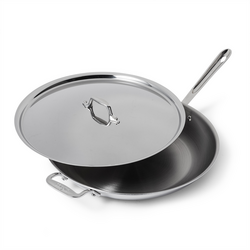
Credit: www.surlatable.com
Eco-friendly Options
As the culinary world embraces sustainability, eco-friendly cookware is gaining popularity among professional chefs. This shift isn’t just a trend; it’s a movement towards a more responsible kitchen practice. By choosing sustainable materials, energy-efficient designs, and recyclable options, chefs are not only enhancing their cooking experience but also contributing to a healthier planet.
Sustainable Materials
Chefs are increasingly opting for cookware made from sustainable materials like cast iron, stainless steel, and bamboo. These materials are not only durable but also have a lower environmental impact compared to non-renewable alternatives. Cast iron, for example, is known for its excellent heat retention and can last for generations with proper care.
Stainless steel is another favorite, offering a balance of strength and recyclability. Bamboo, often used for handles or utensils, grows quickly and requires minimal resources, making it an eco-friendly choice. When choosing cookware, consider the lifecycle of the material and its renewability.
Energy Efficiency
Energy-efficient cookware can significantly reduce your kitchen’s carbon footprint. Chefs often select pots and pans with multi-layer bases that distribute heat evenly, minimizing cooking time and energy consumption. An induction cooktop paired with compatible cookware is a great example of energy efficiency in action.
These cooktops heat cookware directly, avoiding wasted energy and reducing cooking times. Using lids while cooking can also help retain heat, leading to further energy savings. Have you considered how your choice of cookware impacts your energy use?
Recyclable Cookware
At the end of its lifecycle, recyclable cookware offers an environmentally responsible disposal option. Aluminum and stainless steel are highly recyclable materials commonly used in professional kitchens. These materials can be melted down and reused, reducing waste and conserving resources.
Recyclable cookware ensures that even when a piece is no longer usable, it doesn’t end up in a landfill. Are you aware of your cookware’s recyclability? Checking labels or manufacturer information can guide you towards more sustainable choices. By prioritizing recyclable options, you contribute to a circular economy, supporting sustainability efforts beyond the kitchen.
Trends In Professional Cookware
Professional chefs often choose stainless steel for its durability and heat distribution. Non-stick pans are favored for delicate dishes. Cast iron provides excellent heat retention, making it ideal for searing.
Trends in professional cookware are constantly evolving. Chefs seek equipment that enhances efficiency and performance. New technologies and design innovations drive these changes. Let’s explore some key trends shaping professional cookware today.Technology Integration
Modern cookware often features smart technology. Many chefs use pans with built-in temperature sensors. This ensures precise cooking. Some pots connect to apps. They provide real-time cooking data. This helps maintain consistent quality. Induction technology is also popular. It heats cookware quickly and evenly. Energy-efficient and safe.Ergonomic Designs
Comfortable cookware is essential for chefs. Ergonomic designs reduce strain during long hours. Handles are often designed for a better grip. They prevent slipping and reduce fatigue. Lightweight materials help in easy handling. This makes cooking less tiring. Balanced weight distribution is crucial. It allows smooth movements in the kitchen.Multi-functional Tools
Chefs value versatility in their tools. Multi-functional cookware saves space and time. Pans that serve multiple purposes are in demand. For example, a skillet that can also grill. Pots that can double as steamers are popular. These tools streamline kitchen operations. They reduce the need for multiple items. Chefs appreciate their practicality.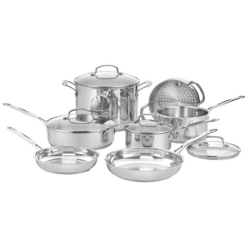
Credit: www.surlatable.com
Frequently Asked Questions
What Cookware Materials Do Chefs Prefer?
Professional chefs often prefer stainless steel, cast iron, and copper cookware. Stainless steel is durable and versatile. Cast iron retains heat well and adds flavor. Copper offers excellent heat conductivity. Each material serves different cooking needs, helping chefs achieve perfect results.
Do Chefs Use Non-stick Cookware?
Chefs typically avoid non-stick cookware for high-heat cooking. Non-stick surfaces can degrade at high temperatures, releasing harmful fumes. However, they may use non-stick pans for delicate dishes like eggs or pancakes. The ease of cleaning is also a benefit for specific tasks.
Why Do Chefs Use Cast Iron Skillets?
Cast iron skillets are favored for their heat retention and durability. They provide even cooking and can go from stovetop to oven. Chefs appreciate the skillet’s ability to develop a natural non-stick surface over time. This makes it ideal for searing and frying.
How Important Is Cookware Brand For Chefs?
While brand is not the sole focus, quality matters to chefs. Reputable brands often ensure durability and performance. Chefs look for cookware that withstands frequent use and offers consistent results. Investing in trusted brands can enhance cooking efficiency and satisfaction.
Conclusion
Professional chefs choose cookware with care. Quality matters to them. Stainless steel pots and pans are a favorite. Cast iron skillets are popular too. Non-stick options offer convenience. Copper pans provide precise heat control. Each type suits different needs. Chefs often mix and match.
They value durability and performance. Their choices influence the cooking outcome. Investing in good cookware can enhance cooking experiences. Consider chef preferences for your kitchen. Quality cookware supports better results. Find what works best for you. Cooking becomes more enjoyable with the right tools.