
Imagine walking into your kitchen and instantly feeling a sense of calm and control. No clutter on the countertops, no mystery spills in the fridge, and every tool and ingredient exactly where you expect it to be.
Keeping your kitchen organized and clean doesn’t have to be a daunting task. In fact, with a few simple strategies, you can transform your kitchen into a space that not only looks great but also makes cooking and cleaning a breeze.
As you read on, you’ll discover practical tips that will help you maintain a tidy kitchen effortlessly. Whether you’re dealing with a small space or a bustling family hub, these insights will empower you to take charge of your kitchen environment. Get ready to unlock the secrets of a cleaner, more organized kitchen that saves you time and reduces stress.
Decluttering Essentials
Keeping your kitchen organized and clean begins with mastering the art of decluttering. A clutter-free kitchen not only looks appealing but also makes cooking and cleaning more efficient. The key lies in knowing what you truly need and how to effectively dispose of what’s not essential. Let’s dive into some decluttering essentials that will transform your kitchen space.
Identifying Unnecessary Items
Start by taking a closer look at the items filling your kitchen cabinets and drawers. Ask yourself, “Do I really use this?” or “When was the last time I needed this?” Many of us hold onto gadgets and utensils that seemed useful at the time but remain untouched. Survey your kitchen tools and appliances—do you really need three spatulas or that bread maker you used once? Keep only what you use regularly, and set aside items that have collected dust. This not only frees up space but also helps you focus on what truly enhances your cooking experience.
Effective Disposal Methods
Once you’ve identified unnecessary items, the next step is to dispose of them responsibly. Consider donating gently used items to local charities or thrift stores. Someone else might find them more useful, and it gives your items a second life. For items that are broken or beyond repair, check for recycling programs in your area. Many communities offer specialized recycling for electronics and plastics. By disposing of kitchen clutter responsibly, you contribute to a cleaner home and a healthier planet.
How often do you find yourself shuffling through clutter to find what you need? Regularly decluttering can make your kitchen more functional and enjoyable. Take charge of your space and make it work for you.
Storage Solutions
Maximize space with vertical shelving and drawer organizers. Group similar items together for easy access. Regularly clean countertops and appliances to maintain a tidy kitchen environment.
Storage Solutions are key to maintaining a tidy kitchen. Smart storage can make a big difference. It helps keep items organized and easy to find. With the right strategies, you can transform your kitchen into a clutter-free space. Let’s explore some effective storage methods.Maximizing Cabinet Space
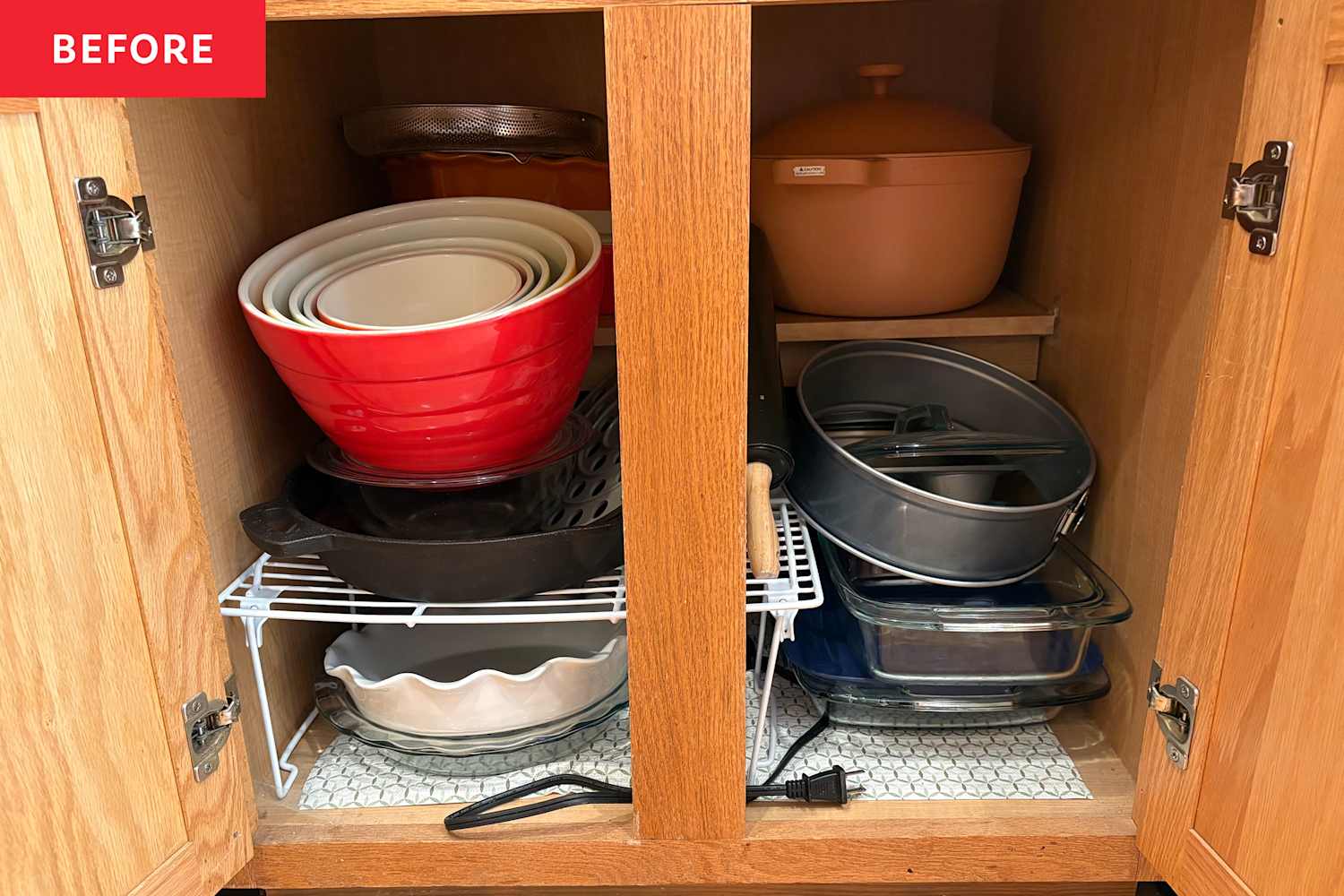
Cabinet space is precious in any kitchen. Use stackable containers to save room. This keeps items neat and accessible. Group similar items together. This makes it easier to locate what you need. Add shelf risers to increase vertical space. They create additional levels for storing items. Consider installing pull-out shelves. They provide easy access to deep cabinets. Store less-used items at the back. Keep frequently used items at the front. This ensures a smooth cooking experience.Utilizing Vertical Storage
Vertical storage maximizes unused wall space. Install hooks for hanging pots and pans. This frees up cabinet space. Use pegboards to organize kitchen tools. They keep items visible and within reach. Floating shelves add extra storage above counters. Display decorative items or store cookbooks. Wall-mounted racks hold spices and small containers. This keeps countertops clear. Consider magnetic strips for knives. They offer a safe, space-saving solution. Use the sides of cabinets for additional storage. Attach small shelves or baskets. They provide extra space for small kitchen items.Cleaning Routine
The heart of any home is undoubtedly the kitchen, and keeping it organized and clean can transform your cooking experience. Establishing a cleaning routine is crucial to maintaining a clutter-free and sparkling kitchen space. It’s not just about aesthetics; a clean kitchen can enhance efficiency and reduce stress. Let’s dive into how you can create a routine that fits into your daily and weekly schedule, ensuring your kitchen remains an inviting place for culinary creativity.
Daily Cleaning Tasks
Daily tasks are the backbone of maintaining cleanliness in your kitchen. Each evening, wipe down countertops to eliminate crumbs and spills that accumulate during meal preparation. Cleaning as you go can make a huge difference, leaving you with less work at the end of the day.
Don’t forget to wash dishes promptly, whether you prefer doing them by hand or using a dishwasher. Staring at a sink full of dirty dishes is never pleasant. Do you have a habit of leaving them overnight?
Take out the trash daily. An overflowing bin can quickly become a source of unpleasant odors. Consider using a small trash can; you’ll be forced to empty it often, keeping things fresh.
Weekly Deep Clean Strategies
Weekly deep cleaning is where you tackle tasks that your daily routine doesn’t cover. Dedicate time each week to scrub down appliances like your stove and fridge. These often harbor hidden grime that can affect their performance.
Organize your pantry and fridge by removing expired items. Not only does this free up space, but it also ensures you’re using fresh ingredients. Have you ever found a forgotten jar at the back of your fridge?
Don’t forget to mop the floors and clean the cabinets. These areas accumulate dirt and grease over time. A quick sweep might suffice for daily cleaning, but a weekly mop will keep your floors looking pristine.
With these actionable tasks, your kitchen will not only look great but will be a more enjoyable and efficient space to work in. What’s your favorite cleaning hack for the kitchen?

Credit: www.youtube.com
Maintaining Hygiene
A clean kitchen boosts hygiene and efficiency. Store utensils neatly and wipe surfaces daily. Use airtight containers for food. Regularly empty and clean the trash bin to prevent odors. Label shelves and containers for easy access. Keeping your kitchen organized ensures a healthier cooking space.
Maintaining a hygienic kitchen is not just about aesthetics; it’s essential for your health and safety. A clean kitchen prevents the spread of bacteria, reduces the risk of foodborne illnesses, and makes cooking a more enjoyable experience. However, achieving this requires a consistent approach to organization and cleanliness. Let’s dive into some practical tips to help you maintain hygiene in your kitchen.Proper Food Storage Techniques
Storing food correctly is crucial to maintaining hygiene. Make sure to keep raw meats separate from fruits and vegetables to prevent cross-contamination. Use airtight containers to store leftovers, which helps to keep food fresh and avoid unwanted odors. Label your containers with dates. This helps you keep track of how long something has been stored, ensuring you consume it before it spoils. Additionally, keep your refrigerator and pantry organized by placing similar items together, making it easier to find what you need and reducing the chances of forgetting items until they expire.Safe Handling Of Cleaning Products
Cleaning products can be effective allies in your battle against germs, but they need to be handled with care. Always read the labels for any specific instructions or warnings. This ensures that you are using the products effectively and safely. Store these products out of reach of children and pets. Safety should always be a priority, so consider using child-proof locks if necessary. Also, never mix cleaning products as this can cause dangerous chemical reactions. Why not create a cleaning schedule? It helps in regular maintenance and ensures that no area of your kitchen is neglected. How often do you disinfect your kitchen counters? Regular cleaning not only maintains hygiene but also brings peace of mind, knowing your kitchen is a safe space for preparing meals.Organizational Tools
Keeping your kitchen organized and clean can feel like a never-ending task, but with the right organizational tools, it becomes manageable and even enjoyable. Imagine walking into your kitchen where everything has its place, and you can find what you need in seconds. The key is using smart organizational tools that suit your needs and lifestyle.
Using Labels And Containers
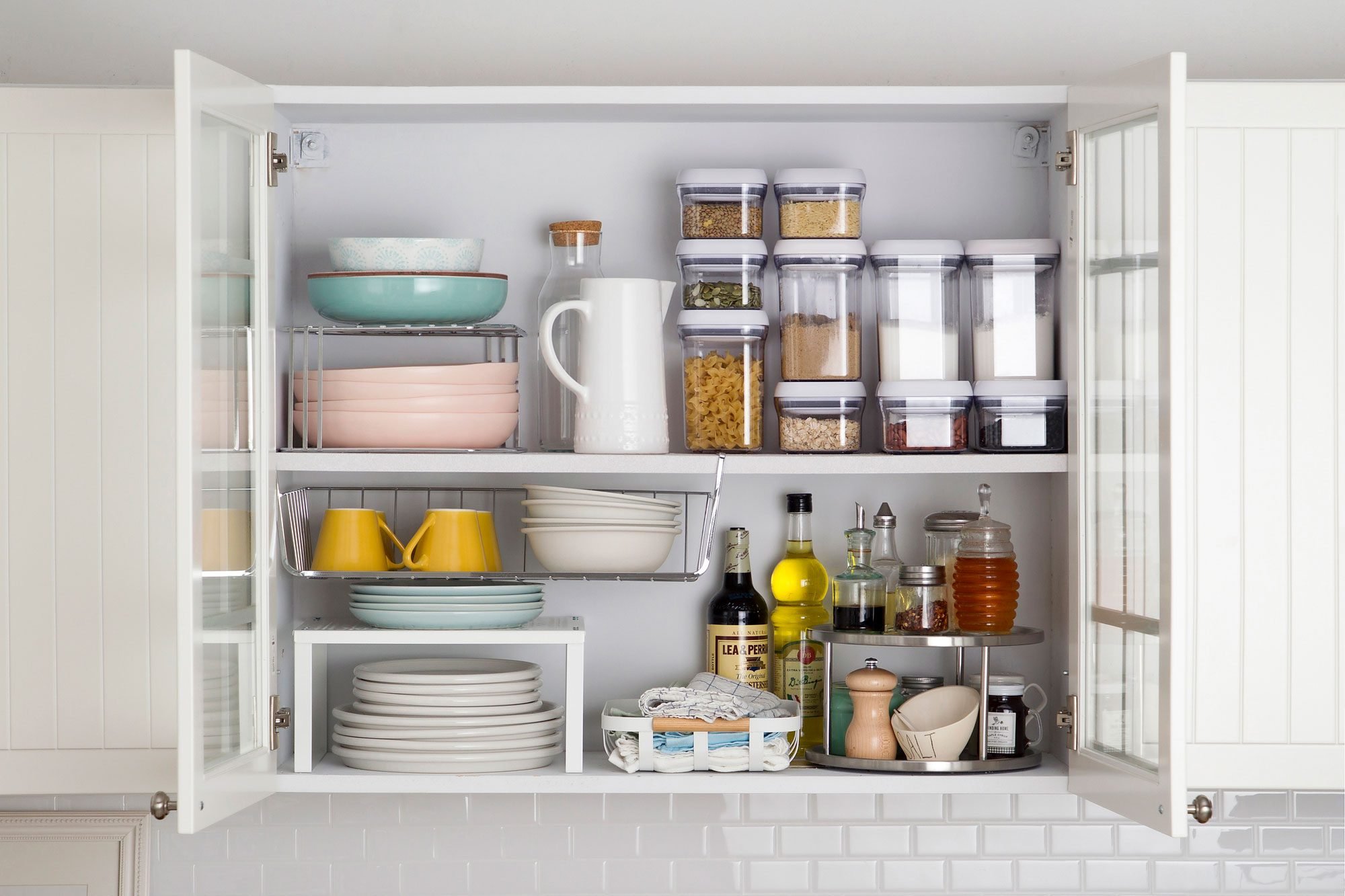
Labels and containers are a game-changer for kitchen organization. By labeling jars and bins, you ensure everything is easy to find and return. This simple step saves time and keeps your pantry tidy. Invest in clear containers so you can quickly see their contents without opening them. It’s like giving your kitchen a set of eyes.
Consider grouping similar items together. For instance, place all baking ingredients in one container. When you’re ready to bake, just grab the bin and have everything you need at your fingertips. This strategy eliminates clutter and makes cooking more enjoyable.
Incorporating Smart Technology
Smart technology is transforming kitchen organization. Devices like smart refrigerators can keep track of expiry dates and suggest recipes based on what’s inside. Imagine never having to throw away expired food again. It’s not just convenient; it’s economical.
Voice-activated assistants can set reminders for cleaning and organizing tasks. You can schedule a monthly cleanup without ever lifting a finger. This proactive approach ensures your kitchen stays clean effortlessly. Are you ready to let technology do the heavy lifting?
By using these organizational tools, you’ll find your kitchen becoming a space where creativity flows and cooking becomes a breeze. What tools will you try to enhance your kitchen organization?
Credit: www.apartmenttherapy.com
Time-saving Tips
Keeping your kitchen organized and clean saves time and energy. Implementing smart strategies ensures a smooth flow in daily tasks. Use these simple tips to transform your kitchen into a tidy and efficient space.
Streamlining Meal Prep
Organize your kitchen tools for quick access. Place frequently used items like knives and cutting boards near the prep area. Store ingredients in clear containers for easy identification. Label them for faster cooking.
Create a weekly meal plan to save time. This reduces decision-making stress. Prepare ingredients in advance. Chop vegetables and marinate proteins ahead of time. Use weekends to batch-cook meals for the week.
Efficient Shopping Practices
Make a shopping list before heading to the store. This helps avoid impulse buys. Group items by category for quicker navigation. Use apps to track pantry inventory and reduce unnecessary purchases.
Buy in bulk for essentials. This saves money and reduces frequent trips. Choose one day a week for grocery shopping. Stick to it for consistency. Keep reusable bags handy to minimize clutter.
Family Involvement
Creating an organized and clean kitchen involves everyone in the family. Family involvement not only makes cleaning easier but also teaches responsibility. Everyone can contribute to keeping the kitchen tidy.
Assigning Tasks
Divide kitchen tasks among family members. Assign specific jobs based on age and ability. Younger children can help with simple tasks like wiping counters. Older kids can assist with loading the dishwasher or sweeping the floor. Clear task assignments prevent confusion. Use a chart or list displayed in the kitchen. This visual reminder ensures everyone knows their responsibilities.
Teaching Cleaning Habits
Teaching good cleaning habits is vital for long-term organization. Show children how to clean up spills immediately. Encourage them to put items back after use. Explain the importance of cleaning as they cook. This practice keeps clutter away. Make cleaning a routine part of kitchen activities. Regular habits lead to a naturally organized environment. Praise effort and improvement to motivate young cleaners.
Credit: www.rd.com
Frequently Asked Questions
How Do I Start Organizing My Kitchen?
Begin by decluttering. Remove items you don’t use or need. Group similar items together, such as pots and pans. Use clear storage containers for easy visibility. Label shelves and containers for quick identification. Regularly clean and reassess your organization system to maintain order.
What Are Essential Tools For A Clean Kitchen?
Essential tools include microfiber cloths, a quality broom, and an all-purpose cleaner. Use sponges for scrubbing and a mop for floors. Invest in a dish rack for drying dishes. Keep a trash can with a lid to control odors.
How Can I Maximize Kitchen Storage Space?
Use vertical storage solutions like shelves and hooks. Install drawer organizers for utensils and small items. Use stackable containers for dry goods. Consider magnetic strips for knives and metallic tools. Optimize cabinet space with pull-out racks.
How Often Should I Deep Clean My Kitchen?
Deep clean your kitchen every one to two months. Focus on appliances, cabinets, and under sinks. Regular cleaning prevents build-up of grime and bacteria. It also extends the life of your appliances and keeps the kitchen environment healthy and pleasant.
Conclusion
A clean kitchen makes cooking more fun. Keep things simple. Use shelves and drawers to store items. Clear counters make it easy to work. Wash dishes right after using them. This stops clutter from building up. Wipe surfaces daily. This keeps your kitchen fresh and tidy.
Throw out old food regularly. This prevents bad odors. Stay organized to save time. A clean space boosts your mood. You will enjoy preparing meals more. Remember, a tidy kitchen means a happy cook. Start today and see the difference.