
Rust on your favorite bakeware can feel like a stubborn stain on your cooking passion. You know that sinking feeling when you pull out a baking sheet or a muffin tin, only to find it speckled with unsightly rust?
It can leave you wondering if your delicious creations will ever taste the same or if your bakeware will be safe to use. But don’t worry—there’s good news. You can restore your bakeware to its former glory with simple techniques that are both effective and safe.
Imagine baking with confidence again, knowing that your tools are clean and rust-free. Let’s dive into the easy steps to banish rust for good, so you can get back to whipping up mouthwatering treats without a second thought. Keep reading to discover the secrets to reviving your bakeware and bringing back the joy of baking.
Causes Of Rust In Bakeware
Moisture and leftover food particles cause rust in bakeware. Regular cleaning and proper drying prevent this issue.
Rust on bakeware can be a common issue. Understanding its causes helps prevent damage. Rust not only affects the appearance but can also impact the usability of your bakeware. Below are some key reasons why rust appears on bakeware.Moisture Exposure
Bakeware often encounters moisture during cleaning. Water left on surfaces can lead to rust. Drying items thoroughly prevents moisture buildup. Even a small amount of water can initiate rust formation. Ensure bakeware is completely dry before storing.Improper Storage
Storing bakeware in humid areas promotes rust. Avoid stacking items without proper air circulation. Use dry and cool spaces for storage. Proper storage reduces moisture exposure. Organize bakeware to allow air flow. This helps keep items dry and rust-free.Lack Of Maintenance
Regular maintenance is vital for bakeware longevity. Neglecting cleaning leads to rust. Residue left on bakeware can trap moisture. Routine checks ensure surfaces are clean and dry. Simple maintenance practices prevent rust. Regular care keeps bakeware in top condition.
Credit: www.composty.earth
Preventing Rust In Bakeware
Removing rust from bakeware ensures longer-lasting kitchen tools. Scrub the surface with baking soda and water paste. Dry thoroughly to prevent future rust.
Preventing rust in bakeware is essential for keeping your kitchen tools in top condition. Rust not only affects the appearance of your bakeware but can also impact the taste and safety of your baked goods. By adopting a few simple practices, you can ensure your bakeware remains rust-free and ready for action whenever you’re in the mood to bake.Proper Cleaning Techniques
Clean your bakeware immediately after use to prevent residue buildup. Use warm, soapy water and a soft sponge to gently scrub away any leftover food particles. Avoid using abrasive cleaners or steel wool, which can scratch the surface and make it more prone to rust.Effective Drying Methods
Thorough drying is crucial to prevent rust. After washing, use a clean towel to pat your bakeware dry. For an added layer of protection, place it in a warm oven for a few minutes to ensure no moisture remains.Optimal Storage Solutions
Store your bakeware in a dry, cool place to prevent moisture exposure. Consider using a rack to keep pieces separated, allowing air to circulate around them. If stacking is necessary, place a cloth or paper towel between items to minimize scratches and moisture retention. By implementing these practical steps, you can maintain the quality and longevity of your bakeware. What’s your favorite tip for keeping kitchen tools in perfect shape?Natural Rust Removal Methods
Vinegar and baking soda can effectively remove rust from bakeware. Soak the item in vinegar, then scrub with baking soda. Lemon juice mixed with salt is another natural option. Apply the mixture, let it sit, and then scrub away the rust gently.
Natural rust removal methods can save your bakeware from damage. They are safe and eco-friendly alternatives to harsh chemicals. Let’s explore some effective methods using common household items.Using Baking Soda Paste
Baking soda is a gentle abrasive. It helps scrub away rust without scratching. – Mix baking soda with water to form a thick paste. – Apply the paste to the rusty areas of your bakeware. – Let it sit for about 30 minutes. Use a soft brush to scrub the paste. Rinse with warm water. Dry thoroughly to prevent future rust.Vinegar And Salt Mixture
Vinegar is acidic. It breaks down rust effectively. Salt boosts its cleaning power. – Combine equal parts vinegar and salt in a bowl. – Soak the rusty bakeware in the mixture for a few hours. – Check and scrub the rust spots with a brush. Rinse the bakeware well after scrubbing. Dry it completely to avoid new rust spots.Lemon Juice Application
Lemon juice is another acidic solution. It naturally dissolves rust. – Squeeze fresh lemon juice onto the rusted areas. – Let it sit for a few hours. Use a soft cloth to wipe the rust away. Rinse and dry the bakeware carefully. This prevents new rust from forming.Commercial Rust Removal Options
Removing rust from bakeware involves using commercial rust removers designed for kitchen use. These products effectively dissolve rust, restoring your bakeware to its original condition. Always follow instructions on the product label for safe and effective results.
Removing rust from your bakeware can seem daunting, but commercial rust removal options offer a straightforward solution. These products are designed to tackle rust effectively, often with minimal effort on your part. They can save you time and elbow grease, allowing you to restore your bakeware to its former glory.Rust Removal Products
Commercial rust removers come in various forms, such as sprays, gels, and powders. Products like CLR, Evapo-Rust, and Bar Keepers Friend are popular choices. They are widely available in hardware stores and online, often accompanied by user-friendly instructions. When selecting a product, consider your specific needs. Some are formulated for quick action, while others focus on gentle cleaning. Reading user reviews can offer insights into their effectiveness and ease of use.Safety Precautions
Safety should always be a priority when using chemical products. Always read the label and follow the instructions provided by the manufacturer. Wearing gloves and working in a well-ventilated area can prevent skin irritation and inhalation of fumes. Ask yourself if you have all the necessary protective gear before starting. A pair of goggles can be a wise addition if there’s a risk of splashes. Ensuring your workspace is prepared can make the process smoother and safer for you. Cleaning rust doesn’t have to be a chore. With the right product and precautions, you can enjoy rust-free bakeware and the satisfaction of a job well done.Restoring Bakeware Finish
Rust stains on bakeware can be frustrating. A mixture of baking soda and water forms a paste that gently scrubs away rust, restoring shine. Rinse thoroughly and dry immediately to prevent further rusting.
Restoring bakeware finish not only enhances its appearance but also prolongs its lifespan. A rust-free surface ensures your baking creations are safe and delicious. Removing rust can bring back the shine, making your bakeware look brand new. With the right techniques, you can achieve a polished and protected finish.Polishing Techniques
Start by cleaning the bakeware with soap and water. Use a soft cloth or sponge to avoid scratches. For stubborn rust spots, apply a paste made of baking soda and water. Gently rub the paste on the affected areas in circular motions. After scrubbing, rinse thoroughly and dry with a clean towel. This process helps in removing surface rust and restoring shine.Protective Coating Application
Once rust is removed, applying a protective coating is crucial. Use vegetable oil or mineral oil to create a barrier against moisture. Lightly coat the surface with oil using a cloth. Ensure even coverage to protect all areas. Allow the bakeware to sit for a few minutes, then wipe away excess oil. This coating helps prevent future rust formation and maintains the finish. Regular application can keep your bakeware in optimal condition.
Credit: www.amazon.ca
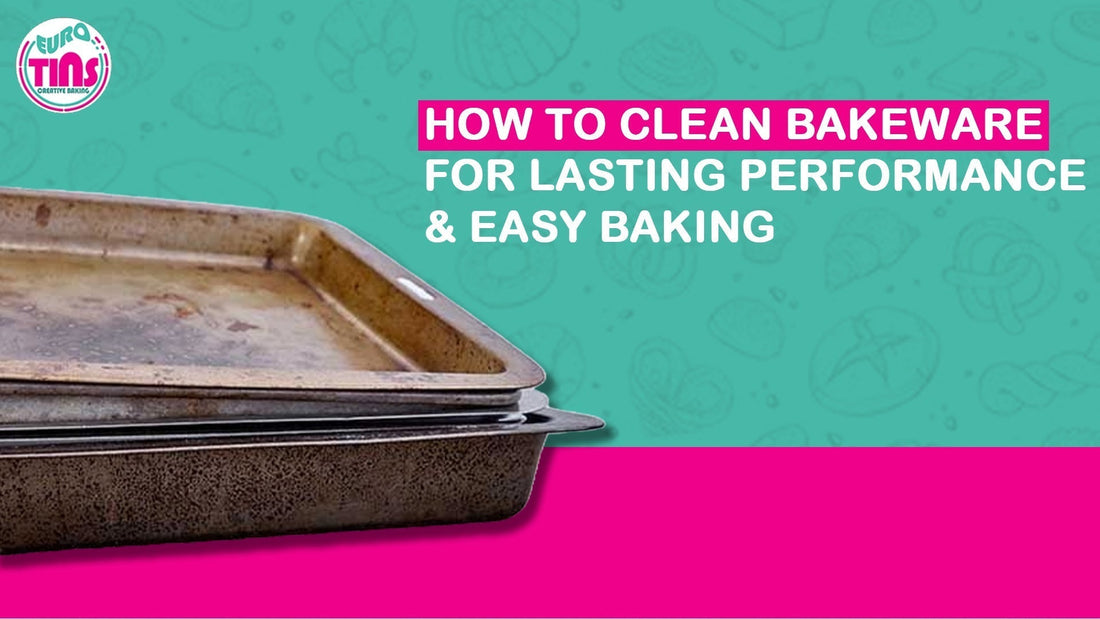
Credit: eurotins.co.uk
Frequently Asked Questions
What Causes Rust On Bakeware?
Rust forms on bakeware when iron reacts with moisture and oxygen. This process, called oxidation, creates rust. Factors such as humidity, improper drying, or exposure to water can accelerate rust formation. Regular maintenance and proper storage can help prevent rust from forming on bakeware surfaces.
Is Rust On Bakeware Harmful?
Yes, rust on bakeware can be harmful. Consuming rust particles may lead to health issues, including digestive problems. Rust can also affect the taste and appearance of food. It’s important to remove rust promptly and ensure bakeware is clean and safe for use.
How Do I Prevent Rust On Bakeware?
To prevent rust, dry bakeware thoroughly after washing. Store it in a dry place to avoid moisture exposure. Use protective coatings, like oil, to form a barrier against rust. Regularly check for signs of rust and address them quickly to prolong bakeware life.
Can Vinegar Remove Rust From Bakeware?
Yes, vinegar can remove rust effectively. Its acidic nature dissolves rust particles on metal surfaces. Soak the rusted bakeware in vinegar for a few hours, then scrub gently. Rinse thoroughly and dry to prevent further rust formation. Vinegar is a natural and safe cleaning option.
Conclusion
Rust doesn’t have to ruin your bakeware. Simple methods work best. Choose baking soda or vinegar to clean effectively. Remember to dry thoroughly after washing. Store in a dry place to avoid future rust. Regular maintenance keeps bakeware in top shape.
Rust-free bakeware means safe and tasty treats. Enjoy baking without worry or hassle. Rust removal is easy, practical, and cost-effective. Now, transform your kitchen routine with these tips. Say goodbye to rust and hello to great baking experiences. Your bakeware deserves care and attention.
Keep it rust-free and ready for use.