
Are you concerned about the safety of your cookware? You’re not alone.
With increasing awareness about the materials we use in our kitchens, many people like you are questioning whether their ceramic cookware is truly nontoxic. Your kitchen is the heart of your home, and the cookware you choose plays a crucial role in what you serve to your loved ones.
Imagine cooking up a delicious meal, only to worry if harmful chemicals might be leaching into your food. That’s unsettling, right? What if you could be sure that your ceramic pots and pans are safe and free from toxins? Dive into this article to uncover the truth about ceramic cookware and discover if it’s the nontoxic choice you’ve been looking for. Your peace of mind is just a few scrolls away.
Ceramic Cookware Basics
Ceramic cookware is gaining popularity in kitchens around the world for its perceived safety and aesthetic appeal. But what makes it stand out in the crowded cookware market? Understanding its basics can help you make informed decisions about your kitchenware. Let’s dive into the essential aspects of ceramic cookware.
What Is Ceramic Cookware?
Ceramic cookware is made from clay that is hardened by heat. The surface is often coated with a glossy, non-stick glaze. This gives it a smooth, easy-to-clean finish.
Unlike traditional cookware, ceramic doesn’t contain harmful chemicals like PFOA or PTFE. This is why many consider it a nontoxic option. It’s perfect for those looking to make healthier cooking choices.
Have you ever noticed how ceramic cookware comes in vibrant colors? This is not just for aesthetics. The rich colors are part of the glaze, which also acts as a protective layer.
How Ceramic Cookware Is Made
The process starts with high-quality clay. This clay is molded into the desired cookware shape. Once shaped, it is fired in a kiln at extremely high temperatures.
The firing process transforms the clay into a solid, durable piece. After this, a non-stick glaze is applied. This glaze is what gives ceramic cookware its shiny appearance.
Interestingly, the glaze can include natural minerals for added strength. This ensures that your cookware can handle daily use without chipping. Have you ever wondered why ceramic cookware sometimes has a unique, handcrafted look? The manufacturing process often allows for artistic touches.
Choosing ceramic cookware can be a step towards a healthier kitchen. Its nontoxic nature and unique manufacturing process make it a worthy consideration. What do you think? Would you add ceramic to your cookware collection?
Health Concerns And Safety
Ceramic cookware is often considered nontoxic and safe for cooking. Free from harmful chemicals like PFOA and PTFE, it provides a healthier option. Many people prefer it for its eco-friendly and nonstick properties.
Choosing cookware is more than just picking a piece that matches your kitchen decor. It’s a decision that affects your health and safety. With growing concerns about toxins in everyday items, understanding the materials used in cookware is crucial. Ceramic cookware often comes up in these discussions. Is it a safer choice, or are there hidden dangers?Potential Toxins In Cookware
Many cookware options contain elements that can leach toxins into your food. Non-stick pans, for example, might release harmful chemicals like PFOA when overheated. Stainless steel can sometimes release nickel, a common allergen. You might wonder if ceramic cookware has similar issues. Pure ceramic cookware is made from clay and does not contain metals or synthetic coatings, making it a potentially safer option. However, not all ceramic cookware is created equal. Some have non-stick coatings that might not be as healthy as you think.Comparing Ceramic To Other Materials
When weighing your options, it’s useful to compare ceramic with other materials. Teflon-coated pans are popular for their non-stick properties but can pose health risks at high temperatures. Cast iron is durable and can add iron to your diet, but it requires careful maintenance to prevent rust. Ceramic cookware stands out for its natural non-stick surface and ease of cleaning. It’s often considered safer since it doesn’t release harmful chemicals even at high temperatures. However, it’s essential to ensure that the ceramic is of good quality and free from questionable coatings. Have you checked the labels on your cookware recently? A little research can go a long way in ensuring you’re making the healthiest choice for you and your family.Benefits Of Ceramic Cookware
Ceramic cookware has gained popularity among health-conscious individuals who prioritize nontoxic kitchen products. With its unique composition, it provides a safer cooking experience, free from harmful chemicals found in other types of cookware. But what makes ceramic cookware stand out? Let’s delve into some of its key benefits that might make it the perfect addition to your kitchen.
Non-stick Properties
One of the most appealing features of ceramic cookware is its natural non-stick surface. Unlike traditional non-stick pans coated with potentially harmful substances, ceramic pots and pans offer a slick surface without added chemicals. Imagine cooking a perfect omelet without the hassle of scraping off burnt bits. This ease of cooking not only saves time but also makes cleaning up a breeze. Have you ever spent ages scrubbing stubborn food residues? With ceramic cookware, that’s a worry of the past.
Temperature Stability
Ceramic cookware excels in maintaining stable cooking temperatures. Its thick, sturdy construction ensures even heat distribution, reducing the chances of hot spots that can ruin a dish. Picture yourself cooking a delicate sauce; the consistent temperature of ceramic ensures it thickens perfectly without burning. This stability is not only crucial for achieving culinary perfection but also for maintaining the safety of your food. Have you ever wondered why certain dishes turn out better in specific types of cookware? The secret often lies in temperature control.
Myths Vs. Facts
Ceramic cookware is often believed to be nontoxic, but not all options are free from harmful chemicals. Always check for quality assurances and certifications to ensure safety.
Separating myths from facts about ceramic cookware is essential for making informed choices in your kitchen. With various opinions floating around, it’s easy to get confused. Let’s break down some common misconceptions and shed light on what scientific research has to say about the safety of ceramic cookware.Common Misconceptions
Many believe that all ceramic cookware is entirely nontoxic. While ceramic coatings are generally free from harmful chemicals like PFOA and PTFE, not all ceramic cookware is created equal. Some products may still contain trace elements that aren’t ideal for health. Another myth is that ceramic cookware is indestructible. While they are durable, improper use or drastic temperature changes can lead to cracking or chipping. This can potentially expose the underlying materials, which may not be as safe. Some people think that all ceramic cookware is safe for high-heat cooking. However, using ceramic pans at very high temperatures can cause damage over time. It’s important to follow the manufacturer’s guidelines to ensure your cookware remains safe and effective.Scientific Research Findings
Scientific studies have shown that high-quality ceramic cookware is generally safe for cooking. These products are often made from natural materials and do not release toxic fumes, even at high temperatures. However, it’s crucial to check for certifications that verify the safety standards of the cookware you’re purchasing. Research also highlights the importance of proper maintenance. Regular cleaning and avoiding metal utensils can significantly extend the life of your ceramic cookware. This not only ensures safety but also maintains cooking efficiency. Have you ever wondered about the environmental impact of your cookware? Studies suggest that ceramic cookware is more eco-friendly compared to traditional non-stick options. By choosing ceramic, you’re also making a choice that’s gentler on the planet. Understanding the difference between myths and facts can guide you in making healthier choices in your kitchen. Have you considered what your cookware might be contributing to your meals?Choosing Quality Ceramic Cookware
Ceramic cookware offers a nontoxic cooking option, free from harmful chemicals found in some nonstick coatings. Its natural surface ensures safe, healthy meals for your family. Opt for high-quality ceramic to enjoy durability and even heat distribution.
Choosing the right ceramic cookware ensures you enjoy a healthy kitchen. The market offers a variety of options, and selecting quality pieces is crucial. Let’s explore the features that signify superior ceramic cookware and identify trusted brands that deliver excellence.Features To Look For
Quality ceramic cookware should have a durable coating. This prevents food from sticking and makes cleaning easier. Look for products with a thick layer of ceramic. This ensures even heat distribution. Handles should be heat-resistant for safe handling. Compatibility with various stovetops adds versatility. Check for dishwasher-safe options for convenience. Consider the weight; lighter cookware is easier to maneuver.Trusted Brands And Manufacturers
Many brands offer reliable ceramic cookware. GreenPan is known for non-toxic, eco-friendly products. Caraway provides stylish designs with effective performance. Xtrema is another brand focused on safety and functionality. Scanpan delivers durability and innovative technology. Ensure your chosen brand has positive reviews. A warranty can indicate the manufacturer’s confidence in their product.
Credit: www.instagram.com
Caring For Ceramic Cookware
Ceramic cookware is often praised for being nontoxic and free from harmful chemicals. It offers a safe cooking experience while maintaining food’s natural flavors. Proper care ensures its longevity and nonstick properties.
Caring for your ceramic cookware is essential to maintain its nontoxic benefits and ensure it lasts for years. Ceramic cookware is not only beautiful but also functional, making it a cherished part of your kitchen. By following some simple care tips, you can keep it looking and performing like new. Plus, you’ll have the satisfaction of knowing your kitchenware is safe for you and your family.Cleaning Tips
Cleaning ceramic cookware might seem intimidating, but it’s surprisingly straightforward. Always allow your cookware to cool before cleaning to prevent thermal shock, which can cause cracking. Use warm, soapy water and a soft sponge to gently remove any food residues. Avoid abrasive cleaners and steel wool, which can damage the ceramic surface. If stubborn stains occur, a paste of baking soda and water can work wonders. Simply apply it, let it sit for a few minutes, and then rinse it off for a gleaming finish.Storage Recommendations
Proper storage is another key aspect of caring for your ceramic cookware. Ensure the cookware is completely dry before storing to prevent moisture build-up, which could lead to mildew or unpleasant odors. Consider storing ceramic pans in a way that prevents them from touching each other to avoid chipping. Using protective padding or cloth between stacked items can help maintain their pristine condition. Have you ever opened your cabinet and found a chipped favorite piece? With these tips, you can prevent that heartbreak. Remember, the effort you put into caring for your ceramic cookware pays off in both performance and longevity. Wouldn’t you want your favorite kitchen pieces to last a lifetime?Environmental Impact
Ceramic cookware is popular for its non-toxic qualities. Its environmental impact is also important. This cookware is often considered more eco-friendly than alternatives. Let’s explore why.
Sustainability Of Ceramic Materials
Ceramic materials come from natural sources like clay. This makes them sustainable. The extraction process is less harmful to the planet. Unlike metals, ceramics don’t require extensive mining. This reduces environmental damage. Clay is abundant and renewable. Its use doesn’t deplete resources. This makes ceramic cookware a green choice.
Recycling And Disposal Options
Ceramic cookware is durable and long-lasting. This reduces the need for frequent replacements. When it reaches the end of its life, recycling can be tricky. Not all recycling facilities accept ceramics. Yet, some creative options exist. Broken ceramics can become art pieces or garden decor. This gives them a second life. Disposal should be thoughtful to minimize waste. Check local recycling options for specific guidance.
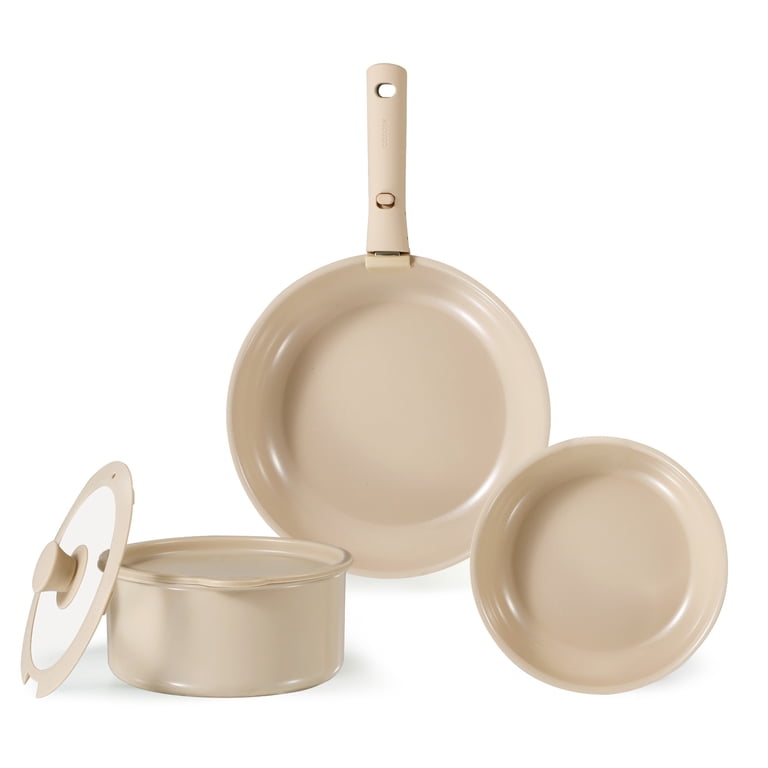
Credit: www.walmart.com

Credit: www.amazon.com
Frequently Asked Questions
Is Ceramic Cookware Safe For Everyday Use?
Yes, ceramic cookware is generally safe for everyday use. It is free from harmful chemicals like PFOA and PTFE. Its non-toxic nature makes it an excellent choice for health-conscious cooks. However, ensure you choose high-quality brands to avoid heavy metals in low-quality ceramics.
Does Ceramic Cookware Contain Harmful Chemicals?
Ceramic cookware is typically free from harmful chemicals. It doesn’t contain PTFE, PFOA, or other synthetic materials. Its natural ceramic coating offers a non-toxic cooking surface. Always check product specifications to ensure the cookware is 100% ceramic and free from heavy metals.
How Does Ceramic Cookware Compare To Teflon?
Ceramic cookware is a safer alternative to Teflon. It doesn’t release toxic fumes at high temperatures, unlike Teflon. Ceramic offers a non-stick surface without chemicals. It’s ideal for health-conscious users. However, ceramic might wear down faster than Teflon if not properly cared for.
Can Ceramic Cookware Be Used On High Heat?
Yes, ceramic cookware can be used on high heat. It is built to withstand high temperatures without releasing toxins. However, excessive heat might damage its non-stick surface. It’s advisable to use medium heat for longevity. Always follow the manufacturer’s instructions for best results.
Conclusion
Ceramic cookware offers a nontoxic option for safe cooking. Its natural materials reduce harmful chemicals. Many home cooks prefer this healthier choice. It’s important to check for lead-free labels. This ensures the cookware is truly nontoxic. Proper care extends its lifespan.
Avoid metal utensils to keep the surface intact. Ceramic cookware can be a great addition to your kitchen. It combines safety with functionality. Consider it if you prioritize health in cooking. Always choose quality brands for peace of mind. Explore options that fit your cooking needs.
Make informed decisions for your family’s health.