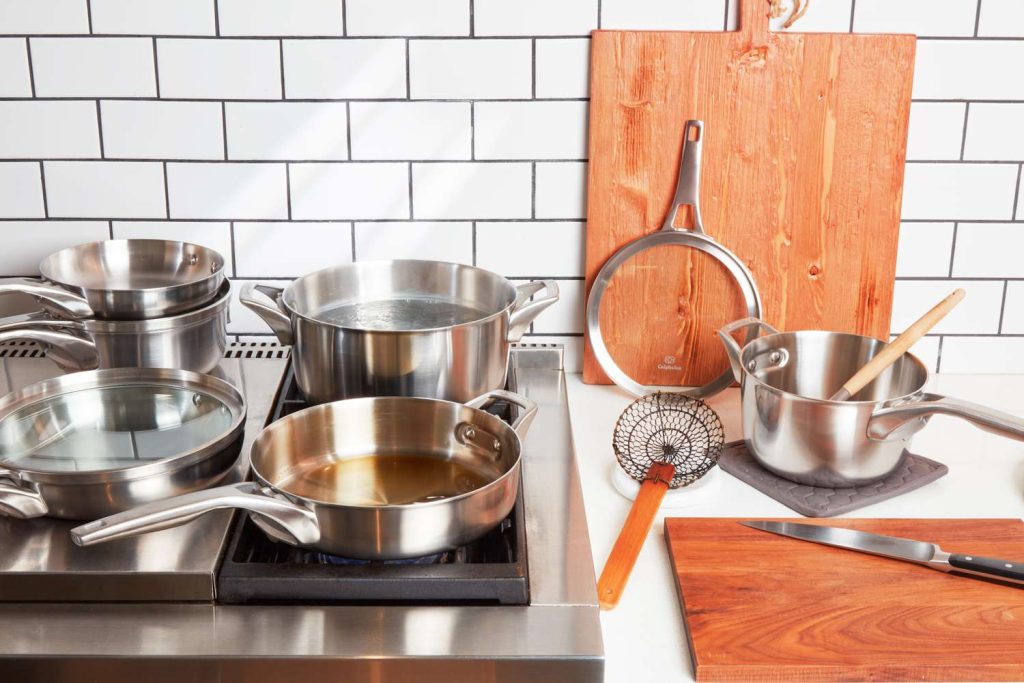
Imagine reaching for your favorite Calphalon stainless steel cookware, only to notice stubborn stains and discoloration ruining its sleek appearance. You’ve invested in quality cookware to enhance your culinary skills, so keeping it pristine is essential.
But how do you effectively clean and maintain that gleaming surface without causing damage? You’re about to discover simple yet powerful methods to restore your cookware’s shine. These techniques will not only make your cookware look brand new but also ensure it lasts for years to come.
Don’t let grime and residue interfere with your cooking experience. Your pristine pots and pans are just a few steps away. Dive into this guide and unleash the secrets to keeping your Calphalon stainless steel cookware spotless and impressive.
Choosing The Right Cleaning Tools
Choosing the right cleaning tools ensures Calphalon stainless steel cookware stays shiny and spotless. Use a soft sponge to avoid scratches. Mild dish soap effectively removes stubborn stains.
Cleaning your Calphalon stainless steel cookware requires the right tools. Using the correct items ensures your cookware remains shiny and lasts longer. Let’s explore some essential cleaning tools for your kitchen routine.Soft Sponges
Soft sponges are gentle on stainless steel surfaces. They prevent scratches and keep the surface smooth. Choose non-abrasive sponges for everyday cleaning tasks.Microfiber Cloths
Microfiber cloths are excellent for buffing and polishing. They remove streaks and fingerprints effectively. Use them dry or slightly damp for best results.Dish Soap
Mild dish soap is crucial for cleaning stainless steel. It breaks down grease without harming the surface. Opt for soaps without harsh chemicals.Baking Soda
Baking soda is a natural cleaner. It tackles tough stains and stuck-on food. Mix it with water to form a paste for scrubbing.White Vinegar
White vinegar is a versatile cleaner. It dissolves mineral deposits and brightens steel. Dilute it with water before applying to avoid strong odors.Plastic Scrapers
Plastic scrapers help remove food residues. They won’t scratch the stainless steel surface. Use them gently to preserve the cookware’s finish.Steel Wool Pads
Steel wool pads are for stubborn stains. Choose fine-grade pads to avoid damaging the cookware. Use them sparingly and with care.Non-abrasive Cleaners
Non-abrasive cleaners maintain the cookware’s shine. They remove stains without scratching. Follow the manufacturer’s instructions for optimal use.
Credit: www.amazon.com.au
Pre-cleaning Preparation
Gather all your cleaning supplies and clear the sink area. Make sure the cookware is cool and free of food debris.
Preparing your Calphalon stainless steel cookware for cleaning is a crucial first step in maintaining its shine and longevity. A few simple actions before cleaning can make all the difference in preserving the quality of your cookware. Let’s explore how to get your cookware ready for cleaning, focusing on two important aspects: removing food residues and cooling down cookware.Removing Food Residues
Begin by using a soft spatula or wooden spoon to gently scrape off any large food particles. Avoid using metal utensils that might scratch the surface. Next, rinse the cookware under warm water to loosen any stubborn bits. This quick rinse helps in minimizing the effort needed during the actual cleaning process. If you notice any stubborn residues sticking to the pan, fill it with warm water and let it sit for a few minutes. This simple soak can work wonders in loosening up those tricky food particles.Cooling Down Cookware
Allow your cookware to cool naturally before you start cleaning. Placing a hot pan under cold water can cause it to warp, compromising its cooking performance. You might feel tempted to rush the process, especially if you’re cleaning multiple items. However, patience at this stage ensures your cookware remains in top-notch condition. If you’re in a hurry, consider placing the cookware on a heat-resistant surface and letting it sit for a few minutes. This small waiting period safeguards your kitchen investment against potential damage. Taking these preparatory steps not only protects your cookware but also makes the cleaning process smoother and more efficient. Have you ever wondered how these small efforts impact the lifespan of your kitchen tools? Try it out and see the difference for yourself!Effective Cleaning Techniques
Cleaning Calphalon stainless steel cookware requires gentle techniques. Use mild dish soap and a soft sponge. Dry thoroughly to prevent water spots.
Cleaning your Calphalon stainless steel cookware doesn’t have to be a daunting task. With the right techniques, you can maintain their gleaming appearance and ensure they last for years. Let’s explore some effective cleaning methods that will keep your cookware in pristine condition.Hand Washing Vs. Dishwasher
Choosing between hand washing and using a dishwasher can significantly impact the longevity of your cookware. Hand washing is often recommended for stainless steel as it gives you control over the pressure and type of detergent used. Warm, soapy water and a soft sponge can effectively remove stuck-on food without scratching the surface. On the other hand, while dishwashers offer convenience, they can be harsh on cookware. The high heat and strong detergents might dull the finish over time. If you opt for the dishwasher, ensure your cookware is dishwasher safe and use a gentle cycle.Using Mild Detergents
The type of detergent you use can make a big difference. Mild dish soaps are ideal for cleaning stainless steel as they are gentle yet effective. Harsh chemicals and abrasives can damage the surface, leading to scratches and discoloration. Consider using a detergent specifically designed for stainless steel. These products often contain ingredients that help maintain the shine without leaving residues. Remember, a little goes a long way—use just enough to create a gentle lather. Do you have a favorite cleaning method that works wonders for your stainless steel cookware? Share your tips and tricks in the comments! Keeping your cookware looking new might be simpler than you think.Addressing Stubborn Stains
Addressing stubborn stains on Calphalon stainless steel cookware involves a gentle yet effective cleaning approach. Use a mix of baking soda and warm water to create a paste. Apply this to the stains, scrub gently with a non-abrasive sponge, and rinse thoroughly for a sparkling finish.
Addressing stubborn stains on your Calphalon stainless steel cookware can seem daunting, but with the right approach, it’s manageable. Stains can form from burnt food, heat discoloration, or mineral deposits from hard water. Knowing the right techniques can save you time and keep your cookware looking pristine.Baking Soda Method
Baking soda is a gentle yet effective abrasive. Begin by creating a paste with baking soda and a little water. The paste should have a thick, spreadable consistency. Apply the paste to the stained area, using a soft cloth or sponge. Rub gently in a circular motion. This helps lift the stain without scratching the surface. Let the paste sit for about 15 minutes. Rinse thoroughly with warm water, ensuring no residue remains. You might be surprised at how effective this simple method can be.Vinegar Solution
Vinegar is excellent for tackling stubborn stains due to its natural acidity. Mix equal parts of vinegar and water in a spray bottle. Spray the solution onto the stained areas and let it sit for about 10 minutes. This allows the vinegar to break down the stains. Wipe the surface with a soft cloth, then rinse with warm water. If the stain persists, you may repeat the process. Vinegar not only removes stains but also adds a shine to your cookware. Have you ever tried these methods before? They can make a significant difference in maintaining your cookware. With regular care, your Calphalon stainless steel cookware will continue to shine in your kitchen.Polishing And Maintaining Shine
Polishing and maintaining the shine of your Calphalon stainless steel cookware can make your kitchen feel like a high-end chef’s paradise. When your pots and pans gleam, they not only look beautiful but also inspire you to cook more delicious meals. Keeping them polished is simpler than you might think, and the right techniques can extend the life of your cookware while preserving its elegant appearance.
Using Stainless Steel Polish
Stainless steel polish is a secret weapon in your cleaning arsenal. Choose a high-quality polish specifically designed for stainless steel to avoid residue or damage. Apply a small amount on a soft cloth, moving in circular motions. This technique helps in removing smudges and fingerprints, leaving a brilliant shine. Be sure to follow the manufacturer’s instructions for the best results.
Buffing Techniques
Buffing is where the magic happens. After applying polish, use a clean, dry cloth to buff the surface. Move in circular motions, applying gentle pressure to enhance shine. Buffing not only polishes but also seals the surface against future smudges. It’s like giving your cookware a protective layer that makes cleaning easier next time. Experiment with different buffing motions to see what works best for your cookware.
Have you ever noticed how professional chefs take pride in their cookware? They understand that clean, shiny pots and pans are a reflection of their dedication to their craft. Why not bring that same pride into your kitchen? Try these techniques and enjoy the sparkle every time you cook. Will you transform your kitchen into a shining culinary haven today?
Preventing Future Damage
Regular cleaning keeps Calphalon stainless steel cookware in top condition. Use warm, soapy water and a soft sponge. Avoid abrasive pads to prevent scratches and future damage.
Preventing Future Damage Proper care for your Calphalon stainless steel cookware isn’t just about cleaning it after each use. It’s also about adopting habits that prevent damage over time. By making small adjustments in how you use and store your cookware, you can extend its life and keep it looking like new.Avoiding Abrasive Materials
When you’re cleaning, it might be tempting to reach for the toughest scrubber in your arsenal. Resist the urge. Abrasive materials like steel wool can scratch the surface of your cookware, compromising its shine and functionality. Instead, opt for a soft sponge or a nylon scrubber. Even baking soda can be a gentle yet effective cleaning agent. You can create a paste with a bit of water to tackle stubborn spots without causing harm.Proper Storage
Where do you store your cookware when it’s not in use? If you stack them haphazardly, you might be setting yourself up for damage. Stacking can lead to scratches and dents, especially if you’re in a rush. Consider using a pot rack or installing cabinet organizers to keep your cookware separated. If space is tight, placing a soft cloth or paper towel between each piece can prevent scratches. This small step can make a big difference in keeping your cookware pristine. Are there other strategies you’ve found useful for maintaining your stainless steel cookware? Share your tips in the comments!Common Mistakes To Avoid
Avoid using abrasive cleaners that can scratch the surface. Never soak stainless steel cookware for long periods as it may cause discoloration. Always dry the cookware thoroughly to prevent water spots and rust.
Cleaning Calphalon stainless steel cookware might seem straightforward, but there are common mistakes that can lead to damage or reduce its lifespan. It’s easy to overlook these errors if you’re not mindful. Avoiding these pitfalls ensures that your cookware remains in pristine condition, ready for your next culinary adventure.Using Steel Wool Or Abrasive Scrubbers
Reaching for steel wool might be tempting when faced with stubborn stains. However, it can scratch the surface of your cookware. Opt for a gentle sponge or a soft cloth instead.Skipping The Pre-soak
Skipping the pre-soak can lead to more effort scrubbing later. Allowing cookware to soak in warm, soapy water helps loosen food particles. This makes cleaning much easier and more effective.Using Harsh Cleaning Agents
Harsh chemicals can strip away the cookware’s finish. Stick to mild dish soap and avoid bleach or ammonia-based cleaners. These can cause discoloration and harm the stainless steel.Not Drying Properly
Leaving cookware to air dry might seem convenient, but it can lead to water spots. Use a soft towel to dry your cookware immediately after washing. This keeps it spotless and shiny.Overheating The Cookware
Cooking on high heat can cause discoloration and damage. Always use medium or low heat to preserve the cookware’s surface. This not only extends its life but also ensures even cooking.Ignoring Regular Maintenance
Neglecting regular maintenance can lead to buildup and stains. Make it a habit to clean your cookware thoroughly after each use. This routine care keeps it looking brand new. Are you guilty of any of these mistakes? Adjusting your cleaning habits might be all it takes to keep your Calphalon stainless steel cookware in top shape. Treat your cookware with care and it will reward you with years of reliable service.
Credit: www.tiktok.com

Credit: www.reddit.com
Frequently Asked Questions
What Is The Best Way To Clean Calphalon Stainless Steel Cookware?
To clean Calphalon stainless steel cookware, use warm water, mild detergent, and a soft sponge. Avoid abrasive cleaners to prevent scratches. For stubborn stains, soak the cookware in warm soapy water before scrubbing gently. Always dry thoroughly to maintain its shine and prevent water spots.
Can I Use Vinegar On Stainless Steel Cookware?
Yes, vinegar is safe for stainless steel cookware. It helps remove stains and discoloration. Mix equal parts of water and vinegar, apply to the cookware, and gently scrub. Rinse thoroughly to remove residue. Vinegar also helps restore the shine and keeps your cookware looking new.
How Do I Remove Burnt Food From Stainless Steel?
To remove burnt food, soak the cookware in warm soapy water. Use a soft sponge to gently scrub the residue. For tougher stains, sprinkle baking soda and scrub gently. Avoid steel wool as it can scratch the surface. Rinse thoroughly and dry to prevent water spots.
Is It Safe To Use Baking Soda On Stainless Steel?
Yes, baking soda is safe and effective for cleaning stainless steel cookware. It acts as a mild abrasive, removing stains without scratching. Mix baking soda with water to form a paste, apply to the stain, and scrub gently. Rinse thoroughly and dry to maintain the cookware’s shine.
Conclusion
Maintaining Calphalon stainless steel cookware is simple. Just follow the right steps. Regular cleaning keeps it shiny and efficient. Always use gentle scrubbers. Avoid harsh chemicals and tools. Dry your cookware completely to prevent water spots. Consistent care extends its life and performance.
Your meals will taste better. And your cookware will look great. Investing time in cleaning is worthwhile. Enjoy your cooking journey with clean, well-maintained cookware. Happy cooking!