If you’ve ever pulled out your favorite cast iron skillet only to find it speckled with unsightly rust, you’re not alone. It’s a common issue many cast iron enthusiasts face, and it can be frustrating.
But don’t worry, there’s good news: removing rust from your cast iron cookware is not as daunting as it seems. Imagine the joy of restoring your beloved kitchen tool to its former glory, ready to serve up delicious meals once more.
You’ll discover simple, effective methods to banish rust and bring back that smooth, seasoned surface. Say goodbye to the hesitation and hello to cooking confidence as you unlock the secrets to maintaining your trusty cast iron companion. Ready to dive in and transform your cookware? Let’s get started!
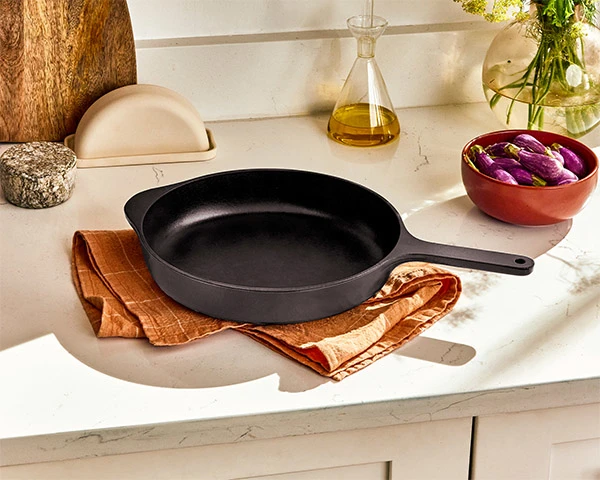
Credit: www.carawayhome.com
Identifying Rust On Cast Iron
Rust on cast iron cookware appears as reddish-brown spots. It weakens the metal and affects cooking performance. Identifying these spots is the first step to restoring your cookware’s functionality.
Identifying rust on cast iron cookware is essential for maintaining its longevity. Rust can damage and reduce the effectiveness of your cookware. By spotting rust early, you can take steps to restore your cast iron to its former glory. Knowing where to look and what to watch for is key.Understanding Rust Formation
Rust forms when iron meets moisture and oxygen. This process creates a reddish-brown flaky coating. Cast iron is especially prone due to its porous nature. Cooking with water or storing a damp pan can speed up rusting.Visual Signs Of Rust
Look for spots or patches with a reddish-brown hue. These are telltale signs of rust. Rust can appear as small dots or larger patches. Check the entire surface for uniformity in color and texture.Feel The Surface
Rust affects the texture of cast iron. Run your hand over the surface. A rough or uneven feel indicates rust formation. A smooth surface usually means no rust.Listen For Changes
Gently tap the cookware with a utensil. A dull sound might indicate rust beneath the surface. A clear ring usually means the pan is rust-free.Use A Light Test
Hold the cookware under a bright light. Rusty areas often reflect light differently. This can help in identifying even minor rust spots.Examine Cooking Performance
Rust can affect how food cooks in your pan. If food sticks more than usual, rust might be the culprit. A well-seasoned, rust-free pan should perform smoothly. Identifying rust early can save you time and effort. Regular checks keep your cast iron in top condition.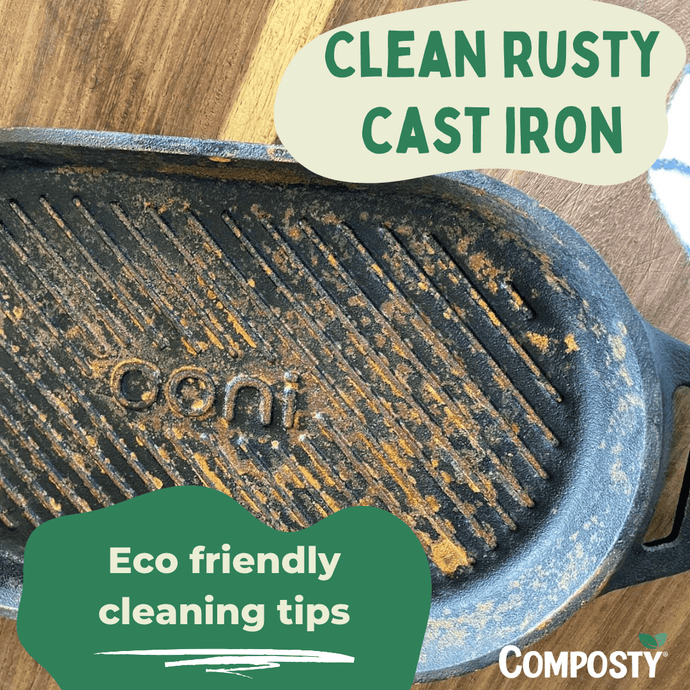
Credit: www.composty.earth
Tools And Materials Needed
Gather steel wool, a scrub brush, and mild dish soap. Vinegar and baking soda can help tackle stubborn rust. Ensure you have a towel for drying and some vegetable oil for seasoning the cookware.
Removing rust from cast iron cookware is a task that requires a bit of elbow grease, but it’s definitely doable with the right tools and materials. If you’re staring at those pesky rust spots, feeling somewhat overwhelmed, take heart. With a little preparation and the right equipment, you can restore your cookware to its former glory. Let’s dive into the essentials you’ll need for this satisfying transformation.Scrubbing Tools
To tackle rust effectively, you need tools that can scrub without damaging the cast iron. A wire brush is your first line of defense. It can reach into those crevices and remove stubborn rust particles. Steel wool pads are also handy for smaller areas and fine detailing. If you don’t have these on hand, a dedicated cast iron scrubber works wonders and won’t scratch the surface.Cleaning Agents
You’ll need something to assist the scrubbing tools. Kosher salt is a natural abrasive that, when paired with a little elbow grease, makes rust vanish. White vinegar is another powerhouse—it reacts with rust to loosen its grip. A mixture of vinegar and water can be particularly effective, but remember to rinse thoroughly to avoid any lingering acidity.Protective Gear
Rust removal can be messy, so a pair of gloves will protect your hands from irritation. Ensure you have a good apron to keep your clothes clean. Safety goggles might seem excessive, but they safeguard your eyes from any flying debris while scrubbing.Drying And Seasoning Supplies
Once the rust is gone, you’ll need to dry your cookware completely to prevent future rust. A soft towel will do the trick. After drying, apply a thin layer of vegetable oil or shortening to re-season your cookware. This step is crucial to maintain its non-stick surface and prevent rust from returning. Have you ever spent time restoring something and felt a wave of accomplishment as you see it return to its original state? With each scrub and rinse, you’re not just cleaning; you’re breathing new life into your cookware. What other household items might need this kind of attention and care?Preparing The Cookware
Restoring cast iron cookware is a rewarding task. Proper preparation ensures effective rust removal. Begin with cleaning the surface and follow with thorough drying. This sets the stage for a rust-free finish.
Cleaning The Surface
Start with warm water and mild soap. Scrub gently with a brush or sponge. Focus on rust patches to loosen debris. Rinse with clean water to remove soap residue.
For stubborn rust, use vinegar or a baking soda paste. Apply, then scrub with a brush. These natural solutions help break down rust particles effectively.
Drying Thoroughly
After cleaning, drying is crucial. Use a towel to remove excess water. Ensure no moisture remains as it can cause more rust.
Place the cookware on a stove over low heat. This removes any remaining moisture. Warmth ensures complete drying and prevents future rust formation.
Removing Rust
Removing rust from cast iron cookware is essential for its longevity. Rust can damage your cookware and affect food taste. Luckily, removing rust is not as hard as it seems. With a few simple steps, you can restore your cookware to its former glory.
Using Vinegar Solution
Vinegar helps dissolve rust easily. Mix equal parts of water and vinegar. Soak the cast iron in this solution for up to eight hours. Check periodically to ensure the rust is dissolving. After soaking, rinse thoroughly with water. Dry the cookware immediately to prevent new rust.
Scrubbing With Steel Wool
Steel wool can remove stubborn rust spots. Choose fine-grade steel wool for this task. Gently scrub the rusty areas in a circular motion. Apply steady pressure but avoid scratching the surface. Rinse the cookware after scrubbing. Dry it thoroughly to stop rust from returning.
Applying Baking Soda Paste
Baking soda is great for tackling rust. Mix baking soda with water to make a thick paste. Apply the paste to the rusty areas. Let it sit for a few hours. Use a brush to scrub the paste off. Rinse the cookware well with water. Ensure it is completely dry before storing.
Seasoning The Cookware
Removing rust from cast iron cookware involves a few simple steps. Begin by scrubbing the affected areas with a mixture of coarse salt and water. Dry thoroughly and apply a thin layer of vegetable oil to prevent future rusting. Regular maintenance keeps your cookware in top shape.
Seasoning your cast iron cookware is the secret sauce to keeping it rust-free and enhancing its non-stick abilities. It’s like giving your cookware a rejuvenating spa treatment after you’ve removed the rust. You might wonder, why seasoning? It’s all about building a protective layer that shields the cookware from moisture and rust. Let’s dive into the process of seasoning and you’ll soon discover how rewarding this simple task can be.Applying Oil
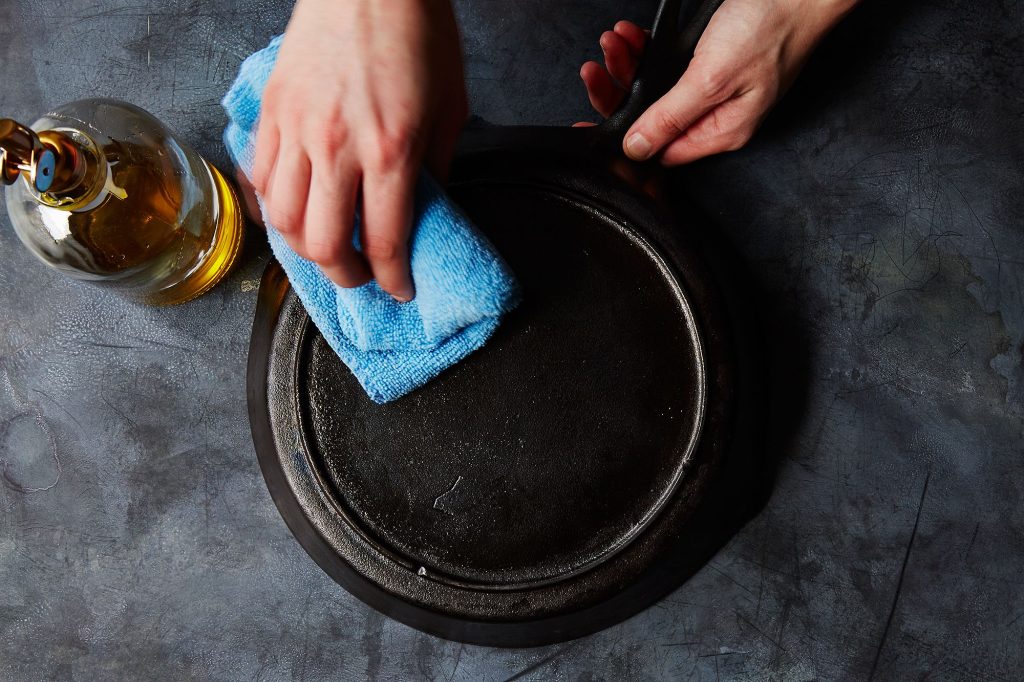
Begin by choosing the right oil for seasoning. Vegetable oil, canola oil, or even flaxseed oil are excellent choices. These oils have high smoke points, making them ideal for creating a solid protective layer. Make sure your cast iron is completely dry. Apply a thin layer of oil all over the surface—inside and out. You can use a paper towel or a clean cloth to spread the oil evenly. Remember, less is more. A thin layer prevents your cookware from becoming sticky or gummy. Have you ever thought about why thin layers work best? Thick layers can become sticky and attract dirt, defeating the purpose of seasoning. So, keep it light!Heating Process
Place your oiled cookware upside down in the oven. Set the temperature to around 375°F to 450°F. This allows the oil to polymerize and bond with the cast iron, forming a protective coating. Bake it for about an hour. You might notice a slight smell, which is normal. It’s the oil working its magic! After the hour is up, turn off the oven and let the cookware cool inside. Consider this: how often do you use your oven to enhance your cookware? This simple act can turn your kitchen into a haven for culinary creation. Once cooled, your cast iron is ready for action. But here’s a thought—how often should you repeat this process? Regular seasoning keeps your cookware in top shape, so aim to season every few months or whenever the surface feels sticky or rusty. By seasoning your cast iron, you not only preserve its quality but also unlock a world of delicious possibilities. Are you ready to transform your cooking experience?
Credit: www.instagram.com
Preventing Future Rust
Scrubbing cast iron cookware with coarse salt and a damp cloth can effectively remove rust. Dry thoroughly, then apply a thin layer of vegetable oil to prevent future rust formation. Regular seasoning keeps your cookware in top condition.
Preventing rust on your cast iron cookware is essential for longevity. By following proper care techniques, you can keep your cookware in excellent condition. Two key aspects to focus on are cleaning and storage. Let’s explore these in detail.Proper Cleaning Techniques
Clean your cast iron cookware immediately after use. This prevents moisture from causing rust. Use hot water and a stiff brush for scrubbing. Avoid using soap, as it can strip the seasoning. For stubborn food particles, use a paste of coarse salt and water. Dry the cookware thoroughly with a towel. Ensure no moisture remains before storing.Storage Tips
Store your cast iron in a dry, cool place. Avoid stacking with other cookware, which can trap moisture. If stacking is necessary, place a paper towel between items. This absorbs any residual moisture. Consider keeping the cookware in a warm oven or on a shelf. Ensure good air circulation around the cookware. This helps prevent rust formation.Common Mistakes To Avoid
Scrubbing cast iron with harsh abrasives damages its surface. Avoid soaking it in water for long periods, which can worsen rust.
Removing rust from cast iron cookware can be tricky. Many people make simple mistakes that worsen the problem. Avoid these errors to keep your cookware in top condition. Here are some common mistakes to steer clear of.Using Harsh Chemicals
Avoid using strong chemicals on cast iron. They can strip the seasoning and damage the surface. Stick to mild solutions like vinegar or baking soda. These are gentle yet effective.Skipping The Drying Process
Never leave cast iron wet. Water leads to rust. Always dry it thoroughly after cleaning. Use a towel or place it on a warm stove.Scrubbing With Steel Wool
Steel wool can scratch cast iron. It removes rust but harms the surface. Opt for a gentle scrubber instead. A nylon brush or soft sponge works well.Ignoring Regular Maintenance
Routine care prevents rust. Regularly oil your cookware after use. This maintains the seasoning and protects against rust.Storing In Damp Conditions
Store cast iron in a dry place. Moisture in the air can cause rust. Ensure your kitchen is well-ventilated. Use a dry rack or shelf for storage.Frequently Asked Questions
Can Vinegar Remove Rust From Cast Iron?
Yes, vinegar can effectively remove rust from cast iron. Mix equal parts of water and vinegar. Submerge the cookware in the solution for a few hours. Scrub the rust away using a brush or sponge. Rinse thoroughly with water and dry completely to prevent further rusting.
Is Baking Soda Effective For Rust Removal?
Baking soda is a gentle abrasive that can help remove rust. Make a paste with baking soda and water. Apply it to the rusted areas. Scrub gently with a brush or sponge. Rinse with water and dry thoroughly. Baking soda is safe and effective for minor rust spots.
Can I Use Salt To Remove Rust?
Yes, salt can be used to remove rust from cast iron. Sprinkle salt over the rusted area. Add a little water to make a paste. Scrub with a brush or sponge. Rinse thoroughly with water and dry completely. Salt is an abrasive that helps lift rust without damaging the cookware.
How Does Lemon Juice Help Remove Rust?
Lemon juice contains citric acid, which can dissolve rust. Apply lemon juice directly on the rusted area. Let it sit for a few minutes. Scrub gently with a brush or sponge. Rinse with water and dry completely. Lemon juice is effective for light rust spots.
Conclusion
Rust doesn’t have to ruin your cast iron cookware. With simple steps, you can restore its charm. Begin with scrubbing the rust away. Use vinegar or baking soda for effective cleaning. Rinse and dry thoroughly to prevent future rust. Remember to season your cookware after cleaning.
This process protects and enhances its surface. Regular maintenance is essential for long-lasting quality. Enjoy cooking with your renewed cast iron. Delicious meals await on its smooth surface. Keep this guide handy for future reference. Rust removal is easy and rewarding.
Your cast iron deserves care and attention. Happy cooking!