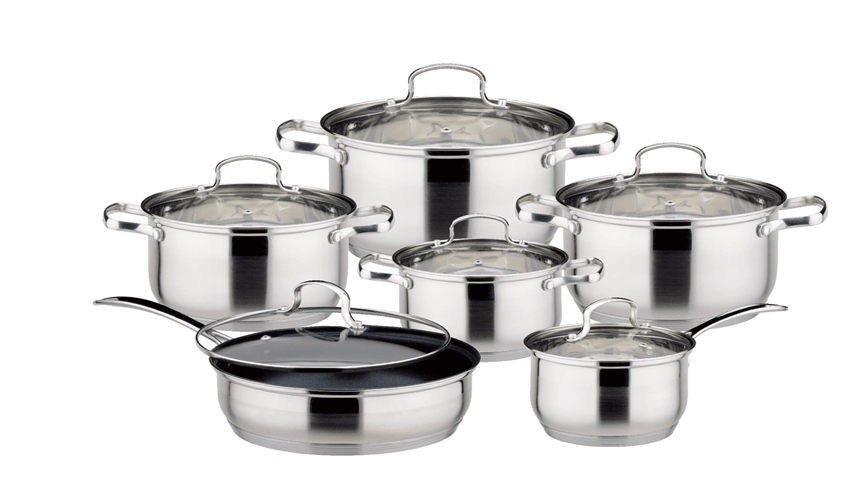
Imagine the ease of cooking without the worry of food sticking to the pan. Non-stick cookware is a game-changer in the kitchen, revolutionizing the way you prepare meals.
You’ve likely heard about it, but do you know what truly makes it special? Picture yourself effortlessly flipping pancakes or sliding a perfectly cooked omelet onto your plate. The secret lies in the magic of non-stick surfaces. But what exactly is non-stick cookware, and why should it be part of your culinary arsenal?
As you delve deeper, you’ll discover how it can simplify your cooking routine, save you time on cleanup, and even contribute to healthier meals. Keep reading to uncover the essentials of non-stick cookware and learn how it can transform your cooking experience.

Credit: www.all-clad.com
Types Of Non Stick Cookware
Non-stick cookware is a modern kitchen staple, designed to make cooking and cleaning a breeze. But did you know there are various types of non-stick coatings, each with its own unique qualities? Choosing the right one can elevate your culinary experience and make your kitchen tasks more enjoyable. Let’s dive into the types of non-stick cookware and explore their characteristics.
Ceramic Coated
Ceramic coated cookware offers a natural alternative to traditional non-stick surfaces. Made from sand-derived silicon, these coatings are free from toxic chemicals, making them a safer choice for your family. They are known for their smooth surface and appealing aesthetic. While ceramic coatings are durable, they can be prone to chipping if mishandled. Picture yourself effortlessly flipping pancakes without the need for excessive oil—ceramic coatings can make this a reality.
Teflon Coated
Teflon coatings have been around for decades, providing a reliable non-stick surface that cooks love. Known for their slick finish, Teflon-coated pans are perfect for cooking eggs or delicate fish. However, they require careful handling to avoid scratching the surface, which can release harmful fumes. Have you ever wondered why your omelet never sticks? The magic lies in the Teflon coating that allows food to glide smoothly.
Hard-anodized Aluminum
Hard-anodized aluminum cookware is praised for its durability and even heating. The anodizing process makes the aluminum harder and more resistant to scratches. This type of cookware is perfect for searing meats and creating those delightful crispy edges. Imagine cooking a steak to perfection, with a beautiful crust—hard-anodized aluminum can deliver just that. However, the non-stick properties might not be as pronounced as other coatings, requiring a bit more oil.
Enamel-coated Cast Iron
Enamel-coated cast iron combines the benefits of cast iron with a non-stick surface, offering excellent heat retention and distribution. Enamel coating prevents rust and makes cleaning easier, while maintaining the robustness of cast iron. Think of slow-cooked stews and casseroles, where flavors meld beautifully—enamel-coated cast iron is your go-to cookware. While heavier than other options, its versatility in the kitchen is unmatched.
Choosing the right type of non-stick cookware depends on your cooking style and preferences. Which coating do you think would best suit your culinary adventures?
Credit: www.costco.com
Benefits Of Non Stick Cookware
Non-stick cookware prevents food from sticking, making cleaning easy. It uses less oil, promoting healthier cooking. Ideal for beginners, its even heat distribution ensures perfect results every time.
Non stick cookware has become a staple in many kitchens, offering a range of benefits that enhance the cooking experience. From making meal prep a breeze to promoting healthier eating habits, it’s no wonder these pans are a go-to choice for both novice and seasoned cooks. Let’s delve into the specific benefits of non stick cookware and why you might consider making it a part of your kitchen arsenal.Ease Of Use
Non stick cookware is incredibly user-friendly. Its smooth surface ensures that food slides off easily, reducing the need for constant stirring or flipping. This feature is particularly helpful when cooking delicate foods like eggs or pancakes, which can easily stick to traditional pans. Imagine preparing a perfect omelet without the stress of it tearing apart. Non stick pans make this possible, allowing you to focus on creativity rather than technique.Health Advantages
One of the standout benefits of non stick cookware is its ability to support healthier cooking. Because the surface is designed to prevent food from sticking, you can use significantly less oil or butter. This reduction in fat content means you can enjoy your favorite dishes with fewer calories. It’s an effortless way to make your meals healthier without compromising on taste.Cleaning Convenience
Non stick pans are a dream when it comes to cleaning. Their smooth coating prevents food residue from clinging to the surface, making cleanup quick and easy. A simple wipe with a damp cloth or a gentle scrub with soapy water is often all it takes to get them spotless. You’ll spend less time scrubbing and more time enjoying your meal.Energy Efficiency
Non stick cookware can contribute to energy savings in your kitchen. These pans heat up quickly and distribute heat evenly, allowing you to cook at lower temperatures. This efficiency means you use less energy over time, which can lead to noticeable savings on your utility bills. Plus, faster cooking times mean you can whip up meals in a pinch, perfect for busy lifestyles. Have you experienced the ease of non stick cookware in your kitchen? The benefits are hard to overlook, making it a worthwhile investment for anyone looking to simplify and enhance their cooking routine.Potential Drawbacks
Non-stick cookware can release harmful fumes if overheated. Its surface may scratch easily, reducing lifespan. Some coatings might contain chemicals that could be a health concern.
Non-stick cookware is a convenient choice for many kitchens, offering easy food release and simplified cleaning. However, like any kitchen tool, it comes with its own set of potential drawbacks that you should consider before making a purchase.Durability Concerns
Non-stick coatings can wear out over time, especially if you use metal utensils or abrasive cleaning tools. This can lead to scratches and peeling, diminishing the cookware’s effectiveness and aesthetic appeal. You might find yourself needing to replace non-stick pans more frequently than other types of cookware. Have you ever had a favorite pan that suddenly lost its non-stick charm?Heat Limitations
Non-stick cookware generally can’t handle high heat. Exposing it to temperatures above 500°F can damage the coating and release harmful fumes. This limits your ability to sear meats or perform high-heat cooking techniques. It’s crucial to be mindful of your cooking habits—are you someone who often cranks up the stove to achieve that perfect sear?Chemical Exposure Risks
There are concerns about the chemicals used in non-stick coatings, particularly PTFE and PFOA. While modern non-stick cookware often claims to be PFOA-free, older versions can still pose risks. Continuous exposure to these chemicals, especially at high temperatures, might impact your health. Does the potential risk make you reconsider using non-stick pans for your daily meals? Understanding these drawbacks can help you make an informed decision about whether non-stick cookware is right for you.Maintenance Tips
Non stick cookware is designed to prevent food from sticking during cooking. Proper care extends its life. Always use soft utensils and avoid high heat to maintain the coating.
Maintaining your non-stick cookware is crucial for ensuring its longevity and performance. With proper care, you can enjoy effortless cooking and easy cleaning for years. Let’s dive into some practical tips to help you keep your non-stick cookware in pristine condition.Proper Cleaning Techniques
Cleaning your non-stick cookware correctly is essential to preserve the coating. Use warm water and mild dish soap to gently clean the surface. Avoid abrasive sponges or steel wool that could damage the non-stick layer. A soft sponge or cloth works wonders. After cooking, let the cookware cool before cleaning to prevent warping. If food residue is stubborn, soak the pan briefly in warm, soapy water. Rinse thoroughly to remove all soap, leaving no residue behind.Storage Suggestions
Storing non-stick cookware properly can prevent scratches and prolong its life. Stack pans with care, using protective pads or paper towels between them. This minimizes the risk of damaging the non-stick surface. Consider hanging pots and pans if space allows, ensuring they don’t touch or rub against each other. This not only saves space but also keeps your cookware in perfect condition.Avoiding Scratches
Non-stick surfaces are vulnerable to scratches, which can affect their performance. Always use wooden, silicone, or plastic utensils, as metal can scrape the coating. Be mindful of the type of tools you use during cooking. Even the smallest scratch can become a bigger problem over time. Pay attention to the pans’ surroundings. Are there sharp edges or objects nearby that could cause damage? Protect your cookware by being aware of what’s around it. By following these maintenance tips, you can maximize the lifespan of your non-stick cookware, ensuring it remains a reliable kitchen companion. Wouldn’t it be great to enjoy flawless cooking every time?Choosing The Right Non Stick Cookware
Non stick cookware features a special coating to prevent food from sticking. This makes cooking and cleaning easier. When choosing, consider durability, material, and compatibility with your stove type.
Choosing the right non-stick cookware can elevate your cooking experience. It’s important to find the perfect balance between budget, cooking style, and material preferences. Each factor plays a key role in making your decision easier and more effective. This section will guide you through essential considerations for selecting non-stick cookware suited to your needs.Budget Considerations
Budget is a crucial factor in choosing cookware. Non-stick options vary widely in price. High-end models offer durability and advanced features. Budget-friendly choices provide basic functionality at a lower cost. Consider how often you cook and your budget range. Investing in quality can save money in the long run.Cooking Style Compatibility
Your cooking style influences the type of non-stick cookware needed. Frequent frying may require a pan with excellent heat distribution. Non-stick skillets are great for omelets and pancakes. For slow cooking, a non-stick pot is ideal. Assess your cooking habits to find a compatible option.Material Preferences
Different materials affect cookware performance. Common options include ceramic, aluminum, and stainless steel. Ceramic is eco-friendly with a smooth finish. Aluminum heats quickly and evenly. Stainless steel is durable but may need a non-stick coating. Choose a material that matches your cooking needs and preferences.
Credit: www.amazon.in
Popular Brands And Models
When choosing non-stick cookware, you’re not just buying a kitchen tool; you’re investing in a cooking experience. From ensuring your pancakes flip seamlessly to making cleanup a breeze, the right non-stick cookware can transform your culinary adventures. But with so many brands and models flooding the market, how do you know which ones truly deliver on their promises? Let’s dive into some popular brands and models that cater to different needs and budgets.
Top-rated Options
Some brands consistently top the charts for quality and performance. T-falis renowned for its durable, scratch-resistant surfaces and innovative thermos-spot technology, which signals when the pan is perfectly preheated. Calphalonis another favorite, known for its hard-anodized aluminum construction that offers even heating and superior non-stick capabilities. If you’re looking for reliability, these brands won’t disappoint.
Budget-friendly Choices
Not everyone wants to spend a fortune on cookware, and the good news is, you don’t have to. Brands like Utopia Kitchenoffer affordable sets without compromising on quality. Their pans are lightweight yet sturdy, perfect for everyday cooking. GreenLifeis another budget-friendly option that offers ceramic non-stick surfaces free from harmful chemicals, making them safe for your family and the environment.
Luxury Models
If you’re someone who believes in splurging on high-end cookware, luxury models are your playground. Le Creusetis synonymous with opulence and durability, offering cast iron options with non-stick coatings that are both elegant and efficient. All-Cladis another luxury brand that professionals swear by; their pans boast superior heat distribution and a sleek design that’s worth every penny. Investing in these models can elevate your kitchen into a gourmet haven.
With so many choices available, what’s your go-to brand for non-stick cookware? Are you drawn to the tried-and-true, the budget-friendly, or the luxurious options? Your kitchen deserves the best, so choose wisely!
Environmental Impact
Non-stick cookware features a coating that prevents food from sticking. This coating can release harmful chemicals during cooking, impacting both health and the environment. It’s crucial to choose cookware wisely to minimize these effects.
The environmental impact of non-stick cookware raises important concerns. Many users are unaware of how these products affect the planet. Understanding the processes and options can guide better choices. Let’s explore the impact in detail.Manufacturing Processes
Non-stick cookware is often made using chemicals. These chemicals, like PTFE, release pollutants during production. Factories may emit harmful gases into the air. The energy used in manufacturing also contributes to carbon emissions. These factors make the process less eco-friendly.Recycling And Disposal
Disposing of non-stick cookware can be challenging. Many recycling centers do not accept these items. The non-stick coating can contaminate recycling streams. This means old pans often end up in landfills. Over time, they break down and release toxins into the soil. This poses a threat to the environment.Eco-friendly Alternatives
There are greener options available. Ceramic cookware is one sustainable choice. It uses natural materials that are less harmful. Another option is cast iron, known for its durability. These alternatives can reduce your environmental footprint. They offer a more sustainable way to cook.Frequently Asked Questions
What Is Non Stick Cookware Made Of?
Non stick cookware is typically made of aluminum or stainless steel. The surface is coated with a non-stick material like Teflon. This coating prevents food from sticking and makes cleaning easier. It also allows cooking with less oil or butter, promoting healthier meals.
How Does Non Stick Cookware Work?
Non stick cookware works by using a special coating. This coating prevents food from sticking to the surface. It ensures food slides off easily and simplifies cleaning. The non-stick surface also distributes heat evenly, enhancing cooking efficiency and preventing burnt spots.
Is Non Stick Cookware Safe To Use?
Yes, non stick cookware is generally safe to use. Ensure you use it on low to medium heat to avoid damaging the coating. Avoid using metal utensils that can scratch the surface. Proper care extends the life of your non-stick cookware and maintains safety.
How Do You Clean Non Stick Cookware?
Clean non stick cookware with mild detergent and a soft sponge. Avoid abrasive cleaners that can damage the coating. Rinse thoroughly and dry completely to prevent water spots. Regular cleaning maintains the non-stick surface and extends the cookware’s lifespan.
Conclusion
Non-stick cookware simplifies cooking for everyone. It offers easy food release. Cleaning is a breeze, saving time and effort. This type of cookware comes in various styles and materials. Each has its own benefits and features. Understanding these options helps you make the best choice for your kitchen.
Consider safety, durability, and your cooking needs. Whether you’re a beginner or a seasoned cook, non-stick cookware can be a great addition. Make informed decisions and enjoy stress-free cooking. Choose wisely, cook happily.