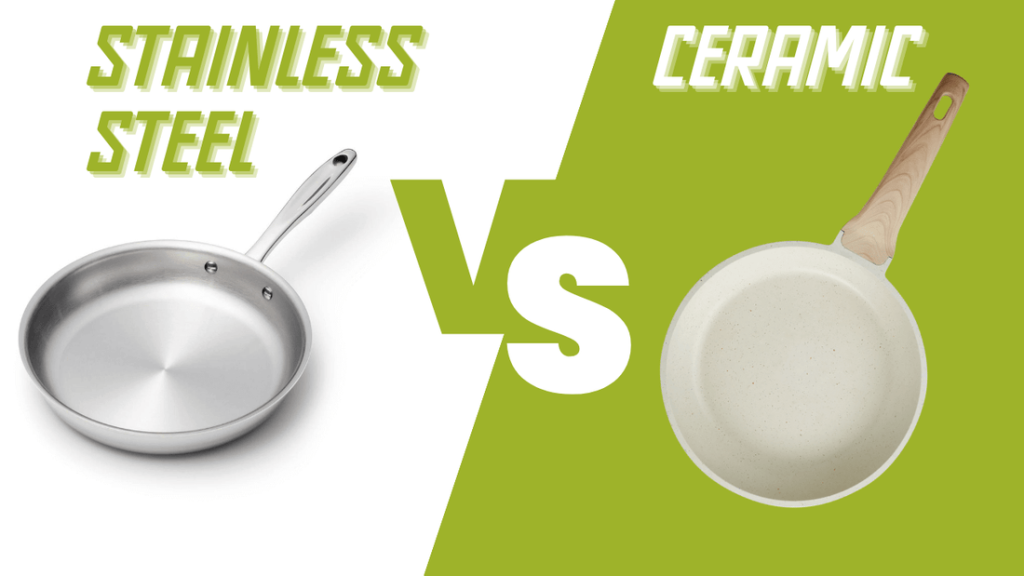
Have you ever found yourself wondering if it’s safe to use metal utensils on your ceramic cookware? You’re not alone.
Many home cooks are uncertain about the compatibility of metal with ceramic surfaces, fearing scratches or damage. But the truth might surprise you. Understanding how your tools interact with your cookware is crucial, not just for preserving their lifespan, but also for enhancing your cooking experience.
Imagine effortlessly whipping up your favorite meals without worrying about harming your pots and pans. This article will unravel the mystery, giving you clear insights into the dos and don’ts of using metal on ceramic cookware. Stick around to discover how you can keep your kitchenware in pristine condition while achieving culinary perfection.
Compatibility Of Metal Utensils With Ceramic Cookware
Ceramic cookware is popular for its non-stick surface and sleek design. Many wonder if metal utensils are suitable for ceramic cookware. This section explores the compatibility of metal utensils with ceramic cookware.
Understanding Ceramic Cookware
Ceramic cookware is made from clay and hardened by heat. Its surface is often coated with a non-stick glaze. This makes it easy to cook food without sticking.
Metal Utensils: Safe Or Risky?
Metal utensils can scratch ceramic surfaces. Scratches may damage the non-stick layer. This can affect cooking performance and appearance.
Pros Of Using Metal Utensils
- Sturdy and durable
- Effective for flipping and stirring
- Resistant to heat
Cons Of Using Metal Utensils
- May scratch the surface
- Could reduce lifespan of cookware
- Not recommended for delicate surfaces
Alternatives To Metal Utensils
Consider using wooden or silicone utensils. These are gentle on ceramic surfaces. They help maintain the integrity of the non-stick coating.
Tips For Maintaining Ceramic Cookware
Always use gentle cleaning methods. Avoid abrasive sponges or cleaners. Store cookware carefully to prevent damage.

Credit: www.facebook.com
Potential Risks Of Using Metal
Using metal utensils on ceramic cookware can pose several risks. Though ceramic surfaces are durable, they are not invincible. Understanding these risks can help you maintain your cookware’s quality and longevity.
Scratching And Surface Damage
Metal utensils can easily scratch ceramic surfaces. Scratches may seem minor, but they can quickly add up. Over time, these scratches can damage the non-stick coating. This damage may lead to uneven cooking and sticking. Even light scratches can ruin the smooth surface, making cleaning harder.
Impact On Cooking Performance
Scratched surfaces can affect cooking performance. Damaged areas may cause food to stick. This sticking can lead to burning and uneven cooking. Scratches can also expose the underlying material. This exposure may alter heat distribution, affecting your dish’s quality. To maintain optimal cooking performance, use softer utensils.
Benefits Of Metal Utensils
Metal utensils offer durability and strength, making them ideal for ceramic cookware. They resist heat and maintain their shape, ensuring longevity. Proper care prevents scratches, preserving the cookware’s surface.
Metal utensils offer several benefits in the kitchen. They stand out for their robustness and efficiency. Using metal on ceramic cookware has its advantages.Durability And Strength
Metal utensils are incredibly durable. They withstand the rigors of daily cooking. Unlike plastic or wood, metal won’t chip easily. This durability means they last longer, saving money over time. Their strength ensures they can handle tough tasks. Stirring thick sauces or scraping pans becomes effortless. Metal utensils retain their shape and function well.Heat Resistance
Metal utensils excel in heat resistance. They don’t melt or warp under high temperatures. This feature makes them safe for all cooking methods. Whether frying or baking, metal utensils perform reliably. They transfer heat quickly, making cooking more efficient. With metal, there is no worry about burning or damage. This makes them a preferred choice in many kitchens.
Credit: www.amazon.com
Alternative Utensil Options
When cooking with ceramic cookware, using metal utensils can lead to scratches and damage. But don’t worry, there are plenty of other utensil options that can help preserve your ceramic pots and pans. Choosing the right utensils not only prolongs the life of your cookware but also enhances your cooking experience. Let’s explore some alternatives that can keep your ceramic cookware in top shape.
Wooden And Bamboo Utensils
Wooden and bamboo utensils are excellent choices for ceramic cookware. They are gentle on the surface and won’t scratch or chip the ceramic. Their natural, non-reactive materials also mean they won’t alter the taste of your food.
Imagine stirring a hearty stew with a bamboo spoon; it feels smooth and solid in your hand. Why not try using them for your next meal? You might discover a newfound appreciation for their simplicity and effectiveness.
Silicone And Nylon Utensils
Silicone and nylon utensils are a modern alternative to traditional materials. They are heat-resistant and come in a variety of colors and shapes, making them both practical and stylish.
Silicone spatulas are particularly handy for flipping pancakes or scrambled eggs. They glide effortlessly on the ceramic surface without leaving a mark. Have you ever found yourself struggling with a sticky spatula? Switching to silicone might just be the answer.
Choosing the right utensils can transform your cooking routine. What are your go-to utensils for ceramic cookware? Do you prefer the classic feel of wood, or the vibrant versatility of silicone? The choice is yours, and with these options, you can cook with confidence and creativity.
Care And Maintenance Tips
Using metal utensils on ceramic cookware can cause scratches. Opt for silicone or wooden tools to preserve the surface. Regularly clean your cookware with mild soap and avoid abrasive cleaners for longevity.
Proper care and maintenance can significantly extend the lifespan of your ceramic cookware. While ceramic cookware is known for its durability and non-stick properties, it still requires some love and attention. Understanding how to protect the ceramic surface and choose the right cleaning methods can make all the difference.Protecting Ceramic Surfaces
To maintain the pristine condition of your ceramic cookware, consider what utensils you use. Metal utensils can scratch the ceramic surface, leading to reduced non-stick performance. Instead, opt for wooden, silicone, or plastic tools. Avoid stacking your ceramic pots and pans to prevent accidental chipping. Use a soft cloth or pan protector between them if storage space is tight. This simple habit can help you avoid those annoying scratches and chips.Choosing The Right Cleaning Methods
Ceramic cookware should be cleaned with gentle methods to preserve its coating. Warm, soapy water and a soft sponge are your best allies. Abrasive cleaners or scouring pads can damage the surface, so steer clear of those. If food residue sticks, don’t worry. Soak your ceramic piece in warm water for a few minutes. This helps loosen any stubborn bits without harsh scrubbing. It’s also wise to let your cookware cool down naturally before cleaning. Sudden temperature changes can cause cracks. By following these tips, you ensure your ceramic cookware stays beautiful and functional. Remember, a little care goes a long way in maintaining your ceramic cookware’s performance and appearance.
Credit: www.instagram.com
Expert Opinions On Metal Use
Using metal utensils on ceramic cookware can cause scratches. Experts suggest using silicone or wooden tools instead. This helps maintain the cookware’s non-stick surface and ensures its longevity.
When it comes to using metal utensils on ceramic cookware, opinions vary. Many home cooks are hesitant, worried about damaging their beautiful pots and pans. So what do the experts say?Insights From Chefs
Professional chefs often have a wealth of experience with various types of cookware. Some chefs argue that using metal on ceramic can be risky. They point out that metal utensils might scratch the surface, potentially shortening the lifespan of your cookware. However, others argue that with careful use, metal can be perfectly safe. They suggest using softer metals like stainless steel, avoiding sharp edges that can gouge or chip the ceramic coating. Have you ever noticed how chefs often use a light touch when handling their tools? This is a practice worth adopting.Advice From Cookware Manufacturers
Cookware manufacturers offer valuable insights too. Many manufacturers caution against using metal utensils on ceramic surfaces. They often recommend using wood, silicone, or plastic to preserve the integrity of the cookware. Some brands, however, have developed advanced ceramic coatings that claim to withstand metal use. Always check your cookware’s specific guidelines. Have you ever wondered why some pans come with a user manual? It’s because following these guidelines can make a significant difference in the longevity of your cookware. Remember, your cookware is an investment. Treat it with care, and it will serve you well in countless meals to come. So, what will you choose for your next culinary adventure?Frequently Asked Questions
Can Metal Utensils Scratch Ceramic Cookware?
Yes, metal utensils can scratch ceramic cookware. Ceramic surfaces are delicate and prone to scratches. Use wooden or silicone utensils to preserve the coating. This helps maintain the cookware’s non-stick properties and extends its lifespan. Avoid using sharp or abrasive tools to keep your ceramic cookware in good condition.
Is It Safe To Use Metal On Ceramic Pans?
Using metal on ceramic pans is not recommended. Metal can damage the ceramic coating, leading to scratches and reduced effectiveness. Scratches can cause food to stick and lead to uneven cooking. Opt for non-metal utensils like wooden or silicone to ensure safe and effective cooking with ceramic pans.
How To Prevent Scratches On Ceramic Cookware?
To prevent scratches, avoid using metal utensils on ceramic cookware. Use wooden, silicone, or plastic utensils instead. Clean the cookware with a soft sponge and mild detergent. Avoid abrasive cleaners or scrubbing pads. Proper care and maintenance will help preserve the ceramic surface and extend its lifespan.
Can Ceramic Cookware Withstand High Heat With Metal?
Ceramic cookware can handle moderate heat, but high heat and metal utensils are not ideal. Excessive heat can damage the ceramic surface, especially if used with metal tools. Always follow the manufacturer’s guidelines for heat settings. Use low to medium heat for cooking to ensure the longevity of your ceramic cookware.
Conclusion
Metal utensils can scratch ceramic cookware. Always use caution when cooking. Opt for silicone or wooden utensils to protect surfaces. These materials keep your cookware safe. Small scratches may not affect function, but they can increase wear. Regular maintenance and proper utensil choices extend cookware life.
Investing in the right tools benefits your kitchen. Safe practices lead to better cooking experiences. Remember, every choice impacts your cookware’s lifespan. Keep your ceramic cookware in top shape. Enjoy cooking with peace of mind. A little care goes a long way.
Happy cooking!