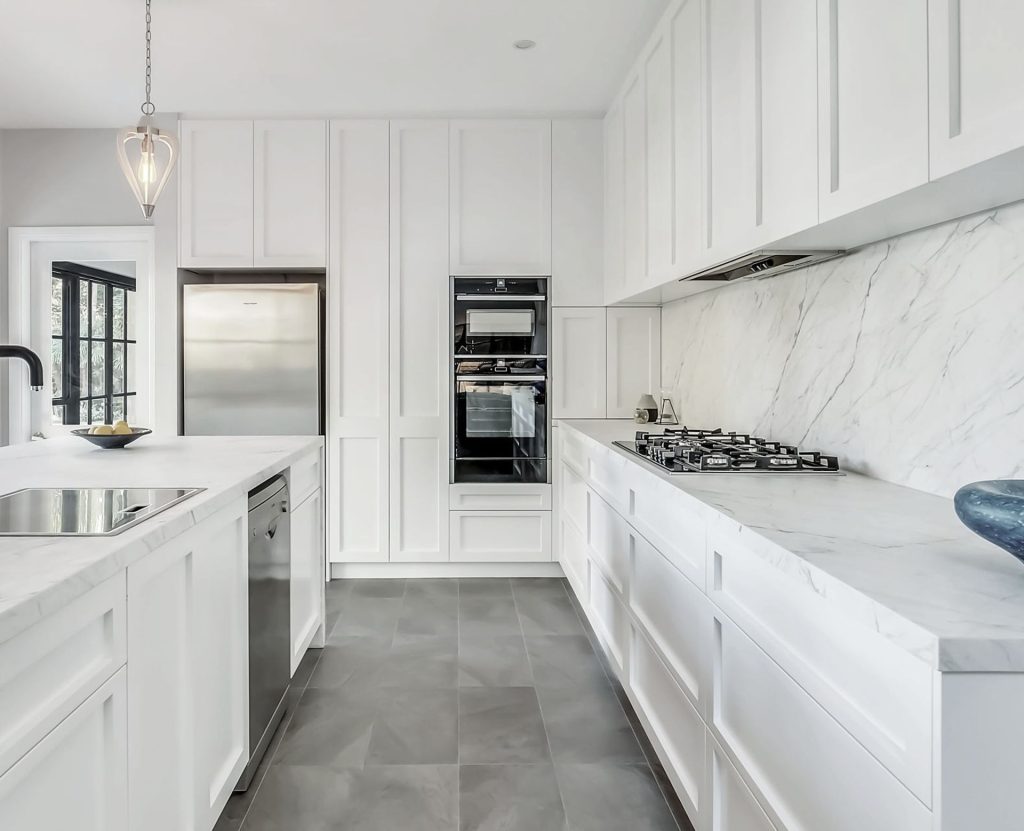
Are you dreaming of a kitchen that’s as stylish as it is functional? You’re not alone.
Choosing the right kitchen designer can transform your cooking space into a masterpiece that reflects your taste and meets your needs. But with so many options out there, how do you pinpoint the perfect designer for your project? The answer lies in knowing what to look for and understanding your unique preferences.
As you delve deeper into this guide, you’ll discover tips and insights that will empower you to make the best choice. Whether you’re planning a complete overhaul or a simple update, finding the right kitchen designer is crucial to achieving your vision. Let’s ensure your dream kitchen doesn’t just remain a dream. Stay with us to learn how to find the kitchen designer who will turn your ideas into reality.
Credit: www.homedepot.com
Research And Recommendations
Research and recommendations are crucial for finding a good kitchen designer. Explore online reviews and ask friends for referrals. Meeting several designers can help you find the right fit for your style and budget.
Finding the right kitchen designer requires research and recommendations. Each person has unique needs and preferences. Start by collecting reliable information. This helps in making informed choices. Recommendations from trusted sources add value. They provide insights and experiences. Research is key. It helps in understanding designer styles and skills. Below are some methods to guide you.Utilizing Online Resources
Online platforms offer vast information about kitchen designers. Use search engines to find local designers. Read reviews on websites like Yelp and Google. They provide honest feedback from past clients. Visit design forums and social media groups. These platforms offer discussions and advice. Check designers’ websites for portfolios and client testimonials. This helps gauge their style and professionalism.Asking Friends And Family
Friends and family are valuable resources. They share honest opinions and experiences. Ask about their past projects. Learn what they liked or disliked. Personal referrals often lead to trustworthy designers. Friends can offer insights on budget and timelines. Their experiences help in setting realistic expectations.Checking Designer Portfolios
Portfolios showcase a designer’s work and creativity. Look for projects similar to your vision. This ensures the designer understands your style. Check for versatility in their designs. A good portfolio includes a range of styles. It highlights the designer’s adaptability. Visit showrooms if possible. Seeing designs in person gives a better perspective.Evaluating Experience
Check online reviews to gauge a designer’s reputation. Ask for portfolios to see past work. Speak with past clients to understand their experiences.
Evaluating a kitchen designer’s experience is crucial for your project. A designer with a solid track record ensures quality and reliability. Knowing their experience helps in making informed decisions.Years In The Industry
Consider how long the designer has worked in the field. More years often mean a deeper understanding of trends and techniques. A seasoned designer may handle unexpected challenges better.Types Of Projects Completed
Review the variety of projects the designer has completed. Have they worked on both small and large kitchens? Different styles and sizes show their adaptability. Ask for a portfolio to see their range.Specialization And Expertise
Identify the designer’s area of specialization. Some focus on modern designs, others on traditional. Expertise in a specific style can lead to a more tailored kitchen. Ensure their expertise matches your vision.Assessing Communication Skills
Clear communication is key in finding a good kitchen designer. Ask questions to gauge their understanding and responsiveness. A skilled designer will explain ideas clearly and listen to your needs.
Assessing Communication Skills Choosing a kitchen designer involves more than just style preference. Effective communication plays a crucial role. It’s not just about discussing designs. It’s about understanding and collaboration. Here are key areas to assess communication skills in a designer.Clarity And Responsiveness
A good designer must explain ideas clearly. They should not use complex jargon. You need to understand their vision easily. Prompt responses to queries are essential. This shows their commitment to the project. Delayed replies can indicate lack of interest. Quick, clear communication builds trust.Understanding Client Needs
Listening is a vital skill for designers. They must hear your needs and preferences. Customizing designs based on your lifestyle is crucial. A designer should ask relevant questions. This shows they care about your requirements. Understanding your needs helps create a dream kitchen.Feedback And Collaboration
Designing a kitchen is a collaborative effort. Feedback should be welcomed and valued. Designers should be open to suggestions. They must adjust plans based on your input. Active collaboration leads to better outcomes. Working together ensures the final design suits your vision.Credit: shopping.yahoo.com
Design Style Compatibility
Finding a kitchen designer with a style that matches your vision is crucial. Evaluate their portfolio to see if their designs align with your taste. Discuss your ideas and preferences to ensure a seamless collaboration.
Designing a kitchen is more than choosing cabinets and countertops. It’s about creating a space that feels like home. Finding a designer who shares your vision is crucial. Design style compatibility ensures your kitchen reflects your taste. This connection makes the design process smoother and more enjoyable. Below are important aspects to consider for style compatibility.Identifying Personal Style
Understand your personal style before meeting designers. Do you prefer modern or traditional? Maybe something in between? Collect images of kitchens you admire. Use platforms like Pinterest for inspiration. This visual collection helps communicate your preferences clearly. Knowing your style makes it easier to find the right designer.Reviewing Past Work
Examine the designer’s portfolio closely. Look for projects that match your desired style. This review offers insights into their design capabilities. Check if their past work aligns with your vision. Consistency in style shows a designer’s comfort and expertise. It builds confidence in their ability to deliver.Designer Flexibility
Flexibility is vital in a kitchen designer. A good designer should adapt to your style. They must incorporate your ideas into the design seamlessly. Ask them how they handle client preferences. A flexible designer listens and makes adjustments. This adaptability ensures your kitchen truly reflects your style.Budget Considerations
Finding a good kitchen designer involves careful budget considerations. A clear budget ensures you get the most from your kitchen renovation. Understanding costs, fees, and value helps make informed decisions. Let’s explore these aspects further.
Discussing Cost Estimates
Start by asking for cost estimates from potential designers. This provides a clear picture of expected expenses. Compare estimates to understand price variations. Look for hidden costs that might surprise you later. Ensure every detail is included in the estimate for transparency.
Understanding Fees And Charges
Kitchen designers may charge differently based on their services. Some charge a flat fee, others work hourly. Understand what each fee covers to avoid confusion. Ask if there are charges for consultations or revisions. Knowing these details helps in budget planning.
Value For Money
Value isn’t always about spending less. It’s about getting the best for your money. Check the designer’s portfolio and past work. Quality work often justifies the cost. Choose a designer who aligns with your style and budget. This ensures satisfaction and a well-designed kitchen.
Checking References And Reviews
Finding a good kitchen designer can be a daunting task. You want someone who understands your vision and can bring it to life. One of the most reliable ways to gauge a designer’s capabilities is by checking references and reviews. These insights can reveal the experiences of past clients and highlight the designer’s strengths and weaknesses. How can you ensure you’re making the right choice? Start by diving into these essential steps:
Reading Client Testimonials
Client testimonials are a treasure trove of information. They offer firsthand accounts of a designer’s work ethic, creativity, and reliability. Look for detailed stories that go beyond generic praise. Did the designer solve a tricky problem with flair? Were they responsive to feedback? A testimonial that shares specifics can give you a clearer picture of what to expect.
Verifying Credentials
Before making any commitments, ensure that your chosen designer has the necessary credentials. Check if they are affiliated with professional organizations in the design industry. This affiliation can indicate a commitment to ongoing education and adherence to industry standards. A designer who invests in their professional growth is likely to bring innovative solutions to your project.
Contacting Previous Clients
If possible, reach out to previous clients directly. This personal touch can yield invaluable insights. Ask them about their overall experience—was the designer easy to work with? Did they deliver on time and within budget? A conversation can uncover details that aren’t always evident in written reviews.
Understanding Contract Terms
Finding a skilled kitchen designer involves understanding contract terms carefully. Look for clear communication and detailed plans. Ensure the contract outlines design specifics, timelines, and costs for smooth collaboration.
Understanding contract terms is crucial when hiring a kitchen designer. Contracts outline responsibilities and protect both parties. Before signing, ensure clarity on all terms. This prevents future misunderstandings and disputes. Below are key aspects to review in your contract.Reviewing Legal Agreements
Carefully read every part of the contract. Look for clauses about project timelines and materials. Confirm warranty details and liability clauses. These protect you if something goes wrong. A legal expert can help if needed.Scope Of Work
Define the project’s scope clearly in the contract. It should include all tasks the designer will handle. From planning to final touches. Ensure it matches your expectations. This avoids confusion later.Payment Schedule
Understand the payment terms before agreeing. The contract should outline when payments are due. This could be upon reaching certain milestones. Make sure it’s affordable and fair. A clear schedule avoids financial surprises.:max_bytes(150000):strip_icc()/GettyImages-1815256528-1b3dabf321c94911a2a0e73e72c6fed6.jpg)
Credit: www.thespruce.com
Frequently Asked Questions
What Should I Look For In A Kitchen Designer?
Look for experience, creativity, and good communication skills. A portfolio showcasing previous work is essential. Check for positive client reviews and industry certifications. A designer should understand your needs and budget. They should offer innovative solutions and guide you through the design process smoothly.
How Much Does Hiring A Kitchen Designer Cost?
The cost varies based on experience and project complexity. On average, expect to pay 10-20% of your total kitchen renovation budget. Some designers charge hourly rates, while others offer fixed fees. It’s important to discuss fees upfront to avoid surprises and ensure transparency.
How Can I Find A Local Kitchen Designer?
Start by searching online directories and design platforms. Ask for recommendations from friends or family. Visit local home improvement stores for referrals. Check social media and design forums for reviews and portfolios. It’s vital to meet potential designers and discuss your vision before making a choice.
What Questions Should I Ask A Kitchen Designer?
Ask about their design process and experience with similar projects. Inquire about timelines, costs, and materials used. Discuss how they handle unexpected challenges. It’s crucial to understand their approach to collaboration and communication. Ensure their style aligns with your vision for a smooth design experience.
Conclusion
Finding a good kitchen designer takes time and effort. Research thoroughly. Ask for recommendations from friends or family. Check online reviews. Compare portfolios of different designers. Look for creativity and style. Discuss your budget and needs clearly. Communication is key.
Trust your instincts when choosing. A skilled designer transforms your kitchen beautifully. Your dream kitchen awaits with the right expert. Remember, patience leads to the best results. Enjoy the process and the final outcome. Your perfect kitchen is closer than you think.
Happy designing!