Imagine effortlessly preparing a meal with cookware that responds instantly to your every command. If you’re curious about induction cooking and how it can transform your kitchen experience, you’re in the right place.
Induction cooking is not just a trend; it’s a smarter, faster, and more energy-efficient way to cook. But there’s a catch—you need the right cookware to unlock its full potential. Have you ever found yourself standing in the kitchen, wondering which pots and pans will work with your sleek induction cooktop?
You’re not alone. Choosing the right cookware can be confusing, but it doesn’t have to be. You’ll discover what type of cookware works on induction. By the end, you’ll feel confident and ready to make informed decisions for your kitchen. Get ready to transform your cooking experience and unleash the power of induction!

Credit: food52.com
Induction Cooking Basics
Induction cooking is gaining popularity in modern kitchens. It’s known for its efficiency and speed. But understanding the basics of induction cooking is essential. This type of cooking uses electromagnetic fields. These fields directly heat pots and pans. Knowing how it works helps in choosing the right cookware.
How Induction Cooktops Work
Induction cooktops use magnetic fields to heat cookware. Below the glass surface, there are electromagnetic coils. These coils create a magnetic field. When a compatible pot is placed on the cooktop, the field generates heat. This heat is directly transferred to the pot. The cooktop itself stays cool. Only the cookware gets hot. This technology offers precise temperature control. It heats up quickly and responds immediately to adjustments.
Benefits Of Induction Cooking
Induction cooking offers several advantages. It’s energy-efficient, using less power than traditional methods. The cooktop heats up quickly, saving time. It provides precise temperature control. This is ideal for delicate dishes. The surface remains cool, reducing the risk of burns. Cleaning is easy as spills don’t burn onto the surface. Induction cooking is also safer. There are no open flames or gas emissions. This makes it a great choice for families.
Compatible Cookware Materials
Understanding which cookware materials work on induction stoves is essential. Induction cooking requires cookware with magnetic properties. This is because induction uses electromagnetic fields to heat pots and pans. Some materials are better suited than others for this type of cooking. Let’s explore the options that work best with induction.
Magnetic Stainless Steel
Magnetic stainless steel is a popular choice for induction cooking. It offers durability and easy maintenance. Not all stainless steel is magnetic, though. Check with a magnet to ensure compatibility. If it sticks, it will work on your induction stove. This material heats quickly and evenly, making it efficient for cooking.
Cast Iron And Enameled Cast Iron
Cast iron is naturally magnetic, making it perfect for induction. It retains heat well, ideal for slow cooking. Enameled cast iron offers the same benefits with added style. The enamel coating makes cleaning easier. Both types are heavy and require careful handling. They can last a lifetime with proper care.
Carbon Steel Options
Carbon steel is another great induction-compatible material. It’s similar to cast iron but lighter. This makes it easier to handle while cooking. Carbon steel heats quickly and responds well to temperature changes. It requires seasoning to maintain its non-stick properties. Proper care ensures it won’t rust over time.
Non-compatible Cookware
Induction cooktops require cookware with a magnetic base, like stainless steel or cast iron. Non-compatible options include aluminum, glass, and copper, which lack the necessary magnetic properties. Using the right cookware ensures efficient heating and cooking on induction surfaces.
Non-Compatible Cookware Choosing the right cookware for induction stoves is essential. Not all types work on these modern cooktops. Some materials lack magnetic properties, making them non-compatible. Understanding which ones won’t work can save you time and effort. Let’s explore these materials.Aluminum And Copper
Aluminum and copper pots are common in kitchens. Yet, they don’t work on induction stoves. These metals lack magnetic qualities. Induction cooktops require cookware with ferrous metal. Without it, they won’t heat up. A simple test can help. Use a magnet. If it sticks, the cookware might be compatible. If not, it’s likely non-compatible.Glass And Ceramic
Glass and ceramic cookware have a sleek look. But they’re not suitable for induction cooking. These materials don’t have metal content. Induction stoves use magnetic fields to heat pots. Glass and ceramic don’t respond to these fields. They won’t heat on induction stoves. Consider alternatives like stainless steel or cast iron. These options contain magnetic materials.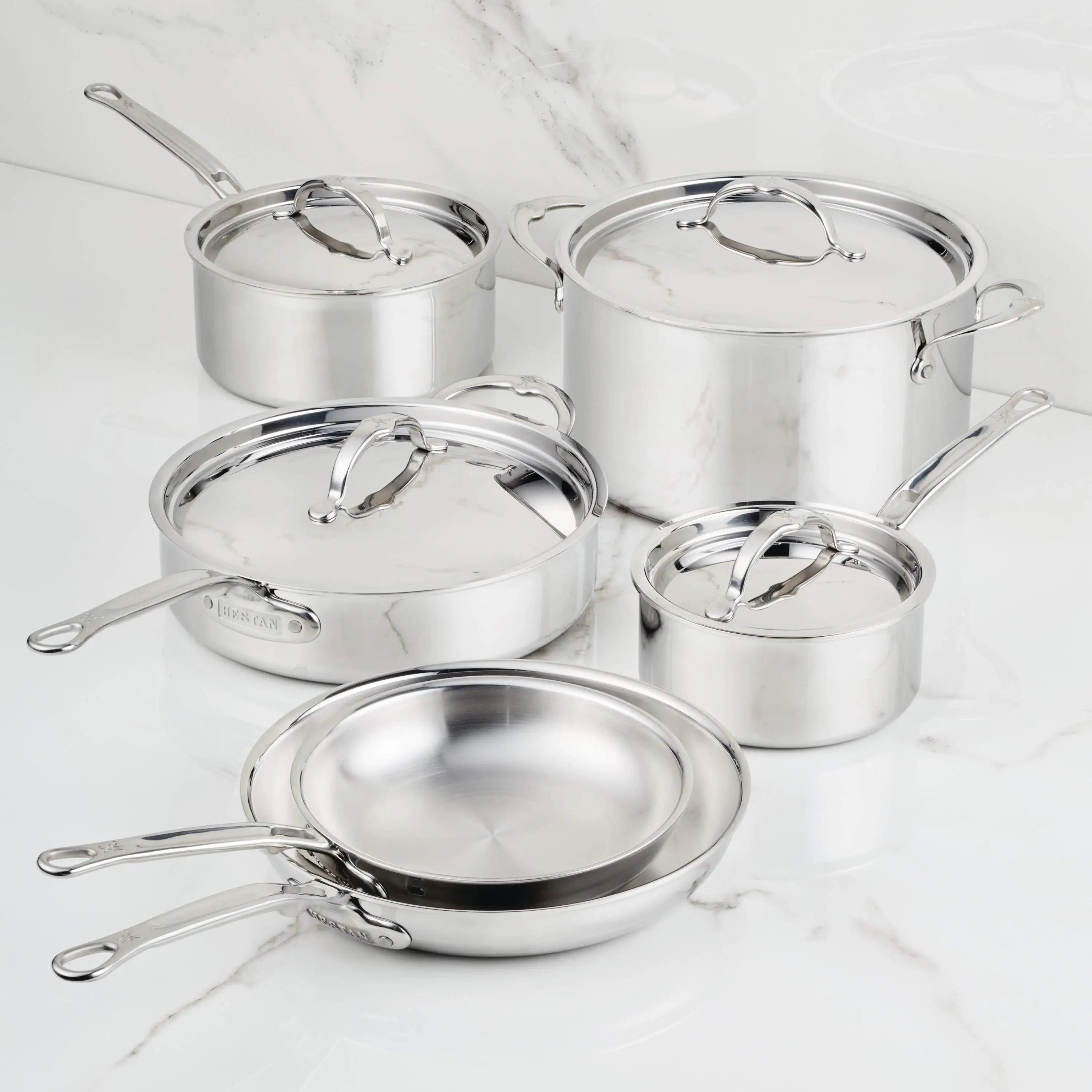
Credit: hestanculinary.com
Testing Cookware For Induction
Induction cooktops are popular for their efficiency and speed. But not all cookware works on induction. Testing cookware ensures it will heat properly on an induction stove. Two simple methods help determine compatibility.
Magnet Test Method
Use a magnet to test your cookware. Bring the magnet close to the bottom of the pot or pan. If the magnet sticks firmly, the cookware is induction-compatible. This means the cookware has a magnetic base. A strong magnetic pull is essential for effective heating. If the magnet does not stick, the cookware is unsuitable for induction.
Manufacturer’s Labeling
Check the manufacturer’s label for induction compatibility. Most cookware labels indicate if they work with induction. Look for symbols or words like “induction-ready” or “suitable for induction.” Labels are usually found on the bottom of the cookware or packaging. If in doubt, consult the product manual or manufacturer’s website.
Selecting The Right Cookware
Choosing cookware for induction requires magnetic materials like cast iron or stainless steel. Aluminum or copper need compatible layers. Always check the cookware’s base for induction symbols.
Selecting the right cookware for your induction cooktop is crucial to make the most out of this efficient cooking technology. Induction cooking offers rapid heating and precise temperature control, but it requires cookware with magnetic properties. Not all pots and pans meet these criteria, making the selection process a bit tricky. But fear not, this guide will help you navigate through the essentials.Considerations For Size And Shape
When choosing cookware for induction cooking, size and shape matter significantly. The cookware should match the size of the induction zone to ensure even heating. A pan that’s too small might not activate the induction burner properly, leading to inefficient cooking. Oddly shaped cookware can also pose a challenge. While induction cooktops are versatile, they work best with round, flat-bottomed pans. If you’ve ever tried using a large, oval roasting pan, you might have noticed uneven heating. Prioritize cookware that suits the typical round shape of an induction coil.Importance Of Flat Bottoms
A flat bottom is a non-negotiable requirement for induction cookware. Induction cooktops rely on magnetic fields, which work best with direct contact. A flat bottom ensures the maximum surface area is in contact with the cooktop, providing efficient heat transfer. Imagine trying to fry an egg on a warped pan; you’d end up with uneven cooking and potentially burnt edges. If you’re unsure whether your pan is flat, place a ruler across the bottom. If you can see light between the ruler and the pan, it’s time to reconsider your choice. Do you often find yourself struggling with uneven cooking or dishes that take forever to heat up? A flat-bottomed, induction-compatible pan might just be the solution. It’s a small change that can make a big difference in your cooking experience.Popular Induction Cookware Brands
Induction cookware must have a magnetic base to work efficiently. Popular brands like T-fal, Cuisinart, and All-Clad offer high-quality options. These brands ensure compatibility and durability for induction cooking needs.
Understanding which cookware brands work best on induction cooktops is crucial for anyone looking to enhance their cooking experience. With the rise in popularity of induction cooking, many brands have stepped up to offer a range of options that cater to different needs and budgets. Whether you’re a seasoned chef or a home cook, selecting the right cookware can make all the difference in your culinary adventures.Top Brands In The Market
When it comes to quality, some brands consistently deliver cookware that excels on induction stoves. All-Clad is a standout choice, known for its durability and excellent heat conductivity. Their stainless steel collections are particularly popular. Le Creuset offers enameled cast iron cookware that not only works beautifully on induction but also adds a pop of color to your kitchen. T-fal is another reliable brand, offering non-stick options that are easy to clean and perfect for everyday use.Budget-friendly Options
Not all quality induction cookware has to break the bank. Cuisinart offers a range of affordable options that don’t compromise on performance. Their multi-clad stainless steel sets are a great entry point for budget-conscious cooks. Tramontina is another brand that provides excellent value for money, with durable cookware that performs well on induction surfaces. GreenPan is perfect for those looking for a budget-friendly option with a focus on health, offering ceramic non-stick cookware free from harmful chemicals. How do you decide which brand suits your needs? Consider your cooking style and frequency. Investing in a high-quality brand might be worthwhile if you cook often, but for occasional use, budget-friendly options could be just what you need.Maintaining Induction Cookware
Induction cooktops require specific cookware with a magnetic base. Cast iron, stainless steel, and certain non-stick pans work best. Ensure the cookware is flat-bottomed for even heat distribution.
Maintaining Induction Cookware Induction cookware requires proper maintenance for longevity. This ensures it remains efficient and safe. Regular care keeps your pots and pans looking new. It also helps them perform well on your induction cooktop. Simple cleaning and storage practices can make a big difference.Cleaning Tips
Cleaning induction cookware is simple. Use warm, soapy water and a soft sponge. Avoid abrasive cleaners that can scratch the surface. For stubborn stains, soak the cookware in warm water first. Dry thoroughly to prevent water spots. A clean cloth helps in drying.Storage Recommendations
Proper storage protects your induction cookware. Stack pots and pans with care. Use paper towels or cloth between them. This prevents scratches and dents. Store lids separately to save space. Keep cookware in a cool, dry place to avoid rust. Proper storage extends the life of your cookware.
Credit: circulon.com
Frequently Asked Questions
What Cookware Is Best For Induction Cooktops?
Induction cooktops require magnetic cookware. Stainless steel and cast iron are ideal choices. They are durable and efficient. Ensure the cookware has a flat bottom. Aluminum and copper are unsuitable unless they have a magnetic layer. Always check for an “induction compatible” label before purchasing.
Can You Use Nonstick Pans On Induction?
Yes, if they have a magnetic base. Many nonstick pans now come with induction-compatible bases. This ensures efficient heating. Check the manufacturer’s specifications for compatibility. Be cautious of overheating, as it can damage the nonstick coating. Always use medium heat settings for best results.
Does Cast Iron Work On Induction Stoves?
Absolutely, cast iron is perfect for induction stoves. It has excellent heat retention properties. The magnetic nature makes it compatible. However, be mindful of its weight. It can scratch or damage glass surfaces. Use with care to prolong stove and cookware life.
Are Ceramic Pots Suitable For Induction Cooking?
Ceramic pots are not naturally induction-compatible. However, some come with a magnetic base. Always check for induction compatibility labels. Ceramic can be fragile on induction cooktops. It may not distribute heat evenly. Consider alternatives like enameled cast iron for better performance.
Conclusion
Choosing the right cookware for induction matters. Iron, steel, and some stainless pots work best. They create the magnetic connection needed. Check for a flat base. This helps in even heating. Always look for the induction symbol on cookware. It ensures compatibility.
Remember, non-magnetic materials won’t work. So, avoid aluminum or copper unless they have a magnetic layer. Investing in the right cookware saves time and energy. It also enhances your cooking experience. Enjoy efficient and fast cooking with proper induction-friendly pots and pans.
Happy cooking!