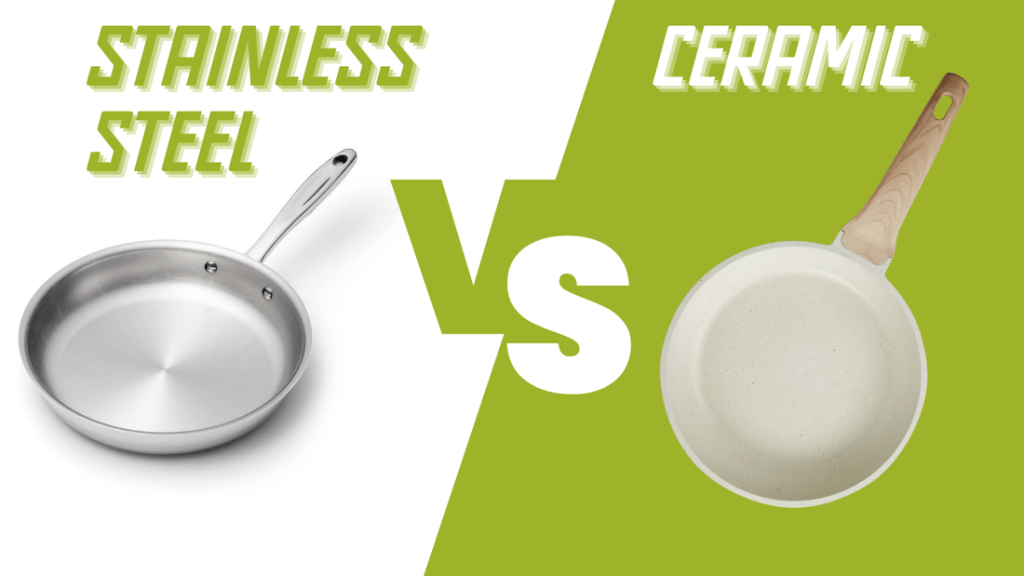
Have you ever stood in the kitchen, staring at your pots and pans, wondering if you’re using the best cookware for your needs? If so, you’re not alone.
Choosing the right cookware can be a bit of a puzzle, especially when you’re weighing options like ceramic versus nonstick. Both types promise ease and efficiency, but which is truly better for you and your family? The answer might surprise you.
As you explore the differences and benefits, imagine the satisfaction of cooking with the perfect tools that make your meals healthier and your cleaning routine easier. Let’s dive into the sizzling debate of ceramic cookware versus nonstick. Are you ready to discover which might be your new kitchen favorite?
Ceramic Cookware Basics
Ceramic cookware has gained popularity in modern kitchens. Its sleek design and vibrant colors attract many. Yet, understanding its basic features is essential for making informed choices.
Composition And Materials
Ceramic cookware is made from natural clay. It is hardened by firing at high temperatures. This process gives it a solid, durable surface. The clay is often mixed with minerals. These minerals enhance strength and heat resistance. The cookware is free from harmful chemicals. This makes it a healthier option for cooking.
Manufacturing Process
The manufacturing of ceramic cookware involves several steps. First, the raw clay is shaped into desired forms. These forms are then dried to remove moisture. Next, they undergo a glazing process. This adds a smooth, non-porous finish. Finally, the cookware is fired in a kiln at high temperatures. This ensures it is strong and ready for use. The firing process also sets the glaze, ensuring a nonstick surface.
Nonstick Cookware Essentials
When you think about upgrading your kitchen, choosing the right cookware is crucial. Nonstick cookware is a popular choice due to its convenience and ease of use. It’s designed to make cooking and cleaning a breeze. But do you know what makes nonstick cookware truly essential? Let’s dive into the essentials of nonstick cookware, focusing on coating types and production techniques that define its performance.
Coating Types
Nonstick cookware often boasts coatings like PTFE, known as Teflon, or ceramic. PTFE is widely recognized for its smooth surface, allowing food to glide off effortlessly. However, it might degrade under high heat.
Ceramic coatings offer a natural alternative, free from synthetic chemicals. They are durable and heat-resistant, but might require careful handling to maintain their nonstick properties.
It’s fascinating how these coatings can make or break your cooking experience. Have you ever faced the frustration of food sticking to your pan despite the nonstick label? Choosing the right coating could be the solution.
Production Techniques
The way nonstick cookware is produced can influence its durability and performance. Some manufacturers use a layering technique, applying multiple coats of nonstick material to ensure longevity. This process can enhance the cookware’s resistance to scratches and wear.
Others focus on bonding techniques, where the nonstick layer is fused onto the metal base for added stability. This method can improve heat distribution, providing even cooking results.
Understanding these techniques can help you select cookware that not only performs well but also stands the test of time. Have you ever thought about how the production process impacts your cooking efficiency?
By knowing the essentials of nonstick cookware, you can make informed choices that align with your cooking style and preferences. Whether you’re frying eggs or simmering sauces, these insights can guide you to the perfect kitchen companion.
Health And Safety Considerations
Choosing the right cookware is crucial for both your health and safety. The debate between ceramic and nonstick cookware often centers on these considerations. Let’s dive into the health implications of each to help you make an informed decision.
Ceramic Safety Benefits
Ceramic cookware is celebrated for being free from harmful chemicals. Unlike some nonstick options, it doesn’t contain PFOA or PTFE, which have raised health concerns in recent years. This means you can cook at high temperatures without worrying about toxic fumes.
Additionally, ceramic coatings are made from natural materials, offering a more eco-friendly choice. This can be particularly appealing if you’re committed to reducing your environmental footprint. Have you ever thought about how your cookware choice impacts the planet?
Nonstick Health Concerns
Nonstick cookware often contains PTFE, commonly known as Teflon, which can release harmful fumes if overheated. These fumes are not only hazardous to your health but also to pets, especially birds. If you have a habit of leaving pans unattended on high heat, this could be a significant risk.
Older nonstick pans may also contain PFOA, a chemical linked to several health issues. Although most modern brands have phased out PFOA, it’s crucial to verify this before purchasing. Have you checked the labels of your current cookware?
When considering your next cookware purchase, think about how these factors align with your health priorities. Does safety or environmental impact hold more weight for you? Understanding these aspects can lead to healthier cooking habits and peace of mind in your kitchen.
Credit: timesofindia.indiatimes.com
Cooking Performance
When it comes to choosing between ceramic and nonstick cookware, cooking performance is a major factor to consider. Both types of cookware have their unique strengths and weaknesses. Understanding these can help you make a choice that enhances your cooking experience.
Heat Distribution
One of the critical aspects of cooking performance is how well a pan distributes heat. Ceramic cookware is known for its ability to distribute heat evenly across the surface. This means fewer hot spots and a reduced risk of food burning in specific areas.
Nonstick pans, on the other hand, often feature an aluminum base, which also provides excellent heat conductivity. However, the quality can vary significantly between brands. You might find that some nonstick pans heat unevenly, leading to inconsistent cooking results.
Have you ever tried to cook pancakes and ended up with some burnt and others undercooked? That could be due to uneven heat distribution.
Food Release Properties
Food release is another crucial factor when evaluating cooking performance. Ceramic cookware boasts a naturally slick surface that allows food to slide off easily. This can be particularly useful for cooking delicate items like fish or eggs without them sticking to the pan.
Nonstick cookware is specifically designed for easy food release, thanks to its coating. It excels in this area, often outperforming ceramic in terms of ease of cleaning and food release. However, the durability of the nonstick coating is a concern as it can wear off over time.
Imagine frying an egg without needing to use a spatula. Does that sound appealing? If so, nonstick might be your go-to option.
Ultimately, the choice between ceramic and nonstick will depend on your cooking habits and priorities. Whether you value heat distribution or food release more can guide your decision, ensuring every meal is cooked to perfection.
Durability And Maintenance
Choosing between ceramic cookware and nonstick cookware often involves considering durability and maintenance. These two factors can significantly affect your cooking experience. Understanding how long cookware lasts and how it holds up over time is essential. Equally important is knowing how much care each type requires. This helps in making an informed choice for your kitchen.
Longevity Of Ceramic
Ceramic cookware is known for its impressive durability. It’s crafted from natural materials like clay. This makes it resistant to scratches and chips. Unlike traditional nonstick surfaces, ceramic doesn’t peel easily. It can handle high temperatures without damage. This makes it a good option for oven use. With proper care, ceramic cookware can last for years. Avoiding metal utensils helps preserve its surface. Using wooden or silicone tools can extend its life further.
Nonstick Wear And Tear
Nonstick cookware offers convenience but has a shorter lifespan. The nonstick coating is prone to wear. Frequent use can lead to scratches and peeling. Using metal utensils speeds up this wear. Over time, the coating may lose its effectiveness. Exposure to high heat can also damage the surface. This reduces the cookware’s nonstick properties. Regular care and gentle handling are necessary. Hand washing instead of using a dishwasher can help. This keeps the coating intact for longer.
Environmental Impact
Ceramic cookware often boasts a smaller environmental footprint than nonstick options. Made without harmful chemicals, it reduces pollution. Nonstick coatings can release toxins when overheated, posing environmental risks.
Understanding the environmental impact of cookware is crucial in today’s world. As consumers, we often focus on how products function in our kitchens, but have you ever considered their impact on our planet? The choice between ceramic and nonstick cookware is not just about cooking performance but also about how each option affects the environment.Eco-friendly Ceramic Options
Ceramic cookware is often lauded for its eco-friendly properties. Made from natural materials, it typically involves fewer chemicals in its production process. This means less harmful emissions and pollutants are released into the environment. Many manufacturers now offer ceramic cookware that is free from toxins and heavy metals. This ensures that when your cookware eventually reaches the end of its life, it won’t leach harmful substances into the soil. If you’re looking to reduce your carbon footprint, opting for ceramic is a step in the right direction.Nonstick Environmental Concerns
On the other hand, nonstick cookware can pose significant environmental challenges. Traditional nonstick coatings often contain polytetrafluoroethylene (PTFE) and perfluorooctanoic acid (PFOA), which are not biodegradable. The production and disposal of these materials can contribute to pollution and long-term environmental damage. A personal experience I had involved replacing my nonstick pans more frequently due to wear and tear. This not only increased waste but also meant more resources were used to produce new pans. Have you noticed how quickly nonstick surfaces degrade compared to ceramic? Choosing the right cookware involves weighing these environmental impacts. How important is sustainability in your kitchen choices? Making informed decisions helps protect our planet for future generations.Cost Comparison
Ceramic cookware offers durability and a healthier cooking surface, often at a higher price point than nonstick. Nonstick pans provide convenience and affordability but may lack longevity. Consider usage frequency and budget to decide which suits your kitchen needs.
When considering the choice between ceramic cookware and nonstick cookware, cost is a major factor that can influence your decision. Both types have their own price ranges, and understanding the value for money they offer can help you make an informed choice. Let’s break down the cost comparison between these two popular options.Price Ranges
Ceramic cookware typically falls into a wide price range. You might find budget-friendly options starting around $20-$30 for a single piece. On the higher end, premium sets can go up to several hundred dollars. The price often reflects the quality and longevity of the cookware. Nonstick cookware also varies in price. Basic nonstick pans can be quite affordable, around $15-$20, while high-end sets can cost upwards of $200. The brand and the materials used in the coating significantly affect the price.Value For Money
When it comes to value for money, it’s crucial to consider the longevity and performance of the cookware. Ceramic cookware is often praised for its durability and natural nonstick properties. If you invest in a good quality ceramic set, it can last longer and provide better cooking results, making it a worthwhile investment. Nonstick cookware, on the other hand, might offer good value initially due to its lower price. However, over time, the nonstick coating can wear off, leading to additional costs for replacements. Have you ever found yourself replacing nonstick pans more often than you’d like? That added expense can quickly add up over the years. Ultimately, the choice between ceramic and nonstick cookware might come down to how often you cook and the budget you have in mind. If you’re someone who loves cooking and wants a reliable kitchen companion, investing in ceramic cookware might be the better option for long-term savings. But if you’re looking for a quick, budget-friendly solution, nonstick might serve your needs well, albeit temporarily. What are your priorities when choosing cookware? Is it the initial cost or the potential savings in longevity?
Credit: www.instagram.com
User Experiences
Ceramic cookware offers a healthier alternative, with a natural nonstick surface and no toxic chemicals. Users appreciate its even heat distribution and easy cleaning compared to traditional nonstick options. The durability of ceramic can enhance cooking experiences, making it a preferred choice for many home chefs.
User experiences play a crucial role in choosing cookware. Personal reviews offer insights beyond marketing claims. They reveal practical benefits and challenges. Let’s dive into what users have shared about ceramic and nonstick cookware.Ceramic User Reviews
Ceramic cookware users often praise its aesthetic appeal. Many love the vibrant colors and sleek design. The cookware’s non-toxic nature is a major highlight. Users feel safe cooking, knowing there are no harmful chemicals. Cooking performance often receives positive feedback. Many find ceramic heats evenly, reducing food sticking. Cleaning is straightforward, with most dishes washing easily. Durability is frequently noted, though some mention chipping over time. Users appreciate its ability to withstand high temperatures. This feature makes it ideal for oven use. Some users mention weight as a downside. Ceramic can be heavier than other materials.Nonstick User Feedback
Nonstick cookware is popular for its easy food release. Users often highlight how simple cooking becomes. Many enjoy less oil usage, leading to healthier meals. Cleaning up is quick, with most residue sliding off effortlessly. Some users express concerns about coating longevity. Over time, the nonstick layer may wear down. Scratches are common if using metal utensils. Many users recommend gentle care to preserve the surface. Lightweight design is a positive aspect mentioned often. Users find it easy to handle and store. Safety concerns arise from chemical coatings in some brands. Users suggest researching brands for peace of mind.
Credit: cookdinehost.com
Frequently Asked Questions
Is Ceramic Cookware Safer Than Nonstick?
Ceramic cookware is considered safer as it is free from harmful chemicals. Nonstick coatings can release toxic fumes when overheated. Ceramic provides a toxin-free cooking surface. It is important to follow the manufacturer’s guidelines for both types to ensure safety and longevity.
Does Ceramic Cookware Last Longer Than Nonstick?
Ceramic cookware generally has a shorter lifespan than high-quality nonstick cookware. Ceramic coatings can wear out over time, affecting performance. Nonstick cookware, when properly cared for, may last longer. Both types require careful handling to maximize their lifespan.
Is Ceramic Cookware Better For High-heat Cooking?
Ceramic cookware is suitable for medium to high heat but not extremely high temperatures. It distributes heat evenly, preventing hot spots. Nonstick cookware is less ideal for high-heat cooking due to potential fumes. Always follow the manufacturer’s guidelines for heat levels.
Do Ceramic Pans Require Special Care?
Ceramic pans require gentle care to maintain their coating. Avoid metal utensils that can scratch the surface. Hand washing with mild detergent is recommended to prevent damage. Proper care extends the life of ceramic cookware, ensuring consistent performance.
Conclusion
Choosing the best cookware depends on personal needs. Ceramic and nonstick both have advantages. Ceramic is eco-friendly and durable. Nonstick offers easy cleanup and cooking. Consider your cooking style and budget. Each type suits different preferences. Ceramic might appeal to those who value natural materials.
Nonstick is perfect for quick meals. Both options can enhance kitchen experiences. Evaluate what matters most for your cooking. Make informed decisions based on lifestyle and cooking habits. Balancing durability, ease, and safety leads to the right choice for you.