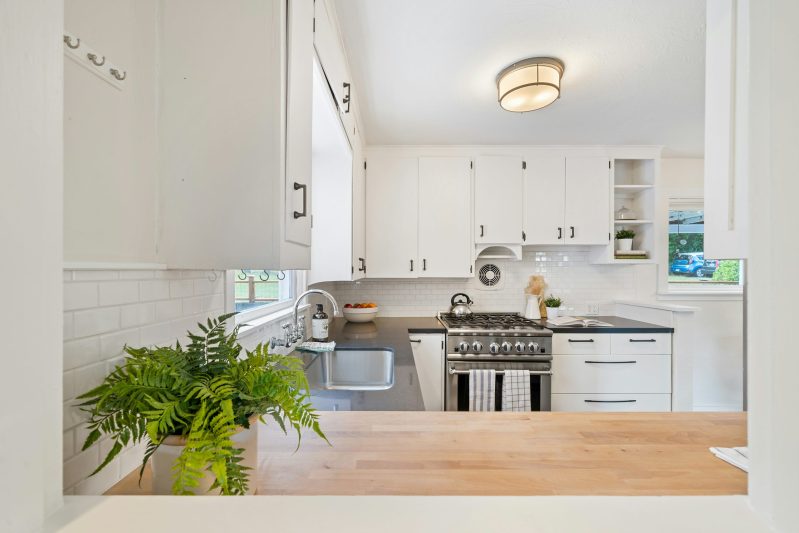
Are you dreaming of a fresh, new kitchen but unsure about the costs involved? Understanding how much it costs to design a kitchen remodel can be the first step toward turning that dream into reality.
You might be imagining sleek countertops, modern appliances, or a layout that transforms your cooking experience. But before diving in, knowing the financial aspects can help you plan effectively and avoid surprises. We’ll break down the costs associated with designing a kitchen remodel, giving you a clear picture to guide your budgeting decisions.
Stick around to discover how you can achieve your dream kitchen without breaking the bank.

Credit: kitchenmakeovers.co.uk
Factors Influencing Kitchen Remodel Costs
Embarking on a kitchen remodel can be both exciting and daunting. Understanding the factors that influence the cost is crucial for planning your budget effectively. Let’s dive into the key elements that determine how much you might spend transforming your kitchen.
Size And Layout
The size of your kitchen and its layout are primary determinants of the remodeling cost. A larger kitchen typically requires more materials and labor, which can increase expenses. For instance, expanding a small, cramped kitchen into an open-concept space might require structural changes that add to the cost.
Consider whether you need to move walls or alter plumbing and electrical systems. These structural changes can significantly affect your budget. Ask yourself, does your current layout meet your functional needs, or is a complete overhaul necessary?
Material Choices
Your choice of materials plays a pivotal role in the overall cost. High-end materials like granite countertops, custom cabinetry, and luxury flooring can quickly increase expenses. On the other hand, selecting cost-effective options such as laminate or engineered stone can help keep costs down.
Think about the balance between aesthetics and budget. Are there areas where you can splurge, such as on a statement backsplash, while saving on others, like cabinet hardware?
Labor And Installation
Labor costs can vary widely depending on the complexity of the remodel and the expertise required. Hiring skilled professionals ensures quality work but comes at a higher price. DIY approaches can save money but might not match the quality of professional installations.
Consider whether you have the skills and time to undertake parts of the remodel yourself. How much are you willing to pay for peace of mind and professional craftsmanship?
Location And Market Rates
Your geographical location can significantly impact remodeling costs due to varying market rates. In urban areas, labor and material costs tend to be higher than in rural regions. Additionally, local building codes and regulations may affect expenses.
Research local market rates and compare them with national averages. How does your location influence your budget, and are there regional trends you should be aware of?

Credit: rrbuilddesign.com
Budget-friendly Design Tips
Discover budget-friendly tips for designing a kitchen remodel. Focus on affordable materials and DIY projects to keep costs low. Make smart choices with lighting and storage to enhance space without overspending.
Budgeting for a kitchen remodel doesn’t have to break the bank. With some savvy planning and creative solutions, you can transform your kitchen without overspending. Whether you’re aiming for a complete overhaul or just a few upgrades, these budget-friendly design tips can guide you in maximizing your resources effectively.Prioritize Key Features
Consider what elements are most important for your kitchen’s functionality and aesthetics. Focus on these features first, such as countertops or cabinetry, which often make the biggest impact. It’s all about balancing style with function. Could a beautiful backsplash breathe new life into your kitchen?Repurpose And Reuse
Look at your current kitchen components with a fresh perspective. Repainting cabinets or refinishing old furniture can save costs and add a unique charm. Sometimes, a little creativity in repurposing items can yield impressive results. What about transforming an old table into a rustic island?Shop For Sales And Discounts
Keep an eye out for seasonal sales or clearance events at local stores or online retailers. You can find high-quality materials and appliances at a fraction of the usual cost. Joining mailing lists or loyalty programs might also unlock exclusive discounts. How much could you save by timing your purchases wisely?Cost Breakdown By Component
Understanding the cost of a kitchen remodel can feel overwhelming, especially with so many components involved. By breaking down the costs by component, you can get a clearer picture of where your money will go. This approach not only helps in budgeting but also allows you to prioritize what’s most important in your remodel. Let’s dive into the specifics of each component.
Cabinetry And Hardware
Cabinetry often takes up a significant portion of your kitchen remodel budget. Expect to allocate about 30-40% of your total budget to this component. The materials you choose and whether you opt for custom or semi-custom cabinets can greatly affect the cost.
- Custom cabinets can range from $500 to $1,500 per linear foot.
- Semi-custom cabinets are slightly more affordable, typically costing between $100 and $650 per linear foot.
- Don’t forget about hardware—those sleek handles and knobs can add up, costing anywhere from $2 to $20 each.
Countertops And Surfaces
Countertops can dramatically change the look and functionality of your kitchen. Materials vary widely in cost, from budget-friendly laminate to luxurious granite or quartz. Consider how each material fits your cooking habits and maintenance preferences.
- Laminate countertops start at about $20 per square foot.
- Quartz and granite can range from $50 to $200 per square foot, depending on the quality and source.
- Think about durability and upkeep—some materials require more maintenance than others.
Appliances And Fixtures
Appliances are essential for a functional kitchen, but they don’t have to break the bank. Decide which appliances are must-haves for your lifestyle and set aside a reasonable budget for them. Quality can vary, but there are plenty of options for every price range.
- Basic appliance packages can start around $2,000 to $5,000.
- High-end appliances can easily exceed $10,000 for a full suite.
- Consider energy-efficient models, which might have a higher upfront cost but save money in the long run.
Flooring And Lighting
Flooring sets the foundation of your kitchen’s aesthetic, while lighting influences its ambiance and usability. These elements are crucial for both function and design, yet they often get overlooked in the planning stages.
- Vinyl or laminate flooring options range from $1 to $5 per square foot.
- Hardwood or tile can cost between $5 and $20 per square foot.
- Lighting fixtures vary widely in price, from $100 for basic recessed lights to over $1,000 for a designer chandelier.
As you plan your kitchen remodel, consider these costs carefully. Which component will you prioritize? Your choices will shape not just your budget, but also the heart of your home. By understanding each element’s potential impact, you can make more informed decisions and create a space that truly reflects your style and needs.
Hiring Professionals Vs. Diy
Choosing between hiring professionals or doing it yourself affects kitchen remodel costs. Professional services may increase expenses but ensure quality. DIY options might save money but require time and skill.
Deciding between hiring professionals and doing a DIY kitchen remodel can be tough. Each option comes with its own benefits and challenges. Your choice will impact the cost, quality, and time of your project. Let’s explore both options to help you make an informed decision.Pros And Cons Of Hiring
Hiring professionals brings expertise and experience to your kitchen remodel. They can ensure high-quality work and save you time. Professionals also have access to better tools and materials. They handle permits and follow building codes, ensuring safety. But hiring experts can be expensive. You might have less control over the design and timeline.Advantages Of Diy
DIY projects allow you to be creative and hands-on. You have complete control over the design and materials. This approach can save money on labor costs. Learning new skills can be rewarding and fun. DIY remodels offer flexibility in timing and budget. But without experience, mistakes can happen. These might lead to higher costs in the end.Cost Implications
Hiring professionals usually costs more upfront. You pay for their expertise and efficiency. Yet, they can prevent costly mistakes, saving money long-term. DIY projects often start with lower costs. But unexpected issues can increase expenses. Supplies, tools, and time add up quickly. Consider your budget and skills before deciding.Hidden Costs To Consider
Remodeling your kitchen is an exciting venture, but it often comes with unexpected expenses that can strain your budget. Understanding these hidden costs can help you plan more effectively and avoid unpleasant surprises. Let’s delve into some of the sneaky expenses you might encounter during your kitchen makeover.
Permits And Fees
Before you start tearing down walls or installing new plumbing, check if you need permits. These permits are essential for ensuring that your remodeling complies with local building codes. They can range from a few hundred to over a thousand dollars, depending on your location and the scope of work.
Moreover, there’s often an additional fee for inspections. These inspections ensure that your remodeling work is safe and up to standard. Failing to get the necessary permits can lead to fines or costly modifications later on.
Unforeseen Repairs
Once you start dismantling your old kitchen, you might uncover unexpected issues. Old pipes may be corroded, or electrical systems might need updating. Addressing these problems can add a significant amount to your budget.
Consider setting aside a contingency fund for these surprises. A common recommendation is to allocate around 10-15% of your overall budget for unforeseen repairs. This way, you won’t be caught off guard and can continue your renovation smoothly.
Design Modifications
As your project progresses, you might decide to change some design elements. Maybe the countertop color doesn’t match the cabinets as you envisioned, or you find a better layout for your kitchen island. While these changes can enhance your kitchen’s aesthetics and functionality, they often come with additional costs.
Each modification can impact both labor and material expenses. It’s wise to be flexible yet mindful of how these changes affect your budget. Ask yourself, is this modification worth the extra cost? Balancing aesthetics with practicality is key.

Credit: pbphomerepair.com
Financing Options For Kitchen Remodel
Remodeling a kitchen can be a costly endeavor. Finding the right financing options is crucial. Many homeowners seek ways to fund their projects effectively. Understanding the available financial routes can ease the process. Let’s explore some popular financing options for your kitchen remodel.
Home Equity Loans
Home equity loans offer a practical solution for funding a kitchen remodel. These loans use your home as collateral. They typically provide lower interest rates than personal loans or credit cards. You can borrow a lump sum based on your home’s value. This option suits those with significant home equity built up. It allows you to make larger investments in your kitchen space.
Personal Loans
Personal loans can be a flexible choice for kitchen remodeling. They do not require collateral, unlike home equity loans. These loans can cover various expenses related to your project. Interest rates might be higher compared to home equity options. Approval times are generally quicker. It’s important to compare rates and terms from different lenders.
Credit Card Financing
Credit card financing is another option for smaller kitchen projects. Many cards offer zero-interest promotions for new purchases. This can be beneficial for short-term financing needs. It’s essential to pay off the balance before interest kicks in. Otherwise, high rates could add up quickly. Keep an eye on your credit limit to avoid overspending.
Frequently Asked Questions
How Much Does A Kitchen Remodel Design Cost?
The cost of designing a kitchen remodel varies. On average, homeowners spend between $12,000 and $35,000. Factors like size, materials, and complexity influence the price. Professional design services might add to the cost. It’s essential to budget accordingly.
What Factors Affect Kitchen Design Pricing?
Several factors influence kitchen design pricing. These include the kitchen’s size, chosen materials, and complexity of the design. Additional features, like custom cabinetry or high-end appliances, can increase costs. Hiring professional designers might also impact the overall price.
Is Hiring A Kitchen Designer Worth It?
Hiring a kitchen designer can be worthwhile. Designers bring expertise, ensuring a functional and aesthetically pleasing space. They help avoid costly mistakes and streamline the remodeling process. Their insights often result in a more efficient and cohesive design.
Can I Save Money On Kitchen Design?
Yes, you can save money on kitchen design. Consider DIY design elements, reuse existing structures, or choose cost-effective materials. Prioritize essential features and work with a budget-friendly designer. Planning and researching can lead to significant savings.
Conclusion
Budgeting for a kitchen remodel requires careful planning. Costs can vary widely. Consider your needs and priorities first. Know the average prices of materials and labor. Evaluate different options for fixtures and appliances. Seek advice from professionals. Always check for hidden costs.
Compare quotes from multiple contractors. Choose quality over quantity. Remember, a well-designed kitchen adds value to your home. Plan wisely to avoid unnecessary expenses. Enjoy the process and dream big, but spend smart. With the right approach, you can create a kitchen you love without breaking the bank.
Happy remodeling!