Imagine this: You’re in your kitchen, ready to whip up a delicious meal in your favorite enamel cookware. It’s vibrant, durable, and cooks like a dream.
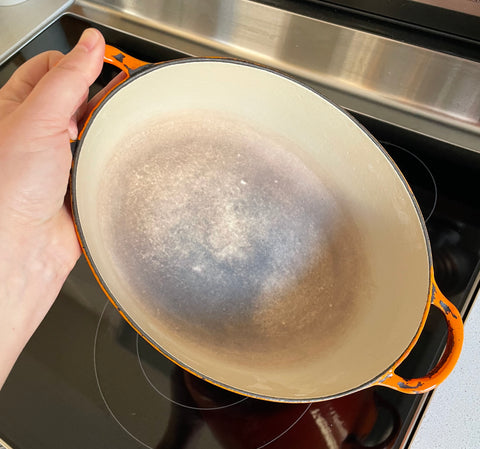
But there’s one problem—it’s looking a little less than pristine. If you’ve ever wondered how to get your enamel cookware back to its gleaming glory, you’re in the right place. You’re not alone in this quest. Many home cooks face the challenge of keeping their cherished pots and pans spotless without damaging them.
The good news is that cleaning enamel cookware doesn’t have to be a daunting task. With the right techniques, you can easily restore your cookware’s shine and extend its lifespan. You’ll discover simple, effective methods to clean your enamel cookware, ensuring it remains a kitchen staple for years to come. Whether you’re dealing with stubborn stains or just want to maintain its beauty, we’ve got you covered. Let’s dive in and explore how you can keep your enamel cookware looking and performing at its best.
Choosing The Right Cleaning Tools
Cleaning enamel cookware requires the right tools to avoid damage. Choosing suitable cleaning tools ensures your cookware stays in good condition. Enamel surfaces are delicate and need gentle care. The wrong tools can scratch or chip the enamel. Let’s explore the best options for cleaning enamel cookware.
Soft Sponges And Brushes
Soft sponges are ideal for cleaning enamel cookware. They gently remove food residues without scratching the surface. Use a sponge with a non-abrasive side for stubborn stains. Soft brushes can also help clean tricky spots. They reach into corners and edges, ensuring thorough cleaning. Choose brushes with soft bristles for safe cleaning.
Avoiding Abrasive Materials
Abrasive materials can damage enamel surfaces. Avoid using steel wool or rough scrubbing pads. These can scratch or chip the enamel, leading to permanent damage. Instead, opt for gentle cleaning tools. Soft cloths or non-abrasive pads work well for cleaning. They protect the enamel while effectively removing dirt.

Credit: food52.com
Daily Maintenance
Maintaining the pristine look and functionality of your enamel cookware starts with daily care. Treating it gently can extend its life and keep it looking brand new. A few simple steps each day can make a world of difference.
Gentle Soap And Water
Begin by using a soft sponge and mild dish soap. Avoid abrasive materials that can scratch the enamel surface. A quick rinse with warm water and soap usually suffices for daily grime. If food is stuck, let the cookware soak for a few minutes before wiping it clean. Do you ever wonder if your cookware feels neglected when it’s left soaking too long? Treat it well to ensure longevity.
Drying To Prevent Water Spots
Once clean, take a moment to dry your cookware thoroughly. Air drying can lead to water spots, which dull the vibrant enamel. Use a soft towel to pat it dry immediately after washing. This simple step keeps your cookware looking polished and ready for its next culinary adventure. Do you notice water spots on your enamel? A quick drying can be all it takes to keep them at bay.
Tackling Stubborn Stains
Enamel cookware is loved for its vibrant colors and durability. Yet, stubborn stains can dull its shine. Cleaning these stains requires patience and the right methods. Below are effective techniques to tackle them.
Baking Soda Paste
Baking soda is a gentle abrasive. It’s perfect for cleaning enamel cookware without scratching. To make a paste, mix baking soda with water. Aim for a thick consistency. Apply the paste to the stained areas. Let it sit for 15 minutes. This allows the baking soda to work on the stains.
Use a soft cloth to scrub the paste gently. Circular motions work best. Rinse the cookware with warm water. Repeat if necessary. The stain should lighten with each application.
Vinegar Soak Method
Vinegar is a natural cleaner. It can dissolve tough stains on enamel surfaces. Fill the cookware with equal parts vinegar and water. Let it soak for an hour. This helps loosen the stains.
After soaking, pour out the mixture. Use a soft sponge to scrub the stained area. Rinse thoroughly with water. The stains should be less visible now. For persistent stains, repeat the process. Vinegar’s acidity helps in removing discoloration.
Removing Burnt Residue
Cleaning enamel cookware is crucial to maintaining its pristine condition. Removing burnt residue is often the most challenging aspect, but it can be tackled effectively with the right techniques. Whether you’re dealing with stubborn scorch marks or just a thin layer of residue, the following methods can help restore your cookware’s shine. Let’s dive into practical techniques that have helped many home cooks breathe new life into their enamel pots and pans.
Boiling Water Technique
Start by filling your enamel cookware with enough water to cover the burnt residue. Bring the water to a boil on your stovetop.
Once boiling, let it simmer for about 10-15 minutes. The heat helps loosen the stubborn residue and makes it easier to clean.
After boiling, carefully pour out the water and use a soft sponge or cloth to wipe away the loosened grime. You might be surprised at how effective this simple method can be.
Using Baking Soda And Vinegar
Sprinkle a generous amount of baking soda directly onto the burnt area. Baking soda acts as a mild abrasive and can help lift the residue.
Next, add a splash of vinegar to create a bubbling reaction. This fizz works wonders in breaking down tough, burnt-on food particles.
After the reaction subsides, gently scrub the surface with a soft sponge. This combination often leaves your cookware looking almost new.
Can you think of another everyday item in your kitchen that might help with cleaning?
Preventing Future Damage
Cleaning enamel cookware gently is crucial to prevent future damage. Use mild dish soap and a soft sponge to avoid scratching the surface. Rinse thoroughly and dry immediately to maintain its shine and durability.
Preventing damage to your enamel cookware keeps it looking new. With a few simple tips, you can extend its life. Careful handling and cleaning are key. Consistent maintenance ensures your cookware remains pristine.Temperature Control Tips
Avoid sudden temperature changes to protect enamel cookware. Let it cool before washing. Use medium heat for cooking. High heat can damage the enamel surface. Always preheat slowly to avoid cracks. This gentle approach keeps your cookware safe.Avoiding Metal Utensils
Metal utensils can scratch the enamel surface. Use wooden or silicone tools instead. They are gentler on the cookware. Scratches can lead to chipping over time. Keeping the enamel intact is crucial. Proper utensils ensure longevity.
Credit: www.lodgecastiron.com
Seasonal Deep Cleaning
Enamel cookware can lose its shine over time. Regular cleaning keeps it looking new, but seasonal deep cleaning is essential. This process removes stains and discoloration that daily cleaning misses. It also prolongs the life of your cookware, ensuring it remains a kitchen favorite.
Hydrogen Peroxide And Baking Soda
Hydrogen peroxide is a powerful cleaner. Mixed with baking soda, it creates a paste. This paste tackles tough stains. Spread it over the stained areas. Leave it for 30 minutes. This gives the mixture time to work. Afterward, scrub gently with a sponge. Rinse well to remove residue. Your cookware should look brighter.
Handling Discoloration
Discoloration can occur from high heat or acidic foods. To handle this, use vinegar. Vinegar’s acidity helps reduce discoloration. Pour vinegar into the pot. Let it sit for a few minutes. Scrub the discolored areas with a soft cloth. Rinse thoroughly afterward. This should restore its original color.
Storage Tips
Proper storage of enamel cookware ensures its longevity and maintains its pristine condition. After cleaning, storing your cookware correctly prevents chips and scratches. Let’s explore some effective storage techniques to keep your enamel cookware safe.
Stacking With Care
Stacking enamel cookware requires gentle handling. Place heavier pieces at the bottom to avoid pressure on delicate items. Ensure each piece is dry before stacking to prevent moisture damage.
Use a soft cloth between stacked items. This provides a cushion, reducing the risk of scratching. Avoid stacking too many pieces together to prevent unnecessary weight on the lower items.
Protective Liners
Protective liners are a smart choice for enamel cookware storage. Line shelves or drawers with soft materials like felt or silicone. These liners create a barrier between your cookware and hard surfaces.
Liners also help absorb shock if items are accidentally bumped. They are an inexpensive way to protect your investment. Consider custom-cut liners for a perfect fit in your storage space.

Credit: dwellingonthepast.ca
Frequently Asked Questions
How To Remove Stains From Enamel Cookware?
To remove stains from enamel cookware, use a mixture of baking soda and water. Apply the paste to the stained area and let it sit for a few minutes. Gently scrub with a non-abrasive sponge. Rinse thoroughly with water and dry immediately to prevent further staining.
Can You Use Bleach On Enamel Cookware?
It’s not recommended to use bleach on enamel cookware. Bleach can damage the enamel surface and cause discoloration. Instead, try using a mild dish soap or a baking soda paste for cleaning. These methods are effective and safe for maintaining the integrity of your enamel cookware.
Is Enamel Cookware Dishwasher Safe?
Most enamel cookware is dishwasher safe, but hand washing is recommended. Dishwasher detergents can be harsh and may dull the finish over time. To preserve the vibrant colors and shine of your enamel cookware, gently wash it with warm soapy water and a soft sponge.
Can Enamel Cookware Be Used On High Heat?
Enamel cookware should not be used on high heat. Extreme temperatures can cause the enamel to crack or chip. Always use low to medium heat settings to ensure the longevity of your cookware. This helps maintain even cooking and prevents damage to the enamel coating.
Conclusion
Cleaning enamel cookware doesn’t need to be complicated. Use gentle scrubbers. Avoid harsh chemicals. Warm water and mild soap work best. Rinse thoroughly to remove residue. Dry completely to prevent stains. Regular maintenance keeps your cookware shining. Remember, handle with care.
Enamel is durable but can chip. Store properly to maintain its beauty. With these tips, your enamel pots stay lovely and clean. Enjoy cooking with cookware that looks new. Happy cooking!