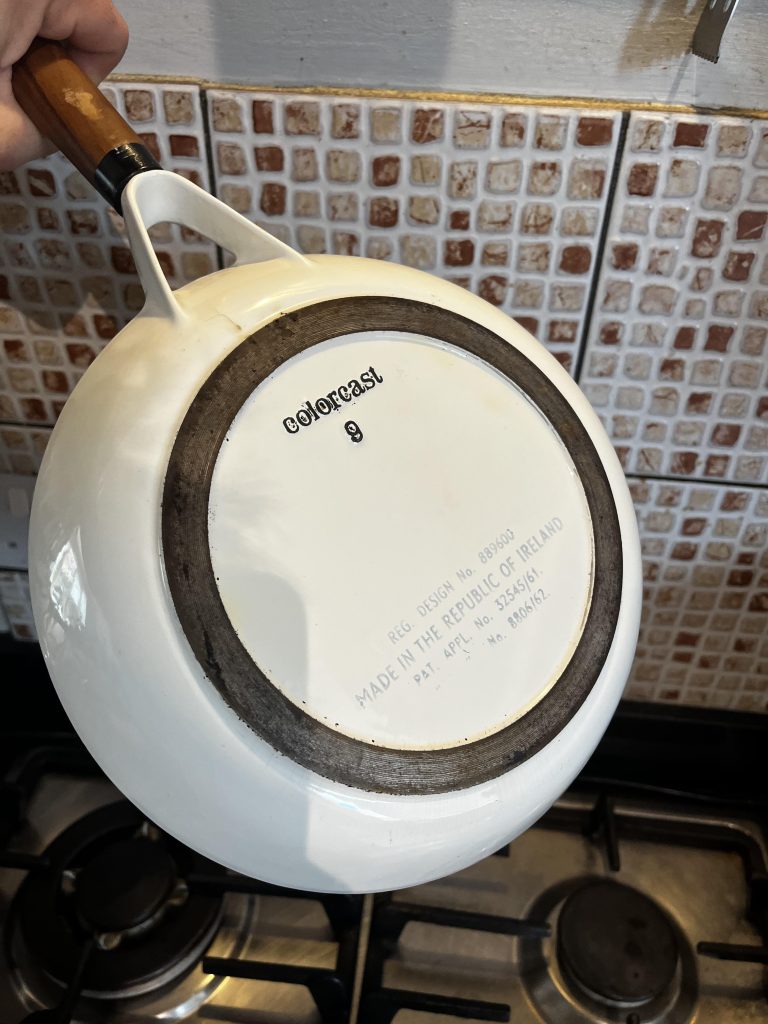
Imagine you’re preparing a delicious meal in your kitchen, using your favorite cookware. You reach for that vibrant, glossy enamel pot or pan, the one that always catches your eye.
But suddenly, a question crosses your mind: “Is enamel cookware toxic? ” This is a concern that touches many home cooks like you. We all want to ensure that our meals are not just tasty, but safe. Your health and well-being are important, and it’s only natural to question what goes into making your cookware.
We’ll dive into the truth about enamel cookware. We’ll explore the materials used, how they interact with food, and what experts say about its safety. By the end, you’ll have the clarity you need to decide if enamel cookware is a safe choice for you and your family. Let’s uncover the facts together and put your worries to rest.
Enamel Cookware Basics
Enamel cookware has become a staple in many kitchens due to its aesthetic appeal and versatile functionality. However, questions about its safety often arise. Understanding the basics of enamel cookware can help dispel myths and make informed choices for your culinary adventures.
What Is Enamel Cookware
Enamel cookware is essentially metal pots and pans coated with a layer of enamel. This enamel is a type of glass fused onto the metal at high temperatures. It offers a smooth, durable surface that prevents food from sticking and makes cleaning easier.
Commonly found in vibrant colors, enamel cookware adds a splash of style to your kitchen. Its non-reactive nature makes it ideal for cooking acidic foods like tomato sauces, without altering flavors or causing corrosion.
Manufacturing Process
The manufacturing process of enamel cookware is quite fascinating. It begins with the formation of the metal base, often made from cast iron or steel. This metal base provides strength and even heat distribution.
Next, the enamel coating is applied. It involves layering powdered glass over the metal and heating it to melt and fuse. This creates the glossy finish that enamel cookware is known for, ensuring durability and resistance to scratching.
Quality control is crucial in this process. Manufacturers test the cookware to ensure the enamel adheres perfectly, preventing chipping and ensuring it’s safe for everyday use.
Have you ever wondered if the vibrant colors of your enamel pots might affect your health? It’s a common concern, but rest assured, reputable brands follow stringent safety standards. Always check for certifications and buy from trusted sources.

Credit: www.reddit.com
Common Safety Concerns
Enamel cookware is often praised for its versatility and vibrant colors, but have you ever paused to consider its safety concerns? Some people worry about potential toxicity, and it’s essential to understand these concerns before making it a staple in your kitchen. Let’s dive into the common safety issues associated with enamel cookware.
Lead And Cadmium Risks
One of the primary concerns with enamel cookware revolves around lead and cadmium. These heavy metals can pose serious health risks. Older enamel cookware, especially those with bright glazes, might contain traces of these metals.
Modern regulations have reduced this risk, but it’s always wise to check if your enamel cookware is certified lead-free. Consider buying from reputable brands that clearly state their safety standards.
Chipping And Cracking Issues
Another concern is the durability of enamel cookware. Have you ever dropped a pot and seen it chip? Chipping and cracking are common issues that can expose the metal beneath the enamel.
This exposure can lead to rust and contamination if not addressed promptly. To ensure longevity, handle your cookware with care and avoid using metal utensils that could scratch the surface.
What steps are you taking to ensure your cookware remains in pristine condition?
Health Implications
Enamel cookware is generally safe, as its coating prevents toxic metals from leaching into food. Proper maintenance ensures its safety, offering a non-toxic option for cooking.
Understanding the health implications of enamel cookware is crucial for making informed choices in your kitchen. While enamel cookware is often celebrated for its aesthetic appeal and non-stick properties, concerns about potential toxicity still linger. Let’s dive into the key aspects you should consider.Chemical Leaching
A common concern with cookware is chemical leaching. Enamel cookware is generally considered safe because the enamel coating acts as a barrier between the metal base and your food. However, if the enamel chips or cracks, there is a risk of leaching heavy metals like iron or aluminum from the base material. This is especially concerning if you frequently cook acidic foods like tomatoes or citrus, which can exacerbate leaching. To minimize risks, inspect your cookware regularly. Replace any pieces that show signs of damage. You might even want to keep a spare set for heavy-duty cooking to extend the life of your favorite pieces.Impact On Food Quality
Does enamel cookware change the taste or quality of your food? The good news is, enamel-coated surfaces do not react with food, preserving its natural flavors. This means you can enjoy your meals without worrying about unwanted metallic tastes. Additionally, enamel’s non-stick properties require less oil, which can contribute to healthier cooking. But remember, proper care is essential. Overheating can damage the enamel and affect its non-stick effectiveness. Next time you’re sautéing your favorite dish, notice how easily it glides over the surface. Isn’t it satisfying to know that your cookware isn’t just making cooking easier, but also healthier? So, is enamel cookware toxic? With the right care and attention, it can be a safe and healthy choice for your kitchen. However, always be vigilant about the condition of your cookware to ensure it remains a beneficial part of your culinary adventures.
Credit: www.youtube.com
Scientific Studies And Findings
Scientific studies help us understand the safety of enamel cookware. Researchers have examined the materials used in making enamel. They aim to find out if these materials pose any health risks. This section will explore the findings from scientific studies and expert opinions.
Research On Toxicity
Many studies have focused on the composition of enamel coatings. Scientists examine the potential release of harmful substances when heated. They look for elements like lead or cadmium in the enamel layers. These elements can be toxic if present in large amounts.
Most findings suggest that high-quality enamel cookware is safe. Manufacturers ensure their products meet safety standards. Testing shows that the enamel does not leach harmful chemicals. This is especially true when used at normal cooking temperatures.
Expert Opinions
Experts in the field of cookware safety have shared their insights. They emphasize the importance of buying from reputable brands. High-quality enamel cookware is less likely to contain harmful substances. Experts recommend checking for safety certifications.
Some experts advise against using damaged enamel cookware. Chips or cracks may expose the metal underneath. This could potentially lead to chemical leaching. Regular checks for damage are recommended to ensure safety.
Safe Usage Tips
Ensure enamel cookware is undamaged to avoid toxic risks. Use wooden or silicone utensils to protect surfaces. Avoid sudden temperature changes to prevent cracking.
Enamel cookware offers charm and functionality in the kitchen. It’s important to use it safely to avoid any health risks. Following these safe usage tips ensures your cookware stays in top condition.Proper Cleaning Techniques
Clean enamel cookware with mild soap and water. Avoid using abrasive pads or steel wool. They can scratch the surface, leading to potential chipping. Use a soft sponge or cloth instead. For stubborn stains, soak the cookware in warm water first. Then gently scrub with a baking soda paste. Dry the cookware completely before storing it. This prevents moisture buildup and rust.Safe Cooking Practices
Always use low to medium heat when cooking with enamel cookware. High heat can damage the enamel coating. Use wooden or silicone utensils to avoid scratching. Metal utensils may chip the surface. Avoid dropping or banging the cookware against hard surfaces. This can cause cracks or chips. Don’t use damaged cookware, as it may expose the metal underneath. Regularly check for any signs of damage. This ensures safe cooking and extends the cookware’s life.Comparing Cookware Materials
Choosing the right cookware affects both cooking and health. Various materials offer unique benefits and drawbacks. Let’s explore how enamel cookware compares to other popular types. This comparison helps in making informed decisions for your kitchen.
Enamel Vs. Non-stick
Enamel cookware features a glass-like coating. It resists sticking and is easy to clean. Non-stick pans have a special surface that prevents food from sticking. Enamel is generally more durable than non-stick coatings. Non-stick coatings can scratch and wear over time. Enamel is often considered safer at high temperatures. Non-stick coatings may release fumes when overheated. Enamel cookware is available in vibrant colors, enhancing kitchen aesthetics. Non-stick options are usually limited in design variety.
Enamel Vs. Stainless Steel
Stainless steel cookware is known for durability and strength. Enamel provides a non-reactive cooking surface, ideal for acidic foods. Stainless steel may require more oil to prevent sticking. Enamel’s smooth surface often needs less oil. Stainless steel heats quickly and evenly. Enamel heats evenly but may take longer. Both materials are dishwasher safe, adding convenience. Stainless steel is often more expensive than enamel options. Stainless steel has a sleek, modern look. Enamel offers a rustic, colorful appearance.
Consumer Awareness
Consumer awareness plays a crucial role in choosing safe cookware. Many people worry about the safety of enamel cookware. Understanding product labels and brand reliability can guide better choices.
Reading Product Labels
Carefully read product labels for essential information. Labels often list materials used in the cookware. Look for terms like “lead-free” or “cadmium-free.” These terms indicate safer products. Some labels also mention safety standards. Understanding these can help make informed decisions.
Choosing Trusted Brands
Opt for well-known and reputable cookware brands. Trusted brands have a history of quality and safety. They often comply with international safety standards. Customer reviews can offer insights into product safety. Researching brand reputation ensures better safety assurance.

Credit: www.facebook.com
Frequently Asked Questions
Is Enamel Cookware Safe To Use?
Enamel cookware is generally safe for cooking. It is coated with a layer of enamel that prevents food from coming into contact with the metal. This makes it non-reactive and safe for acidic foods. Just ensure your cookware is free from chips or cracks to maintain its safety.
Can Enamel Cookware Cause Health Issues?
Enamel cookware is unlikely to cause health issues. It’s made from non-toxic materials and doesn’t leach harmful substances into food. However, damaged enamel can expose the metal underneath, which might react with food. Always check your cookware for chips and cracks before use.
What Materials Are In Enamel Cookware?
Enamel cookware is made from metal, usually cast iron or steel, coated with enamel. The enamel is a type of glass fused to the metal, providing a non-reactive surface. This makes enamel cookware durable and safe for cooking various dishes, including acidic foods.
How Do I Care For Enamel Cookware?
Caring for enamel cookware involves gentle cleaning and avoiding high heat. Use non-abrasive cleaners and soft sponges to prevent scratches. Avoid metal utensils to keep the surface intact. Store it carefully, ensuring the enamel doesn’t chip, which could compromise its safety.
Conclusion
Enamel cookware is generally safe for everyday use. The coating provides a protective barrier. Avoid using chipped enamel to prevent food contamination. Enamel is easy to clean and maintain. It offers even heating, which is ideal for cooking. Choose quality brands for long-lasting cookware.
Check labels for lead-free options. Proper care enhances durability and safety. Enjoy cooking with colorful and reliable enamel pots and pans. Your kitchen becomes a welcoming space. This cookware blends functionality with style. So, cook confidently knowing your cookware is safe.