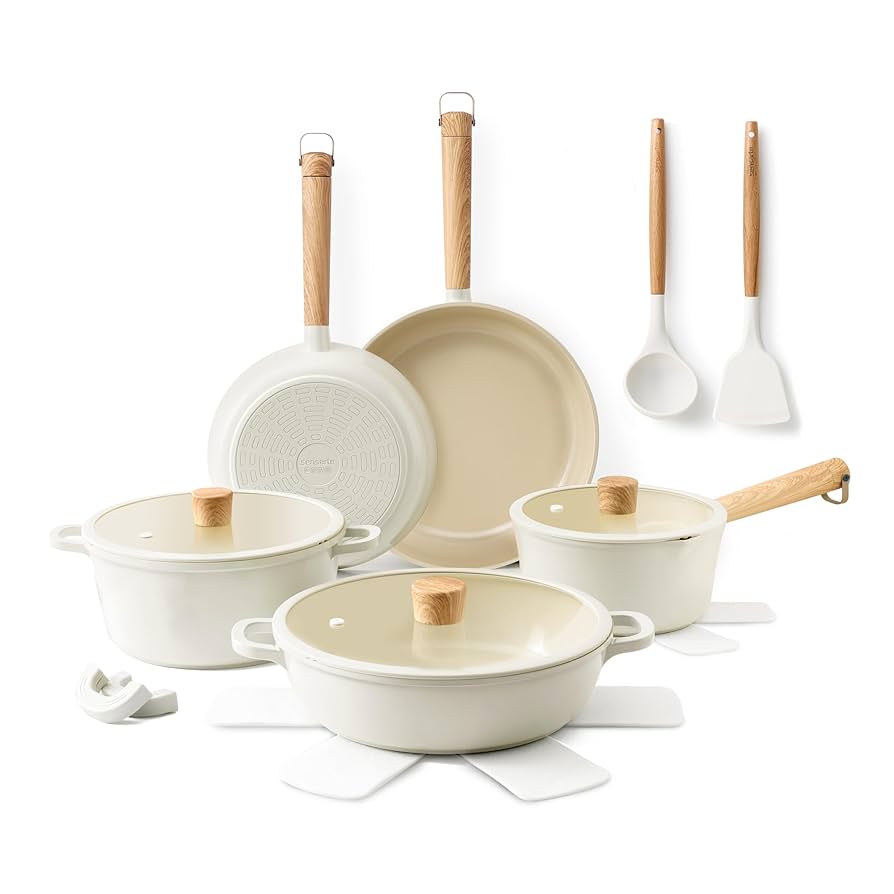
Are you standing in the kitchen, staring at your ceramic coated cookware, wondering if it’s truly safe for your family? You’re not alone.
Many people are drawn to ceramic cookware for its sleek design and non-stick properties. Yet, concerns about its safety often linger in the back of your mind. You deserve cookware that not only performs well but also keeps you and your loved ones safe from harmful chemicals.
We’ll dive deep into the world of ceramic coated cookware, uncovering the truths and myths surrounding its safety. By the end, you’ll have the clarity you need to make informed decisions for your kitchen. Stick with us, and let’s get to the bottom of this together!

Credit: www.instagram.com
What Is Ceramic Coated Cookware
Ceramic coated cookware is popular in kitchens worldwide. It offers a non-stick surface for easy cooking and cleaning. Many people choose it for its sleek appearance and versatile use. But what exactly is ceramic coated cookware?
Material Composition
Ceramic coated cookware has a metal base. Typically, aluminum or stainless steel is used. The metal provides durability and even heat distribution. Over the metal, a layer of ceramic coating is applied. This coating is made from natural minerals and clay. The ceramic layer is free from harmful chemicals like PTFE and PFOA. This makes it a safer option for cooking.
Manufacturing Process
The manufacturing of ceramic coated cookware begins with the metal base. It is shaped into pots, pans, or other kitchen tools. The metal surface is then cleaned thoroughly. This ensures the ceramic coating adheres properly. Next, the ceramic solution is prepared. It is sprayed or dipped onto the metal surface. After coating, the cookware is baked at high temperatures. This process hardens the ceramic layer, making it smooth and durable. The final product is inspected for quality and safety.
Benefits Of Ceramic Coated Cookware
Are Ceramic Coated Cookware Safe Ceramic coated cookware is a safer choice for healthy cooking. It reduces the risk of harmful chemicals. Easy to clean surfaces also make cooking more enjoyable.
Ceramic coated cookware offers a range of benefits that make it a popular choice in kitchens worldwide. This type of cookware is known for its non-stick surface, excellent heat distribution, and stylish appearance. These qualities not only improve cooking efficiency but also enhance the overall experience in the kitchen.Non-stick Features
Ceramic coatings provide a natural non-stick surface. Foods slide off easily, reducing the need for excessive oils or fats. This makes cleaning much simpler and quicker. The non-stick property also helps in cooking delicate foods like fish and eggs without breaking them. This feature promotes healthier cooking practices and saves time.Heat Distribution
Ceramic coated cookware ensures even heat distribution. This prevents hotspots that can burn food. Consistent heat allows for precise cooking, enhancing flavor and texture. This is particularly useful for simmering sauces or stews. The uniform heat helps in achieving perfect results every time.Aesthetic Appeal
Ceramic cookware comes in various colors and designs. This adds a touch of elegance to any kitchen. Its sleek appearance complements modern kitchen decor. The attractive finish makes it ideal for serving dishes directly from the cookware. This eliminates the need for additional serving ware, streamlining meal presentation.Potential Health Concerns
Ceramic coated cookware has gained popularity for its non-stick properties and aesthetic appeal. However, like any kitchen product, there are potential health concerns that users should be aware of. Understanding these can help you make informed decisions about your cookware choices.
Chemical Leaching
One concern with ceramic coated cookware is the possibility of chemical leaching. This happens when coatings break down over time, especially with frequent use. As a result, substances from the coating might mix with your food.
Are you worried about what might end up in your meals? It’s essential to regularly inspect your cookware for signs of wear. If you notice chips or scratches, it might be time to consider a replacement.
High-temperature Risks
Cooking at high temperatures can be risky with ceramic coated cookware. The coating might degrade, releasing potentially harmful substances. This degradation often occurs when the cookware is heated beyond recommended limits.
Do you usually cook on high heat? If so, be cautious and check the manufacturer’s guidelines. Keeping the heat at moderate levels can prolong the life of your cookware and safeguard your health.
Choosing the right cookware involves balancing convenience with safety. By being aware of these potential risks, you can enjoy the benefits of ceramic coatings while minimizing health concerns. What changes will you make to ensure your kitchen remains a safe space?
Comparing Ceramic To Other Cookware
Ceramic coated cookware offers a non-stick surface, reducing the need for oils. They are generally considered safe, as they are free from harmful chemicals like PFOA and PTFE. However, it’s crucial to use them properly to prevent damage and ensure lasting safety.
Comparing Ceramic to Other Cookware Choosing the right cookware can be daunting given the myriad of options available. Ceramic coated cookware has gained popularity for its non-stick properties and eco-friendly appeal. But how does it really stack up against other types of cookware?Ceramic Vs. Teflon
Teflon, a brand name for PTFE, has been a go-to for non-stick cookware lovers. It offers a slick surface that makes flipping pancakes a breeze. However, Teflon has faced scrutiny due to the release of harmful fumes at high temperatures. Ceramic coated cookware, on the other hand, is free from PTFE and PFOA. This makes it an attractive choice for those prioritizing health and safety. With proper care, ceramic maintains a non-stick surface without the risk of toxic fumes. Have you ever wondered if Teflon’s convenience is worth the potential health risks? It’s a question worth pondering, especially if you spend a lot of time in the kitchen.Ceramic Vs. Stainless Steel
Stainless steel is prized for its durability and even heat distribution. It’s a favorite among chefs for its ability to sear meats and create fond, the caramelized bits that add flavor to dishes. However, it requires more oil or butter to prevent sticking, which might not be ideal for low-fat cooking. In contrast, ceramic coated cookware offers a naturally slick surface, reducing the need for added fats. This can be advantageous for those watching their calorie intake. But here’s the catch: ceramic is less durable than stainless steel. It may chip over time if not handled carefully. So, what matters more to you—durability or ease of cooking? Balancing these factors can help you choose cookware that best suits your kitchen needs.Proper Use And Maintenance
Proper Use and Maintenance Ceramic coated cookware is safe when used correctly. Avoid high heat and metal utensils to prolong its life. Regular gentle cleaning ensures the coating stays intact, reducing health risks and maintaining non-stick properties.
Proper use and maintenance of ceramic coated cookware can significantly extend its lifespan and ensure safe cooking. You might already know the aesthetic appeal and non-stick benefits of ceramic cookware, but proper care is essential to retain these advantages. Let’s dive into some practical tips that can help you get the most out of your ceramic cookware.Cleaning Guidelines
Cleaning ceramic coated cookware is straightforward but requires attention to detail. After cooking, let the cookware cool down before washing. Sudden temperature changes can damage the coating. Use a soft sponge and mild dish soap to clean the surface. Avoid abrasive materials like steel wool, which can scratch the coating. Stubborn food residues can be removed by soaking the cookware in warm water for a few minutes. This simple step can make cleaning much easier.Avoiding Damage
To keep your ceramic cookware in top shape, avoid high heat settings. Excessive heat can degrade the coating over time. Use only wooden, silicone, or plastic utensils when cooking. Metal utensils can chip or scratch the ceramic surface. Store your cookware carefully. Place a soft cloth or paper towel between stacked pans to prevent scratches. Have you ever wondered why some cookware loses its non-stick ability? Often, it’s due to improper use. By following these guidelines, you can maintain the non-stick quality and enjoy hassle-free cooking for years to come.
Credit: www.360cookware.com
Choosing Quality Ceramic Cookware
Choosing quality ceramic cookware is crucial for safety and performance. Not all ceramic cookware is created equal. Identifying the best options ensures a safe cooking experience. Focus on trusted brands and key features for the best results.
Trusted Brands
Opt for brands known for quality and safety. These brands invest in non-toxic materials and rigorous testing. They offer durable products with consistent results. Research and customer reviews can guide your decision. Choose brands with a strong reputation in the market.
Key Features To Look For
- Non-Toxic Materials:Ensure the cookware is free of harmful chemicals.
- Durability:Look for scratch-resistant surfaces for long-lasting use.
- Heat Distribution:Choose cookware with even heat distribution for better cooking.
- Ease of Cleaning:Non-stick surfaces should be easy to clean without scrubbing.
- Oven Safety:Check if the cookware is safe for oven use at high temperatures.
Consider these features when selecting ceramic cookware. They ensure a safer and more enjoyable cooking experience. Investing in the right cookware makes a significant difference.

Credit: www.reddit.com
Frequently Asked Questions
Is Ceramic Coated Cookware Non-toxic?
Ceramic coated cookware is generally non-toxic and safe for cooking. It is free from harmful chemicals like PFOA and PTFE. The natural mineral coating prevents food from sticking, ensuring a healthier cooking experience. However, ensure the coating is intact and avoid using metal utensils to maintain its safety.
How Durable Is Ceramic Coated Cookware?
Ceramic coated cookware is durable but requires careful handling. It can last several years with proper care. Avoid using metal utensils and abrasive cleaners to prevent scratches. Hand washing is recommended to prolong its lifespan. Although durable, it is less resilient than traditional non-stick cookware.
Can Ceramic Coated Pans Withstand High Heat?
Ceramic coated pans can withstand moderate heat but not extremely high temperatures. Excessive heat can damage the coating, reducing its non-stick properties. It is best to use medium to low heat for cooking. This also helps in preserving the pan’s longevity and maintaining its cooking efficiency.
Are Ceramic Coatings Environmentally Friendly?
Yes, ceramic coatings are environmentally friendly compared to traditional non-stick coatings. They are made from natural materials and do not emit harmful chemicals. The manufacturing process is more eco-friendly, as it involves less energy and fewer pollutants. This makes ceramic coated cookware a sustainable choice for conscious consumers.
Conclusion
Ceramic coated cookware offers a safe cooking experience. It doesn’t contain harmful chemicals like Teflon. This makes it a better choice for health-conscious cooks. Its easy-to-clean surface adds convenience in the kitchen. Durability is another benefit, though care is needed to avoid scratches.
While ceramic coatings are generally safe, quality matters. Choosing reputable brands ensures safety and reliability. Overall, ceramic cookware is a solid choice for everyday cooking. It’s a practical option for families looking for safer kitchen tools. Explore various options and enjoy healthier meals.