Choosing the right cookware for your induction cooktop can feel like a daunting task. You might be wondering which pots and pans will work seamlessly with your sleek appliance.
Does it really matter what type you use? Absolutely! Induction cooktops require specific materials to function efficiently, and using the wrong ones can lead to frustrating mishaps in your kitchen. But don’t worry—you’re about to discover exactly what you need to make the most out of your culinary adventures.
Imagine the satisfaction of having a kitchen that not only looks modern but also performs flawlessly. This guide will help you unlock that potential by revealing the essential cookware choices for your induction cooktop. Dive in to ensure your kitchen is equipped for success and efficiency.
Induction Cooktop Basics
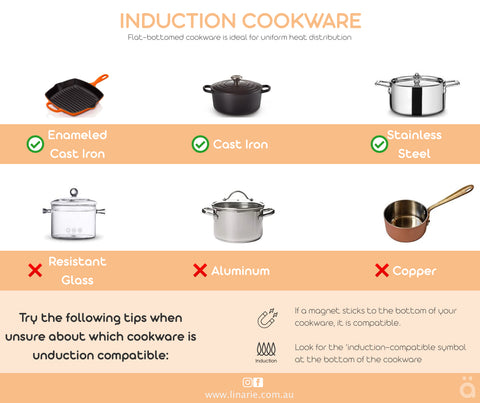
Induction cooktops require cookware with magnetic properties. Choose pots and pans made of stainless steel or cast iron. Verify compatibility by checking for an induction symbol on the base.
Induction cooktops have gained popularity due to their efficiency and modern appeal. They use electromagnetic fields to heat the cookware directly, not the cooktop surface. This method is faster and more energy-efficient than traditional methods. Understanding induction basics helps choose the right cookware.How Induction Cooktops Work
Induction cooktops create a magnetic field. This field induces heat in ferrous metal cookware. Unlike gas or electric stoves, heat is generated within the pot itself. This minimizes energy loss and speeds up cooking. The cooktop stays cooler, reducing the risk of burns.Benefits Of Induction Cooking
Induction cooktops heat up quickly. This saves time in the kitchen. They are energy-efficient, reducing electricity bills. Safety is enhanced as the cooktop remains cool. Spills won’t burn, making clean-up easier. Precision control allows perfect cooking temperatures.What Makes Cookware Compatible
Cookware must contain ferrous metals. Iron and some stainless steels work well. Copper and aluminum do not work alone. Check for labels like “induction-ready” or “induction-compatible.” A simple test is using a magnet. If it sticks, the cookware is suitable.Choosing The Right Cookware
Look for flat-bottomed pots and pans. This ensures full contact with the cooktop. Choose high-quality materials for durability. Consider the weight and handle comfort. Heavy cookware may be harder to lift. Ensure lids fit well to retain heat and moisture.Maintaining Your Induction Cookware
Keep cookware clean and dry. Avoid abrasive materials that scratch surfaces. Store properly to prevent dents or warping. Regularly check magnetic properties. Over time, some materials may degrade. Ensure handles remain secure for safe cooking.How Induction Cooking Works
Induction cooking uses electromagnetic fields to heat cookware directly. Only magnetic materials like cast iron or stainless steel are suitable. Ensure the cookware has a flat bottom for efficient heating.
Induction cooking is a modern way to heat food quickly and efficiently. It uses magnetic fields to generate heat directly in the cookware, making it faster and more energy-efficient than traditional methods. This technology requires specific types of cookware to work correctly. Understanding how induction cooking works can help you choose the right pots and pans for your kitchen.Understanding Magnetic Fields
Induction cooktops use magnetic fields to create heat. The cooktop generates an alternating electric current, producing a magnetic field. This field interacts with the cookware, causing it to heat up. The cooktop itself stays cool, as the heat is only generated in the pot or pan. This makes induction cooking safe and energy-efficient.Cookware Compatibility
Not all cookware works with induction cooktops. The pots and pans must be made of ferromagnetic materials like stainless steel or cast iron. These materials respond to magnetic fields, allowing them to heat up. If a magnet sticks to the bottom of your cookware, it is likely suitable for induction cooking.Heat Control
Induction cooktops offer precise heat control. The magnetic field can be adjusted instantly, changing the temperature of the cookware quickly. This allows for more accurate cooking, reducing the risk of burning food. It also means less energy is wasted, as the heat is directed exactly where it’s needed.Benefits Of Induction Cooking
Induction cooking is fast and efficient. The direct heating method reduces cooking time and saves energy. The cooktop remains cool, reducing the risk of burns. It’s also easy to clean since spills do not burn onto the surface. Induction cooktops provide a safe and convenient cooking experience.Essential Features Of Induction-compatible Cookware
Cookware for induction cooktops must have a magnetic base to work effectively. Stainless steel and cast iron are ideal choices. Ensure flat bottoms for better heat distribution and energy efficiency.
Essential Features of Induction-Compatible Cookware Induction cooktops are popular for their efficiency and speed. Choosing the right cookware is crucial for optimal performance. Induction-compatible cookware must have specific features to work effectively. Below are the essential characteristics that define suitable cookware for induction cooking.Magnetic Base
Induction cooktops use electromagnetic fields. Therefore, cookware must have a magnetic base. This allows the cooktop to create heat directly in the pot or pan. Materials like stainless steel and cast iron are ideal. They ensure a strong magnetic connection. This is essential for efficient cooking.Flat Bottom
A flat bottom ensures proper contact with the cooktop. It aids in consistent heating. Uneven surfaces can disrupt the magnetic field. This leads to poor cooking results. A flat base prevents wobbling. It also helps in quick heat transfer.Heat Distribution
Proper heat distribution is vital for cooking. Induction-compatible cookware should distribute heat evenly. This prevents hot spots and burning. Cookware with multi-layered bases works well. It ensures uniform cooking. Copper or aluminum cores enhance heat distribution. They make cooking faster and more precise.Best Materials For Induction Cookware
Induction cooktops require cookware made of magnetic materials. Stainless steel and cast iron are excellent choices. Both offer durability and efficient heat distribution, enhancing cooking performance.
Induction cooktops are rapidly gaining popularity due to their efficiency and precision in cooking. But, to fully enjoy their benefits, it’s crucial to choose the right cookware. The materials you select can significantly affect your cooking experience. Not all materials are compatible with induction cooktops, so understanding the best materials is key to making the right choice.Stainless Steel
Stainless steel is a top choice for induction cookware. It’s durable, easy to clean, and resistant to rust and stains. However, not all stainless steel cookware is induction-friendly. Ensure it has a magnetic base, as induction cooktops rely on magnetic fields to heat the cookware. A quick test with a magnet can verify its compatibility. If it sticks, you’re good to go!Cast Iron
Cast iron is another excellent option for induction cooking. It heats evenly and retains heat well, making it perfect for slow-cooked dishes. The weight might seem daunting, but it’s a testament to its durability and efficiency. Be aware that cast iron can scratch glass surfaces, so handle it with care. Using a heat diffuser can help prevent damage to your cooktop.Carbon Steel
Carbon steel combines the best of both stainless steel and cast iron. It’s lighter than cast iron but still offers excellent heat retention. Its rapid heat response is ideal for searing and frying. Remember that carbon steel requires seasoning to maintain its non-stick properties. This might seem tedious, but the result is a naturally non-stick surface without any synthetic chemicals. Choosing the right cookware for your induction cooktop enhances your cooking experience. Have you ever tried a new recipe and found your pans weren’t up to the task? It’s frustrating! Selecting the right materials can save you from such disappointments, making cooking a pleasure rather than a chore.Materials To Avoid
Non-magnetic cookware like aluminum, glass, or copper won’t work on induction cooktops. Induction requires ferrous materials for effective heating. Ensure your pots and pans have a magnetic base for optimal performance.
Choosing the right cookware for your induction cooktop can make or break your cooking experience. While induction cooking is efficient and precise, it does require compatible cookware. But did you know there are certain materials that can actually hinder your induction cooking? Let’s dive into the materials you should avoid for the best results.Aluminum
Aluminum cookware is popular due to its lightweight nature and excellent heat conduction. However, it falls short with induction cooking. Induction cooktops require a magnetic base to function, and unfortunately, aluminum lacks this property. You might find aluminum cookware with an added stainless steel base to make it induction-friendly. But pure aluminum pots and pans? They’re best left on the shelf.Copper
Copper cookware is admired for its aesthetic appeal and quick heat response. However, much like aluminum, it does not have magnetic properties. This makes it incompatible with induction cooktops. While copper can be a beautiful addition to your kitchen, it’s not the best choice for induction. Consider saving your copper pieces for other types of cooktops.Glass
Glass cookware may seem like a versatile choice for various cooking methods, but it doesn’t perform well on induction cooktops. Glass lacks the magnetic properties needed to create the electric current that heats your food. While glass can be great for baking, it doesn’t have a place on your induction cooktop. Opt for other materials that align better with induction technology. Are you considering other materials for your induction cooktop? Understanding what doesn’t work is just as important as knowing what does. Make sure your investment in cookware enhances your cooking, not limits it.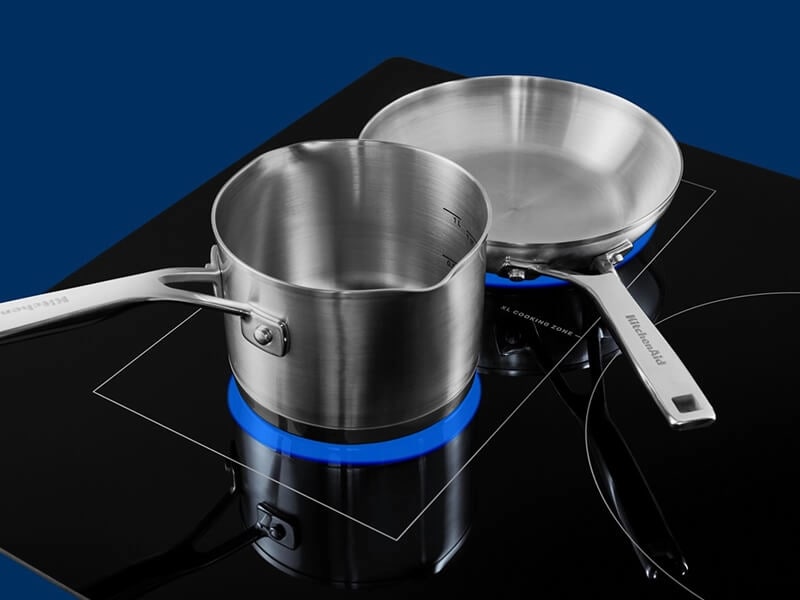
Credit: www.maytag.com
Choosing The Right Size And Shape
Choosing the Right Size and Shape Selecting the right cookware ensures efficient cooking on an induction cooktop. Flat-bottomed pans optimize heat transfer. The size should match the burner for even heating.
Choosing the right size and shape for induction cookware is crucial. It ensures efficient cooking and heat distribution. The cookware must fit your cooktop’s zones and meet your cooking needs. Understanding the pan diameter and cooktop zones helps in making the right choice.Pan Diameter
The diameter of your pan affects cooking performance. Induction cooktops require specific pan sizes for optimal heat. A pan too small may not activate the cooktop zone. A pan too large might not heat evenly. Measure your cookware before purchasing. Ensure the diameter matches the cooktop size. This maximizes heat transfer and efficiency. Proper sizing leads to better cooking results and energy savings.Cooktop Zones
Each induction cooktop has designated zones. These zones require compatible cookware sizes. Different zones may have different diameters. Matching cookware to these zones ensures effective heating. Understand your cooktop’s zone specifications. Choose cookware that aligns with these zones. This helps in achieving consistent cooking temperatures. Properly matched zones prevent energy wastage. Check your cooktop manual for detailed zone measurements. This helps in selecting the right cookware size.Top Brands For Induction Cookware
Popular brands for induction cookware include T-fal, Cuisinart, and All-Clad. These offer versatile options for induction cooktops. Stainless steel and cast iron are ideal choices for effective heat distribution.
Finding the perfect cookware for your induction cooktop can elevate your cooking experience. With numerous brands offering specialized products, it’s essential to know which ones truly stand out. The right cookware not only enhances performance but also complements your kitchen aesthetics. Let’s explore the top brands that have earned their reputation in the world of induction cooking.1. All-clad
All-Clad is synonymous with quality and durability. Their induction-compatible cookware is crafted from stainless steel, ensuring even heat distribution. Many home chefs appreciate the professional performance All-Clad offers, making it a worthy investment for your kitchen.2. T-fal
T-fal provides budget-friendly options without compromising on quality. Their induction cookware line includes non-stick surfaces, making it easier to cook and clean. Ideal for those who want efficiency without breaking the bank, T-fal offers a practical solution for everyday cooking.3. Cuisinart
Cuisinart is a household name known for its innovative designs. Their induction cookware combines style with functionality, featuring sleek finishes and ergonomic handles. If aesthetics are as important as performance for you, Cuisinart delivers on both fronts.4. Le Creuset
Le Creuset is renowned for its vibrant enameled cast iron cookware. Although on the pricier side, the brand promises longevity and exceptional cooking results. If you love a pop of color and timeless design in your kitchen, Le Creuset might be the perfect match.5. Greenpan
For the eco-conscious chef, GreenPan offers induction cookware with a focus on sustainability. Their ceramic non-stick coating is free from harmful chemicals, ensuring safer cooking. GreenPan’s commitment to health and the environment makes it an attractive choice for mindful cooks.6. Calphalon
Calphalon is celebrated for its versatility and robust construction. Their induction cookware boasts hard-anodized aluminum, providing excellent heat conduction. Whether you’re a novice or a seasoned chef, Calphalon’s offerings can cater to a variety of cooking styles. Choosing the right brand depends on your cooking habits, budget, and kitchen style. Do you prioritize longevity, budget, or design? Knowing what you value most can guide you to the perfect cookware for your induction cooktop.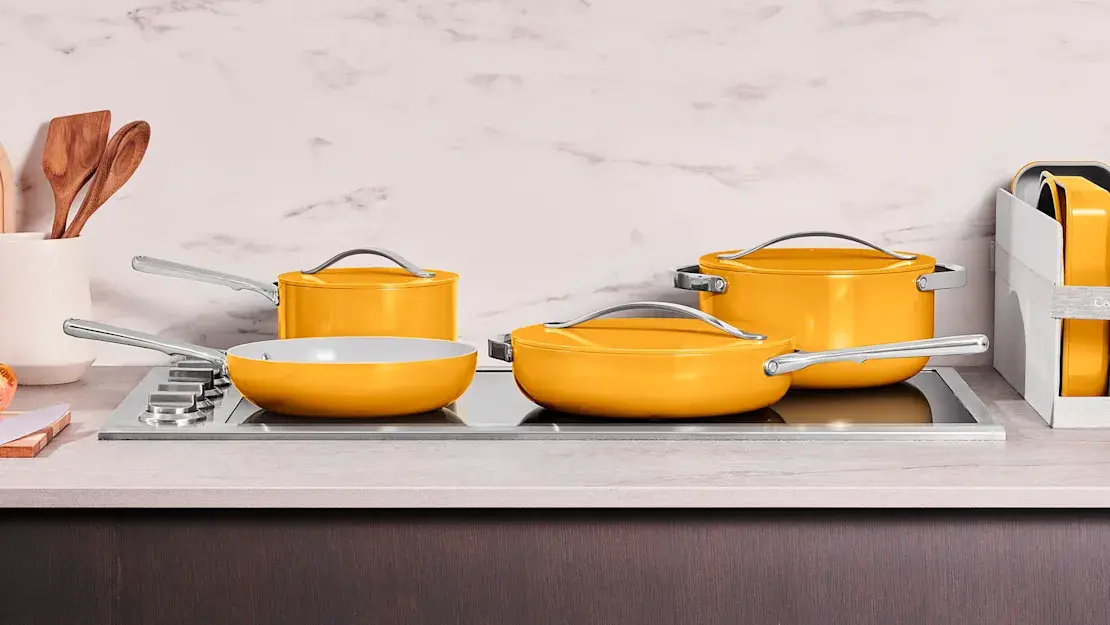
Credit: www.carawayhome.com
Maintenance Tips For Induction Cookware
Induction cooktops have revolutionized the way we cook, offering speed and precision like never before. However, maintaining your induction cookware is crucial to keep it performing at its best. Whether it’s cleaning after a sumptuous meal or finding the perfect storage spot in your kitchen, these maintenance tips will ensure your cookware remains in top-notch condition.
Cleaning Techniques
Cleaning your induction cookware doesn’t have to be a chore. Start by letting the cookware cool down completely. This prevents warping and makes cleaning easier.
Use a gentle dish soap and a soft sponge to scrub away food residues. Avoid abrasive pads that could scratch the surface.
If you’re dealing with stubborn stains, a mixture of baking soda and water can work wonders. Let it sit for a few minutes before gently scrubbing.
Remember to dry your cookware thoroughly to prevent water spots and ensure longevity.
Storage Advice
Proper storage can extend the lifespan of your induction cookware. Consider using pot protectors or cloth between stacked pans to avoid scratches.
If you have limited space, hanging your cookware can be a stylish and practical solution. Ensure the hooks are sturdy to hold the weight.
Think about organizing by size and frequency of use. This makes it easier to access your favorite pan when inspiration strikes.
Ask yourself, is there a better way to arrange your kitchen space? Experiment with different setups to find the most efficient storage method.
Common Myths About Induction Cookware
Many believe all cookware works on induction cooktops, but only magnetic ones are suitable. Others think induction requires special, expensive cookware. In reality, many affordable options work, like stainless steel or cast iron.
Induction cookware often stirs up myths and misconceptions. Many people hesitate to use induction cooktops due to these myths. Let’s debunk some common myths about induction cookware.Myth 1: Only Special Cookware Works
Some believe only expensive cookware works with induction. This is not true. Induction cooktops need magnetic materials like cast iron or stainless steel. Many affordable options exist. Check if a magnet sticks to the base. If it does, it should work.Myth 2: Induction Cookware Is Hard To Find
Another myth is that induction cookware is rare. Most kitchen stores carry compatible pots and pans. Online shopping offers even more choices. Brands often label their products as induction-friendly.Myth 3: Induction Cookware Is Always Expensive
Many think induction cookware is costly. While some brands are pricey, budget-friendly options are available. You don’t need to spend a lot to enjoy induction cooking. Look for sales or discounts to save money.Myth 4: Induction Cookware Is Hard To Maintain
Some fear induction cookware requires special care. It’s not true. Most induction pots and pans are easy to clean. Many are dishwasher safe. Check the manufacturer’s instructions for best results.Myth 5: Induction Cookware Heats Unevenly
Many worry about uneven heating with induction cookware. This is a misconception. Induction cooktops provide consistent heat distribution. Quality cookware helps ensure even cooking. Use flat-bottomed pans for best results.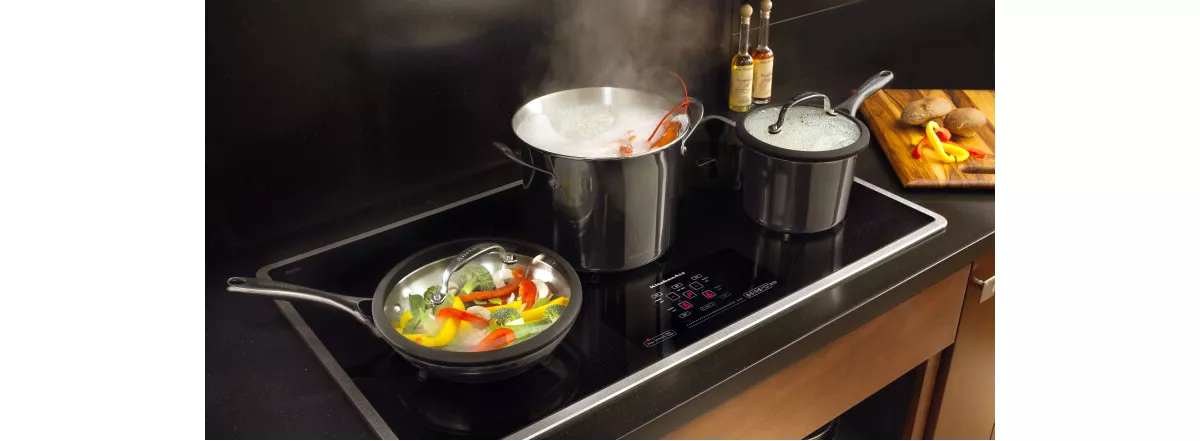
Credit: www.maytag.ca
Frequently Asked Questions
What Cookware Works With Induction Cooktops?
Induction cooktops require magnetic cookware like cast iron, stainless steel, or induction-compatible aluminum. These materials ensure efficient heat transfer. Always check for an induction-compatible label on your cookware to ensure compatibility.
Can I Use Non-stick Pans On Induction?
Yes, non-stick pans can be used if they have a magnetic base. Ensure the base is induction-compatible for efficient heating. Always check the manufacturer’s label for induction suitability before use.
Is Cast Iron Good For Induction Cooktops?
Yes, cast iron is excellent for induction cooktops. Its magnetic nature ensures effective heat transfer. However, be cautious as it can scratch the cooktop surface if not handled carefully.
Do I Need Special Pots For Induction?
Yes, induction cooktops need pots with a magnetic base. Cookware like stainless steel, cast iron, or induction-friendly aluminum works best. Always verify cookware compatibility to ensure optimal performance.
Conclusion
Choosing cookware for your induction cooktop is simple. Magnetic pots and pans work best. Stainless steel and cast iron are good options. Avoid aluminum and copper unless they have a magnetic base. Check for compatibility before buying. Induction cooktops heat fast and cook evenly.
Proper cookware enhances your cooking experience. Consider size, weight, and handles. Test with a magnet if unsure. Invest wisely for long-lasting performance. Enjoy safe and efficient cooking with the right cookware. Make meals easily with the correct tools. Cooking becomes fun and effective with induction-compatible cookware.
Happy cooking!