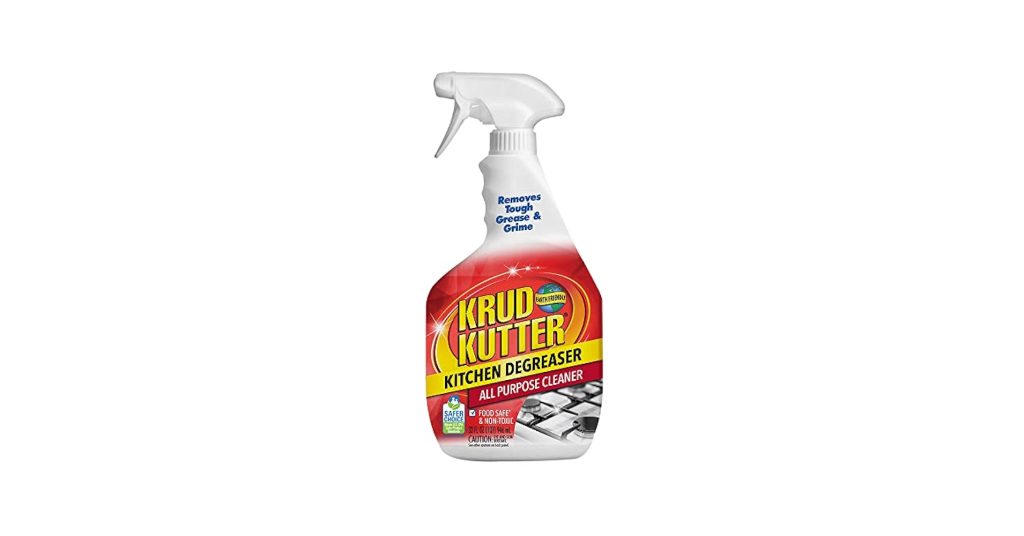
You know the struggle: that stubborn kitchen grease that clings to your walls and refuses to budge no matter how hard you scrub. It’s a common problem that leaves you wondering if there’s any hope for a clean, fresh kitchen.
Imagine walking into your kitchen and seeing spotless walls, free from greasy stains. It’s not just a dream. You have the power to transform your space with the right approach. You’ll discover simple, effective solutions for banishing kitchen grease from your walls.
Get ready to reclaim your kitchen’s beauty and enjoy a cleaner, more inviting space. Keep reading to uncover the secrets that will make a noticeable difference in your home.
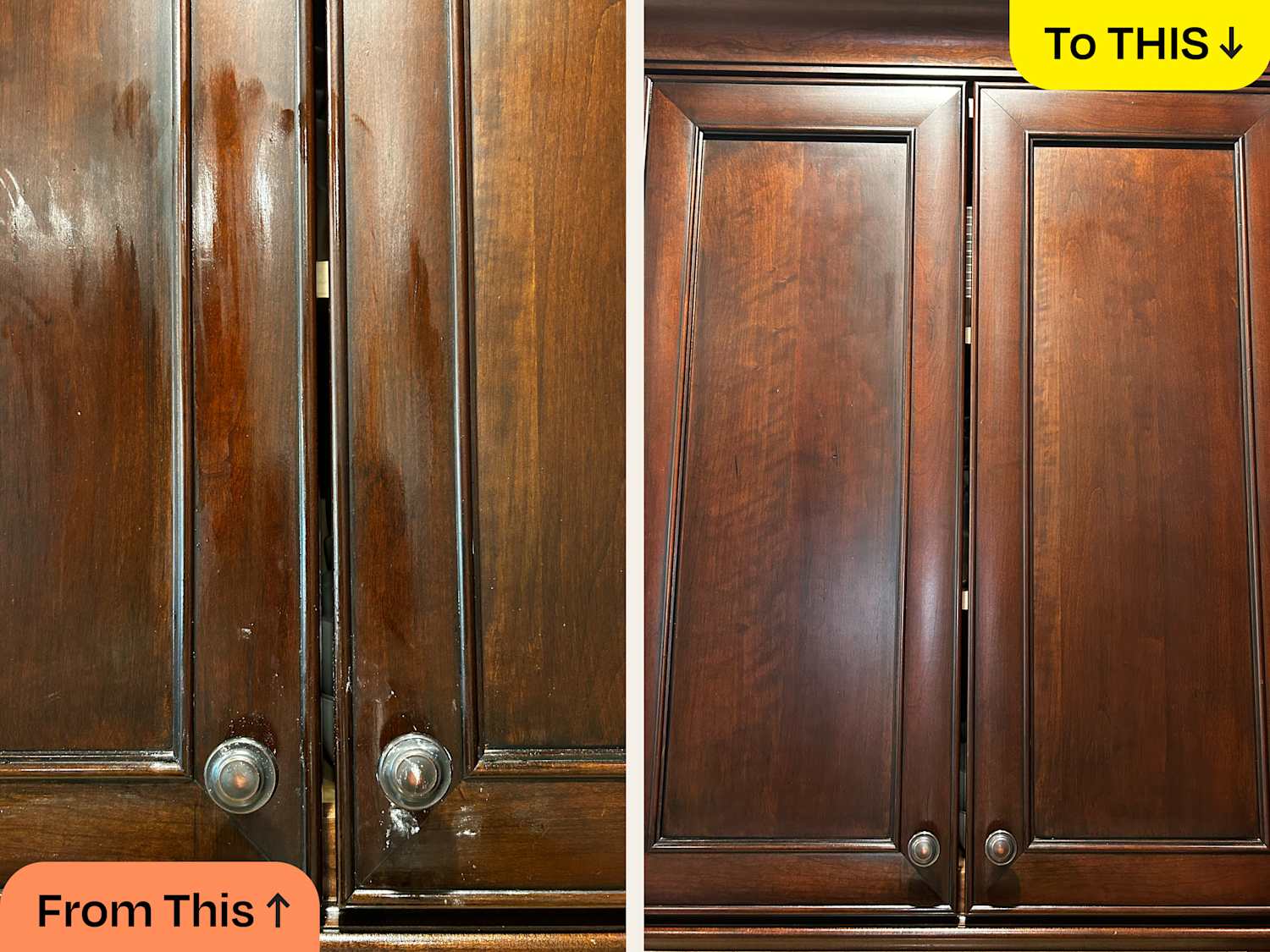
Credit: www.thekitchn.com
Common Causes Of Kitchen Grease
Kitchen grease is a common challenge in many homes. It often sticks to walls and surfaces, creating a sticky mess. Understanding its causes can help in tackling it effectively. Several factors contribute to the buildup of grease in kitchens.
Cooking Oils And Fats
Using oils and fats in cooking releases tiny particles into the air. These particles eventually settle on walls and surfaces. Frying foods often produces more grease than other cooking methods.
Steam From Cooking
Steam carries grease particles, spreading them across the kitchen. Boiling and simmering may seem harmless but can add to grease buildup over time.
Ventilation Issues
Poor ventilation allows grease to linger in the air longer. Without proper airflow, particles settle on walls and appliances. Regularly cleaning vents can help reduce this problem.
Spills And Splatters
Cooking accidents are inevitable. Spills and splatters contribute directly to greasy walls. Prompt cleaning can prevent grease from hardening.
Uncleaned Surfaces
Grease accumulates faster on surfaces not cleaned regularly. Dust mixed with grease creates a tougher layer. Consistent cleaning routines can minimize buildup.
Natural Cleaning Solutions
Vinegar mixed with water helps remove kitchen grease from walls. Baking soda paste works on stubborn spots. Lemon juice can also cut through grime effectively.
Natural cleaning solutions are safe and effective for removing kitchen grease from walls. They are eco-friendly and reduce the use of harsh chemicals. Using common household items, you can tackle tough grease stains easily. These solutions are simple and budget-friendly.Vinegar And Baking Soda
Vinegar is a powerful natural cleaner. Mix equal parts water and vinegar in a spray bottle. Spray the solution on greasy areas. Let it sit for a few minutes. The acid in vinegar breaks down grease. Baking soda adds extra cleaning power. Make a paste with baking soda and water. Apply it on stubborn stains. Gently scrub with a soft sponge. Rinse with warm water.Lemon Juice And Salt
Lemon juice is a natural degreaser. Combine lemon juice and salt to make a paste. Salt acts as a gentle abrasive. Apply the mixture to greasy spots. Rub gently with a damp cloth. The citrus acid helps dissolve grease. Wipe clean with warm water. Enjoy the fresh lemon scent.Essential Oils
Essential oils add fragrance and cleaning strength. Tea tree oil is a popular choice. Mix a few drops with warm water. Use a spray bottle for easy application. Spray on greasy areas. Let it sit for a few minutes. Wipe with a clean cloth. Tea tree oil has antibacterial properties. Other oils like lavender or eucalyptus work well too.Commercial Grease Cleaners
Commercial grease cleaners effectively remove kitchen grease from walls. These powerful solutions break down stubborn grease, restoring surfaces to their original shine. Ideal for busy kitchens, they ensure cleanliness and hygiene with minimal effort.
Cleaning kitchen grease off walls can be quite a challenge, but commercial grease cleaners offer a powerful solution. These products are specially formulated to tackle tough grease stains with minimal effort. Whether you are dealing with a minor splatter or a full-blown grease disaster, commercial cleaners can make the task less daunting and more effective.Degreasing Sprays
Degreasing sprays are a popular choice for their ease of use and efficiency. These sprays are designed to break down and dissolve grease quickly. Just spray it on the affected area, let it sit for a few minutes, and wipe it clean with a damp cloth. Most degreasing sprays are safe to use on a variety of surfaces, including painted walls and tiles. However, it’s always wise to test a small, hidden area first. This ensures that your wall’s paint or finish won’t be damaged.Heavy-duty Detergents
Heavy-duty detergents are another excellent option for tackling stubborn kitchen grease. These are typically more concentrated than regular detergents, making them effective against thick, sticky grease. To use, mix the detergent with warm water to create a soapy solution. Apply it to the greasy area with a sponge or cloth, and scrub gently until the grease lifts away. These detergents often contain strong cleaning agents, so wearing gloves can protect your skin during use. Have you tried using heavy-duty detergents before? They might just be the game-changer you need in your cleaning routine. The right commercial cleaner can transform your cleaning experience, leaving your kitchen walls spotless and fresh. Have you found your perfect grease-fighting solution yet?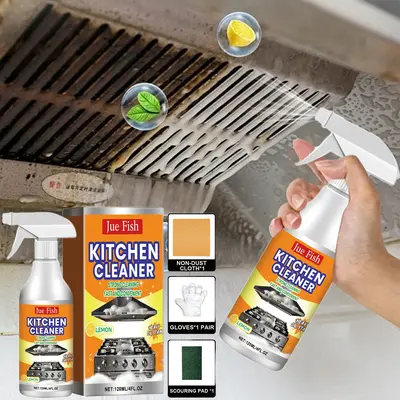
Credit: www.tiktok.com
Homemade Cleaning Mixtures
Vinegar and baking soda make a powerful duo for removing kitchen grease from walls. Mix equal parts of water and vinegar, then add a tablespoon of baking soda. Scrub the greasy areas gently with a sponge for a clean finish.
Cleaning kitchen grease off walls can seem like a daunting task. But you don’t always need store-bought cleaners to tackle this mess. Homemade cleaning mixtures can be surprisingly effective, often using ingredients you already have at home. Not only are these solutions cost-effective, but they are also free from harsh chemicals, making them a safer option for your family and the environment. Let’s explore some easy DIY mixtures that can help you keep your kitchen walls sparkling clean.Diy Soap Mixture
A simple soap mixture can work wonders on greasy walls. Start by mixing a few drops of dish soap with warm water in a spray bottle. Shake it well to ensure the soap dissolves completely. Spray the mixture onto the greasy areas and let it sit for a few minutes. This allows the soap to break down the grease, making it easier to wipe away. Use a clean sponge or cloth to scrub the wall gently. Rinse with water and dry with a towel for a streak-free finish. Have you ever noticed how dish soap cuts through grease on your pots and pans? The same principle applies here, making this an effective and accessible solution.Cornstarch Paste
Cornstarch isn’t just for thickening your sauces; it can also be a powerful cleaning agent. To make a cornstarch paste, combine equal parts cornstarch and water until it forms a thick consistency. Apply the paste directly onto the greasy spots on your wall. Let it dry completely, as the cornstarch will absorb the grease as it dries. Once dry, wipe the paste away with a damp cloth. This method is not only effective but also surprisingly satisfying. Watching the paste lift away the grease can make cleaning feel like less of a chore and more like a mini science experiment. Why not give these homemade mixtures a try? You might find they not only clean effectively but also add a personal touch to your cleaning routine.Cleaning Techniques
Cleaning kitchen grease off walls can feel like a daunting task, but with the right techniques, it becomes manageable. Grease stains not only mar the appearance of your kitchen but can also harbor bacteria. To effectively tackle grease, you’ll need to employ specific cleaning techniques that suit your wall type and the severity of the grease stains. Let’s explore how you can transform your kitchen walls back to their pristine condition.
Scrubbing Tools
Choosing the right scrubbing tool can make all the difference. A soft-bristled brush is gentle enough to avoid damaging your walls but effective enough to lift stubborn grease. Consider using a sponge with an abrasive side for tougher stains; it adds that extra scrubbing power without scraping the wall surface. Have you ever tried a toothbrush for small corners? It’s surprisingly effective for those hard-to-reach spots.
Wiping Methods
When wiping away grease, technique is key. Start with a microfiber cloth; its fibers trap grease particles efficiently. Dampen the cloth with warm water and a mild dish soap solution for added cleaning power. Be gentle in your motions—vigorous wiping can spread the grease instead of removing it. Have you noticed how circular motions help cover more area and lift grease better?

Credit: www.facebook.com
Preventive Measures
White vinegar effectively cuts through kitchen grease on walls. Combine with warm water for a powerful cleaning mix. Dish soap and baking soda offer another solution. Mix until a paste forms, apply, and scrub gently.
Preventive measures are essential for maintaining a grease-free kitchen wall. By implementing these strategies, you not only keep your kitchen looking pristine but also save time and effort in the long run. Let’s explore some simple yet effective ways to prevent grease buildup.Regular Cleaning Routine
Developing a regular cleaning routine is your first line of defense against greasy walls. Set aside a specific day each week to wipe down your kitchen walls. Use a gentle cleanser or a mix of vinegar and water to keep surfaces sparkling. Make it a habit to clean immediately after cooking. A quick wipe can prevent grease from settling into a stubborn stain. Consistency is key, and a little effort now saves a lot of scrubbing later.Using Splatter Guards
Splatter guards are an unsung hero in the kitchen. Placing these over pans or pots while cooking can significantly reduce the amount of grease splattering onto your walls. They are easy to use and can be cleaned in a dishwasher. Consider investing in high-quality splatter guards. They come in various sizes to fit your cookware and are an affordable solution for a cleaner kitchen environment. Have you ever noticed how much cleaner your walls stay with just this small addition? By incorporating these preventive measures, you can enjoy a cleaner kitchen with less hassle. What steps will you take today to maintain a spotless kitchen wall?Safety Tips For Cleaning
Vinegar and baking soda are effective for removing kitchen grease from walls. Mix them for a natural cleaning solution. Use a sponge to gently scrub greasy spots, then rinse with warm water for a clean surface.
Cleaning grease off kitchen walls can be a daunting task. But, it’s crucial to approach it with safety in mind. Without proper precautions, you might end up with more than just a clean wall, like potential health issues or damaged surfaces.Protective Gear
Wearing the right protective gear is essential. Equip yourself with rubber gloves to protect your skin from harsh chemicals. Safety goggles are also a smart choice to keep your eyes safe from splashes. Old clothing is recommended because cleaning agents can stain or bleach fabrics. Consider wearing a mask if you’re using strong cleaning solutions, as fumes can be harmful.Ventilation Importance
Good ventilation is key when cleaning with chemical solutions. Open windows and doors to let fresh air circulate. This helps in reducing the concentration of harmful fumes inside your kitchen. If your kitchen has an exhaust fan, turn it on to further improve air flow. Remember, a well-ventilated space not only protects your health but also makes the cleaning process more effective.Frequently Asked Questions
How To Remove Kitchen Grease From Walls?
To remove kitchen grease from walls, use a mixture of vinegar and water. Apply the solution using a cloth or sponge. Gently scrub the greasy spots. Rinse the area with clean water. Dry with a soft towel to prevent streaks.
What Natural Ingredients Clean Greasy Walls?
Natural ingredients like baking soda and vinegar effectively clean greasy walls. Mix baking soda with water to form a paste. Apply it to the grease spots. Let it sit for a few minutes, then scrub and rinse.
Can Dish Soap Remove Wall Grease Stains?
Yes, dish soap can effectively remove wall grease stains. Mix a few drops with warm water. Use a sponge to scrub the greasy areas. Rinse thoroughly with clean water, then dry the surface to avoid streaks.
Are Commercial Degreasers Safe For Painted Walls?
Commercial degreasers can be safe for painted walls if used correctly. Always test a small area first. Follow the product instructions carefully. Ensure the room is well-ventilated and avoid using abrasive sponges to prevent paint damage.
Conclusion
Cleaning kitchen grease off walls can be simple with the right methods. Use natural solutions like vinegar and baking soda. They are effective and safe for your family. Regular cleaning prevents grease buildup. This saves time and effort in the long run.
Always test a small area before using any cleaner. This avoids damage to your walls. Consistency in cleaning keeps your kitchen fresh and inviting. Try these tips today for a spotless kitchen. Enjoy cooking in a clean, grease-free environment. Your kitchen will thank you!