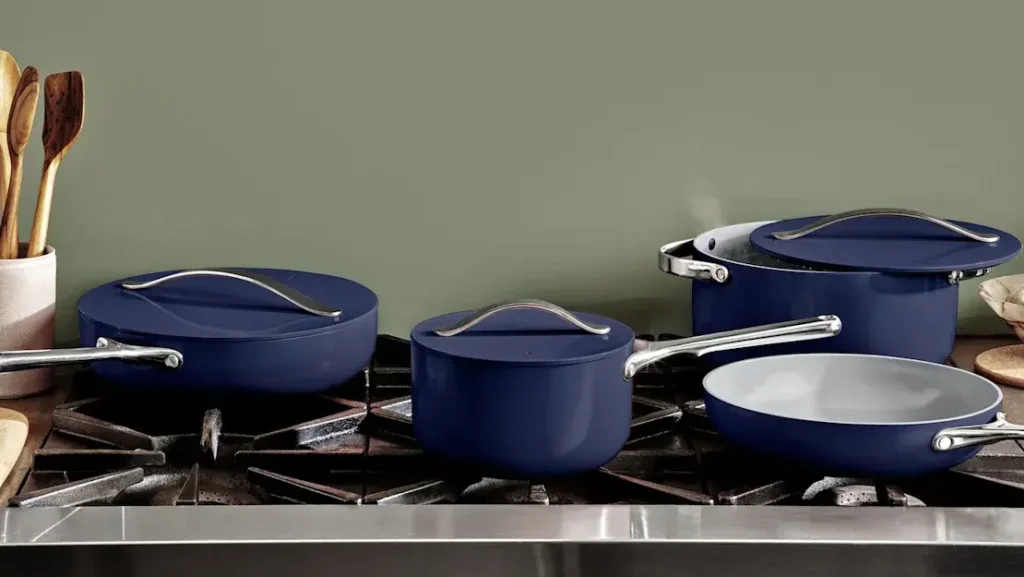
Imagine cooking your favorite meal. The aroma fills the air, and you can almost taste the delicious flavors.
You reach for your trusty ceramic cookware, known for its even heat distribution and non-stick surface. But wait—what utensils should you use to keep your cookware in top shape? Choosing the right utensils can make all the difference in preserving your ceramic cookware’s pristine condition.
Using the wrong tools can lead to scratches, wear, and tear, causing your cookware to lose its non-stick magic over time. You don’t want that, do you? You’ll discover the best utensils for ceramic cookware, ensuring your pots and pans remain in perfect condition for years. This simple change in your kitchen routine can save you money, time, and effort—and keep your meals tasting better than ever. Ready to unlock the secrets of preserving your ceramic cookware? Keep reading to find out how!
:max_bytes(150000):strip_icc()/ses-product-carote-granite-10-piece-nonstick-cookware-set-13-rkilgore-934-2a92a8cf8ae040799aa498dc574b2a3a.jpeg)
Credit: www.thespruceeats.com
Ceramic Cookware Basics
Silicone, wood, and plastic utensils are best for ceramic cookware. These materials prevent scratches and preserve the non-stick surface. Avoid metal utensils to maintain the cookware’s longevity and cooking efficiency.
Ceramic cookware is loved for its non-stick surface and even heat distribution. It brings a stylish touch to any kitchen, making cooking a pleasure. Understanding the basics of ceramic cookware helps you choose the right utensils to use. This ensures your cookware lasts longer and performs well.Understanding Ceramic Cookware
Ceramic cookware is made from clay that is hardened by heat. It is then glazed for a smooth surface. This creates a non-stick layer ideal for cooking. Ceramic is free from harmful chemicals, making it a safe choice. It is also energy-efficient as it heats quickly and retains heat well. Ceramic cookware offers several benefits. It is easy to clean, often requiring just a wipe with a soft sponge. Its non-stick surface reduces the need for cooking oil, promoting healthier meals. The cookware is also versatile, suitable for stovetops and ovens. Its attractive design adds a touch of elegance to your kitchen.Choosing The Right Utensils
Using the correct utensils on ceramic cookware protects its surface. Metal utensils can scratch and damage the non-stick layer. Opt for wooden, silicone, or plastic utensils. These materials are gentle on ceramic surfaces. They help maintain the cookware’s integrity and extend its lifespan. Proper care enhances the longevity of ceramic cookware. Avoid sudden temperature changes to prevent cracking. Always allow the cookware to cool before washing. Use mild soap and soft sponges for cleaning. Avoid harsh scrubbing pads that can harm the surface. Regular maintenance keeps the cookware looking new and performing well.Benefits Of Ceramic Cookware
Choosing the right utensils ensures ceramic cookware lasts longer. Opt for wooden, silicone, or nylon utensils. These materials prevent scratches and maintain the non-stick surface effectively.
Ceramic cookware offers many benefits for your kitchen. It’s gaining popularity for its versatility and health-friendly features. The cookware is non-reactive, meaning it won’t change the taste or smell of your food. Cooking with ceramic also requires less oil, making meals healthier. Its smooth surface ensures easy cleaning after cooking.Eco-friendly Option
Ceramic cookware is an eco-friendly choice. It’s made without harmful chemicals. This means no toxins leach into your food. The production process is also less harmful to the environment.Durable And Long-lasting
Ceramic cookware is built to last. Its tough surface resists scratches and stains. Proper care ensures it remains in good shape for years. This makes it a smart investment for any kitchen.Even Heat Distribution
Ceramic cookware ensures even heat distribution. Your food cooks evenly, reducing the risk of burning. This feature helps achieve perfect results every time.Non-stick Surface
The non-stick surface of ceramic cookware makes cooking easy. Food slides off smoothly without sticking. This reduces the need for excessive oil or fat.Stylish And Versatile
Ceramic cookware adds style to your kitchen. It comes in various colors and designs. It suits any kitchen decor while serving multiple cooking purposes.Ideal Utensil Materials
Silicone, wood, and nylon utensils are perfect for ceramic cookware. These materials prevent scratches and extend the cookware’s life. Avoid metal utensils to keep surfaces smooth and damage-free.
Ceramic cookware offers a sleek and efficient way to cook. Choosing the right utensils is crucial. The wrong materials can scratch and damage the surface. Here, we explore ideal materials for utensils that pair well with ceramic cookware.Silicone Utensils
Silicone utensils are gentle on ceramic surfaces. They resist heat and are flexible. This flexibility prevents scratches and scuffs. Silicone is also non-stick, making cooking smoother. They are easy to clean and often dishwasher safe.Wooden Utensils
Wooden utensils provide a natural touch to cooking. They are sturdy and gentle on ceramic surfaces. Wood does not conduct heat, keeping handles cool. These utensils are durable and long-lasting. They add a rustic charm to your kitchen.Nylon Utensils
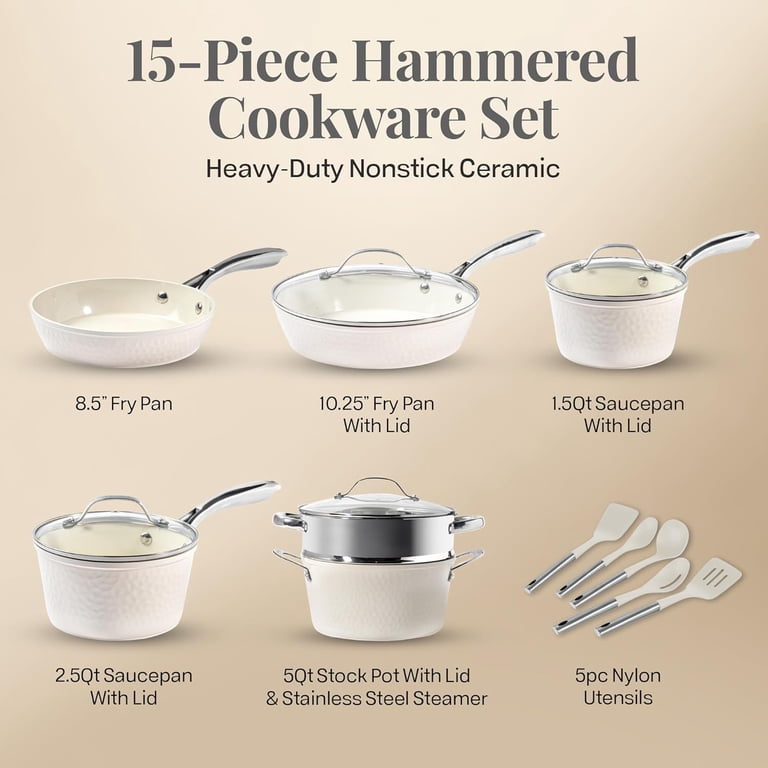
Nylon utensils are lightweight and versatile. They are heat-resistant up to high temperatures. Nylon is gentle and prevents damage to ceramic cookware. These utensils are affordable and widely available. Their smooth surface makes them easy to clean.Utensils To Avoid
Ceramic cookware is a favorite in many kitchens. It’s known for its non-stick surface and ease of use. But not all utensils are safe for it. Using the wrong utensils can damage the ceramic coating. This can reduce the lifespan of your cookware. Let’s dive into which utensils to avoid.
Metal Utensils
Metal utensils are not suitable for ceramic cookware. They can scratch the surface easily. Once scratched, the non-stick feature gets compromised. This means food may stick to the pan. Avoid using metal spoons, forks, or spatulas. They may seem sturdy but can cause harm to the ceramic layer.
Sharp Tools
Sharp tools can be harmful to ceramic cookware. These include knives or metal tongs. They can chip or crack the surface. Once the surface is damaged, it can no longer provide even cooking. Using sharp tools reduces the effectiveness of the non-stick feature. Choose safer options to maintain your cookware’s quality.
Proper Care And Maintenance
Silicone, wooden, or plastic utensils work best on ceramic cookware to prevent scratches. These materials ensure longevity and maintain the smooth surface. Avoid metal utensils as they can damage the ceramic coating.
Proper care and maintenance of ceramic cookware extend its lifespan. It also ensures optimal performance. Using the right utensils is just the start. Knowing how to clean and store your cookware is crucial. This section will guide you on keeping your ceramic cookware in top shape.Cleaning Techniques
Cleaning ceramic cookware requires gentle methods. Avoid abrasive scrubbers. They can scratch the surface. Use a soft sponge instead. Warm, soapy water works well for regular cleaning. For stubborn stains, create a paste with baking soda. Apply it gently to the affected areas. Let it sit for a few minutes. Then wipe it clean with a damp cloth. Always dry your cookware thoroughly before storing.Storage Tips
Proper storage prevents damage to your ceramic cookware. Stack them with care. Place a soft cloth or paper towel between items. This avoids scratches. Avoid stacking heavy items on top. It can cause cracks. Store lids separately to save space and prevent damage. Keep your cookware in a dry place. Moisture can lead to mold or mildew. Proper storage ensures your cookware stays pristine for years.
Credit: www.amazon.com
Common Mistakes
Ceramic cookware offers a seamless blend of beauty and functionality, but getting the best out of it requires careful attention. Many people unknowingly make common mistakes that can affect the longevity and performance of their ceramic pots and pans. It’s important to know what utensils are best suited for ceramic surfaces to avoid these pitfalls.
Common Mistakes In Utensil Choices
One frequent mistake is using metal utensils on ceramic cookware. Metal utensils can scratch and damage the smooth surface of ceramic pots and pans, leading to a compromised cooking experience. If you’ve ever grabbed a metal spoon out of habit, you’re not alone. But those scratches can reduce the non-stick quality of your cookware.
Another mistake is using sharp knives directly on ceramic surfaces. Cutting food in the pan might seem convenient, but it can lead to chips and cracks. You might find yourself wondering why your cookware isn’t as effective as it used to be. Remember, ceramic needs gentle handling to maintain its pristine condition.
Avoiding High Heat
Many home cooks mistakenly use high heat settings when cooking with ceramic cookware. Ceramic is designed to be efficient at lower temperatures, so cranking up the heat is unnecessary and can cause the coating to deteriorate. Have you noticed your cookware losing its vibrant color? It’s probably due to excessive heat exposure.
Ignoring Manufacturer Instructions
Ignoring the manufacturer’s instructions can lead to unnecessary wear and tear. Each ceramic cookware brand might have specific guidelines for care and use. Have you ever skipped reading those tiny instruction booklets? They often contain valuable insights into maintaining your cookware’s lifespan.
Being aware of these common mistakes can save you from the hassle of replacing your cookware prematurely. It’s all about making informed choices—are you ready to treat your ceramic cookware with the care it deserves?
Enhancing Longevity
Using the right utensils protects your ceramic cookware. It helps maintain their pristine condition for years. Avoid using metal utensils, as they can scratch the surface. Opt for wooden, silicone, or plastic alternatives instead. These materials are gentle on the cookware’s surface.
Proper care extends the life of your cookware. Simple practices ensure that your ceramic cookware remains a kitchen favorite.
Regular Inspections
Inspect your cookware often. Look for chips or cracks. These damages can worsen over time. A quick check helps you spot issues early. Early detection can prevent further damage. Keep your cookware in top shape with regular inspections.
Use Of Protective Pads
Stacking cookware can cause scratches. Use protective pads between items. These pads act as a cushion. They prevent direct contact between surfaces. This simple step can avoid unwanted marks. Maintain your cookware’s appearance by using protective pads.
Credit: www.walmart.com
Frequently Asked Questions
What Utensils Are Safe For Ceramic Cookware?
Silicone, wood, and plastic utensils are safe for ceramic cookware. They prevent scratches and maintain the non-stick surface. Avoid metal utensils as they can damage the ceramic coating. Using appropriate utensils extends the lifespan of your cookware and ensures optimal cooking results.
Can Metal Utensils Be Used On Ceramic?
Metal utensils should be avoided on ceramic cookware. They can scratch and damage the non-stick surface. This can lead to reduced performance and durability. Opt for silicone, wood, or plastic utensils to keep your ceramic cookware in top condition.
Are Wooden Utensils Suitable For Ceramic Pots?
Yes, wooden utensils are ideal for ceramic pots. They are gentle on the surface and prevent scratches. Wood is heat-resistant and durable, making it a perfect choice. Using wooden utensils helps preserve the longevity of your ceramic cookware.
Do Silicone Utensils Work Well With Ceramic Cookware?
Silicone utensils are excellent for ceramic cookware. They are flexible, heat-resistant, and prevent scratches. Silicone ensures the non-stick surface remains intact. These utensils are safe and effective, making them a preferred choice for ceramic cookware users.
Conclusion
Choosing the right utensils protects your ceramic cookware. Wooden, silicone, or plastic are best. They prevent scratches and preserve the non-stick surface. Avoid metal utensils; they can damage the finish. Proper care extends the life of your cookware. Clean utensils ensure safe cooking.
Remember, gentle handling keeps your pots and pans in top shape. Invest in quality utensils for lasting benefits. Your meals stay delicious, and your cookware remains pristine. Happy cooking with well-chosen tools! Enjoy the ease and style of ceramic cookware every day.