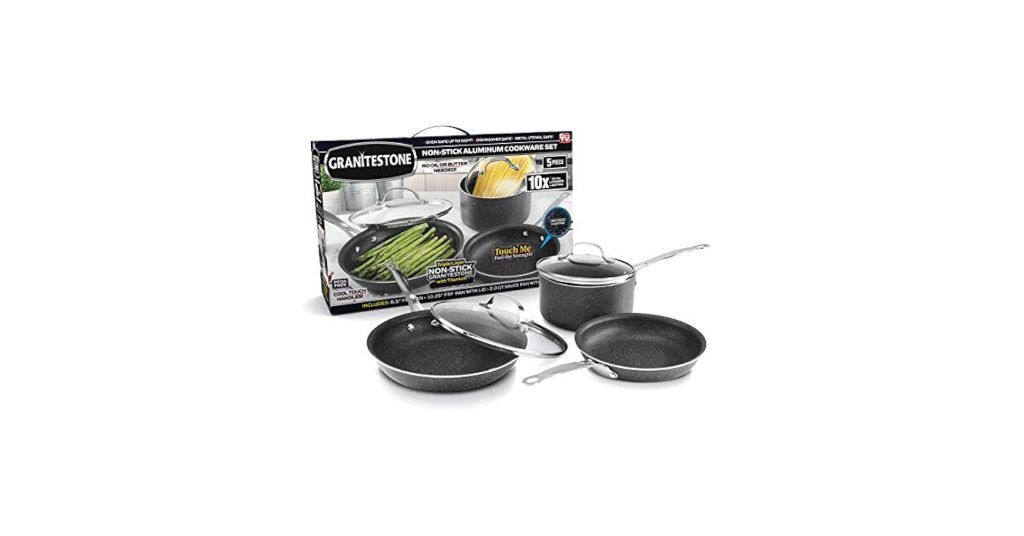
Imagine standing in your kitchen, ready to whip up a delicious meal, but you pause and wonder: is the cookware you’re using truly safe? Granitestone cookware has caught your attention with its sleek design and promises of durability.
But safety is paramount, especially when it comes to preparing food for your loved ones. You might ask yourself, “Is Granitestone cookware safe for my family? ” We’ll dive deep into the materials and manufacturing process of Granitestone cookware to uncover the truth behind its safety claims.
You’ll discover why understanding the safety of your cookware is not just about peace of mind, but about ensuring the health and well-being of those who gather around your table. By the end, you’ll have all the information you need to make an informed decision. Are you ready to feel confident about what’s in your kitchen? Let’s get started!

Credit: www.amazon.com
Granitestone Cookware Overview
Granitestone Cookware uses a non-stick coating free of harmful chemicals like PFOA. Its construction ensures even heat distribution, enhancing cooking safety. Suitable for everyday use, it offers peace of mind to health-conscious cooks.
Granitestone cookware has gained popularity in kitchens worldwide. It boasts durability, non-stick features, and a sleek design. Many home cooks find it appealing for everyday use. Its surface mimics the look of granite, offering a stylish touch to cooking spaces.What Is Granitestone Cookware?
Granitestone cookware consists of aluminum or steel coated with granite-like particles. This coating provides a non-stick surface for cooking. It’s designed to offer even heat distribution, reducing cooking time and improving efficiency.Key Features Of Granitestone Cookware
Granitestone cookware is scratch-resistant and durable. It withstands high temperatures without damage. The non-stick layer ensures food doesn’t stick, making cleaning easy. It’s often lightweight, allowing easy handling in the kitchen.Benefits Of Using Granitestone Cookware
Granitestone cookware requires little to no oil for cooking. This helps in preparing healthier meals. Its non-stick surface reduces food residue. The cookware is usually dishwasher safe, saving time on cleaning.Common Concerns About Granitestone Cookware
Some worry about coating wear over time. Users question if it can chip or flake. Concerns about chemical safety arise, with questions about materials used. Proper care and maintenance are essential for longevity.Materials And Composition
Granitestone cookware combines aluminum with a non-stick coating. This design ensures even heat distribution. Its non-stick layer is PFOA-free, making it safe for cooking.
Granitestone cookware is popular for its durability and non-stick properties. Understanding its materials and composition helps in assessing safety. This cookware is crafted using advanced technology to ensure a safe cooking experience.Core Materials
Granitestone cookware typically features a robust aluminum core. Aluminum is known for its excellent heat conductivity. This material ensures even heat distribution during cooking. The aluminum core is often reinforced with a granite-like coating. This adds strength and durability to the cookware. The granite-like material enhances the aesthetic appeal. It gives the cookware a unique, stone-like appearance. The combination of these materials forms a strong base for the cookware.Non-stick Coating
The non-stick coating is a key feature of Granitestone cookware. It is designed to prevent food from sticking during cooking. This coating is usually made from PTFE, a safe polymer. PTFE is widely used in non-stick cookware for its safety. It allows easy cooking and cleaning without harmful chemicals. The coating is applied in multiple layers for effectiveness. These layers enhance the durability of the non-stick surface. It ensures the cookware lasts longer and performs well.Safety Concerns
Granitestone cookware has become a popular choice in many kitchens, touted for its non-stick capabilities and sleek appearance. However, like any kitchenware, it’s essential to scrutinize its safety aspects before making it a staple in your cooking routine. Let’s dive into some of the critical safety concerns associated with Granitestone cookware.
Chemical Exposure
One of the primary worries about non-stick cookware is the potential release of harmful chemicals. Granitestone cookware is generally free from PFOA, a chemical linked to various health issues. But it’s wise to ensure that the coating remains intact and undamaged.
If you notice scratches or chips on the surface, consider replacing the cookware. Damaged surfaces can expose the underlying layers, potentially releasing unwanted substances into your food. Regular inspection can help maintain the integrity of the coating.
Heat Resistance
How well does Granitestone cookware handle high temperatures? It can withstand considerable heat, but it’s essential to avoid exceeding the manufacturer’s recommended limits. Overheating can compromise the non-stick surface and, in some cases, release fumes.
Have you ever accidentally left a pan on the stove too long? It’s a common mishap, but with Granitestone, keeping an eye on cooking temperatures is vital. Use medium heat settings to preserve the longevity and safety of your cookware.
To sum up, while Granitestone cookware is designed with safety in mind, it’s crucial to use and care for it properly. Being mindful of chemical exposure and heat resistance can ensure a safer cooking experience. Are you confident in your cookware’s safety measures? If not, these tips might just be the recipe for peace of mind in your kitchen.
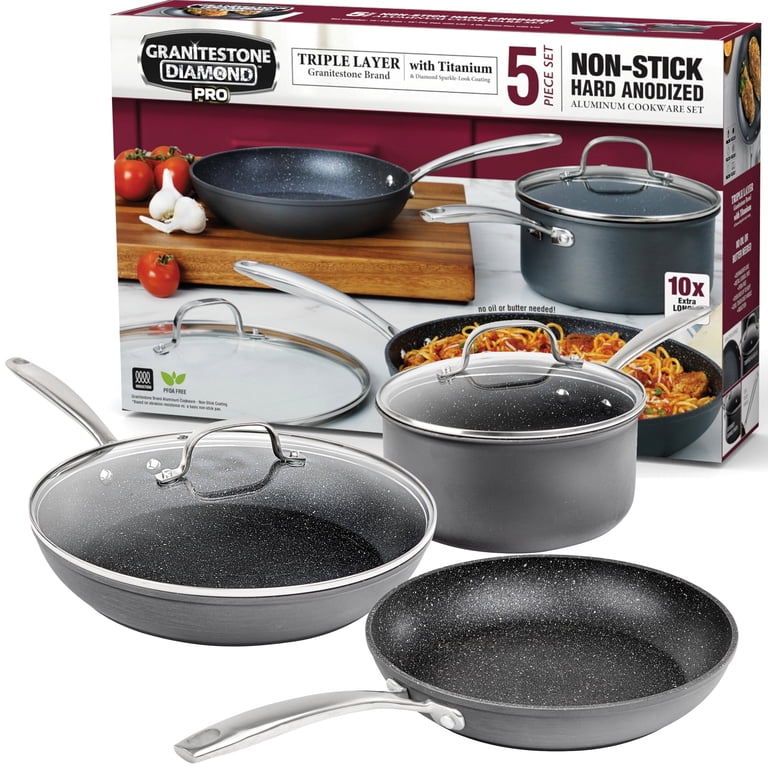
Credit: www.walmart.com
Health Implications
Granitestone cookware is popular for its durability and non-stick qualities. Concerns arise about potential health risks from materials used. Research suggests it’s generally safe when used as directed.
Granitestone cookware is popular in many kitchens. People often wonder about its safety and health implications. Understanding these aspects helps make informed decisions.Potential Risks
Some granitestone cookware contains chemicals like PTFE. These can release fumes when overheated. Breathing these fumes might cause health issues. Some cookware may also contain PFOA. PFOA exposure is linked to health concerns. It’s important to check the cookware label. Ensure it is free from harmful chemicals.Benefits
Granitestone cookware offers several health benefits. It usually requires less oil for cooking. This means fewer calories in meals. The non-stick surface makes cooking easier. Food doesn’t stick, reducing the risk of burning. This ensures more nutrients remain in the food. Granitestone is also durable. It doesn’t scratch or chip easily, ensuring no harmful particles mix with food.Consumer Reviews
Granitestone cookware is popular for its durability and non-stick surface. Many consumers question its safety due to mixed reviews. Some users express concerns about chemicals, while others praise its performance and ease of use.
Consumer reviews are a treasure trove of insights when deciding whether Granitestone cookware is the right choice for your kitchen. They offer real-world experiences that go beyond the marketing claims. Understanding both the positive and negative feedback can help you make an informed decision.Positive Feedback
Many users rave about the non-stick capabilities of Granitestone cookware. It’s a dream come true for those who dread scrubbing pans after a hearty meal. The ease of cleaning is often highlighted, with users mentioning that food slides right off, making washing a breeze.
Another aspect that garners praise is the durability. Consumers appreciate how the cookware withstands frequent use without signs of wear and tear. This resilience adds value, especially if you’re someone who cooks daily.
Some users share their delight with the aesthetic appeal of Granitestone pots and pans. They often mention how the sleek design complements their kitchen decor, adding a touch of elegance. Are you looking for functionality with a touch of style? Granitestone might tick that box.
Negative Feedback
Despite the positives, some users report issues with the longevity of the non-stick surface. After extended use, there are mentions of the coating wearing off, leading to food sticking to the pan. This can be frustrating if you expect long-lasting performance.
Another common gripe is the weight. For some, the cookware feels heavier than expected, making it cumbersome to handle. If you prefer lightweight options, this might be a factor worth considering.
Price is another point of contention. While some find the cost justified by the quality, others feel it’s on the higher side for what they receive. Does the price match the value you expect from cookware?
In the end, your experience with Granitestone cookware might depend on what you value most in your kitchen essentials. Are you willing to trade off some durability for a non-stick surface? Or do you prioritize design over weight? The reviews offer a mixed bag, but they can guide you in making the choice that aligns with your cooking needs.
Comparisons With Other Cookware
Choosing the right cookware is essential for safe cooking. Granitestone cookware is popular but how does it compare? Let’s see how it stacks up against ceramic and Teflon cookware.
Ceramic Cookware
Ceramic cookware is known for its non-stick properties. It is free from harmful chemicals like PTFE and PFOA. These are often found in non-stick coatings. Ceramic is a safe choice for health-conscious individuals. It can handle high temperatures without releasing toxins. However, ceramic can chip easily if not handled with care.
Teflon Cookware
Teflon cookware is famous for its non-stick surface. It makes cooking and cleaning easy. But, it can release harmful fumes if overheated. This is a concern for many users. Teflon is not recommended for high-heat cooking. Over time, the non-stick coating can wear off. This can lead to food sticking and potential health risks.
Maintenance And Care Tips
Granitestone cookware is generally safe with proper maintenance. Regular cleaning and avoiding metal utensils can prolong its life. Ensuring low to medium heat during cooking helps prevent damage and maintains its non-stick properties.
Maintaining and caring for your Granitestone cookware is essential. It ensures durability and safety. Proper maintenance keeps your cookware looking new and functioning well. Follow these simple tips to get the best from your Granitestone cookware.Cleaning Guidelines
Wash your Granitestone cookware with mild soap. Use a soft sponge. Avoid abrasive scrubbers as they can damage the surface. Rinse thoroughly to remove soap residue. Dry immediately with a soft cloth to prevent water spots. For stubborn stains, soak in warm soapy water. Gently scrub with a non-abrasive pad.Proper Storage
Store your Granitestone cookware properly to avoid damage. Stack pots and pans carefully. Use a soft cloth or paper towel between them. This prevents scratches. Store lids separately to save space. Ensure your storage area is dry to prevent moisture buildup. Keep handles and lids facing out for easy access.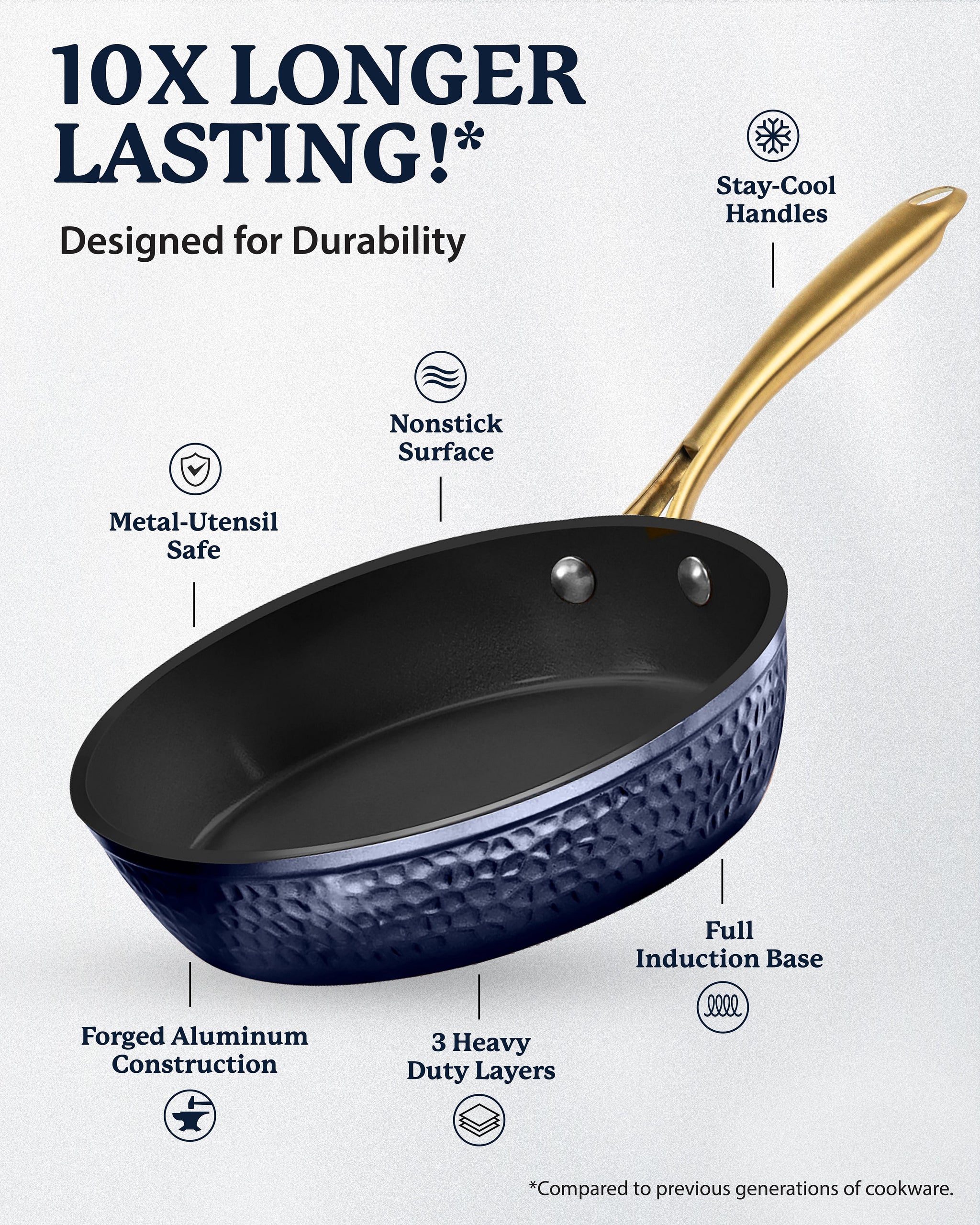
Credit: granitestone.com
Expert Opinions
Experts say Granitestone cookware is generally safe for cooking. It features a non-stick surface free from harmful chemicals. Proper use and care ensure its safety in daily cooking.
Exploring the safety of Granitestone cookware involves listening to what the experts have to say. Opinions from culinary professionals, health experts, and seasoned chefs can provide valuable insights into the practical use and potential health impacts of using this type of cookware. These expert opinions shed light on whether Granitestone cookware is a safe choice for your kitchen.What Do Health Experts Say?
Health experts emphasize the importance of using non-toxic cookware to avoid exposure to harmful chemicals. Granitestone cookware is generally praised for its non-stick coating that is free from PFOA and PFOS. This makes it a safer option compared to traditional non-stick pans, which often contain these harmful substances.Chefs Weigh In On Performance
Chefs appreciate Granitestone cookware for its durability and even heat distribution. Many report that the cookware performs well in professional kitchens, standing up to regular use without chipping or losing its non-stick properties. The ease of cleaning is another highlight, allowing chefs to focus more on cooking and less on scrubbing pans.Consumer Safety Concerns
Some users express concern about the long-term safety of non-stick coatings. Experts suggest regularly inspecting cookware for scratches and wear, as damaged coatings can pose health risks. If you notice significant wear and tear, it might be time to replace your cookware to ensure safety.Environmental Impact Considerations
Environmental experts suggest considering the environmental impact of cookware production. Granitestone’s commitment to producing PFOA-free products is a step in the right direction. Opting for cookware made with environmentally friendly processes can contribute positively to your carbon footprint. Engaging with these expert opinions can guide you in making informed decisions about your cookware choices. Have you evaluated the safety and performance of your kitchen tools recently? Making small changes can lead to healthier cooking habits and a safer kitchen environment.Frequently Asked Questions
Is Granitestone Cookware Non-toxic?
Granitestone cookware is generally considered non-toxic. It is made from aluminum and coated with a layer of granite stone. This coating is free from PFOA and PTFE, ensuring safe cooking. However, always ensure proper usage to avoid any potential health risks.
Can Granitestone Cookware Be Used On All Stove Types?
Granitestone cookware is versatile and can be used on most stove types, including gas and electric. It is not suitable for induction cooktops unless specified by the manufacturer. Always check compatibility with your stove type before purchase for optimal performance.
How Durable Is Granitestone Cookware?
Granitestone cookware is known for its durability. The granite coating provides excellent resistance to scratches and wear. Proper care, like using non-metal utensils, can prolong its lifespan. Regular maintenance ensures the cookware remains in top condition for years of use.
Does Granitestone Cookware Require Special Care?
Granitestone cookware requires minimal special care. It’s generally dishwasher safe, but hand washing is recommended to preserve its coating. Avoid using abrasive cleaners and metal utensils to prevent damage. With proper care, the cookware maintains its non-stick properties effectively.
Conclusion
Granitestone cookware offers a safe option for your kitchen needs. Its non-stick surface makes cooking and cleaning easy. The absence of harmful chemicals provides peace of mind. Many users appreciate its durability and stylish design. Always follow the manufacturer’s instructions for best results.
Regular inspection ensures your cookware remains in top condition. Consider your cooking habits when choosing cookware. Granitestone could be a valuable addition to your kitchen. Safety and convenience make it a popular choice. Explore options that suit your cooking style and needs.
Enjoy cooking with confidence and ease.