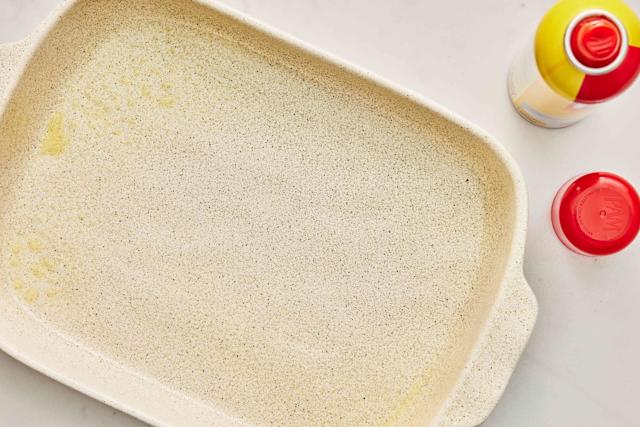
Imagine preparing to bake your favorite cake or cookies. You’ve got all your ingredients set, the batter is mixed to perfection, and you’re ready to pour it into your silicone bakeware.
But then, you pause. Should you use cooking spray on that silicone surface? It’s a simple question, yet one that holds the key to ensuring your baked goods turn out flawlessly, without sticking or compromising their delicious texture. You might be tempted to reach for that can of spray, but is it truly necessary?
Or could it even be detrimental? Understanding the best practices for using silicone bakeware can transform your baking experience, saving you time and ensuring your treats come out perfectly every single time. Stick around to uncover the secrets of silicone bakeware, and make your baking sessions as smooth and successful as you’ve always dreamed.
Silicone Bakeware Basics
Silicone bakeware has become a staple in many kitchens, offering a flexible and convenient option for baking enthusiasts. But do you really know the basics of this colorful and versatile kitchen tool? Understanding silicone bakeware can enhance your baking experience, potentially saving time and effort. Let’s dive into what makes silicone bakeware a go-to choice for many home bakers.
Material Properties
Silicone is a synthetic polymer made from silicon, oxygen, and other elements. It is non-toxic, which makes it safe for use in cooking. One of its standout features is its flexibility, allowing you to easily pop out baked goods without the need for greasing.
Unlike metal pans, silicone bakeware doesn’t rust or stain, and it’s resistant to extreme temperatures. You can use it in the oven, microwave, freezer, and dishwasher without worrying about damage. However, it’s essential to check the manufacturer’s instructions for temperature limits.
Silicone is non-stick by nature, which raises the question: do you need to use cooking spray? This depends on your recipe. Some batters might stick slightly, so a light spray can ensure a smooth release. What has been your experience with silicone bakeware?
Common Uses
Silicone bakeware is incredibly versatile, used for baking cakes, muffins, and breads. It’s also great for making gelatin molds or chocolate shapes due to its easy release properties. Consider trying it for non-traditional uses like freezing herbs in oil or making ice cubes.
For bakers who enjoy experimenting, silicone bakeware can be a fun tool. You can find molds in various shapes and sizes, inspiring creativity in your kitchen. Have you tried using silicone molds for savory dishes like quiche or lasagna?
The ease of cleaning is another reason why many opt for silicone bakeware. It’s dishwasher safe, meaning you can skip the tedious scrubbing post-baking. How does this convenience impact your baking frequency?
Silicone bakeware basics are simple yet pivotal to unlocking its full potential in your kitchen. Understanding these foundational elements can lead to better baking and more enjoyable culinary adventures.
Credit: kitchenpluse.com
Benefits Of Silicone Bakeware
Silicone bakeware has become a popular choice among home bakers and professional chefs alike. Its unique properties offer a range of benefits that make baking easier and more enjoyable. Whether you’re making muffins, cakes, or bread, silicone bakeware can provide a hassle-free experience that traditional metal or glass bakeware simply cannot match.
Non-stick Qualities
One of the standout benefits of silicone bakeware is its non-stick nature. You might wonder if you need to use cooking spray, but often, you can skip it entirely. Imagine effortlessly releasing your perfectly baked cake without any tearing or sticking. The smooth surface of silicone means less residue, making cleanup a breeze. Have you ever struggled with a stubborn muffin that refuses to leave the pan? Silicone eliminates that headache.
Heat Resistance
Silicone bakeware is remarkably heat resistant, standing strong in temperatures up to 500°F. This durability means you can confidently use it in both ovens and microwaves without concern. Picture baking cookies in the oven and then directly transferring the bakeware to the microwave for a quick reheat. This versatility saves time and energy, especially for busy cooks juggling multiple dishes. Are you concerned about bakeware warping under high heat? Silicone remains stable, offering consistent results with every bake.
Role Of Cooking Spray
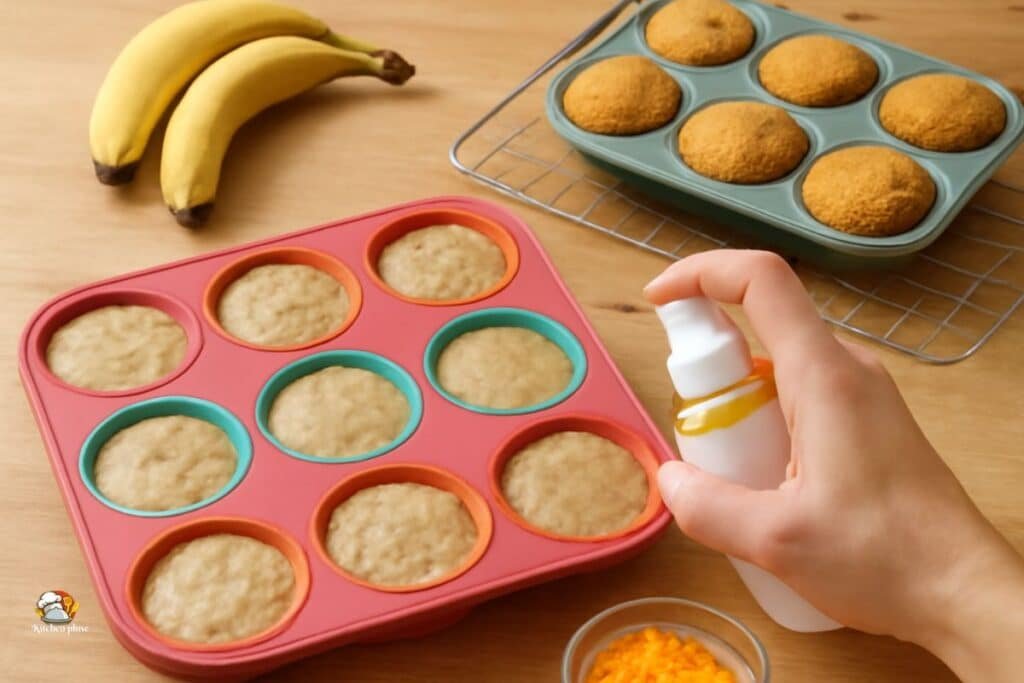
Using cooking spray on silicone bakeware can make food release easier. It provides a non-stick surface, preventing baked goods from sticking. This helps with cleaning and maintaining the quality of your bakeware.
Cooking spray is often seen as a kitchen staple, but its role in baking, particularly with silicone bakeware, can be somewhat misunderstood. Many people wonder whether they should use it at all. The truth is, understanding the role of cooking spray can enhance your baking experience and help you achieve the best results.Purpose And Function
Cooking spray primarily serves as a non-stick agent. It creates a thin, even layer that prevents food from clinging to surfaces. This is especially useful in traditional metal bakeware, where sticking is a common issue. However, silicone bakeware is naturally non-stick. This means you often don’t need to use cooking spray. Yet, some bakers prefer an added layer of assurance, particularly when dealing with intricate molds or sticky batters. Do you ever find that even silicone can leave a stubborn residue? A light mist of cooking spray can help. It ensures that your baked goods release smoothly, preserving the intricate details of your shapes and designs.Common Ingredients
Cooking sprays typically contain a blend of oil, lecithin, and propellants. The oil provides the non-stick surface. Lecithin, a natural emulsifier, helps the oil coat the surface evenly. Most sprays use canola or soybean oil, but you can find olive oil or coconut oil varieties for different flavors. The choice of oil can affect the taste and aroma of your baked goods. Propellants, like nitrous oxide, help disperse the spray in a fine mist. This ensures a uniform coating without pooling, which could otherwise affect the texture of your bakes. Have you experimented with different types of cooking spray? Finding the right one can be a small change with a big impact on your baking results.
Credit: www.facebook.com
When To Use Cooking Spray
Cooking spray is not needed on silicone bakeware due to its natural non-stick properties. Using it might cause a sticky residue over time. For best results, simply clean silicone bakeware thoroughly after each use.
Using cooking spray on silicone bakeware is a topic that often puzzles both novice and experienced bakers. While silicone bakeware is known for its non-stick properties, there are times when a little extra help is needed. Understanding when to reach for that can of cooking spray can make the difference between a perfect bake and a sticky situation.Specific Scenarios
Imagine baking a delicate cake with intricate patterns. You might worry whether the cake will release cleanly from the mold. In this scenario, using a light mist of cooking spray can ensure those beautiful details remain intact. When you’re baking for a special occasion, you want everything to go smoothly. If you’ve ever had a batch of muffins stick to their molds, you know how frustrating it can be. A quick spray can save the day and your sanity.Types Of Recipes
Certain recipes benefit from a touch of cooking spray, especially those with sticky ingredients. Baking something with gooey caramel or sticky syrup? A light coating of spray can prevent a sticky disaster. Consider recipes with high sugar content, like cookies with chocolate chips or caramel bits. The extra sugar can cause sticking even with silicone bakeware. A bit of cooking spray can ensure your baked treats slide right out. Next time you bake, ask yourself: Could a little spray help here? Making the right choice can elevate your baking game and keep your creations intact.Potential Downsides
Silicone bakeware offers a non-stick surface, making baking easy. But using cooking spray on silicone bakeware can bring potential downsides. Understanding these drawbacks helps in maintaining the quality of your bakeware.
Residue Build-up
Cooking spray can leave a sticky residue on silicone surfaces. This residue can be tough to clean. Over time, it may affect the non-stick properties. Frequent use of spray leads to more residue, making cleaning a chore.
Residue build-up can affect the taste of baked goods. It might even transfer unwanted flavors. Regular cleaning helps, but prevention is key. Avoiding cooking spray ensures your bakeware stays fresh and clean.
Impact On Bakeware Longevity
Silicone bakeware is designed to last. Cooking spray might shorten its lifespan. The oils in spray can degrade the silicone material. This wear and tear can lead to early damage. Scratches or discoloration might appear.
Maintaining bakeware longevity requires care. Using alternative methods keeps silicone intact. Proper cleaning and storage play crucial roles. Protecting your bakeware ensures it serves you well for years.
Expert Recommendations
Silicone bakeware usually doesn’t need cooking spray due to its non-stick properties. Excessive spray can cause residue build-up, affecting the surface. Expert advice suggests using cooking spray sparingly if needed, ensuring easy clean-up and maintaining bakeware quality.
Cooking spray on silicone bakeware can be a topic of debate. Many home bakers wonder if it’s necessary or even beneficial. Expert recommendations provide clarity. They offer insights into optimal baking practices. Learn from professionals and explore alternative methods.Professional Baker Insights
Professional bakers often avoid using cooking spray on silicone. They believe it isn’t needed. Silicone bakeware is naturally non-stick. It rarely requires additional greasing. Using spray can leave a residue. This might affect the appearance and taste of baked goods. Instead, they suggest cleaning silicone well. Keeping it clean helps maintain its non-stick properties.Alternative Methods
Several alternatives exist for preparing silicone bakeware. Here are some popular options:- Lightly dust with flour for sticky batters.
- Use a small amount of melted butter.
- Try parchment paper for easy removal.
Care Tips For Silicone Bakeware
Cooking spray is often unnecessary for silicone bakeware due to its natural non-stick properties. Using spray may lead to sticky residue buildup over time. Instead, gently wash with warm, soapy water to maintain its smooth surface.
Care Tips for Silicone Bakeware Silicone bakeware offers convenience and durability in the kitchen. It requires proper care to maintain its performance. Regular cleaning and proper storage extend its lifespan. Let’s explore essential care tips.Cleaning Techniques
Silicone bakeware is easy to clean. Follow these simple steps:- Wash with warm, soapy water after each use.
- Use a soft sponge to avoid scratches.
- Rinse thoroughly to remove soap residue.
- For stubborn stains, soak in a mix of baking soda and water.
- Avoid abrasive cleaners to prevent damage.
Storage Advice
Proper storage preserves silicone bakeware’s shape and functionality.- Ensure bakeware is completely dry before storing.
- Store flat in a cool, dry place to avoid warping.
- Avoid stacking heavy items on top.
- Roll smaller pieces to save space.
- Keep away from direct sunlight to prevent fading.

Credit: www.facebook.com
Common Misconceptions
Using cooking spray on silicone bakeware is a topic that brings a lot of confusion to the table. Many people believe they understand the nuances of these modern kitchen tools, but common misconceptions can lead to less-than-perfect baking results. Let’s clear up some of these misunderstandings and help you make better use of your silicone bakeware.
Myths About Non-stick Properties
Silicone bakeware is often advertised as non-stick. However, this doesn’t mean your baked goods will always slide out effortlessly. Many assume that because it’s silicone, no extra greasing is needed, but that’s not always the case.
In reality, while silicone bakeware is less likely to stick compared to metal or glass, some foods, especially those high in sugar, can still cling. A light coat of cooking spray can make the difference between a perfect release and a frustrating mess.
Misunderstandings On Usage
Another common misunderstanding is how and when to use cooking spray. You might think using it every time is necessary, but that’s not true. Silicone bakeware often requires a break-in period where sticking issues reduce over time.
Consider your recipe. If you’re baking something delicate like a cake or bread, using cooking spray may be beneficial. On the other hand, if you’re making cookies or muffins, the natural properties of silicone might be enough.
Think about your own baking experiences. Have you ever had a cake that wouldn’t budge from the pan? Next time, try using a touch of spray on your silicone bakeware and see if it makes a difference. Always adapt based on what works best for your unique kitchen adventures.
Frequently Asked Questions
Is Cooking Spray Necessary For Silicone Bakeware?
No, silicone bakeware is naturally non-stick, so cooking spray is not necessary. However, using it can enhance the non-stick properties and make cleanup easier. If you prefer to avoid extra oil, you can skip the spray.
Can Cooking Spray Damage Silicone Bakeware?
Cooking spray generally does not damage silicone bakeware. It’s designed to withstand high temperatures. However, excessive buildup over time can cause a sticky residue. Regular cleaning can prevent this issue. Always check the manufacturer’s instructions for specific care tips.
What Are Alternatives To Cooking Spray For Silicone?
Alternatives to cooking spray include brushing with melted butter or oil, or using parchment paper. These methods can also enhance the non-stick surface. Choose based on your preference and dietary needs for the best results.
Does Silicone Bakeware Need Greasing?
Silicone bakeware doesn’t typically need greasing due to its non-stick properties. However, greasing can be beneficial for intricate molds. It ensures easier release and preserves the shape of baked goods.
Conclusion
Silicone bakeware offers convenience and ease in the kitchen. It’s non-stick nature often eliminates the need for cooking spray. This helps preserve its surface and ensures better results. Using cooking spray might lead to a sticky buildup. This can affect your baking experience.
Many find that the natural non-stick properties are enough. Always check the manufacturer’s guidelines. These can provide specific recommendations. Experiment with your baking routine to find what works best. Enjoy hassle-free baking with silicone bakeware. Keep it clean and maintain its quality for long-lasting use.