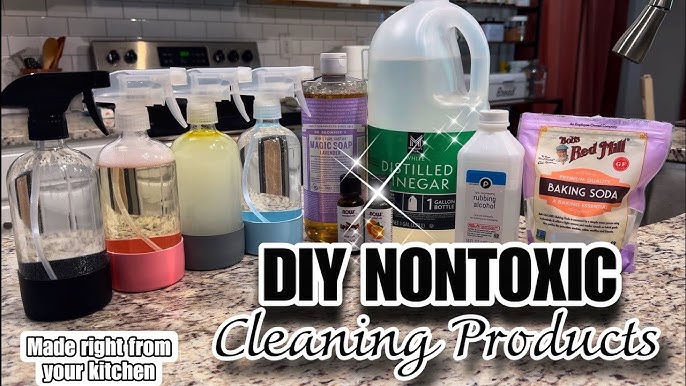
Have you ever found yourself scrubbing away at stubborn kitchen stains, only to feel frustrated with cleaners that just don’t cut it? You’re not alone.
The quest for a good kitchen cleaner can often feel overwhelming, with endless choices and mixed results. But what if you could create a powerful cleaner using simple ingredients already in your home? Imagine a cleaner that leaves your kitchen sparkling without the harsh chemicals and high costs.
You have the power to transform your cleaning routine and make your kitchen shine like never before. This article will guide you step-by-step on how to make a good kitchen cleaner that’s effective, eco-friendly, and wallet-friendly. Get ready to discover the secret to a spotless kitchen and reclaim your time and peace of mind.
Benefits Of Diy Kitchen Cleaners
Creating DIY kitchen cleaners provides an eco-friendly and cost-effective solution. These homemade concoctions often use simple ingredients like vinegar and baking soda, ensuring a safer cleaning process for your kitchen surfaces. Plus, they allow you to customize scents and formulas according to personal preferences.
Making your own kitchen cleaner can be a game-changer. Not only does it save money, but it also offers a sense of control over what you’re using in your home. With DIY cleaners, you get to decide the ingredients, ensuring they’re safe and effective. As someone who once spilled a store-bought cleaner on my favorite shirt, I can attest to the importance of knowing what’s inside your products. Plus, creating your own cleaner can be surprisingly satisfying—kind of like crafting your own secret formula.Cost-effective Solution
Creating your own kitchen cleaner can significantly cut down on expenses. Store-bought cleaners often come with a hefty price tag, especially if you opt for eco-friendly brands. By mixing basic ingredients such as vinegar and baking soda, you can achieve a powerful clean without breaking the bank. Imagine what you could do with the savings—perhaps a small kitchen upgrade or a new set of cookware! DIY kitchen cleaners can reduce your carbon footprint. Many commercial cleaners come in plastic packaging that contributes to environmental waste. By using reusable spray bottles and natural ingredients, you’re making a conscious choice to help the planet. Think about the impact of every bottle you don’t throw away.Safe For Your Family
When you make your own cleaner, you can avoid harsh chemicals that might pose risks to your family’s health. Synthetic fragrances and additives can trigger allergies or skin irritations. Opting for natural ingredients provides peace of mind, knowing your kitchen surfaces are safe for everyone, including pets and children.Customizable To Your Needs
DIY cleaners allow you to tailor the formula to your specific needs. Whether you prefer a citrus scent or need something stronger for tough grease, you have the flexibility to adjust. Have you ever wanted a cleaner that doubles as a deodorizer? Now you can make it happen. Experiment with essential oils or different ratios to find your perfect mix.Empowering And Fun
There’s something empowering about concocting your own cleaning solution. It’s a small act of independence that can make household chores more enjoyable. The process itself can be fun—mixing, trying new ingredients, and testing results. Who knew cleaning could be a creative endeavor? Consider trying a DIY cleaner and discover the benefits firsthand. What could you gain from this practical switch?
Credit: food52.com
Essential Ingredients
Creating a good kitchen cleaner starts with the right ingredients. They ensure effectiveness, safety, and a pleasant aroma. Let’s explore these essential components.
Natural Cleaning Agents
Natural ingredients help clean without harsh chemicals. Vinegar is a popular choice. It cuts through grease and grime. Baking soda is another versatile cleaner. It neutralizes odors and lifts stains. Lemon juice adds a fresh scent and has antibacterial properties. These natural agents are safe and effective for kitchen cleaning.
Fragrant Additives
Adding a pleasant scent can enhance your cleaning experience. Essential oils are great for this purpose. Lavender offers a calming fragrance. Tea tree oil has a fresh, clean smell. Both have antibacterial qualities. Citrus oils like orange or lemon add zest to your cleaner. A few drops can make your kitchen smell wonderful.
Safety Considerations
Safety is key when making a cleaner. Always label your homemade solutions clearly. Keep them out of children’s reach. Test new cleaners on small areas first. This checks for any unwanted reactions. Use gloves if you have sensitive skin. Ensure good ventilation during cleaning. This keeps the air fresh and free from strong odors.
Simple Recipes
Keeping your kitchen clean doesn’t have to be a chore. With simple recipes, you can create effective cleaners using common household ingredients. These DIY cleaners are not only cost-effective but also environmentally friendly. Let’s explore some easy-to-make kitchen cleaners that tackle everyday messes.
All-purpose Cleaner
This cleaner is versatile and easy to make. You’ll need:
- 1 cup of water
- 1 cup of white vinegar
- 1 tablespoon of baking soda
- 10 drops of essential oil (optional for fragrance)
Mix water and vinegar in a spray bottle. Add baking soda slowly. The mixture will fizz, so do it carefully. Add essential oil for a pleasant scent. Shake gently before use. Spray on surfaces and wipe with a cloth.
Degreaser Solution
Grease can be stubborn, but this solution helps. Gather these ingredients:
- 1 cup of warm water
- 1 tablespoon of dish soap
- 1 tablespoon of baking soda
- 1 tablespoon of vinegar
Combine warm water and dish soap in a bowl. Add baking soda and vinegar. Stir until it forms a uniform mixture. Apply to greasy areas with a sponge. Let it sit for a few minutes, then scrub and rinse.
Stain Removal Paste
For tough stains, this paste works wonders. You’ll need:
- 2 tablespoons of baking soda
- 1 tablespoon of hydrogen peroxide
- 1 tablespoon of water
Mix baking soda and hydrogen peroxide in a small bowl. Add water to form a paste. Apply the paste to stains using a cloth. Let it sit for 10 minutes, then scrub gently. Rinse with water and dry the area.
Mixing Techniques
Creating an effective kitchen cleaner involves mixing simple ingredients. Combine vinegar and baking soda for powerful cleaning action. Add a few drops of essential oil for a fresh scent.
Mixing techniques are essential in creating an effective kitchen cleaner. Crafting the perfect blend requires precision and care. Using the right ratios and storage methods ensures your cleaner works efficiently and lasts longer. Let’s dive into the key aspects of mixing your kitchen cleaner.Proper Ratios
Understanding the balance of ingredients is vital. Too much of one element can reduce effectiveness. Begin with equal parts of vinegar and water for a simple mix. Vinegar cuts through grease and grime easily. Add a few drops of essential oil for a pleasant scent. Lemon and lavender are popular choices. Combine these in a spray bottle, shaking well before each use.Storage Tips
Proper storage extends the life of your cleaner. Use airtight containers to prevent evaporation. Dark glass bottles protect the solution from light damage. Label each bottle with the date and ingredients. Keep out of reach of children and pets for safety. Store in a cool, dry place for optimal preservation. Rotate your stock regularly to ensure freshness.Application Methods
Combine vinegar and water in a spray bottle. Apply generously to kitchen surfaces. Wipe with a clean cloth.
Cleaning the kitchen might not be your favorite task, but applying a good kitchen cleaner effectively can make it much easier and more satisfying. The right application method is crucial for ensuring that your homemade cleaner works efficiently without damaging surfaces. It’s essential to understand the nuances involved in cleaning different kitchen surfaces and select the appropriate tools to achieve the best results. Let’s dive into some practical application methods to enhance your cleaning routine.Surface-specific Guidelines
Different surfaces in your kitchen require unique care. For example, stainless steel appliances benefit from a gentle touch. Use a soft microfiber cloth to prevent scratches and follow the grain of the steel. In contrast, countertops made of granite or marble need a pH-neutral cleaner to avoid etching. Always test your cleaner on a small, hidden area to ensure compatibility. For wooden surfaces, less is more. Lightly mist your cleaner and wipe with a dry cloth to prevent warping. Laminate surfaces are generally more forgiving, but avoid soaking them to maintain their integrity. Remember, the key is matching the cleaner’s strength and method to the surface at hand.Tools And Equipment
The right tools can make a world of difference in cleaning efficiency. A variety of cloths, such as microfiber, cotton, and disposable wipes, should be part of your arsenal. Microfiber is perfect for streak-free finishes, while cotton is great for general cleaning. Disposable wipes can be handy for quick spot cleaning. Consider investing in a good spray bottle. Adjustable nozzles allow you to control the spray pattern, from a fine mist to a direct stream. This control helps you apply the cleaner precisely where needed, minimizing waste. Scrub brushes of various sizes can tackle stubborn grime. A toothbrush is surprisingly effective for reaching tight spaces. For larger areas, a long-handled brush can save your back and knees. Are you using the right tools for your kitchen cleaning tasks, or is it time to upgrade your toolkit?
Credit: www.instagram.com
Safety Precautions
Ensure proper ventilation when mixing ingredients to avoid inhaling fumes. Wear gloves to protect your skin from harsh chemicals. Keep cleaning solutions away from children and pets.
When creating a good kitchen cleaner, safety precautions are essential. Proper safety measures ensure your health while cleaning. Always prioritize safety to prevent accidents and injuries.Protective Gear
Wearing protective gear is crucial. Always use gloves to protect your hands. Gloves prevent skin irritation from cleaning chemicals. Safety goggles are also important. They shield your eyes from splashes. Long-sleeved clothing can protect your arms. Choose clothes you don’t mind getting dirty. Aprons provide extra protection and keep your clothes clean.Ventilation Needs
Proper ventilation is vital while cleaning. Open windows to allow fresh air circulation. Fresh air reduces the concentration of fumes. You can also use fans to improve airflow. Fans help in dispersing strong odors. Never underestimate the power of ventilation. It keeps your cleaning environment safe and comfortable.Environmental Impact
Creating a good kitchen cleaner involves using natural ingredients. This reduces harmful environmental impacts and promotes sustainability. Opt for vinegar and baking soda to create effective, eco-friendly solutions.
The environmental impact of kitchen cleaners is significant. Traditional cleaners often contain harsh chemicals. These chemicals harm ecosystems and water sources. Making a good kitchen cleaner at home can reduce this impact. It uses natural ingredients that are biodegradable. This change benefits the environment and your health.Eco-friendly Benefits
Homemade kitchen cleaners use natural ingredients like vinegar and lemon. These ingredients are biodegradable and non-toxic. They don’t pollute water or soil. Eco-friendly cleaners ensure safer disposal. They reduce the risk of chemical contamination. Your kitchen stays clean and fresh without harming the planet.Reducing Waste
Making your own cleaner reduces packaging waste. Store-bought cleaners come in plastic bottles. These bottles contribute to landfill waste. Homemade cleaners use reusable containers. You can refill them as needed. This practice minimizes plastic usage. You’ll help decrease the demand for single-use plastics.
Credit: www.youtube.com
Cost-effectiveness
Creating a cost-effective kitchen cleaner involves mixing everyday items. Combine vinegar, baking soda, and water. This simple mixture effectively cleans surfaces without harsh chemicals, saving money and ensuring a safe kitchen environment.
Making your own kitchen cleaner isn’t just a fun DIY project; it’s a smart financial decision. Store-bought cleaners can quickly add up, cutting into your budget. Creating a homemade solution not only saves money but also allows you to control the ingredients, ensuring safety and effectiveness.Assess Your Current Expenses
Take a look at how much you’re spending on commercial kitchen cleaners. A typical household might purchase multiple products for different surfaces—countertops, stovetops, and appliances. Calculate the annual cost and consider how much you could save by switching to homemade alternatives.Choose Affordable Ingredients
Common household items like vinegar, baking soda, and lemon juice are budget-friendly and highly effective. A bottle of vinegar can cost less than a dollar and last for months. Baking soda is another multi-purpose ingredient that’s both affordable and versatile.Compare Effectiveness
You might wonder if a homemade cleaner can really stand up to commercial products. The answer is yes! Vinegar is great for cutting grease, while baking soda tackles tough stains. Personal experience has shown that these ingredients can handle most kitchen messes without the harsh chemicals.Batch Your Cleaner For Savings
Make larger batches of your cleaner to save even more money. Store it in a spray bottle for easy access. This not only stretches your dollar further but also reduces plastic waste, making it an eco-friendly choice.Evaluate Long-term Benefits
Consider the long-term financial benefits of making your own cleaner. What would you do with the money saved over several years? Perhaps it could go towards a kitchen upgrade or a fun family outing. The possibilities are endless when you start saving with simple swaps like this. In what ways have you found savings in your household routine? Creating a homemade kitchen cleaner might just be the first step in a more budget-conscious lifestyle.Common Mistakes
Using harsh chemicals can damage surfaces and health. Ignoring proper mixing ratios leads to ineffective cleaning solutions.
Common Mistakes in making a good kitchen cleaner can lead to less effective results. Many people think they are using the best methods, but simple errors can reduce the cleaner’s power. Understanding these common mistakes can help create a more efficient kitchen cleaner.Ingredient Overuse
Using too many ingredients can weaken your cleaner. People often mix multiple cleaning agents thinking it will clean better. This can lead to chemical reactions. These reactions may harm surfaces or reduce cleaning effectiveness. Stick to a simple recipe. It works best and is safer for your kitchen surfaces.Improper Storage
Storage plays a crucial role in the life of your cleaner. Many make the mistake of using the wrong containers. Clear or open containers can expose the cleaner to sunlight and air. This exposure can degrade the cleaner quickly. Always use dark, airtight bottles. This keeps the cleaner potent for longer. Also, label the container clearly. Include the date of creation. This helps you track its freshness.Frequently Asked Questions
What Ingredients Are In A Good Kitchen Cleaner?
A good kitchen cleaner often contains water, vinegar, baking soda, and essential oils. These ingredients effectively remove grease, disinfect surfaces, and leave a fresh scent. Always test a small area first to ensure compatibility.
How Do I Make A Natural Kitchen Cleaner?
To make a natural cleaner, mix equal parts water and vinegar. Add a tablespoon of baking soda and a few drops of essential oil. Shake well before each use. This solution is effective for most kitchen surfaces and is environmentally friendly.
Can I Use Kitchen Cleaner On All Surfaces?
Not all kitchen cleaners are suitable for every surface. Avoid using acidic cleaners on marble or granite. Always read labels and perform a patch test. For delicate surfaces, consider specialized cleaners or consult manufacturer recommendations.
How Often Should I Clean Kitchen Surfaces?
For best results, clean kitchen surfaces daily. High-touch areas like countertops and sinks require frequent attention. Regular cleaning prevents buildup and maintains hygiene. Weekly deep cleaning ensures thorough sanitation of less-used areas like cabinet doors and backsplashes.
Conclusion
Creating a good kitchen cleaner is easy and rewarding. With simple ingredients, you can make an effective solution at home. This saves money and reduces chemical exposure. Mix vinegar, water, and lemon for a natural option. Baking soda also works wonders on tough stains.
Always test on a small area first. Keep your kitchen smelling fresh and looking spotless. Enjoy a clean space with your own homemade cleaner. Experiment with different recipes to find your favorite. Happy cleaning!