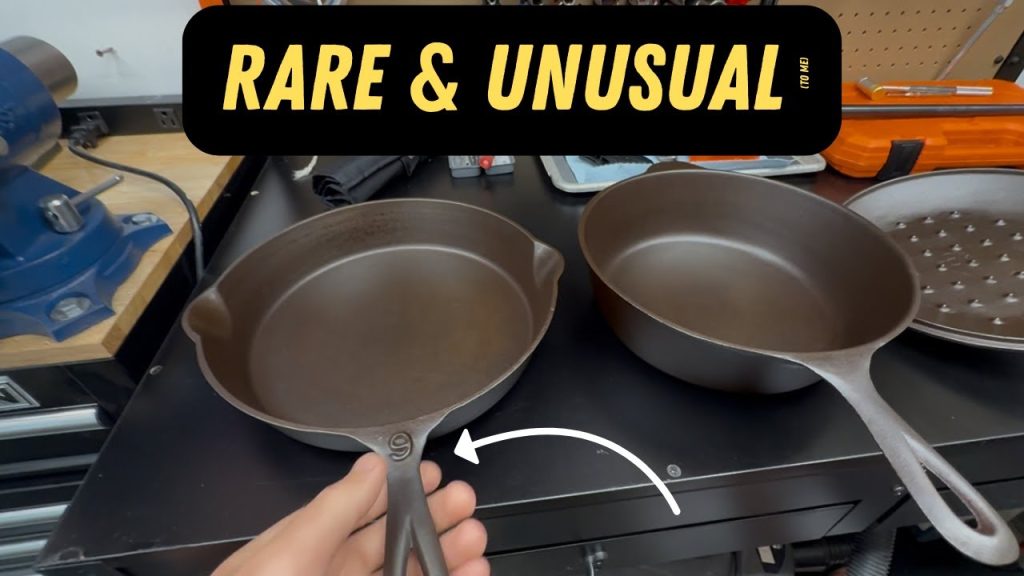
Imagine having a set of cast iron cookware that looks as good as new, with a glossy sheen and impeccable cooking performance. Your trusty pans and skillets can last a lifetime, but over time, they may lose their luster, develop rust, or become sticky.
You might wonder if it’s time to replace them. Before you make any decisions, consider refinishing your cast iron cookware. It’s easier than you think and can save you money. Plus, the satisfaction of bringing your cookware back to life is unmatched.
You’ll discover simple steps to restore your cast iron to its former glory, giving it a fresh start and enhancing your cooking experience. Whether you’re a seasoned chef or a home cook, these tips are designed for you. So, keep reading to learn how you can make your cast iron cookware look and perform like new again.
Gathering Essential Tools
Begin by gathering essential tools like a soft-bristle brush, coarse salt, and mild dish soap. These tools help remove rust and grime from your cast iron cookware, preparing it for refinishing. A non-abrasive scrub pad is also useful for delicate cleaning tasks.
Refinishing cast iron cookware is a rewarding task. It requires the right tools. Proper tools ensure a smooth and effective process. Having all necessary tools before starting saves time and effort.Understanding The Right Tools
Knowing what tools are needed is crucial. Each tool has a specific purpose. Some tools help remove rust. Others aid in restoring the finish. Make sure to gather all tools before beginning. This avoids interruptions during the process.Cleaning Supplies For Cast Iron
Cleaning supplies are vital for refinishing. You’ll need steel wool or a scrub brush. These help remove residue and rust. Soap and water are also necessary. They ensure the cookware is free from grease and dirt.Protective Gear
Safety is important when working with cast iron. Wear gloves to protect your hands. Use goggles to shield your eyes from debris. A mask can prevent inhaling dust particles.Tools For Surface Preparation
Surface preparation is key. Sandpaper or a sanding block smooths the surface. A drill with a wire brush attachment can be useful. It speeds up the rust removal process.Restoration Supplies
Restoration supplies bring back the shine. You’ll need vegetable oil or flaxseed oil. These oils help season the cookware. A cloth or paper towels are useful for applying oil evenly.Storage And Organization
Organize your tools for easy access. Use a toolbox or a storage bin. Label each tool if needed. This ensures you find them quickly during the process.
Credit: www.reddit.com
Preparing The Cookware
Refinishing cast iron cookware involves removing rust and old seasoning. First, scrub the surface with steel wool. Then, rinse and dry thoroughly before applying a thin layer of oil. Bake the cookware at a high temperature to create a new, protective coating.
This process restores its non-stick qualities.
Preparing the cookware is the first step to restoring cast iron to its former glory. A clean surface ensures seasoning adheres properly, providing a non-stick finish. Below, find the essential steps for effective preparation.Removing Old Seasoning
Start by stripping the old seasoning from the cookware. Use a mixture of vinegar and water. Soak the cast iron for a few hours. This helps loosen the old seasoning. Alternatively, use a commercial rust remover for quicker results. Scrub the surface with steel wool or a nylon brush. This removes residue and reveals the bare metal. Be thorough to ensure all seasoning is gone.Cleaning The Surface
After removing the old seasoning, focus on cleaning the surface. Rinse the cookware thoroughly to remove debris. Apply a small amount of dish soap. Use a soft sponge to clean the surface gently. This removes any remaining residue and grime. Rinse again to ensure all soap is gone. Dry the cookware completely with a clean towel. This prevents rust from forming on the metal. Make sure the surface is smooth and free of imperfections.Repairing And Restoring
Refinishing cast iron cookware involves removing rust and old seasoning. Scrub it with steel wool or a brush. Rinse and dry completely. Apply a thin layer of oil and bake it. This restores the non-stick surface and protects against rust.
Refinishing cast iron cookware can breathe new life into your kitchen essentials. The process of repairing and restoring is crucial for maintaining the quality and longevity of your cookware. By addressing common issues, you can transform rusty, rough surfaces into smooth, functional pieces that are a joy to cook with. Let’s dive into the specifics of how you can achieve this.Addressing Rust Issues
Rust can be a formidable opponent, but it’s not unbeatable. Start by scrubbing the affected area with a steel wool pad or a stiff-bristled brush. You might be surprised at how quickly the rust flakes away with a bit of elbow grease. Once the visible rust is gone, rinse the cookware thoroughly under warm water. Ensure all the rust particles are washed away. If necessary, repeat the scrubbing process to tackle stubborn spots. After cleaning, dry your cookware completely. Use a clean cloth or place it on a stove over low heat. This prevents new rust from forming while you work on other areas.Smoothing Rough Areas
Rough patches can make cooking a frustrating experience. To smooth these areas, use fine-grit sandpaper. Gently sand the surface until it feels even to the touch. It’s a task that requires patience but imagine the satisfaction when your spatula glides effortlessly over your skillet. After sanding, wipe down the cookware with a damp cloth to remove any dust. Do you notice any persistent rough spots? Re-sand those areas until they’re as smooth as the rest. This step ensures that your cookware is not only functional but also enjoyable to use. Once your cookware is rust-free and smooth, you’re well on your way to a perfectly restored piece. Feel the difference the next time you fry an egg or simmer a sauce. Your care and attention to detail will pay off in spades.
Credit: www.reddit.com
Seasoning Techniques
To refinish cast iron cookware, start by cleaning the surface thoroughly. Remove rust and old seasoning using a scrubber or vinegar soak. Once clean, apply a thin layer of oil and bake at high temperature to create a new, durable seasoning.
Seasoning your cast iron cookware is a crucial step in its refinishing process, helping it to develop a non-stick surface that enhances your cooking experience. The right seasoning techniques not only preserve the cast iron but also improve its performance over time. Let’s dive into the essential aspects of seasoning, ensuring your cookware remains a staple in your kitchen for years to come.Choosing The Right Oil
Selecting the best oil for seasoning can make a significant difference in the outcome. Oils with a high smoke point, such as flaxseed, canola, or grapeseed oil, are ideal. They form a hard, durable layer when heated, which is essential for creating that perfect non-stick surface. Personal preference also plays a role here. You might find that one oil imparts a subtle flavor you enjoy, or you might prefer another for its availability and cost-effectiveness. What oil have you found works best for you?Applying Multiple Coats
Building up layers of seasoning is key to achieving a resilient finish. After applying a thin coat of oil, heat your cookware in the oven at around 450°F (232°C) for an hour. This process polymerizes the oil, turning it into a hard protective coating. Once cooled, repeat the process several times to strengthen the seasoning. Each layer adds to the cookware’s durability, making it more resistant to rust and enhancing its cooking qualities. Have you tried multiple coats before, or is this a new technique for you? Refinishing your cast iron can feel like a ritual, each step bringing you closer to a perfect cooking companion. The satisfaction of a well-seasoned skillet is unmatched. Take these techniques and make them your own, ensuring your cast iron is always ready for your next culinary adventure.Maintaining Your Cast Iron
Maintaining your cast iron cookware is essential if you want it to last for generations. These sturdy kitchen staples require a bit of attention, but the payoff is worth it. Whether you’re a seasoned chef or a cooking novice, understanding the best practices for cleaning and storing your cast iron can enhance its longevity and performance.
Regular Cleaning Tips
After each use, make sure to clean your cast iron thoroughly. Avoid soap, as it can strip the seasoning. Instead, use hot water and a stiff brush or scraper to remove food particles.
One surprising tip is to use coarse salt as a scrubber. It gently removes stuck-on bits without damaging the surface. This can be a game-changer if you’re dealing with stubborn residues.
Once cleaned, dry your cookware immediately. Leaving it damp can lead to rust, which is the enemy of your cast iron. A simple towel dry followed by placing it over a low flame can ensure it’s completely moisture-free.
Storage Recommendations
Storing your cast iron correctly is just as important as cleaning it. Make sure it’s completely dry before putting it away to prevent rust.
Consider investing in pan protectors or use paper towels to separate stacked cookware. This prevents scratches and maintains the seasoning.
If you hang your cast iron, ensure the hooks are strong enough to hold the weight. A secure storage system not only protects your cookware but also makes it accessible for regular use.
How do you store your cookware? Finding the best method can depend on your kitchen setup, but ensuring it’s rust-free and ready for your next culinary adventure is the ultimate goal.

Credit: www.tiktok.com
Common Mistakes To Avoid
Neglecting to remove rust completely can lead to uneven seasoning. Using harsh detergents might damage the cookware’s surface. Ensure thorough drying to prevent future rusting. Avoid using metal scouring pads that can scratch the surface.
Refinishing cast iron cookware can restore its beauty and functionality. However, mistakes during the process can lead to poor results or damage. Knowing what to avoid is crucial for success. Here are some common mistakes to be aware of:Using Excessive Force
Scrubbing too hard can damage the surface. Cast iron is durable, but aggressive cleaning can cause scratches. Use gentle strokes with a soft brush.Skipping The Drying Process
Leaving cast iron wet can lead to rust. Ensure you dry it completely with a towel. Then, place it on a low-heat burner for a few minutes.Applying Too Much Oil
A thick oil layer can lead to sticky surfaces. Instead, apply a thin, even layer. Wipe away any excess with a clean cloth.Not Preheating Before Seasoning
Preheating helps the oil bond with the metal. Without it, seasoning may not adhere well. Warm the pan slightly before applying oil.Using Dish Soap
Dish soap can strip seasoning layers. Opt for warm water and a brush instead. Maintain the seasoning by avoiding harsh chemicals.Ignoring Regular Maintenance
Neglecting regular upkeep can lead to rust and damage. Clean and season your cookware after each use. This keeps it in top condition. By avoiding these mistakes, you can successfully refinish your cast iron cookware. Keep these tips in mind for a smooth process.Benefits Of Refinishing
Refinishing cast iron cookware can breathe new life into your kitchen essentials. It provides a range of benefits that make the effort worthwhile. With each step, your cookware becomes more efficient and durable. Let’s explore these advantages in detail.
Enhanced Performance
Refinished cast iron heats evenly, reducing hot spots and improving cooking results. It retains heat better, ensuring consistent temperature throughout your cooking. This makes it ideal for recipes requiring precise heat control. A smooth surface minimizes food sticking, making it easier to clean. Improved performance means better tasting dishes every time.
Prolonged Lifespan
Regular maintenance extends the life of your cookware. Removing rust and reseasoning prevent further damage. This saves money by reducing the need for replacements. Well-maintained cast iron can last generations. It’s a sustainable choice, reducing waste and preserving resources. Proper care ensures your cookware remains a reliable kitchen companion.
Frequently Asked Questions
How To Clean Cast Iron Cookware Before Refinishing?
Before refinishing, clean cast iron cookware with warm water and mild soap. Scrub off rust using steel wool or a brush. Ensure it’s completely dry to prevent further rusting. Proper cleaning helps the refinishing process adhere better, giving your cookware a new, durable finish.
What Materials Are Needed For Refinishing Cast Iron?
You’ll need steel wool, sandpaper, and cooking oil for refinishing. Use steel wool and sandpaper to remove rust and smooth surfaces. Apply cooking oil to season the cookware after cleaning. This creates a protective layer that enhances durability and prevents rust.
Can You Refinish Cast Iron With Vinegar?
Yes, vinegar helps remove rust from cast iron. Soak the cookware in a vinegar-water solution for a few hours. Scrub the rust with steel wool afterward. Rinse thoroughly and dry completely. Vinegar is a natural rust remover, making it great for cast iron maintenance.
How Often Should Cast Iron Be Refinished?
Refinish cast iron cookware once rust appears or food sticks regularly. Proper maintenance and seasoning can extend the time between refinishes. Regular cleaning and seasoning after each use help maintain its condition and reduce the need for frequent refinishing.
Conclusion
Refinishing cast iron cookware is simple and rewarding. Clean thoroughly. Remove all rust. Apply a new seasoning layer for protection. Your cookware will look and perform better. Enjoy cooking with your refreshed cast iron. It lasts longer and cooks evenly.
Regular maintenance keeps it in top shape. Share your tasty creations with family and friends. A little effort makes a big difference. Happy cooking!