Choosing the right cookware can make or break your culinary experience, especially when using a gas stove. Have you ever noticed how some pots and pans just don’t seem to heat evenly or take forever to get hot?
You’re not alone, and that’s why understanding what cookware works best for gas stoves is crucial. Imagine effortlessly cooking your favorite meals with perfect results every time—sounds great, right? You’ll discover the secrets to finding cookware that not only complements your gas stove but also enhances your cooking skills.
So, if you’re ready to unlock the full potential of your kitchen, keep reading to find out which options will transform your cooking experience.

Credit: www.t-fal.com
Types Of Cookware Materials
Choosing the right cookware for gas stoves is essential. Stainless steel offers durability and even heating. Cast iron retains heat well, perfect for slow-cooked meals. Copper provides quick heat response, ideal for precise cooking. Non-stick options make cleaning easy, suitable for everyday use.
Each material has unique benefits for gas stoves.
When choosing cookware for gas stoves, material matters. Each type of material offers unique benefits and influences cooking results. Understanding these differences helps in selecting the right cookware for your kitchen. Here are some common cookware materials used with gas stoves:Stainless Steel
Stainless steel cookware is durable and resistant to rust. It does not react with acidic foods, making it safe for a variety of dishes. Many stainless steel pans have an aluminum or copper core. This improves heat distribution and ensures even cooking. They are easy to clean and maintain, often dishwasher safe.Cast Iron
Cast iron cookware holds heat well. It provides consistent cooking temperatures, ideal for slow-cooked meals. Cast iron can be heavy, requiring careful handling. It needs regular seasoning to maintain its non-stick surface. This type of cookware is perfect for searing meats and baking.Carbon Steel
Carbon steel is similar to cast iron but lighter. It heats up quickly and evenly, making it great for frying. Over time, it develops a natural non-stick layer. Carbon steel pans require seasoning to prevent rust. They are versatile and suitable for many cooking techniques.Copper
Copper cookware offers excellent heat conduction. It heats up and cools down quickly, allowing precise temperature control. Many copper pots and pans are lined with stainless steel. This prevents reactions with food. Copper needs regular polishing to maintain its shine and performance.Aluminum
Aluminum cookware is lightweight and affordable. It conducts heat effectively, reducing cooking time. Most aluminum cookware is anodized or coated to prevent food reactions. It is easy to handle and clean. Ideal for everyday cooking, aluminum offers convenience and efficiency.Heat Conductivity And Distribution
When choosing cookware for your gas stove, heat conductivity and distribution are crucial factors. These elements determine how efficiently and evenly your food cooks, impacting everything from taste to texture. Selecting the right materials can transform your cooking experience, minimizing hot spots and ensuring your dishes turn out just as you intend.
Understanding Heat Conductivity
Heat conductivity refers to how quickly a material transfers heat. Cookware with high conductivity heats up rapidly, allowing you to adjust temperatures easily. Copper and aluminum are excellent conductors, making them great choices for responsive cooking. Imagine simmering a delicate sauce; you need precise control, and high conductivity offers just that.
Importance Of Heat Distribution
Even heat distribution ensures every part of your dish cooks uniformly. Materials like stainless steel often struggle with this unless paired with a conductive core. Have you ever noticed uneven browning on your pancakes? Poor heat distribution might be the culprit. Opting for cookware with multi-layer construction can solve this problem, delivering consistent results.
Choosing The Right Material For Balance
Finding cookware that balances conductivity and distribution is key. Tri-ply or multi-ply pans combine layers of different materials, offering both quick heating and even cooking. Investing in such cookware can save you from the frustration of uneven cooking and transform your meal preparation into a smoother, more enjoyable process.
Personal Experience With Cookware Selection
Years ago, I switched from basic stainless steel pans to tri-ply options. The difference was remarkable; my stir-fries cooked evenly, and my sauces never scorched. What about your kitchen adventures? Have you noticed how changing cookware can impact your dishes? Exploring these aspects might lead you to discover new culinary joys.
Ask Yourself: Are You Experiencing Uneven Cooking?
If you’re frequently battling uneven cooking results, it might be time to reconsider your cookware choices. Look at what’s in your cabinets—does your cookware promote both rapid heating and even distribution? Making informed decisions here can elevate your cooking, ensuring your meals are not only delicious but also consistent.
Durability And Longevity
Selecting cookware designed for gas stoves ensures durability and longevity. Cast iron and stainless steel are excellent choices. These materials resist wear and distribute heat efficiently.
Durability and longevity are key factors to consider when choosing cookware for gas stoves. This aspect not only affects the lifespan of your pots and pans but also the quality of your cooking experience. You want cookware that withstands high heat and frequent use without losing its efficiency or appeal.Choosing The Right Material
Materials like stainless steel and cast iron are known for their durability. Stainless steel is resistant to rust and scratches, making it a great choice for gas stoves. Cast iron, on the other hand, retains heat well and can last a lifetime with proper care.Construction Quality
Pay attention to the construction quality of the cookware. Look for pieces with a thick base to prevent warping. Multi-layered bottoms are ideal as they distribute heat evenly and stand up to the flame’s intensity.Maintenance Tips
Regular maintenance can significantly extend the life of your cookware. Clean your pots and pans immediately after use and avoid using abrasive cleaners. Season cast iron cookware regularly to preserve its non-stick surface.Personal Experience
I once invested in a stainless steel set that lasted over a decade, proving its worth with each use. It survived countless meals and still looks as good as new. Consider how often you cook and the wear you expect your cookware to endure.Cost Vs. Value
Are you willing to spend a bit more upfront for long-lasting cookware? While the initial cost might be higher, the value over time often outweighs cheaper alternatives. Think about the savings in not having to replace pots and pans frequently. Durability and longevity are more than just buzzwords; they represent the real value and satisfaction you get from your kitchen investments. What stories will your cookware tell over the years?Weight And Handling
Lightweight cookware offers easy handling on gas stoves. Opt for stainless steel or aluminum for quick maneuverability and balanced weight. These materials ensure efficient heat distribution, enhancing cooking performance while reducing strain during use.
Choosing the right cookware for your gas stove isn’t just about aesthetics; it’s about functionality and ease of use. Weight and handling play a crucial role in your cooking experience. Heavier pots and pans can retain heat better, while lighter ones offer greater maneuverability.Understanding The Weight Of Cookware
When you lift a pan, its weight can be the difference between a seamless cooking session and a tiring ordeal. Heavy cookware, like cast iron, provides excellent heat retention. This means your food cooks evenly, which is great for dishes that require consistent heat. However, they can be cumbersome, especially when transferring from stove to oven. On the other hand, lightweight options like aluminum are easier to handle. They heat up quickly and are perfect for tasks that require frequent movement. Consider what you’ll be cooking most often and choose accordingly.Handling And Comfort
Handling isn’t just about weight; it’s also about how comfortable the cookware feels in your hands. Ergonomically designed handles can make a world of difference. Look for handles that stay cool and provide a firm grip. Non-slip grips are especially beneficial if you often cook with oils or butter. Think about how often you need to move your cookware around and what types of dishes you prepare.Balancing Weight And Handling
Finding the right balance between weight and handling is key to selecting the best cookware for your gas stove. Imagine cooking a large family meal—do you prefer the stability of a heavy pan or the agility of a lighter one? Both have their merits, depending on your cooking style. Consider testing different types of cookware before purchasing. Visit a store and feel the weight, or try using a friend’s set for a day. This hands-on approach can provide invaluable insight.Practical Tips For Everyday Cooking
– Test the weight: Lift potential cookware to assess if it’s manageable for everyday use. – Check the handle design: Ensure it’s comfortable and provides a secure grip. – Evaluate your needs: Think about the types of dishes you frequently prepare and choose cookware that complements those tasks. By focusing on both weight and handling, you can enhance your cooking experience on a gas stove. What matters most is how the cookware feels in your hands and how it supports your culinary adventures.Maintenance And Care
Choosing cookware for gas stoves involves considering materials like stainless steel, cast iron, or copper. These options offer durability and efficient heat distribution. Regular cleaning and proper storage ensure longevity and optimal performance.
Maintaining and caring for your cookware is crucial for extending its lifespan and ensuring optimal performance on gas stoves. With proper attention, you can keep your pots and pans looking new and cooking efficiently. Imagine never having to worry about your favorite skillet losing its non-stick surface or your pot warping. Let’s dive into some practical tips for keeping your cookware in top shape.Regular Cleaning
Cleaning your cookware after every use is essential. Use warm water and mild dish soap to remove food residues. Avoid abrasive scrubbers, as they can scratch surfaces. If you notice stubborn stains, soaking the cookware can help.Seasoning Cast Iron
If you use cast iron cookware, seasoning is key. Apply a thin layer of vegetable oil to the surface and heat it in the oven. This process creates a natural non-stick layer and protects against rust. How often do you season your cast iron pieces?Storage Tips
Proper storage can prevent damage. Stack pots and pans with care, using protective layers like kitchen towels or paper to avoid scratches. Hanging is another great option if space allows.Avoiding High Heat
While gas stoves offer quick temperature changes, avoid cranking up the heat unnecessarily. High temperatures can warp cookware and damage coatings. Use medium heat for most cooking tasks.Handling Non-stick Surfaces
Non-stick pans require gentle care. Use wooden or silicone utensils to prevent scratches. Never use metal spatulas, as they can ruin the surface. How many times have you accidentally scratched a non-stick pan with a metal spoon?Inspecting For Damage
Regularly check your cookware for signs of wear and tear. Look for loose handles or peeling coatings. Address these issues promptly to prevent further damage and ensure safety during cooking.Budget Considerations
Choosing the right cookware for gas stoves involves balancing budget and quality. Stainless steel offers durability at a reasonable price, while cast iron provides excellent heat retention for those willing to invest more. Consider your cooking needs and budget to find the ideal cookware.
Budget considerations play a crucial role when choosing the best cookware for your gas stove. Not everyone can splurge on high-end brands, but that doesn’t mean settling for less. Striking a balance between quality and cost can lead you to the perfect match for your culinary needs.Understanding Your Budget
Before diving into cookware options, assess how much you’re willing to spend. Is your budget tight, or do you have some wiggle room? Knowing your financial boundaries helps in narrowing down choices without overwhelming you.Affordable Options Without Compromising Quality
You can find excellent cookware without breaking the bank. Look for brands known for durability and functionality that offer mid-range pricing. Sometimes, lesser-known brands provide remarkable quality at a fraction of the cost.Investing Wisely In Essential Pieces
Consider investing in pieces that you use most frequently, such as a sturdy frying pan or a versatile saucepan. These essentials can transform your cooking experience without needing a complete set.Sales And Discounts
Keep an eye out for sales and discounts, especially during holiday seasons. Retailers often offer significant reductions, allowing you to snag top-quality items at lower prices. Patience and timing can lead to savings.Second-hand Cookware: A Hidden Gem?
Would you consider buying second-hand? Many people underestimate the value of thrift stores or online marketplaces. You might find gently-used, high-quality cookware at a fraction of the original price.Balancing Cost With Longevity
Is it worth spending a little more for longevity? Sometimes, paying slightly more upfront can save you money in the long run, as better quality items tend to last longer. Evaluate how often you use your cookware to make this decision. In your quest for the best cookware for gas stoves, keeping budget considerations in mind can lead you to smart purchases. What practical tips do you have for finding affordable yet quality cookware?Top Cookware Brands For Gas Stoves
Selecting the right cookware is key for gas stoves. Stainless steel and cast iron offer even heat distribution. Brands like All-Clad and Le Creuset are popular choices for their durability and performance.
Gas stoves offer precise temperature control, making them popular in many kitchens. Choosing the right cookware enhances cooking performance on these stoves. Several top brands offer cookware designed to withstand gas stove heat while ensuring durability and efficiency.All-clad
All-Clad is known for its stainless steel cookware. It offers excellent heat distribution, making it ideal for gas stoves. The durable construction ensures long-lasting performance.Calphalon
Calphalon cookware features hard-anodized aluminum, perfect for gas stoves. It provides even heating and is non-stick for easy cleaning. Its sturdy design resists warping.Lodge
Lodge is famous for its cast iron cookware. Cast iron retains heat well, making it suitable for gas stoves. It’s robust and perfect for slow cooking.Cuisinart
Cuisinart offers versatile cookware with multi-layer construction. It heats evenly and quickly. The cookware is durable, handling the high heat of gas stoves efficiently.Le Creuset
Le Creuset is renowned for its enameled cast iron products. It combines excellent heat retention with stylish design. Ideal for both gas stoves and oven use.Greenpan
GreenPan is popular for its ceramic non-stick cookware. It offers a healthy cooking surface without harmful chemicals. It works well on gas stoves with its efficient heat conduction.T-fal
T-fal provides budget-friendly options with great performance. Its cookware features non-stick surfaces, easy to clean after cooking. It’s designed to work efficiently on gas stoves. Choosing the right cookware enhances your cooking experience. Each brand offers unique benefits tailored for gas stove use.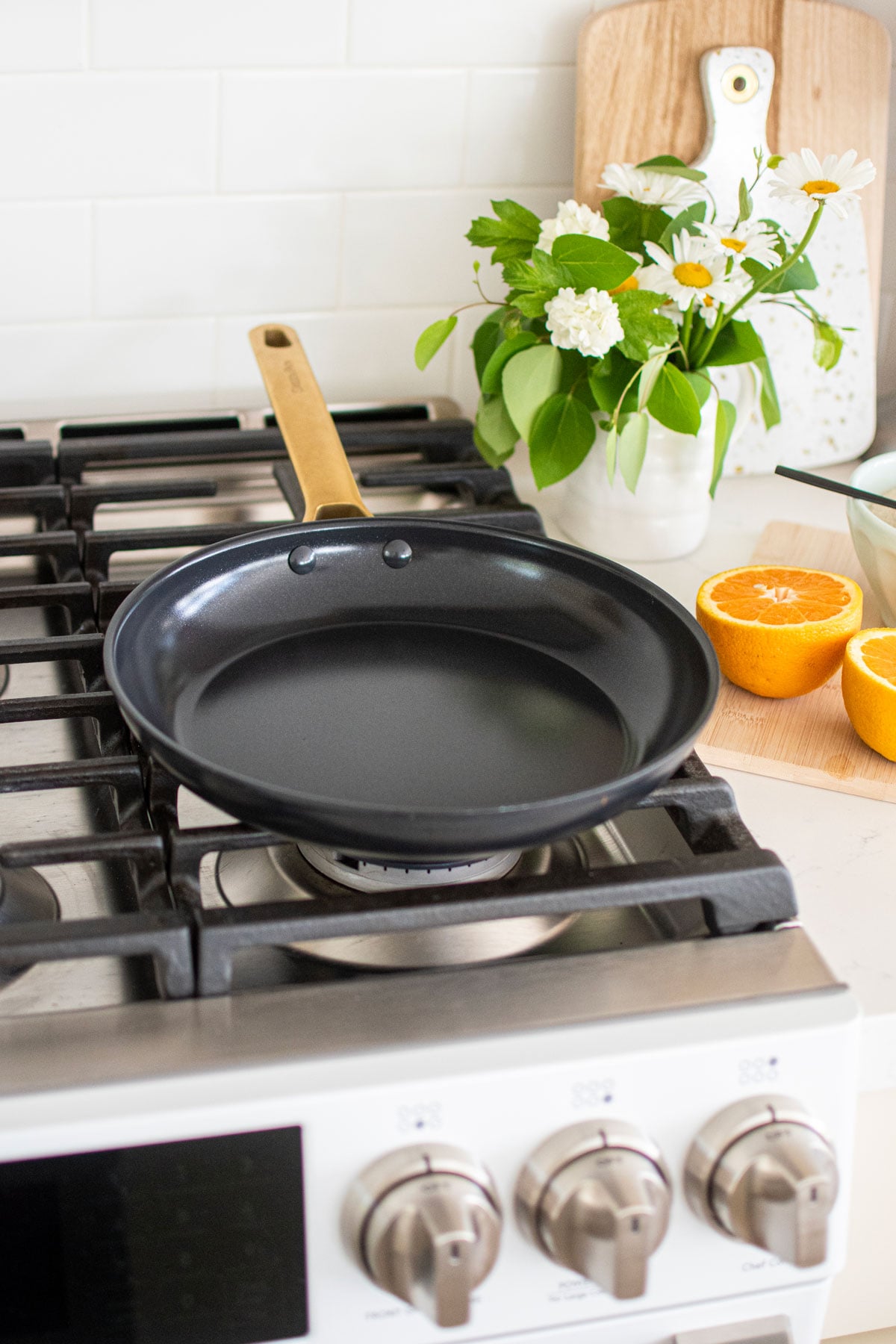
Credit: mimisorganiceats.com
Special Features To Look For
When choosing cookware for gas stoves, consider special features that enhance cooking. These features ensure your pots and pans perform well under direct flame. Some aspects improve durability, while others focus on versatility and convenience. Below are key features to consider.
Non-stick Coatings
Non-stick coatings make cooking and cleaning easier. They prevent food from sticking, reducing oil use. Look for durable coatings that resist scratches. High-quality non-stick surfaces last longer and maintain performance. Choose cookware with PFOA-free coatings for safer cooking.
Oven-safe Options
Oven-safe cookware adds versatility to your kitchen. It allows seamless transition from stove to oven. Check the maximum temperature the cookware can withstand. Handles and lids should also be oven-safe. This feature is ideal for recipes requiring both baking and stovetop cooking.
Induction Compatibility
Induction compatibility expands your cooking options. Even if you have a gas stove, this feature is beneficial. It allows you to use the cookware on induction stoves. Induction-compatible pans have a magnetic base. This base ensures even heat distribution across different stove types.
Common Mistakes To Avoid
Choosing the right cookware for gas stoves requires attention to material and design. Avoid non-stick pans that can overheat and warp. Opt for stainless steel or cast iron, which withstands high heat and distributes it evenly.
Cooking on a gas stove offers a unique and enjoyable experience, but it also requires the right type of cookware. Choosing the wrong cookware can lead to uneven cooking, wasted energy, and even damage to your pots and pans. Understanding common mistakes can help you avoid these pitfalls and make your cooking experience more enjoyable.Using Cookware With Thin Bottoms
Cookware with thin bottoms often results in uneven heat distribution. This can cause food to burn in certain spots while remaining uncooked in others. Opt for cookware with a thick, flat bottom to ensure even cooking and better heat retention.Ignoring The Importance Of Material
Not all materials work well with gas stoves. Aluminum heats up quickly but can warp if not reinforced. Stainless steel is durable but may not distribute heat evenly without an aluminum or copper core. Choose materials that are known for even heat distribution and durability, like cast iron or multi-layered stainless steel.Choosing The Wrong Size
The size of your cookware should match the size of your burners. Using a small pan on a large burner wastes energy and can lead to uneven cooking. Conversely, a large pan on a small burner may not heat properly. Always match your cookware size to the burner for optimal results.Neglecting Proper Maintenance
Proper maintenance of your cookware is vital for longevity and performance. Nonstick pans, for example, can be easily damaged by metal utensils and high heat. Regularly check your cookware for signs of wear and follow the manufacturer’s care instructions to extend its life.Overlooking Compatibility With Gas Stoves
Some cookware is not designed for gas stoves. Glass, for example, can crack under direct flame. Ensure that your cookware is specifically labeled as compatible with gas stoves to avoid any potential hazards. By avoiding these common mistakes, you can enhance your cooking experience on a gas stove. What changes can you make today to improve your kitchen setup?
Credit: www.nourishmovelove.com
Frequently Asked Questions
What Materials Are Best For Gas Stoves?
Stainless steel, cast iron, and copper are ideal for gas stoves. These materials conduct heat evenly and efficiently. They also offer durability and versatility for various cooking techniques. Choose cookware with a heavy bottom to prevent warping and ensure even cooking.
Is Non-stick Cookware Good For Gas Stoves?
Non-stick cookware can be used on gas stoves. However, ensure you use medium heat to prevent damage. High heat can degrade the non-stick surface over time. Opt for quality non-stick pans with reinforced coatings for better durability and longevity.
Can I Use Ceramic Cookware On Gas Stoves?
Yes, ceramic cookware is suitable for gas stoves. It offers even heat distribution and is non-reactive. Ensure the ceramic cookware has a heavy base to withstand direct flame. Avoid extreme temperature changes to prevent cracking or damage.
Are Aluminum Pans Safe For Gas Stoves?
Aluminum pans are safe and effective on gas stoves. They heat quickly and evenly, making them ideal for various dishes. However, pure aluminum can warp, so consider anodized or clad options for better durability and performance.
Conclusion
Choosing the right cookware enhances your gas stove experience. Stainless steel offers durability. Cast iron provides even heating. Copper is excellent for precise cooking. Non-stick pans make cleaning simple. Each material has unique benefits. Consider your cooking style and needs.
Heavy pots work well on gas burners. Lightweight pans might move during cooking. Quality cookware lasts longer and performs better. Investing wisely saves money in the long run. Enjoy cooking with tools that suit your kitchen. Make informed choices for enjoyable meals.
Happy cooking!