
Imagine your kitchen as the heart of your home. It’s where you prepare meals, share laughter, and create memories.
But amidst the hustle and bustle, there’s something crucial that often goes unnoticed—cleaning and sanitizing your kitchen tools. Why is this so important? Well, think of it this way: each time you slice a tomato or stir a pot, you’re not just cooking; you’re ensuring your family’s health and safety.
Dirty kitchen tools can harbor bacteria and germs, leading to health issues and food contamination. You wouldn’t want to serve a meal that’s more harmful than nourishing, would you? By keeping your kitchen tools clean and sanitized, you protect those you love from unseen dangers. This task might seem mundane, but its impact is profound. Are you curious to learn how this simple practice can transform your cooking environment into a safe haven? Dive into this article, and discover the essential steps to safeguard your kitchen and your loved ones.

Credit: www.restaurantsupply.com
Importance Of Clean Kitchen Tools
Keeping kitchen tools clean is vital for health and taste. Dirty tools can harbor bacteria and affect food quality. Regular cleaning ensures a safe and enjoyable cooking experience. Let’s explore why clean kitchen tools are essential.
Preventing Foodborne Illness
Unclean kitchen tools can spread harmful bacteria. These bacteria can cause foodborne illnesses, which can be severe. Washing and sanitizing tools regularly reduce this risk. It’s a simple step that protects your health. Contaminated utensils can transfer germs to food. This can lead to infections and stomach issues. Proper cleaning practices can prevent these problems.
Enhancing Food Flavor
Residue from previous meals can alter food taste. Clean tools ensure your dishes taste their best. Old food particles can mix with new ingredients. This can lead to unexpected flavors. Using clean utensils preserves the intended taste. It also helps maintain the quality of the ingredients.

Credit: www.aol.com
Sanitizing Vs Cleaning
Cleaning and sanitizing kitchen tools are crucial for health and safety. Many people confuse cleaning with sanitizing, but they serve different purposes. Understanding the difference helps maintain a healthy kitchen environment.
Defining Cleaning
Cleaning involves removing visible dirt and debris from surfaces. It includes washing, scrubbing, and rinsing utensils with soap and water. Cleaning makes tools look clean but doesn’t eliminate all germs.
Understanding Sanitizing
Sanitizing reduces germs to safe levels after cleaning. It uses chemicals or heat to kill bacteria and viruses. This step ensures tools are hygienic and safe for food preparation. Regular sanitizing prevents cross-contamination.
Common Kitchen Tools To Clean
In the hustle and bustle of everyday cooking, it’s easy to overlook the importance of keeping your kitchen tools spotless. Yet, maintaining cleanliness and sanitization is crucial for preventing foodborne illnesses and ensuring healthy meal preparation. Are you giving enough attention to the cleanliness of your common kitchen tools? Let’s dive into how you can keep them pristine.
Cutting Boards
Cutting boards are often the silent carriers of bacteria. They face raw meats, vegetables, and more, accumulating germs over time. Use hot, soapy water to clean them thoroughly after each use. For deeper sanitization, periodically scrub them with a mixture of water and vinegar or bleach. Consider investing in separate boards for meat and vegetables to prevent cross-contamination.
Utensils And Knives
Your utensils and knives are indispensable tools in the kitchen. However, they can harbor bacteria in crevices and joints. Clean them immediately after use with hot water and soap. Regularly inspect knives for rust or dullness, which can affect both hygiene and performance. A quick wipe with a disinfectant can keep your utensils safe for daily use.
Appliances
Kitchen appliances like blenders, mixers, and food processors require special attention. Disassemble parts after each use and clean them individually. Leftover food particles can lead to mold growth, affecting the taste and safety of your meals. A simple cleaning routine can protect your appliances and extend their lifespan. Are you ready to give your kitchen tools the care they deserve?
Effective Cleaning Techniques
Cleaning and sanitizing kitchen tools prevent bacteria and germ spread. Food safety starts with clean equipment. Proper sanitation protects health and maintains hygiene.
Cleaning and sanitizing kitchen tools are essential steps in maintaining a healthy cooking environment. Effective cleaning techniques can make a significant difference in ensuring your kitchen tools are not only clean but also safe to use. Imagine preparing a meal with utensils that have traces of previous food particles—it’s not only unappetizing but also potentially harmful. By adopting some straightforward cleaning practices, you can ensure your kitchen tools are always ready for your next culinary adventure.Using Natural Cleaners
Natural cleaners are not only better for the environment, but they’re also gentle on your kitchen tools. A simple mixture of vinegar and baking soda can be surprisingly effective. Vinegar, with its acidic properties, breaks down grime and kills bacteria. Baking soda adds scrubbing power, tackling stubborn residues without scratching your tools. Consider adding lemon juice for its antibacterial qualities. It also leaves a fresh scent. You might have noticed how some commercial cleaners leave behind a strong chemical odor. Natural cleaners avoid this, making your kitchen feel fresh and clean.Proper Scrubbing Methods
Scrubbing your kitchen tools effectively is crucial to remove any stuck-on food particles. Use a brush with firm bristles for pots and pans—this helps in reaching small crevices where food might hide. A soft sponge is ideal for delicate surfaces to prevent scratching. Apply a small amount of cleaner and scrub in circular motions. This method ensures even cleaning and helps in removing tough stains. Have you ever scrubbed endlessly only to find residue still lurking? Sometimes, varying your scrubbing technique can make all the difference. Rinse thoroughly with hot water. It aids in removing any remaining cleaner and sanitizes the tools further. This simple step can often be overlooked but is critical for effective cleaning.Sanitizing Methods
Cleaning and sanitizing kitchen tools prevent bacteria growth and foodborne illnesses. Regular maintenance ensures safe food preparation and extends the lifespan of utensils.
Keeping your kitchen tools clean is essential for a healthy home, but how do you ensure they are truly sanitized? Different sanitizing methods can effectively kill germs and bacteria, making your kitchen safe for food preparation. Let’s explore some of these methods to help you decide which is best for your home.Chemical Sanitizers
Chemical sanitizers are a popular choice for many households due to their efficiency and ease of use. You can find these sanitizers in various forms like sprays, wipes, or solutions that you mix with water. When using chemical sanitizers, it’s crucial to follow the manufacturer’s instructions. This ensures that you use the correct concentration and contact time for effective sanitation. Have you ever wondered if you’re using too much or too little? Reading the label can save you time and ensure safety. Moreover, always rinse kitchen tools after using chemical sanitizers. This step prevents any chemical residues from contaminating your food. It’s a simple habit that goes a long way in maintaining your kitchen’s hygiene.Heat-based Sanitization
Heat-based sanitization is a natural method that uses high temperatures to kill bacteria. This method is ideal for heat-resistant kitchen tools like pots, pans, and certain utensils. Boiling water is one of the simplest methods. Submerge your tools in boiling water for a few minutes. This can be particularly effective after preparing raw meat or fish. Alternatively, using a dishwasher with a high-temperature setting can sanitize your tools effectively. Did you know that not all dishwashers have this feature? Checking your appliance’s settings can make all the difference in your sanitization routine. Incorporating heat-based methods into your cleaning routine not only enhances cleanliness but also adds an extra layer of safety. Which method suits your kitchen tools best? Consider the materials and your personal preferences when making your choice.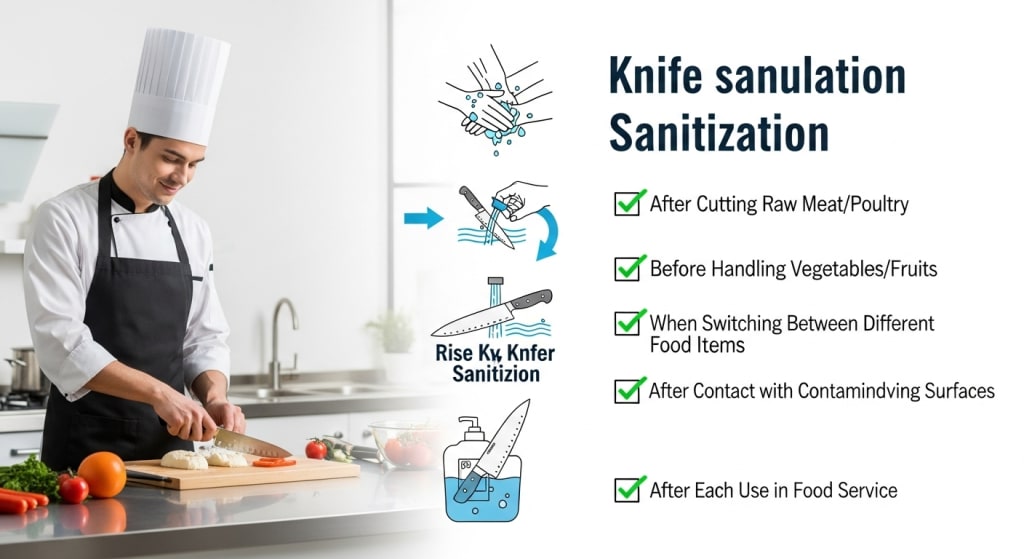
Credit: vocal.media
Tips For Routine Maintenance
Maintaining a clean kitchen is crucial for health and safety. Regular cleaning and sanitizing kitchen tools prevent bacteria buildup. This practice ensures a safe cooking environment. Below are some tips for routine maintenance to keep your kitchen tools clean and efficient.
Daily Cleaning Schedule
Wipe down surfaces after each use. Use warm, soapy water to clean utensils. Rinse thoroughly and dry them completely. This prevents bacteria from growing. Clean cutting boards with vinegar to sanitize them. Pay attention to handles and knobs on appliances. They often harbor germs.
Weekly Deep Clean
Dedicate time each week for a thorough clean. Scrub pots and pans to remove stuck-on food. Clean the inside of appliances like microwaves and ovens. Use baking soda and water paste for stubborn stains. Sanitize surfaces with diluted bleach solution. Check and clean the kitchen sink drain. It can collect food particles.
Common Mistakes To Avoid
Neglecting proper cleaning can lead to bacteria buildup on kitchen tools. Dirty utensils can contaminate food, posing health risks. Regular sanitization ensures safe cooking and prevents foodborne illnesses.
Cleaning and sanitizing kitchen tools is crucial for health and safety. Many people make common mistakes that reduce cleaning effectiveness. Understanding these errors can help maintain a safer kitchen environment. Let’s explore some common mistakes to avoid.Overlooking Hard-to-reach Areas
Hard-to-reach areas often get neglected during cleaning. These spots can harbor bacteria and germs. Pay special attention to crevices in blenders, food processors, and can openers. Use small brushes to clean these tight spots thoroughly. Check under handles and blades for hidden dirt. Consistent cleaning of these areas prevents bacteria build-up.Ignoring Manufacturer Guidelines
Every kitchen tool comes with specific cleaning instructions. Ignoring these can damage your tools and reduce their lifespan. Read and follow the manufacturer’s guidelines. Some tools require hand washing, while others are dishwasher safe. Using the wrong cleaning method may harm the materials. Always check the instructions for optimal care and maintenance.Benefits Of Regular Cleaning
Cleaning and sanitizing your kitchen tools regularly isn’t just about maintaining hygiene; it’s an essential practice that offers numerous benefits. Keeping your kitchen tools clean not only ensures they function effectively but also plays a significant role in maintaining a safe cooking environment. Let’s dive into the specific advantages of regular cleaning.
Prolonging Tool Lifespan
Regular cleaning can significantly extend the life of your kitchen tools. When you clean your tools after each use, you prevent the buildup of food residues and bacteria, which can cause corrosion or deterioration over time. Imagine the savings you can make by not having to replace your tools frequently just because they were not properly maintained.
Consider your favorite chef’s knife. Regularly wiping it down and storing it properly can keep its blade sharp and free from rust, ensuring it slices through ingredients as smoothly as the day you bought it. A little effort in cleaning translates into years of reliable service from your kitchen tools.
Ensuring Kitchen Safety
A clean kitchen is a safe kitchen. Dirty tools can harbor bacteria that may transfer to your food, potentially causing foodborne illnesses. By cleaning and sanitizing your tools, you reduce the risk of contamination and make your kitchen a healthier place for everyone.
Think about your cutting board, often a hotspot for germs if not cleaned properly. By sanitizing it after each use, you protect your family from harmful bacteria. Isn’t peace of mind worth the few minutes it takes to clean?
Moreover, a clutter-free, clean kitchen reduces accidents. It’s easier to cook efficiently without the chaos of dirty tools piling up. This not only makes cooking more enjoyable but also safer for you and your loved ones.
Frequently Asked Questions
Why Is Sanitizing Kitchen Tools Necessary?
Sanitizing kitchen tools is crucial to prevent foodborne illnesses. It removes bacteria and other harmful pathogens. Regular sanitization ensures a safe cooking environment, reducing contamination risks. Clean tools also prolong their lifespan, maintaining functionality. It enhances food quality, ensuring meals are healthy and safe for consumption.
How Often Should Kitchen Tools Be Sanitized?
Kitchen tools should be sanitized daily after use. Frequent sanitization minimizes bacterial growth and keeps tools hygienic. High-contact items require more regular cleaning. After preparing raw meats, immediate sanitization is essential. Consistent sanitizing helps maintain a clean and safe kitchen environment, preventing cross-contamination.
What Are Effective Ways To Clean Kitchen Tools?
Effective cleaning involves using hot, soapy water and scrubbing thoroughly. For sanitizing, use a solution of bleach and water. Rinse tools well after sanitizing. Dishwasher-safe tools can be cleaned in a dishwasher. Regularly inspect and replace worn or damaged tools to ensure optimal hygiene and functionality.
Can Dirty Kitchen Tools Cause Health Issues?
Yes, dirty kitchen tools can harbor bacteria leading to health problems. Contaminated tools can transfer pathogens to food, causing illnesses. Regular cleaning and sanitizing reduce these risks. Using unclean tools can result in cross-contamination, affecting food safety. Maintaining clean tools ensures a healthy cooking environment.
Conclusion
Keeping kitchen tools clean and sanitized protects your health. Bacteria and germs can spread easily. Clean tools prevent foodborne illnesses. Regular cleaning saves time in the long run. It extends the life of your kitchen tools. A clean kitchen is a happy kitchen.
Always wash tools after each use. Use hot water and soap for best results. Don’t forget to dry them properly. A tidy kitchen boosts your cooking experience. Enjoy cooking with peace of mind. Stay safe and healthy. Prioritize cleanliness in your kitchen today.