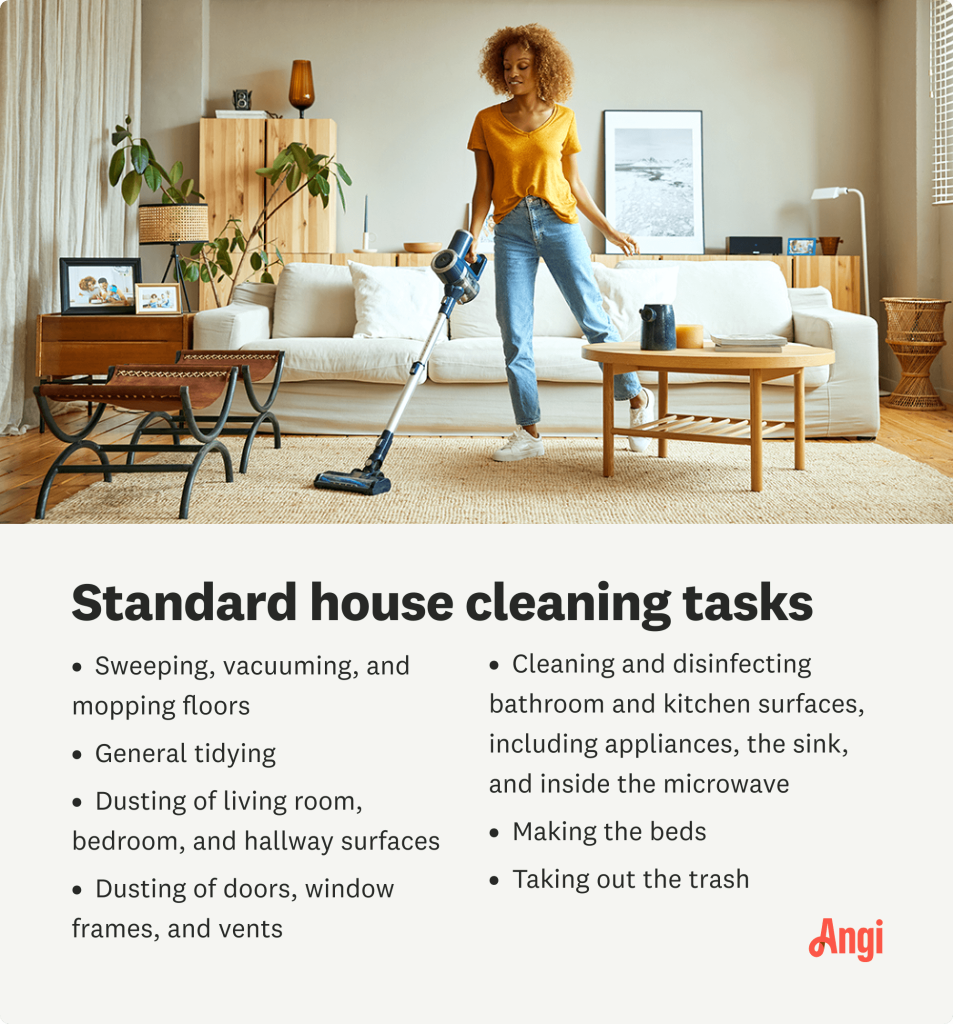
Have you ever walked into your kitchen and felt overwhelmed by the mess? The dishes pile up, crumbs scatter across the countertops, and that stubborn stain just won’t budge.
You might be wondering, “Who is responsible for kitchen cleaning? ” You’re not alone. Many households struggle with this question, and it often leads to frustration and arguments. Imagine a kitchen where everything is in its place, the surfaces gleam, and there’s no mystery odor lurking in the corners.
How would that make you feel? Relieved? Calm? You deserve a clean, inviting space where you can cook, eat, and simply enjoy being. Understanding who should take charge of kitchen cleaning is the first step towards achieving this. We’ll explore the dynamics of kitchen cleaning responsibilities. Whether you live alone or with family, you’ll discover practical tips and strategies that make cleaning less of a chore and more of a shared responsibility. You’ll learn how to create a cleaning routine that fits your lifestyle and keeps your kitchen looking its best. Dive in, and let’s transform your kitchen into the heart of your home.
Importance Of Kitchen Cleanliness
The kitchen is often considered the heart of the home, a place where meals are prepared and shared. Yet, the importance of kitchen cleanliness extends far beyond aesthetics. A clean kitchen is crucial for maintaining a healthy environment and ensuring the safety and quality of food. Neglecting cleanliness can lead to unforeseen consequences, impacting both your well-being and culinary experiences.
Health And Safety Concerns
Dirty kitchens can be a breeding ground for bacteria and pests. These unwelcome guests can lead to foodborne illnesses, posing serious health risks. Imagine preparing a meal in a kitchen where surfaces are not sanitized—it’s an open invitation for germs.
Keeping your kitchen clean minimizes the risk of contamination, ensuring your food remains safe. Regular cleaning routines help eliminate harmful pathogens, making a huge difference in preventing diseases. It’s not just about wiping surfaces; it’s about safeguarding your health.
Impact On Food Quality
Ever noticed how a clean kitchen enhances the cooking experience? When your kitchen is tidy, it’s easier to focus on the quality of your ingredients and the precision of your cooking techniques.
A cluttered, unclean space can interfere with your ability to prepare meals efficiently. It can lead to disorganized cooking processes, affecting the taste and presentation of your dishes. Think about how a spotless kitchen inspires creativity and precision, leading to better culinary results.
Ask yourself: how do you feel when cooking in a clean kitchen versus a messy one? The difference is palpable, impacting not just the quality of your meals but also your enjoyment in preparing them.

Credit: www.facebook.com
Roles In Kitchen Cleaning
Kitchen cleaning duties often fall to various team members. Chefs and cooks handle their own stations. Dishwashers clean dishes and utensils. A dedicated cleaning crew might manage floors and deep cleaning tasks. Each role ensures the kitchen stays safe and hygienic.
Cleaning the kitchen is an essential task that ensures hygiene and functionality in both home and commercial settings. However, the responsibility for kitchen cleaning can vary greatly depending on the environment. Understanding the roles involved can help streamline the process and ensure a clean and safe kitchen.Home Kitchens Vs. Commercial Kitchens
In home kitchens, cleaning often falls to individual members of the household. You might find yourself sharing this task with your family, rotating duties to keep the space tidy. A simple schedule can prevent confusion and ensure everyone contributes. Commercial kitchens, on the other hand, operate under strict hygiene standards. Cleaning roles are usually designated to specific staff members. Each person has clear tasks to maintain a high level of cleanliness. This structured approach helps prevent cross-contamination and keeps the kitchen running smoothly.Individual Responsibilities
In your home kitchen, you might be responsible for different cleaning tasks depending on your lifestyle. Are you the one who cooks dinner most nights? Then clearing up afterward might naturally fall to you. Or perhaps you prefer to split tasks, with one person handling dishes and another tackling countertops. In commercial settings, individual responsibilities are clearly defined. One staff member might focus on sanitizing surfaces, while another handles dishwashing. This division of labor ensures efficiency and consistency, which is crucial when serving large numbers of people. Consider how you can apply these principles to your own kitchen routine. Who should be responsible for what? How can you make cleaning a team effort? By identifying roles, you can make kitchen cleaning less of a chore and more of a shared activity.Delegating Cleaning Tasks
Cleaning the kitchen often falls on those who use it most. Assign specific tasks like wiping counters or mopping floors. Clear roles ensure everyone knows their responsibility for maintaining a tidy space.
Delegating kitchen cleaning tasks can make life easier. Sharing responsibilities ensures a clean and tidy space. Everyone contributes, reducing stress and time spent on chores. With a plan, maintaining cleanliness becomes a team effort.Setting Up A Cleaning Schedule
Create a simple cleaning schedule. Use a calendar to note tasks. Assign days for specific chores. This helps everyone know their duties. Consistency makes cleaning manageable. A regular routine prevents overwhelming messes.Assigning Specific Duties
Divide tasks among household members. Allocate jobs based on skills and preferences. Some may prefer washing dishes, others wiping counters. Clear roles ensure no task is overlooked. Rotate duties to keep it fair and interesting.
Credit: www.instagram.com
Tools And Supplies For Cleaning
Determining responsibility for kitchen cleaning involves clear communication among household members. Everyone should understand their role in maintaining cleanliness. Designating tasks and using the right tools ensures efficiency and a tidy kitchen.
Tools and supplies are crucial for efficient kitchen cleaning. Having the right products and equipment makes the task easier. It also ensures a cleaner, healthier kitchen environment. Understanding what you need and how to use them is key. Let’s explore the essentials.Essential Cleaning Products
The right cleaning products can make a big difference. Here are some you should consider:- Dish Soap:Effective for removing grease and food residues.
- All-Purpose Cleaner:Suitable for various surfaces.
- Glass Cleaner:Ensures streak-free shine on glass surfaces.
- Disinfectant Spray:Kills germs and bacteria.
- Baking Soda:Natural cleaner for stubborn stains.
Choosing The Right Equipment
Proper equipment simplifies cleaning tasks. Essential tools include:- Sponges and Scrubbers:Ideal for scrubbing pots and pans.
- Microfiber Cloths:Perfect for dusting and polishing.
- Broom and Dustpan:Keeps floors free from debris.
- Mop:Essential for a spotless floor.
- Bucket:Useful for carrying water and cleaning solutions.
Training And Best Practices
Responsibility for kitchen cleaning lies with everyone using the space. Establishing a cleaning schedule helps maintain hygiene and order. Regular training on best practices ensures all staff understand their roles.
Training and best practices are crucial in kitchen cleaning. A clean kitchen ensures safety and hygiene. It also prevents the spread of germs and pests. Proper training helps everyone understand their cleaning responsibilities. Implementing best practices improves efficiency and effectiveness.Educating Staff And Family Members
Educating everyone in the kitchen is vital. Start with clear instructions. Explain the importance of cleanliness. Use simple, easy-to-follow steps. Visual aids and checklists can help. Conduct regular training sessions. Encourage questions and feedback. Make sure everyone feels confident and capable.Maintaining Consistency In Cleaning
Consistency is key to a clean kitchen. Create a cleaning schedule. Assign specific tasks to individuals. Ensure tasks are rotated to avoid monotony. Checklists ensure nothing is missed. Regular inspections maintain standards. Use reminders and alerts to track progress. Celebrate achievements to keep morale high.Monitoring Cleanliness Standards
Kitchen cleaning responsibility often falls on assigned staff or a designated team. They ensure cleanliness standards are consistently met. Regular checks help maintain hygiene and safety in the kitchen environment.
Monitoring cleanliness standards in the kitchen is more than just a routine check; it’s a commitment to health and safety. It’s about ensuring that every meal prepared is safe for consumption and every surface shines with hygiene. Cleanliness in the kitchen is a shared responsibility, but how do you ensure it’s maintained consistently?Regular Inspections
Regular inspections can be your lifeline in maintaining a spotless kitchen. Imagine walking into a kitchen where everything is in its place, and surfaces gleam with cleanliness. This isn’t just luck; it’s the result of consistent checks. Scheduling inspections at regular intervals ensures that cleanliness standards don’t slip. You might consider weekly or bi-weekly inspections to catch any issues early. What kind of checklist would you use to ensure thoroughness? Perhaps include things like checking for expired food, ensuring equipment is spotless, and verifying the cleanliness of cooking areas. These inspections can be conducted by the kitchen staff or a designated supervisor. But remember, the goal isn’t just to find faults; it’s to encourage a culture of cleanliness.Feedback And Improvement
Feedback is crucial in any system, and the kitchen is no exception. After inspections, sharing observations with the team can spark improvement and accountability. You might ask yourself: How can feedback be given constructively? Consider holding brief meetings with the staff to discuss findings. Encourage openness and make it a two-way conversation. This way, everyone feels involved and motivated to maintain high standards. Moreover, take the feedback into account for future improvements. Is there a pattern in the issues found during inspections? Use this information to adjust cleaning schedules, provide additional training, or invest in better cleaning equipment. By engaging the team in feedback, you’re not just pointing out problems but also empowering them to find solutions. This collaborative approach fosters a proactive mindset towards cleanliness in the kitchen.Challenges In Kitchen Cleaning
Determining responsibility for kitchen cleaning can be challenging, especially in shared spaces. Clearly assigned roles help maintain order and cleanliness. Open communication and setting expectations can lead to a more organized and pleasant kitchen environment.
Cleaning the kitchen can be more challenging than it initially appears. You’re not just dealing with visible messes; hidden greases and stubborn stains often lurk in the corners. Often, the bigger challenge is figuring out who should tackle these tasks and ensuring they’re done effectively. You might find yourself wondering: How do you overcome these hurdles and keep your kitchen sparkling clean?Common Obstacles
The kitchen is a bustling hub, and it’s easy for clutter to pile up quickly. One significant obstacle is time; busy schedules make it tough to dedicate hours to cleaning. Another hurdle is dealing with the different types of messes. Grease build-up, food stains, and lingering odors each require specific cleaning solutions. Finally, there’s the issue of motivation. The thought of scrubbing pots and pans after a long day can be overwhelming.Solutions And Strategies
One approach is to break down tasks into manageable chunks. Rather than spending hours cleaning, spend a few minutes daily tidying up. Use effective cleaning products tailored to specific messes. For grease, dish soap and hot water work wonders. For stubborn stains, a baking soda paste can be surprisingly effective. Motivate yourself by setting small, achievable goals. Celebrate the completion of each task, no matter how small. Consider creating a cleaning schedule to share responsibilities among family members. This not only divides the workload but also fosters teamwork. By addressing these challenges head-on, you can streamline kitchen cleaning and keep your space fresh and inviting. What strategies do you find most effective in overcoming these obstacles?
Credit: jan-pro.com
Frequently Asked Questions
Who Should Clean The Kitchen Regularly?
Regular kitchen cleaning is typically a shared responsibility among household members. Assigning specific tasks can help ensure cleanliness. Alternatively, professional cleaners can be hired for thorough cleaning. Consistent maintenance prevents the buildup of dirt and bacteria, ensuring a hygienic environment for food preparation.
What Are Essential Kitchen Cleaning Tasks?
Essential kitchen cleaning tasks include wiping surfaces, washing dishes, and cleaning appliances. Regularly emptying trash and organizing pantry items is crucial. Deep cleaning tasks, such as scrubbing floors and sanitizing countertops, should be done weekly. These efforts maintain a clean and safe kitchen environment.
How Often Should Kitchen Cleaning Be Done?
Kitchen cleaning should be done daily for basic tasks like dishwashing and surface wiping. Weekly deep cleaning is recommended for thorough maintenance. Regular cleaning prevents the buildup of germs and ensures a hygienic cooking space. Schedule tasks to avoid overwhelming chores, keeping the kitchen tidy and organized.
Are Professional Kitchen Cleaners Necessary?
Professional kitchen cleaners are not necessary for everyday cleaning but can be helpful for deep cleaning. They offer expertise and equipment for thorough sanitation. Hiring professionals ensures high standards of cleanliness and is ideal for busy households. Evaluate your needs to decide if professional cleaning is beneficial.
Conclusion
Taking responsibility for kitchen cleaning is important. It keeps the space hygienic. Sharing tasks ensures fairness and teamwork. Clear communication helps everyone know their role. A clean kitchen creates a happier home. Regular cleaning prevents pests and health issues. Everyone should pitch in based on their ability.
Kids can help with small tasks. Adults can manage more challenging chores. A schedule might help maintain order. Keep cleaning supplies handy for quick clean-ups. Consistency makes cleaning easier over time. Make it a habit, not a chore. Build a routine that works for everyone.
Clean kitchens lead to better meals and moods.