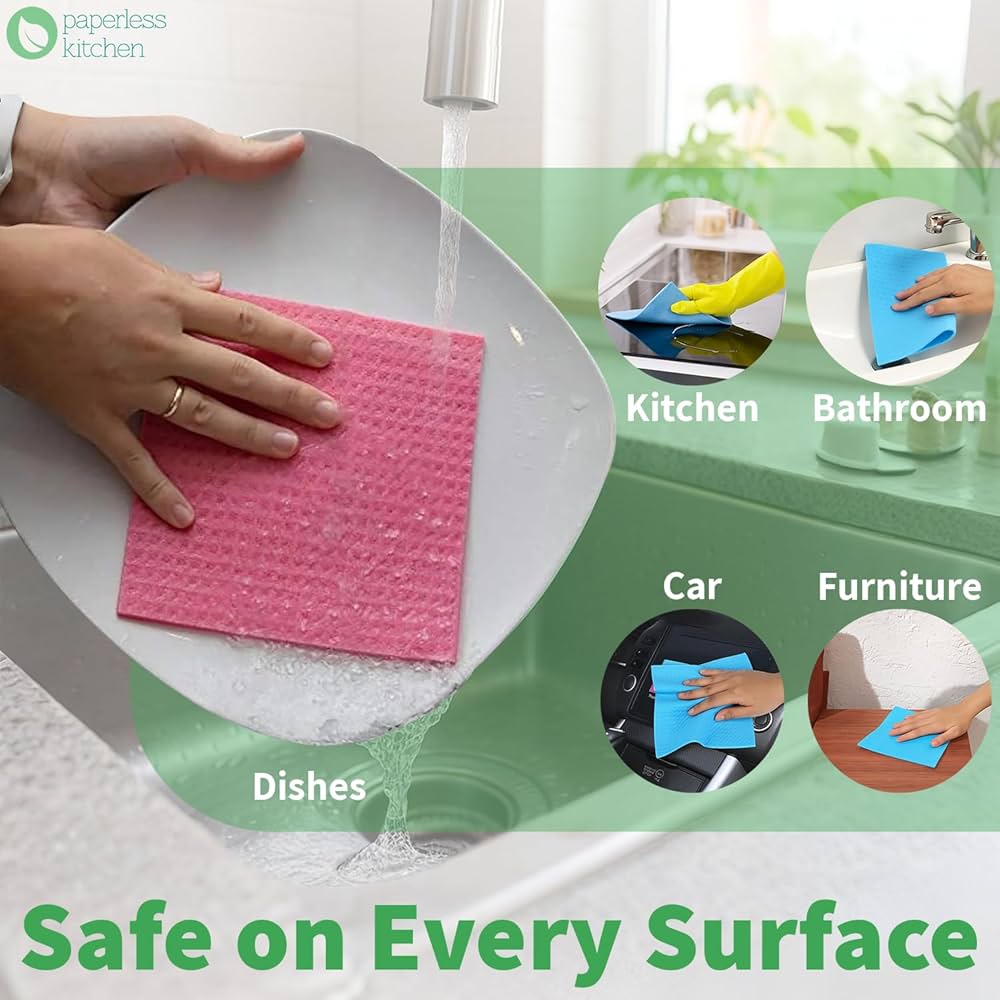
When it comes to kitchen cleaning, the tools you use can make a significant difference. You might wonder whether a cloth or a sponge is better for keeping your kitchen spotless.
This decision can impact not just the cleanliness of your kitchen but also how much time and effort you spend on chores. Are you using the most effective tool for the job? Could there be a better option that saves you time and ensures a cleaner environment?
Imagine effortlessly wiping away crumbs, grease, and spills with a tool that feels just right in your hand. Think about the satisfaction of knowing your kitchen is not just clean but hygienic, free from lurking bacteria. Choosing between a cloth and a sponge might seem trivial, but the right choice can transform your cleaning routine. You deserve a kitchen cleaning experience that’s not just efficient but also enjoyable. Dive into this article to uncover the pros and cons of each option, and find out which one will make your kitchen sparkle while fitting perfectly into your lifestyle. Discover the insights that could revolutionize your cleaning habits and make your kitchen the heart of your home.
Materials And Composition
Choosing between cloths and sponges for kitchen cleaning involves understanding their materials and composition. Each has unique features that affect their cleaning abilities and lifespan. Let’s explore the types of cloths and sponges to see which might suit your kitchen needs.
Types Of Cloths
Cleaning cloths come in various materials. Microfiber cloths are popular due to their absorbency and ability to trap dirt. Cotton cloths are gentle on surfaces and biodegradable. Bamboo cloths are eco-friendly, known for their antibacterial properties.
Types Of Sponges
Sponges also vary widely. Cellulose sponges are soft and absorbent, suitable for everyday cleaning. Abrasive sponges have a rough side for stubborn grime. Silicone sponges are durable and resist bacteria, offering a long-lasting cleaning option.

Credit: www.amazon.com
Effectiveness In Cleaning
When it comes to kitchen cleaning, choosing between a cloth and a sponge can be tricky. Each has its merits, but how do they stack up in terms of effectiveness? Understanding the differences in absorption capabilities and scrubbing power can help you make an informed decision.
Absorption Capabilities
Cloths are generally superior when it comes to absorption. They can soak up spills quickly, leaving surfaces dry and free from sticky residue. Think about the times you’ve wiped a countertop with a cloth and marveled at how effortlessly it absorbed the liquid.
Sponges, however, can hold a considerable amount of liquid but may leave streaks behind. If you’ve ever used a sponge on a glass surface, you might have noticed this. They are ideal for soaking up water but may not be as effective for greasy spills.
Scrubbing Power
When you need to tackle stubborn stains, sponges often come out on top. Their textured surface provides a perfect grip to scrub away dried food and grime without damaging surfaces. Imagine the satisfaction of watching a tough stain disappear with a few swipes of a sponge.
Cloths offer a gentler approach, making them suitable for delicate surfaces like stainless steel or glass. However, they may require more elbow grease for those tougher spots. Have you ever found yourself scrubbing harder with a cloth, wishing for a bit more friction?
The choice between cloths and sponges boils down to your specific needs. Do you prioritize absorption or scrubbing power? Understanding these aspects can lead to cleaner and more efficient kitchen cleaning. What’s your go-to tool in the kitchen and why?
Hygiene And Bacteria Control
When it comes to kitchen cleaning, hygiene and bacteria control are crucial considerations. Both cloths and sponges are common tools, but which is more effective at keeping bacteria at bay? Understanding how each option fares in terms of bacterial growth can help you make an informed decision.
Bacterial Growth In Cloths
Cloths, often used for wiping surfaces, can harbor a surprising amount of bacteria. They tend to stay damp after use, creating an ideal environment for bacteria to thrive. If not dried thoroughly, a cloth can quickly become a breeding ground for germs.
Regular washing is essential to minimize bacterial growth in cloths. You might think rinsing with hot water suffices, but even then, bacteria may linger. Consider using a fresh cloth daily or ensuring a thorough wash in the washing machine to maintain cleanliness.
Bacterial Growth In Sponges
Sponges, notorious for their absorbent nature, can be even more susceptible to bacterial growth. Their porous structure allows food particles and moisture to get trapped, accelerating bacterial proliferation. A seemingly clean sponge can harbor millions of bacteria, raising concerns about cross-contamination.
To combat this, microwaving a damp sponge for a minute can reduce some bacteria, but it might not eliminate all. Alternatively, replacing your sponge every couple of weeks is a practical step towards maintaining kitchen hygiene. Ask yourself, would you trust a sponge that’s been around for a month?
Ultimately, the choice between cloths and sponges hinges on your cleaning habits and hygiene priorities. By understanding the bacterial growth tendencies of each, you can take proactive steps to keep your kitchen as clean and safe as possible.
Durability And Longevity
Kitchen cleaning often requires durable and long-lasting tools. Cloths may offer greater longevity due to their washable nature. Sponges, while effective, can deteriorate quickly with frequent use, making cloths a more sustainable choice for lasting cleanliness.
Durability and Longevity In the bustling hub of your home, the kitchen, the tools you choose for cleaning need to withstand daily wear and tear. Durability and longevity often determine the true value of your cleaning aids. But which stands the test of time better: a cloth or a sponge?Wear And Tear Of Cloths
Cloths, particularly those made from microfiber, are known for their strength and resilience. They can endure hundreds of washes without losing their cleaning efficacy. However, over time, they may fray or lose their absorbency, especially if not cared for properly. The key to extending the life of your cloths is regular washing and drying. Avoid using fabric softeners, as they can reduce absorbency. Have you ever noticed how a well-kept cloth can last months, even with daily use?Wear And Tear Of Sponges
Sponges, while initially effective, tend to wear out faster than cloths. Regular use can cause them to break apart or harbor bacteria, making them less hygienic over time. Even the toughest sponges can lose their structure after a few weeks of use. To prolong their life, ensure you rinse and dry sponges thoroughly after each use. Some people even microwave damp sponges to kill bacteria, but this can further degrade their material. Is it worth replacing sponges more frequently to maintain cleanliness and functionality?Ease Of Maintenance
When it comes to keeping your kitchen clean, the tools you choose play a crucial role. Both cloths and sponges are popular, but how easy are they to maintain? Let’s break down the maintenance of each to help you decide which might be better suited for your kitchen cleaning needs.
Cleaning And Sanitizing Cloths
Cloths are relatively easy to clean and sanitize. After use, simply rinse them thoroughly under hot water to remove food particles. For a deeper clean, you can throw them in the washing machine with your regular laundry.
Adding a bit of vinegar or baking soda to the wash can help eliminate any lingering odors. It’s also important to dry them completely to prevent mold and bacteria growth. Do you prefer the convenience of tossing items into the wash, or does handwashing suit your routine better?
Cleaning And Sanitizing Sponges
Sponges require a bit more attention when it comes to sanitizing. To keep them fresh, rinse thoroughly after each use and squeeze out excess water. Regularly microwaving a damp sponge for a minute or two can kill most bacteria.
Alternatively, you can soak sponges in a bleach solution or run them through the dishwasher. However, sponges tend to wear out faster than cloths. Does the idea of constantly replacing your cleaning tools appeal to you, or do you prefer a longer-lasting option?
Environmental Impact
Choosing between a cloth and a sponge for kitchen cleaning often boils down to more than just efficiency. One critical factor to consider is the environmental impact of each option. Let’s dive into how each one fares in terms of sustainability and what this means for your eco-friendly efforts.
Sustainability Of Cloths
Cloths, especially those made from natural fibers like cotton or bamboo, are often biodegradable. This means they can break down naturally without leaving harmful residues in the environment. However, their production can be resource-intensive, requiring significant amounts of water and energy.
On the brighter side, cloths are reusable and can last for many washes, reducing waste over time. You can easily toss them in with your regular laundry, making them convenient to clean. But, it’s essential to ensure they’re dry between uses to avoid bacteria growth.
Sustainability Of Sponges
Sponges, particularly synthetic ones, present a different sustainability challenge. They’re often made from plastics that don’t biodegrade, contributing to landfill waste. However, there are eco-friendly alternatives like those made from cellulose or natural loofah.
While sponges can be more challenging to clean thoroughly, they can often be sanitized by microwaving or boiling. Yet, their relatively short lifespan compared to cloths means they need replacing more frequently. Consider whether the convenience outweighs the environmental costs.
So, which is better for your kitchen cleaning routine? Consider your values and how each option fits into your lifestyle. Are you willing to wash cloths regularly, or is a quick sponge more your style? Your choice can make a difference in reducing your environmental footprint.
Cost And Accessibility
In the quest for a clean kitchen, choosing between cloths and sponges is crucial. Cost and accessibility often guide this decision. Both options have their unique advantages and limitations, especially in terms of price and market presence.
Price Comparison
Cloths generally offer a more budget-friendly option. They are reusable, which means less frequent purchases. This makes them cost-effective over time. Sponges, while inexpensive initially, need frequent replacement. This can add up in cost over the long term. So, consider the lifespan and replacement frequency when evaluating costs.
Availability In Markets
Both cloths and sponges are widely available in most markets. You can find them in grocery stores, supermarkets, and online retailers. Cloths often come in multi-packs, providing convenience and value. Sponges are also easily accessible, with various types and brands to choose from. This wide availability ensures you can always find what you need for kitchen cleaning.
User Preferences And Practices
Choosing the right tool for kitchen cleaning often comes down to personal preferences and practices. Some people swear by the trusty sponge, while others can’t imagine cleaning without a cloth. Understanding what works best for you can make kitchen cleaning more efficient and even enjoyable. Let’s dive into what households and professionals typically prefer.
Popular Choices In Households
In many homes, sponges are a popular choice because they’re great at scrubbing and removing stubborn stains. Their porous nature makes them ideal for absorbing spills quickly, a lifesaver during unexpected messes. On the other hand, cloths are favored for their versatility and ability to clean large surfaces efficiently.
Many families prefer microfiber cloths for their eco-friendly nature and effectiveness in picking up dirt without chemicals. If you find yourself reaching for the same tool every time, it’s likely because it fits seamlessly into your cleaning habits. Do you prefer the grip and feel of a sponge, or do you enjoy the smooth glide of a cloth?
Professional Cleaning Insights
Professionals often have a distinct preference based on the task at hand. In commercial kitchens, sponges are frequently used for their ability to tackle tough grease and grime. However, they require regular sanitization to prevent the buildup of bacteria.
Professional cleaners often lean towards cloths for their durability and reusability. Microfiber cloths, in particular, are praised for their efficiency in trapping dust and allergens. When choosing between a sponge and a cloth, consider your cleaning priorities: is it more about removing stains or maintaining hygiene?
Ultimately, the decision between a cloth and a sponge might come down to a mix of practicality and personal comfort. What’s your go-to kitchen cleaning tool, and why does it work for you? Share your thoughts and insights in the comments below!
Situational Use Cases
Choosing between a cloth and sponge for kitchen cleaning depends on the task. Cloths are versatile for wiping surfaces and drying dishes, while sponges excel at scrubbing stubborn stains and food residues. Each has strengths that suit different cleaning scenarios.
Situational use cases determine whether a cloth or sponge works better for kitchen cleaning. Each has its strengths, making them suitable for different tasks. Understanding these use cases can help achieve optimal cleaning results.Best For Daily Cleaning
A cloth is ideal for daily cleaning. Its soft texture is gentle on surfaces. It absorbs spills quickly, leaving no streaks. Use a microfiber cloth for best results. It attracts dust and dirt efficiently. Cloths are easy to wash and reuse. They maintain their quality over time. Cloths come in various sizes and colors. Choose one that suits your kitchen decor.Best For Heavy-duty Tasks
A sponge works well for heavy-duty tasks. It is perfect for scrubbing stubborn stains. Its rough side tackles grime effectively. Use it on pots and pans with baked-on food. Sponges can reach corners easily. They adapt to different surface shapes. They are available with added scrubbing pads. These pads enhance cleaning power. Replace sponges regularly to ensure hygiene.:max_bytes(150000):strip_icc()/fw-roundup-cleaning-products-to-throw-awayreplace-tout-5d3ac101183f41c49f9ac8a43426d644.jpg)
Credit: www.foodandwine.com

Credit: www.amazon.com
Frequently Asked Questions
What Is Better For Kitchen Cleaning, Cloth Or Sponge?
Cloth is versatile and reusable, ideal for general cleaning. Sponges are better for scrubbing tough stains. Both have their pros and cons. For eco-conscious individuals, cloth is more sustainable. Choose based on your cleaning needs and preferences. Each can complement the other for a thorough kitchen clean.
Are Sponges Or Cloths More Hygienic?
Sponges can harbor more bacteria if not properly cleaned and dried. Cloths, when washed regularly, are typically more hygienic. To minimize bacteria, replace sponges frequently or use cloths that can be laundered. Both need regular maintenance to ensure cleanliness and hygiene in the kitchen.
How Often Should Kitchen Sponges Be Replaced?
Kitchen sponges should be replaced every one to two weeks. Bacteria can build up quickly in damp sponges. Regular replacement helps ensure hygiene and reduces the risk of contamination. For longevity, sanitize sponges in the microwave or dishwasher frequently between replacements.
Can Cloths Be Used For All Kitchen Cleaning Tasks?
Cloths are versatile and can handle most kitchen cleaning tasks. They are great for wiping surfaces, drying dishes, and general cleaning. However, for tough scrubbing tasks, a sponge may be more effective. Use cloths in combination with other tools for comprehensive cleaning.
Conclusion
Choosing between cloth and sponge for kitchen cleaning depends on needs. Cloths are versatile and reusable. They work well for surfaces and drying dishes. Sponges excel at scrubbing tough spots. They’re effective on baked-on residue. Both have their strengths and weaknesses.
Cloths last longer and are eco-friendly. Sponges are convenient but may harbor bacteria. Consider your cleaning habits and preferences. Think about hygiene, cost, and effectiveness. Decide which fits your routine best. A combination of both might be ideal. Balance practicality and cleanliness in your kitchen.
Make the choice that suits your lifestyle.