Have you ever wondered what type of cookware chefs use to create those mouth-watering dishes you see on cooking shows or at your favorite restaurant? You might be surprised to learn that the secret to their culinary success isn’t just in their skill but also in the tools they use.
Imagine cooking with the same kind of pots and pans that top chefs swear by. Wouldn’t that elevate your kitchen game? In this guide, you’ll discover exactly what types of cookware professional chefs prefer. We’ll explore the materials, brands, and styles that make their way into the hands of culinary experts.
You’ll find out why they choose stainless steel over non-stick, or why cast iron might be their go-to for certain recipes. This isn’t just about buying new pots and pans—it’s about transforming how you cook and bringing a touch of professional quality to your home kitchen. Are you ready to unlock the secrets of the trade and elevate your cooking skills? Let’s dive into the world of chef-approved cookware and see what makes it the preferred choice for the pros.

Credit: nypost.com
Essential Cookware For Professional Kitchens
Professional chefs rely on durable and efficient cookware. Stainless steel pots, non-stick pans, and cast iron skillets are favorites. These materials provide even heat distribution and long-lasting performance, essential for high-demand kitchen environments.
In the bustling environment of a professional kitchen, the right cookware can make all the difference between a good meal and a great one. Chefs rely on a variety of essential tools that help them craft culinary masterpieces with precision and efficiency. Whether you’re an aspiring chef or a home cook eager to elevate your skills, understanding the cookware that professionals use can offer valuable insights.Stainless Steel Pans
Stainless steel pans are a staple in professional kitchens. They are known for their durability and ability to provide even heat distribution. This makes them perfect for searing meats or sautéing vegetables. Unlike non-stick pans, stainless steel allows for better browning, creating rich flavors that enhance dishes. Have you ever noticed how restaurant steaks have that perfect crust? Stainless steel pans are often the secret behind it.Cast Iron Skillets
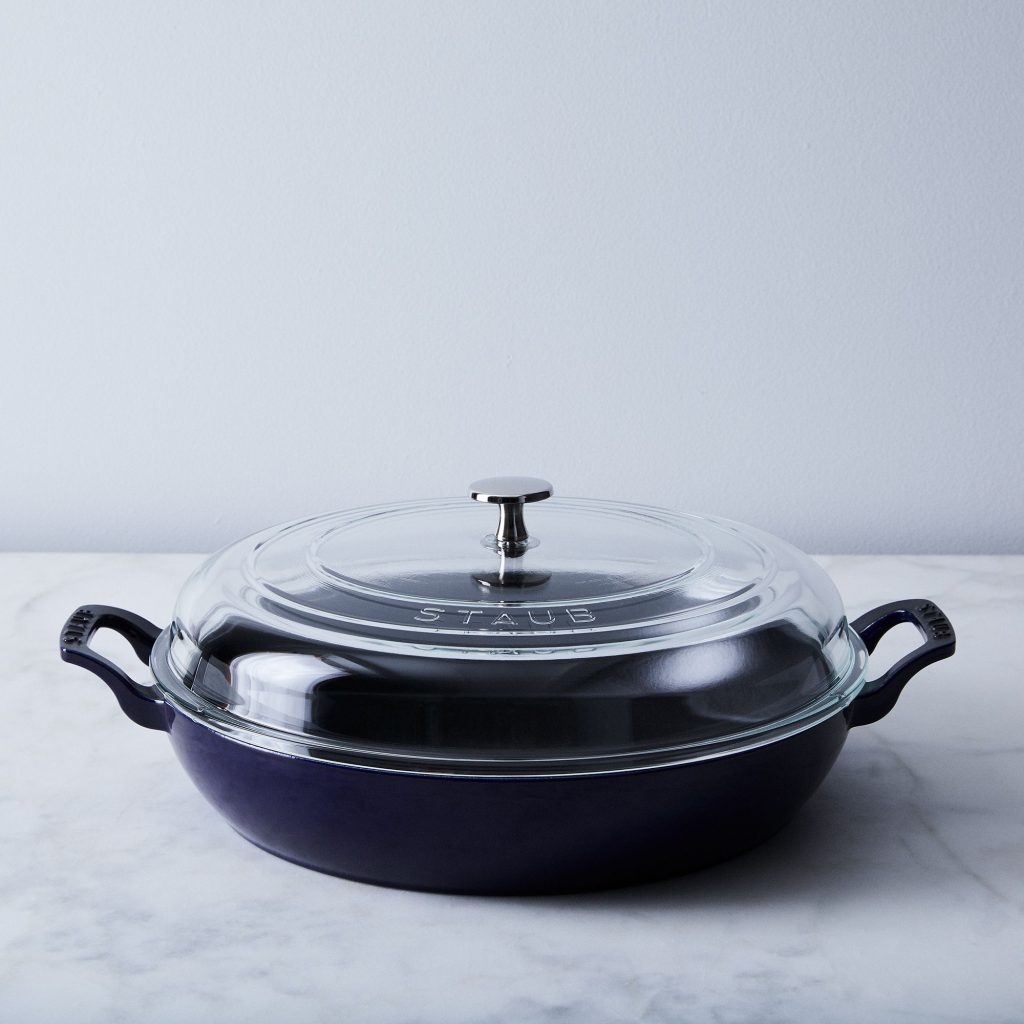
Many chefs swear by cast iron skillets for their versatility and heat retention. These skillets can move from stovetop to oven, making them ideal for dishes that require multiple cooking methods. They also improve with use, as a well-seasoned skillet develops a natural non-stick surface. Imagine whipping up a flawless frittata or a golden-brown cornbread—these skillets can handle it all. Copper cookware is prized for its exceptional heat conductivity, allowing chefs to control cooking temperatures with precision. This is particularly important for delicate sauces or caramel, where temperature control is crucial. Copper pans are often lined with stainless steel to prevent reactions with acidic foods. However, they do require regular maintenance to keep them looking their best. Are you prepared to polish your cookware for that unparalleled cooking experience?Non-stick Frying Pans
While stainless steel and cast iron have their place, non-stick frying pans are unbeatable for cooking eggs and pancakes. These pans ensure easy release of food, making them a favorite for breakfast service. They also require less oil, contributing to healthier cooking. However, they need to be handled with care to prevent scratching and maintain their non-stick surface.Stockpots
Large stockpots are essential for making broths, soups, and boiling pasta. Their size allows for large batches, perfect for catering to multiple orders in a busy kitchen. Most are made from stainless steel, ensuring durability and even heat distribution. Ever wonder how restaurants manage to serve endless bowls of soup during lunchtime? A reliable stockpot is often at the heart of it.Sauté Pans
Sauté pans differ from frying pans with their higher sides, making them ideal for cooking sauces or dishes with liquids. They allow chefs to toss ingredients without spilling, perfect for stir-fries or risottos. Sauté pans are typically made from stainless steel or aluminum, providing a balance of durability and weight. Can you see yourself flipping vegetables like a pro with the right sauté pan? In professional kitchens, every piece of cookware has its purpose, contributing to the overall efficiency and success of the culinary team. By incorporating some of these essential pieces into your own kitchen, you can experience the joy of cooking like a chef. What’s the next piece of cookware you’ll be adding to your collection?
Credit: www.surlatable.com
Stainless Steel Choices
Stainless steel cookware is a favorite among chefs worldwide. Its durability and versatility make it a top choice in professional kitchens. Chefs appreciate its ability to evenly distribute heat, ensuring dishes are cooked to perfection. Stainless steel is also resistant to rust and stains, which contributes to its long lifespan. Let’s explore why stainless steel is a preferred option for many culinary experts.
Advantages Of Stainless Steel
Stainless steel offers several benefits for chefs:
- Durable and long-lasting.
- Resistant to rust and stains.
- Easy to clean and maintain.
- Doesn’t react with food.
- Distributes heat evenly.
Popular Brands Among Chefs
Several brands stand out for their quality stainless steel cookware:
- All-Clad: Known for excellent craftsmanship and durability.
- Calphalon: Offers innovative designs and reliable performance.
- Cuisinart: Provides affordable and sturdy options.
- Viking: Combines professional quality with sleek designs.
- Demeyere: Known for high-end, premium cookware.
Cast Iron Favorites
Cast iron cookware holds a special place in the hearts of chefs worldwide. Its durability and versatility make it a staple in both professional kitchens and home cooking environments. Chefs often reach for cast iron pans when they need reliable cookware that can handle high temperatures and offer excellent heat distribution. But what makes cast iron so appealing to culinary experts?
Benefits Of Cast Iron Cookware
Cast iron cookware is renowned for its exceptional heat retention, allowing you to maintain consistent cooking temperatures. This makes it perfect for dishes that require slow cooking or searing at high heat. Imagine perfectly seared steaks or slow-cooked stews that melt in your mouth.
Another advantage is its versatility. You can use cast iron on the stovetop, in the oven, and even over an open flame. This adaptability means you can experiment with different cooking methods without switching pots and pans.
Additionally, cast iron adds trace amounts of iron to your food, which can be beneficial, especially if you’re looking to boost your iron intake naturally. This unique characteristic is often overlooked but adds an extra layer of nutrition to your meals.
Maintaining Cast Iron
Proper maintenance of cast iron cookware is crucial for longevity and performance. Start by cleaning it with hot water and a stiff brush. Avoid using soap as it can strip away the seasoning.
Regular seasoning is essential. Rub a thin layer of vegetable oil over the surface and heat it in the oven. This process creates a natural non-stick layer over time, making cooking easier.
Store your cast iron in a dry place to prevent rust. Adding a paper towel between pans can help absorb moisture and protect the surface.
Have you ever thought about the stories your cookware could tell? Each scratch and seasoning layer is a testament to meals shared and culinary adventures embarked upon. Cherish and maintain your cast iron, and it will continue to be a favorite in your kitchen arsenal.
Non-stick Options
Chefs often prefer non-stick cookware for its ease of use and quick cleaning. These options help in cooking delicate foods without sticking. Non-stick pans are popular for sautéing, frying, and preparing eggs efficiently.
Non-stick cookware has become a staple in many kitchens, offering convenience and ease of use that appeals to both novice and professional chefs. The allure of non-stick pans lies in their ability to cook delicate foods like eggs or pancakes without sticking. They also make clean-up a breeze, as food residue easily slides off the surface. However, despite their popularity, non-stick options may not always be the best choice for every cooking scenario.Pros And Cons Of Non-stick
Using non-stick cookware comes with a range of benefits and a few drawbacks. Pros: – Easy Clean-Up: Non-stick surfaces mean less scrubbing after meals. – Healthier Cooking: Less oil is needed, which can lead to healthier meals. – User-Friendly: Ideal for beginner cooks due to their forgiving nature. Cons: – Durability Concerns: Non-stick coatings can scratch or wear off over time. – Heat Limitations: High temperatures can damage the non-stick surface. – Chemical Concerns: Some non-stick coatings contain chemicals like PFOA, which can be harmful if overheated. Are you willing to trade a little durability for ease of use? That’s a question worth pondering.Best Non-stick Brands
When choosing non-stick cookware, quality matters. Not all brands are created equal, and a few have stood out in the market for their reliability and performance. – Tefal: Known for their innovative Thermo-Spot technology, Tefal pans indicate when they’re perfectly preheated. – Calphalon: Offers a wide range of non-stick cookware that balances affordability with professional-grade quality. – All-Clad: Renowned for their high-quality construction, All-Clad’s non-stick options offer superior performance and longevity. Selecting the right brand can make a significant difference in your cooking experience. Have you tried any of these brands before? Your feedback might just help someone else make the right choice.Copper Cookware
Professional chefs often use copper cookware for its excellent heat conductivity. It heats quickly and evenly, making it ideal for precise cooking. This type of cookware is favored in many kitchens for its reliability and performance.
Copper cookware has long been revered in the culinary world for its exceptional heat conductivity and elegant appearance. If you’ve ever watched a chef deftly maneuver through a bustling kitchen, you might have noticed the glint of copper pots and pans. They aren’t just about aesthetics; they offer practical benefits that can elevate your cooking experience.Why Chefs Love Copper
Copper cookware is prized for its unparalleled ability to conduct heat evenly. This means fewer hot spots and consistent cooking results. Imagine searing a piece of salmon to perfection with the outside crisp while the inside remains tender. Chefs appreciate how responsive copper is. You can quickly adjust the heat, allowing precise control over delicate sauces and complex dishes. A chef friend once told me that using copper makes him feel like he has superpowers in the kitchen. Copper also has an elegant appearance that adds sophistication to any kitchen. It’s not just about functionality; it’s also about creating an inspiring environment where cooking feels like an art form.Copper Cookware Care Tips
Maintaining copper cookware requires some attention, but it can be quite rewarding. Regular cleaning keeps it shining bright. Use a mixture of lemon juice and salt to gently remove tarnish. Avoid abrasive cleaners that can scratch the surface. Instead, opt for soft cloths or sponges. A little care goes a long way in preserving its beauty. Consider lining copper pots with stainless steel to prevent food from reacting with copper. This simple step can help you enjoy the benefits of copper while ensuring food safety. Have you ever thought about how cookware can influence your cooking style? Copper might just be the key to unlocking new culinary adventures.
Credit: www.surlatable.com
Carbon Steel Cookware
Chefs prefer carbon steel cookware for its durability and excellent heat distribution. This versatile material handles high temperatures effortlessly, making it ideal for searing and sautéing. Its natural non-stick surface improves with use, offering a reliable cooking experience.
Carbon steel cookware is a favorite among chefs worldwide. It offers a perfect blend of durability and versatility. Like cast iron, it heats up evenly, ensuring consistent cooking results. Lightweight and responsive, carbon steel pans are easy to handle. They adapt quickly to temperature changes, making them ideal for various cooking techniques.Features Of Carbon Steel
Carbon steel cookware is known for its excellent heat distribution. It provides a non-stick surface after seasoning, which enhances cooking. This type of cookware is lighter than cast iron, yet equally robust. With proper care, carbon steel develops a natural patina. This improves its non-stick properties over time. It can withstand high heat, making it great for searing meats. Unlike some non-stick pans, it is safe for use in ovens.Preferred Carbon Steel Products
Chefs often choose carbon steel frying pans for their kitchens. These pans are versatile, handling everything from eggs to steaks. Woks made of carbon steel are also popular in professional kitchens. They heat quickly, making them perfect for stir-frying. Griddle pans are another favorite. They offer a large cooking surface, ideal for pancakes or grilling. Sauté pans with high sides are great for simmering sauces. Brands like De Buyer and Matfer Bourgeat are well-regarded for quality. They offer a range of carbon steel cookware that chefs trust.Ceramic Cookware
Chefs often choose ceramic cookware for its ability to evenly distribute heat. This helps them achieve precise cooking results. Its non-stick surface offers easy cleanup, making it a favorite in professional kitchens.
Ceramic cookware has emerged as a favorite among chefs and home cooks alike. Known for its smooth non-stick surface and eco-friendly nature, it’s a versatile choice in any kitchen. With an ability to withstand high temperatures, ceramic cookware allows for even cooking and is perfect for everything from sautéing vegetables to searing meats.Health Benefits Of Ceramic
Ceramic cookware is celebrated for its health benefits. Unlike traditional non-stick pans coated with potentially harmful chemicals, ceramic is free from PTFE and PFOA, ensuring a toxin-free cooking experience. This means you can cook with peace of mind, knowing your meals are safe and healthy. The non-stick nature of ceramic also allows you to use less oil or butter. This is a great advantage if you’re aiming to reduce fat intake without sacrificing flavor. The easy clean-up is an added bonus, making it simple to maintain a healthy lifestyle without the hassle.Top Ceramic Cookware Picks
Choosing the right ceramic cookware can transform your cooking. Some top choices include the GreenPan Valencia Pro and the Caraway Cookware Set. These sets offer excellent heat distribution and durability, key qualities that professionals look for in their kitchen tools. The GreenPan Valencia Pro, for example, is induction compatible and features a scratch-resistant surface. Meanwhile, the Caraway set stands out with its stylish design and storage-friendly features. Investing in quality ceramic cookware not only enhances your cooking but also adds a touch of elegance to your kitchen. Have you tried ceramic cookware in your kitchen yet? If not, it might be time to experience the difference yourself.Versatile Multi-ply Cookware
Versatile Multi-Ply Cookware stands out in professional kitchens. Its unique construction provides even heating and durability. Chefs appreciate its ability to handle various cooking tasks. From sautéing to simmering, it delivers consistent results. Let’s explore why multi-ply cookware is a favorite among chefs.
Understanding Multi-ply Construction
Multi-ply cookware consists of layers of different metals. Typically, it features stainless steel and aluminum or copper. Stainless steel offers durability and a shiny appearance. Aluminum or copper ensures rapid and even heat distribution. This blend creates a cooking surface that excels in performance. Its design minimizes hot spots and maximizes efficiency.
The layered construction allows for effective heat control. Chefs can easily maintain precise temperatures. This is crucial for delicate dishes that require careful heat management. The combination of metals enhances cooking flexibility. Whether searing meats or simmering sauces, multi-ply cookware adapts seamlessly.
Recommendations For Multi-ply Cookware
Choosing the right multi-ply cookware is essential. Look for well-known brands that emphasize quality and craftsmanship. Consider the weight and balance of the cookware. It should feel comfortable and stable in your hand. Ensure the handles are securely attached and heat-resistant.
Opt for cookware with a polished finish for easy cleaning. Many chefs prefer pieces with a brushed exterior for reduced glare. Check for compatibility with various heat sources, including induction. High-quality multi-ply cookware often comes with a long warranty. This reflects the manufacturer’s confidence in their product.
Investing in versatile multi-ply cookware enhances your culinary experience. It combines durability, efficiency, and aesthetic appeal. With the right pieces, you can elevate your cooking results.
Choosing The Right Cookware For Your Needs
Professional chefs prefer stainless steel for its durability and heat distribution. Non-stick pans are ideal for delicate dishes. Cast iron offers versatility for searing and baking.
Choosing the right cookware for your needs can transform your cooking experience. It’s not just about the tools; it’s about enhancing flavors, reducing cooking time, and making the whole process enjoyable. Let’s dive into what you should consider when selecting your kitchen companions and what insights chefs have to offer.Factors To Consider
When selecting cookware, think about the types of dishes you usually prepare. Are you a lover of slow-cooked stews or quick stir-fries? Your choice should match your cooking style. Material matters. Stainless steel offers durability and even heating, while cast iron retains heat well and adds a unique flavor. Non-stick pans are perfect for easy cleanup but may not withstand high heat as well as other types. Budget is another key factor. Quality cookware is an investment. However, prioritize essential pieces first, like a versatile saucepan or a reliable skillet, before expanding your collection.Chef Insights On Cookware Selection
Many chefs swear by the basics: a good set of knives, a sturdy cutting board, and versatile cookware. But what do they really look for in cookware? Professional chefs often prioritize heat conductivity. Copper, for instance, heats quickly and evenly, making it a popular choice in professional kitchens. However, its upkeep can be demanding. Chefs also value weight and balance. A well-balanced pan feels right in your hand and makes cooking a pleasure rather than a chore. Heavier pans might offer better heat retention, but they can also be cumbersome. Ask yourself, what feels right for you? Cooking should be as comfortable as it is rewarding. Consider testing a pan in-store to feel its weight and balance before purchasing. The insights from chefs can guide you, but ultimately, the best cookware is what fits your kitchen needs and personal cooking style.Frequently Asked Questions
What Cookware Materials Do Chefs Prefer?
Chefs often prefer stainless steel, cast iron, and copper cookware. Stainless steel is durable and versatile. Cast iron retains heat well, ideal for searing. Copper offers excellent heat conductivity. These materials enhance cooking performance and durability, making them popular choices in professional kitchens.
Why Do Chefs Use Cast Iron Pans?
Chefs use cast iron pans for their excellent heat retention and even cooking. They are ideal for searing and frying. Cast iron pans are versatile, suitable for stovetop and oven use. They add flavor to dishes and are durable, lasting for years with proper care.
Is Stainless Steel Cookware Popular Among Chefs?
Yes, stainless steel cookware is popular among chefs due to its durability and versatility. It doesn’t react with food, ensuring flavors remain intact. Stainless steel heats evenly, reducing hot spots. It is easy to clean and maintain, making it a staple in professional kitchens worldwide.
Do Chefs Use Nonstick Cookware?
Chefs use nonstick cookware mainly for delicate tasks like cooking eggs and pancakes. Nonstick surfaces prevent food from sticking, allowing easy flipping. However, they avoid using high heat with nonstick pans as it can damage the coating. Nonstick is less durable than stainless steel or cast iron.
Conclusion
Chefs choose cookware for quality and durability. Stainless steel pans resist rust. Cast iron skillets hold heat and last long. Non-stick pans are easy to clean. Copper pots heat fast and evenly. Each type serves different cooking needs. Chefs often mix and match cookware.
Their choice depends on the dish and technique. Home cooks can learn from these choices. Understanding cookware helps improve cooking. Good tools make cooking fun and successful. Choosing wisely benefits both professional chefs and home cooks alike.