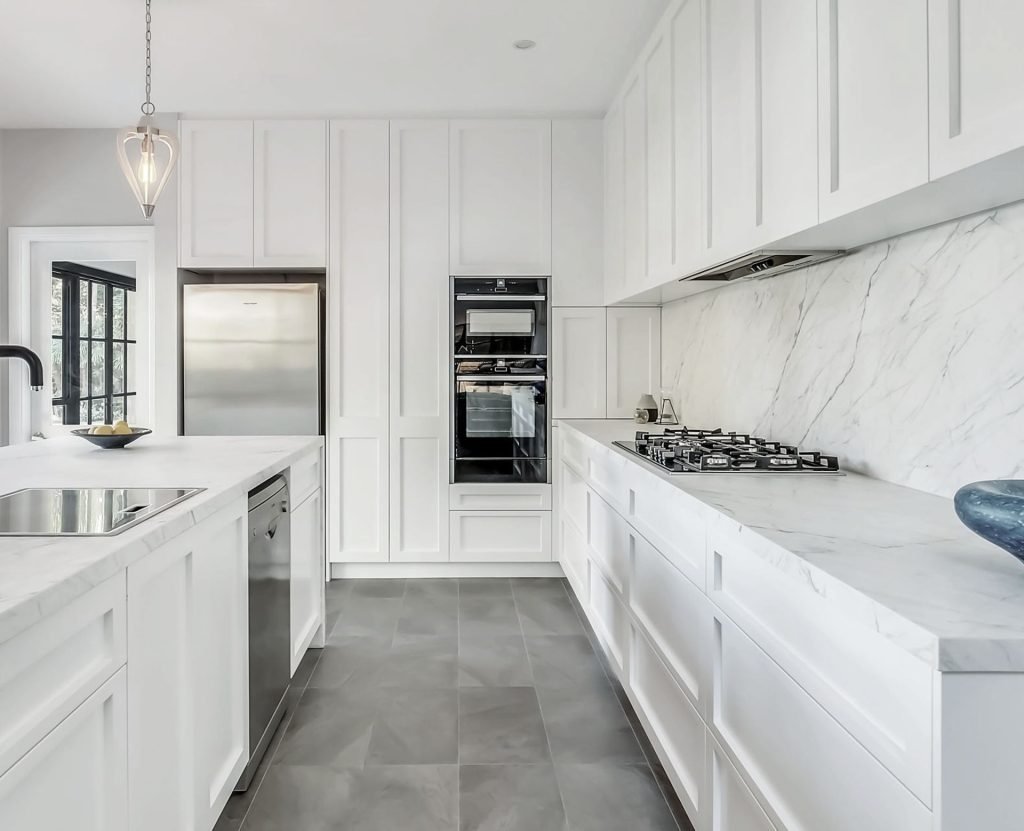
Designing a kitchen is more than just choosing cabinets and countertops; it’s about creating a space that truly works for you. Imagine walking into your kitchen and everything you need is right where you want it, making cooking not just a task, but a joy.
Sounds perfect, doesn’t it? Whether you’re an avid chef or someone who loves hosting dinner parties, the design of your kitchen can either make or break your experience. So, what exactly should you consider to make your dream kitchen a reality?
We’ll explore the essential aspects of kitchen design that will make your space not only functional but also inviting and uniquely yours. Keep reading to discover how you can transform your kitchen into the heart of your home.

Credit: www.youtube.com
Space Planning
Consider functionality and flow when designing a kitchen. Ensure ample counter space and storage. Plan for efficient appliance placement to enhance usability.
Space planning is vital in kitchen design. It ensures smooth movement and function. A well-planned space can make cooking a joy. Consider the layout and how it affects workflow.Layout Options
Choosing the right layout is crucial. Each layout has its strengths. – L-Shaped: Ideal for open spaces. It provides flexibility and storage. – U-Shaped: Offers ample counter space. Great for multiple cooks. – Galley: Perfect for small kitchens. It maximizes space efficiently. – Island: Adds style and functionality. Offers extra prep area. Select a layout that fits your space and needs.Workflow Efficiency
Efficiency is key in kitchen design. Consider the work triangle. – Sink: Central to cleaning tasks. Place it near the dishwasher. – Stove: Essential for cooking. Position it close to prep areas. – Refrigerator: Store food conveniently. Keep it accessible to all. Ensure these elements are within easy reach. This reduces unnecessary movement. Prioritize tasks and design accordingly.Choosing Materials
Selecting the right materials sets the tone for your kitchen’s style and functionality. Focus on durability, ease of maintenance, and aesthetic appeal. Consider countertops, cabinets, and flooring that complement your lifestyle and cooking habits.
Choosing the right materials for your kitchen design can make or break the functionality and aesthetic of your space. It’s a decision that marries form and function, reflecting your personal style and meeting your daily needs. Each choice, from countertops to flooring, impacts not only the look but also the longevity and ease of maintenance of your kitchen.Countertops
The countertops are often the centerpiece of the kitchen. Durability is key here. You want a surface that can withstand daily wear and tear. Granite and quartz are popular choices due to their robustness and variety of colors. But consider your lifestyle—if you love baking, a marble countertop might be perfect for rolling dough, despite its susceptibility to stains. Don’t forget about budget. Laminate offers a cost-effective option with a wide range of designs that mimic high-end materials. Think about how you use your kitchen and choose a material that suits your routine.Cabinetry
Cabinetry sets the tone of your kitchen. It’s where practicality meets style. Solid wood cabinets are timeless and can be refinished, but they come with a higher price tag. For a sleek, modern look, consider alternatives like MDF or plywood with a veneer finish. They offer flexibility in design and are easier on the wallet. Reflect on your storage needs. Do you need deep drawers for pots and pans, or would you prefer more shelves for pantry items? Your choice of material can influence the functionality of your cabinetry.Flooring
Kitchen flooring needs to be durable and easy to clean. Tile is a classic choice, offering a waterproof surface that can handle spills with ease. If you’re seeking warmth, hardwood floors might be appealing. They add a cozy feel but require more maintenance to avoid scratches and water damage. Consider comfort as well. You’ll spend a lot of time standing in the kitchen, so choose a material that feels good underfoot. Cork and vinyl are softer options that also provide excellent durability.Lighting Considerations
Consider task lighting for food prep areas to enhance functionality. Utilize ambient lighting to create a warm atmosphere. Incorporate accent lighting to highlight key design elements and improve aesthetics.
Lighting plays a crucial role in kitchen design. It impacts mood, functionality, and style. Thoughtful lighting choices create a warm and inviting space. Consider using a mix of lighting types for best results.Ambient Lighting
Ambient lighting provides general illumination. It ensures the kitchen is well-lit and safe. Ceiling-mounted fixtures are common choices. Recessed lights offer a sleek look. Pendant lights add style and function.Task Lighting
Task lighting focuses on specific work areas. It aids in cooking and preparation tasks. Under-cabinet lights are popular for countertops. Strip lights under shelves enhance visibility. Choose bright, shadow-free fixtures.Accent Lighting
Accent lighting highlights design features. It creates focal points and adds depth. Use it to illuminate artwork or plants. Install cabinet lights to showcase glassware. Accent lights enhance kitchen aesthetics.Appliance Selection
Choosing kitchen appliances demands careful thought about space, style, and functionality. Consider how often you cook and what features enhance your culinary experience. Matching appliances with your kitchen’s design ensures a cohesive and efficient space.
Choosing the right appliances is crucial in kitchen design. It enhances both functionality and aesthetics. Appliances are long-term investments. They play a significant role in your daily routine. Considerations like energy efficiency and size should guide your choices.Energy Efficiency
Energy-efficient appliances save money on utility bills. They also reduce your carbon footprint. Look for the Energy Star label. It indicates products that meet energy-saving standards. Efficient appliances use less electricity. This is beneficial for both your wallet and the environment.Size And Capacity
Select appliances that fit your kitchen space. Measure the area before purchasing. This ensures they fit perfectly. Consider the capacity based on your household size. A larger family may need a bigger fridge. Smaller households can opt for compact options. This helps in maximizing kitchen space.Color Schemes
Choosing the right color schemes for a kitchen can set the mood and enhance its functionality. Consider balancing light and dark hues to create a welcoming space that feels open and vibrant. Neutral tones paired with bold accents can add personality without overwhelming the space.
Designing a kitchen involves many exciting decisions, but choosing the right color scheme stands out as one of the most transformative. Your choice of colors can influence not just the aesthetic appeal but also the mood and functionality of the space. Whether you favor bold hues or prefer a serene, neutral palette, understanding how colors impact your kitchen can guide your design decisions. Let’s explore some key considerations around color schemes.Bold Vs Neutral
Choosing between bold and neutral colors can set the stage for your entire kitchen atmosphere. Bold colors, like deep blues or vibrant reds, can energize the space and make a bold statement. They can serve as a focal point, drawing attention to specific areas like an accent wall or a central island. On the other hand, neutral colors such as whites, grays, and beiges offer a timeless appeal. They create a clean, calm backdrop that can make your kitchen feel spacious and airy. Neutrals also provide flexibility; you can easily update your kitchen’s look with new accessories or art without repainting. Consider your lifestyle and personal taste. Do you want a space that invigorates you every morning, or do you prefer a calming environment to unwind after a long day? Your answer can guide your color choice.Coordinating Elements
Once you’ve chosen your primary color scheme, it’s essential to coordinate other elements in your kitchen. Think about how your cabinet colors complement your countertops, backsplash, and flooring. Harmonizing these elements can create a cohesive and inviting look. For instance, if you opt for a bold color on your walls, balance it with neutral cabinets and countertops. Alternatively, if your cabinets are a deep, dramatic color, consider lighter walls and floors to maintain balance. Don’t forget smaller details like hardware and fixtures. Coordinating these elements with your overall color scheme can tie the entire look together, enhancing both style and functionality. What color combinations excite you? Experiment with samples and swatches, and see how they look in different lighting conditions throughout the day. With the right coordination, your kitchen can become a vibrant or serene sanctuary that reflects your personality.Storage Solutions
Designing a kitchen involves smart storage solutions to maximize space. Consider cabinet designs for easy access and functionality. Choose drawers over shelves to optimize organization and accessibility.
Storage solutions are key in kitchen design. They affect how the space functions daily. Thoughtful planning can transform a cluttered area into a tidy haven. Efficient storage makes cooking and cleaning a breeze. Let’s explore smart ways to enhance storage in your kitchen.Maximizing Space
Every inch counts in a kitchen. Tall cabinets can store more items. Use the space above your fridge. Install shelves for extra storage. Consider pull-out pantries. They save space and keep items accessible. Deep drawers offer more room for pots and pans. Corner cabinets can feature lazy Susans. They make reaching items easy. Use vertical racks for pans. They free up shelf space. Keep counters clear by storing appliances.Organizational Tools
Organizational tools make a difference. Drawer dividers keep utensils neat. Use clear containers for dry goods. Label them for easy identification. Install hooks for mugs and cups. Pegboards hold tools and gadgets. Magnetic strips can store knives. Use tension rods for lids. They prevent clutter in cabinets. Baskets can organize snacks. Stackable bins save space in the pantry. Use shelf risers for canned goods. They maximize storage and improve visibility.Budgeting
Consider costs carefully when planning a kitchen design. Choose affordable materials and prioritize essential features to stay within budget. Research and compare prices for appliances and fixtures to find the best deals.
Budgeting is a crucial aspect of designing a kitchen, as it lays the foundation for every decision you make. It’s about finding a balance between your dream kitchen and what you can afford. The challenge is to create a space that’s both functional and beautiful without breaking the bank. Understanding how to allocate funds smartly can make all the difference in achieving a kitchen that suits your needs and style.Cost-effective Choices
Making cost-effective choices doesn’t mean compromising quality. Look for materials that offer durability without the hefty price tag. Consider laminate countertops instead of granite, which can provide a similar look at a fraction of the cost. Explore second-hand options or sales for appliances. You’d be surprised at the bargains available for slightly used or last season’s models. Think about long-term savings. Energy-efficient appliances might cost more upfront but will save money on utility bills over time.Prioritizing Needs
Identify what you truly need versus what you want. Is a double oven essential, or can a single oven suffice for your cooking style? Consider the workflow of your kitchen. Spend more on items that enhance your cooking and entertaining experiences, like a high-quality stove or spacious fridge. Ask yourself what elements will provide the most value. Would investing in ample storage solutions help keep your kitchen organized and clutter-free? Creating a budget involves tough choices. Which features can you not live without? Prioritizing these will help guide your spending.
Credit: www.goodhousekeeping.com
Safety And Accessibility
Designing a kitchen requires careful consideration of safety and accessibility. Ensure easy reach to cabinets and appliances. Use slip-resistant flooring to prevent accidents.
Designing a kitchen involves more than just aesthetics. Safety and accessibility play crucial roles in creating a functional space. Ensuring these elements can prevent accidents and make the kitchen usable for everyone. It’s important to consider the needs of all family members, from children to the elderly.Child-friendly Features
A child-friendly kitchen means fewer worries for parents. Install safety locks on cabinets and drawers. Store sharp objects and cleaning supplies out of reach. Rounded edges on counters can prevent injuries. Use slip-resistant flooring to avoid falls. Keeping appliances at a safe height helps prevent accidents.Universal Design
Universal design benefits everyone, regardless of age or ability. Consider wider doorways for wheelchair access. Lower countertops make tasks easier for seated individuals. Install pull-out shelves in cabinets for easy reach. Lever handles on doors and faucets are simple to use. Ensure ample lighting for better visibility and safety.Personal Style
Designing a kitchen reflects your personal style. It’s more than picking colors and materials. It showcases your taste and personality. A kitchen should feel like you. It must suit how you live and cook. Here are some ideas to incorporate personal style.
Incorporating Trends
Trends can add a fresh look to your kitchen. Think about current popular colors or materials. Consider open shelving or bold backsplashes. Trends help modernize your space. But don’t let them overpower your unique taste. Balance is key.
Reflecting Personality
Your kitchen should mirror who you are. Use favorite colors and patterns. Display items that mean something to you. Family photos or art pieces can add warmth. Personal touches make the kitchen inviting. They show your story and style.
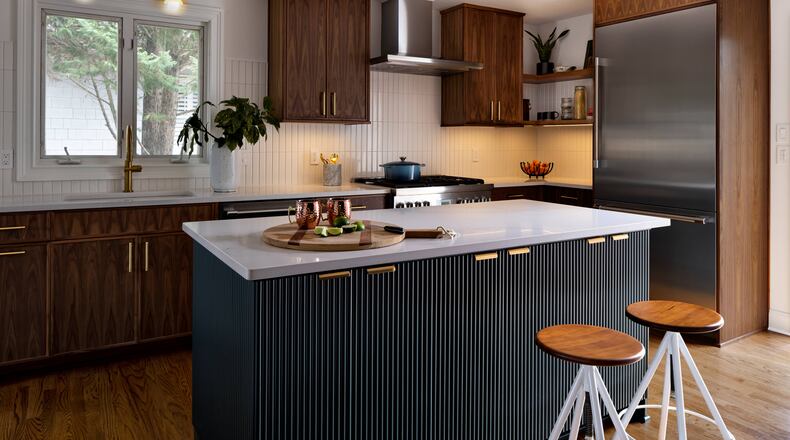
Credit: www.ajc.com
Frequently Asked Questions
What Are The Essential Kitchen Design Elements?
When designing a kitchen, prioritize layout, storage, and lighting. A functional layout enhances workflow and efficiency. Adequate storage keeps your kitchen organized and clutter-free. Proper lighting, both ambient and task, ensures safety and visibility.
How To Choose The Right Kitchen Layout?
Consider your kitchen’s size and shape when selecting a layout. The work triangle—connecting the stove, sink, and fridge—should be efficient. Popular layouts include U-shaped, L-shaped, and galley kitchens. Choose one that maximizes space and suits your cooking habits.
What Materials Are Best For Kitchen Countertops?
Granite, quartz, and butcher block are popular countertop materials. Granite offers durability and a luxurious look. Quartz is low-maintenance and resistant to stains. Butcher block provides warmth and is ideal for chopping. Consider aesthetics, maintenance, and budget when choosing.
How To Maximize Kitchen Storage Space?
Use vertical space with tall cabinets and shelves. Incorporate pull-out racks and lazy Susans for easy access. Opt for deep drawers to store pots and pans. Customize cabinets with dividers and organizers to keep items tidy and accessible.
Conclusion
Designing a kitchen involves careful thought. Every choice impacts daily life. Prioritize functionality and comfort. Think about the layout. Storage is crucial. Choose durable materials. Consider lighting for a welcoming atmosphere. Don’t forget about your style. It should reflect your personality.
Create a space where cooking feels enjoyable. A thoughtful design enhances your home’s heart. Remember, a well-planned kitchen makes daily tasks easier. Enjoy the process and the results. Good design adds value to your home. Make your kitchen a place where memories are made.